

Reviewed · MARKETS
Traditional Kenyan Cooking Class & Local Market Tour
Come hungry, curious, and ready to cook. This 3.5-hour Nairobi experience combines a farmers market visit, a ride on public matatu transport, and a traditional Kenyan meal prepared in host Nimoh’s home. I like the way it connects food with daily life, and I like that the market shopping is part of the price rather than an extra cost.
The strongest part is the personal welcome. Nimoh explains local produce, cooking habits, street food, customs, and Nairobi life along the way. The main consideration is comfort: a public bus ride and a working market are more active and less polished than a standard cooking studio.
In This Review
- Key points to know before booking
- Why this Nairobi food experience feels different
- Meeting at Westlands Square in Nairobi
- Shopping for a meal at a farmers market
- Riding a Nairobi matatu
- Cooking a traditional Kenyan meal from scratch
- Eating together and taking food with you
- The host makes the difference
- Is $50 a fair price?
- Who will enjoy this experience most?
- Cancellation and planning details
- Should you book the Nairobi cooking class?
- FAQ
- How long does the experience last?
- Where does the tour begin?
- Where does the experience end?
- Is the market shopping included in the price?
- Can I skip the market visit?
- What kind of meal will I prepare?
- Are dietary options available?
- What is the cancellation policy?
Key points to know before booking
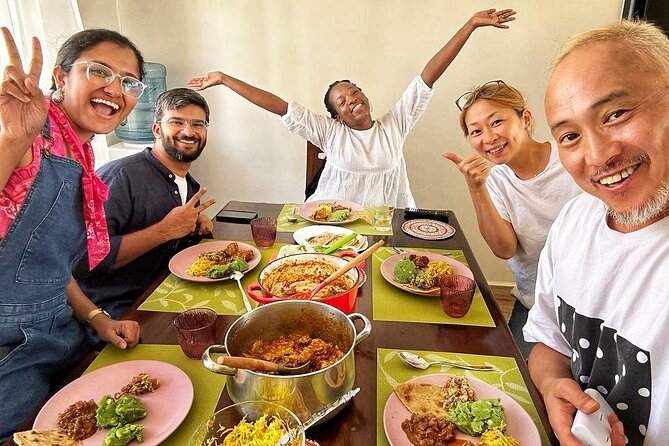
- Three Kenyan experiences in one outing: Visit a farmers market, ride a matatu, and cook a traditional meal at a private home.
- Market shopping is included: The $50 price covers the groceries used for the cooking session.
- Nimoh is the heart of the experience: Her warm hosting, practical food advice, and cultural stories receive the highest praise.
- You can help or simply watch: The class welcomes hands-on participation, but you can also enjoy the meal without doing much cooking.
- Expect a full meal, not just a demonstration: You prepare a main dish, a side dish, and vegetables, then eat together.
- The meeting point is in Westlands: The activity begins at Westlands Square on Ring Road Parklands and returns there at the end.
Why this Nairobi food experience feels different
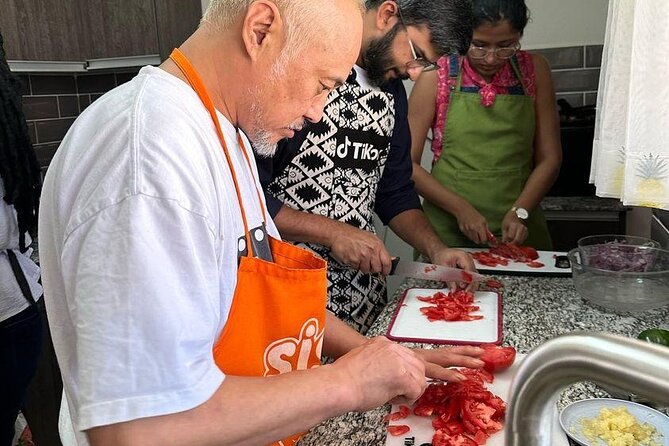
Many cooking classes keep you inside one kitchen. This one starts before the stove is turned on. You first see where ingredients are bought, how produce is selected, and how a normal shopping trip fits into Nairobi life.
I like that the experience does not treat Kenyan food as a museum display. You are not simply shown a finished plate. You help gather ingredients, travel as many residents do, and then prepare food in a home setting. That gives the meal a useful context.
The class is also social. Nimoh hosts the cooking in her home, where the meal becomes a chance to talk about Kenyan customs, family life, food, and Nairobi. Several comments describe the setting as clean and welcoming, with the meal feeling more like lunch with a friend than a formal lesson.
The rating is 4.9 from 129 reviews, and 98 percent of bookings recommend it. Those numbers match the experience’s strongest qualities: a friendly host, good food, and a close look at everyday culture.
More market tours:
- Memorable Daily KIBERA Slums/Toi Market Tour with Locals (2 hours)
★ 5.0 · 29 reviews - Half-Day Nairobi National Park and Maasai Market with Pick up
★ 5.0 · 16 reviews - Authentic Kenyan Cooking Class & Market Tour in Nairobi
★ 5.0 · 12 reviews
Meeting at Westlands Square in Nairobi
The starting point is Westlands Square, on Ring Road in the Parklands area. This is a practical place to meet because it is near public transport, and the experience uses public transport as part of the outing.
Confirmation is provided at booking, and the full itinerary is shared afterward. That is useful because the exact market and home route are not fully detailed in the basic description. I would save the meeting instructions and keep the host’s contact details handy on the day.
The experience ends back at the same meeting point. Since the total time is about three hours and 30 minutes, you can fit it into a morning or afternoon in Nairobi, though you should avoid scheduling something immediately afterward. Markets, cooking, and city transport rarely run like a Swiss watch.
The maximum group size is 15 people. That is small enough for a personal activity, though the feel may depend on how many people book for your time. A couple or small family will likely find the home cooking portion especially relaxed.
Shopping for a meal at a farmers market
The first main stop is a local farmers market. You shop for the ingredients used later in the class, with the grocery cost included in the $50 price.
This is where the experience moves beyond restaurant food. You see fresh produce used in Kenyan kitchens and interact with people in an ordinary market setting. Nimoh explains what to look for when choosing ingredients, including how to select produce for the best taste.
The market also gives you a chance to ask questions that rarely come up on a sightseeing tour. You can learn about common vegetables, spices, meats, and street food choices while seeing the sounds and smells of a working food market. One particularly useful detail from the cooking sessions is the attention paid to picking good produce, rather than treating ingredients as interchangeable items.
You can skip the market if you are not feeling up to it. That flexibility matters for anyone arriving after a long flight, managing mobility concerns, or simply wanting the cooking and meal without the shopping. Still, I think the market is worth keeping if you want the full cultural experience. It helps you understand the meal before you eat it.
The drawback is that a market visit can be busy, noisy, and less predictable than a guided food hall. The description does not promise a polished tourist setting. Wear practical clothes, stay with the host, and expect the experience to feel active and ordinary rather than staged.
Riding a Nairobi matatu
After the shopping, you take a matatu to Nimoh’s home. These privately operated minibuses are a major part of daily transport in Kenya, and the ride adds a strong cultural element to the afternoon.
For many visitors, this may be their first matatu trip. The experience gives you a chance to see Nairobi from the same kind of transport used by local residents instead of moving between tourist stops in a private vehicle. Several accounts describe the ride as an adventure, with music playing and the journey becoming one of the most memorable parts of the day.
Nimoh accompanies you, which is important. Public transport can feel unfamiliar when you do not know the routes, payment customs, or usual etiquette. Her presence makes the ride easier to manage and gives you someone to explain what you are seeing.
You should also be honest about your comfort level. A matatu is not the quietest or most controlled way to get across Nairobi. If you prefer private transport, the public bus portion may be the least appealing part of the experience. It is possible to skip the market, but the description presents the matatu ride as one of the three main experiences, so ask for clarification in advance if you need a different arrangement.
A few more trips worth weighing up
- Nairobi souvenir Shopping and Historical Half day Tour
★ 5.0 · 61 reviews - Nairobi Cultural Shopping Experience
★ 5.0 · 21 reviews - Nairobi cultural souvenir shopping tour with a local
★ 5.0 · 12 reviews - Nairobi Guided Cultural Shopping Experience Day Tour
★ 4.0 · 12 reviews
Cooking a traditional Kenyan meal from scratch
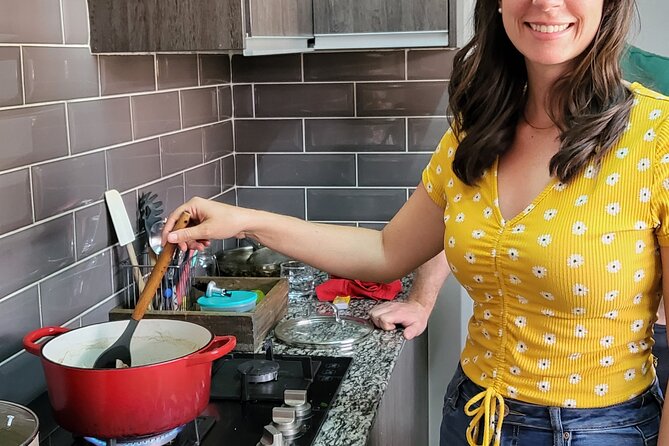
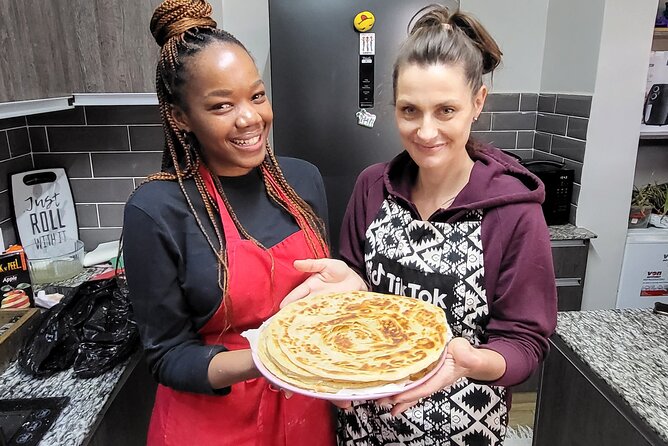
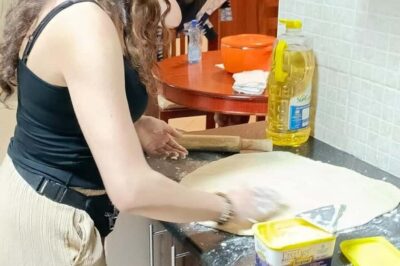
At Nimoh’s home, the shopping becomes lunch. You prepare a complete Kenyan meal, including a main dish, a side dish, and vegetables. The exact menu can vary, and the available examples include chapati, stewed goat, and side dishes.
The phrase from scratch matters here. This is not simply a demonstration where the host cooks while you watch. You can roll up your sleeves, help prepare the meal, and learn practical techniques you can use later in your own kitchen.
If cooking is not your strength, that is fine. The activity specifically welcomes people who prefer to watch. You can still ask questions, taste the ingredients, and follow the steps without taking over the kitchen.
The class lasts within the overall three to 3.5-hour session, including the market and transport portions. That is enough time for a proper meal and conversation, but not so long that the afternoon becomes exhausting.
The cooking also carries personal meaning because the meal comes from Nimoh’s tribal and family traditions. That makes the class more than a generic introduction to African food. You are learning how one Kenyan host cooks and talks about her food culture, while also getting a broader view of local customs and Nairobi life.
Eating together and taking food with you
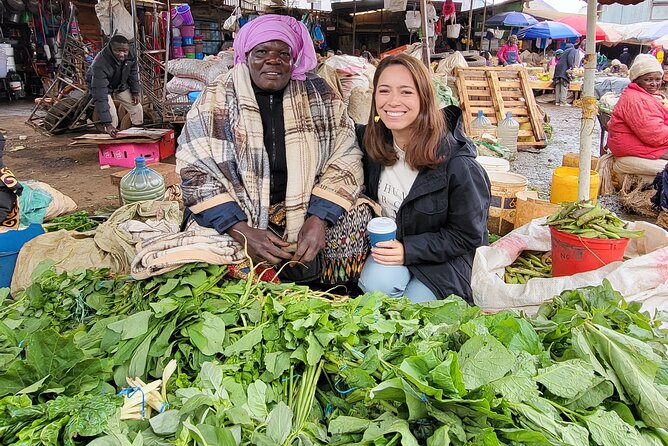
Once the meal is ready, you sit down and eat together. The shared table is a major part of the experience. You have time to talk with Nimoh about the food, Kenyan culture, and places to visit during the rest of your stay.
The food receives unusually strong praise. People describe the meal as delicious, tasty, and even one of the highlights of a Kenya visit. Chapati and stewed goat are specifically mentioned, but you should not assume those dishes are guaranteed unless they are confirmed when booking.
You can also carry the food prepared during the class. That is helpful if you are full after eating or want to save some for later. It also means the cooking session can feel generous rather than rushed.
I like the balance here. You get instruction, conversation, and a sit-down meal, but the point is not to produce perfect restaurant plates. The aim is to understand the work and habits behind Kenyan home cooking.
The host makes the difference
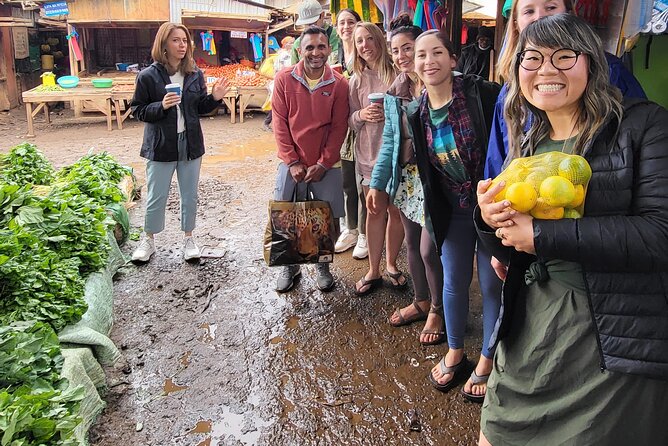
Nimoh receives the clearest praise throughout the feedback. She is described as warm, engaging, kind, and welcoming. Her role is not limited to showing recipes. She explains local produce, market choices, street food, public transport, history, customs, and everyday life.
That range is valuable because food is rarely separate from culture. A conversation about vegetables can lead to farming, family meals, or regional habits. A matatu ride can become an explanation of city routines. The best parts of this activity come from those links.
Nimoh also appears to communicate well before the activity, including through the booking platform and WhatsApp. That can make the meeting process less stressful, especially in a city where you may be unfamiliar with the neighborhoods.
A few descriptions refer to the host by different names, including Wairimu, but Nimoh is the name used most often in the experience details. Confirm the host’s current contact information with your booking confirmation if that matters to you.
Is $50 a fair price?
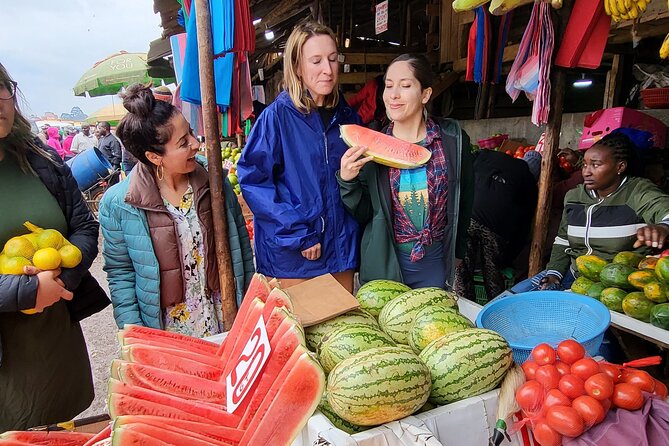
At $50 per person, this is not just a cooking lesson. The fee includes the market shopping, the transport experience, the instruction, the meal, and the cultural conversation.
I consider that a fair price for visitors who value personal contact and practical experiences. A standard restaurant meal might cost less, but it would not include the market explanations or the chance to prepare the food. A private cooking lesson might offer more kitchen time, but it would not necessarily include public transport and a working market.
The value is strongest if you take part in all three sections. If you skip the market and mainly watch the cooking, the price may feel less compelling. If you enjoy asking questions, helping with preparation, and learning how ingredients are chosen, the experience gives you much more than its meal alone.
The groceries are included, which removes one common source of confusion. Vegetarian, pescatarian, and gluten-free options are available with notice at booking. State your needs early so the menu can be planned properly.
Who will enjoy this experience most?
I would recommend it to first-time visitors who want a direct introduction to Nairobi beyond major sights. It is also a good fit for food lovers, home cooks, couples, and people who enjoy meeting a local host in a relaxed setting.
The experience suits you if you:
- Like learning by doing rather than only watching
- Want to try public transport with a local guide
- Enjoy markets and everyday food culture
- Are happy with a flexible, home-based setting
- Want advice about Nairobi for the rest of your stay
It may be less suitable if you need a tightly timed itinerary, private transport, or a quiet and highly polished cooking studio. The market and matatu sections are central to the character of the outing, and both involve the normal unpredictability of city life.
The building has lifts and is wheelchair accessible, and service animals are allowed. The activity is also near public transportation. Share any mobility or dietary requirements when booking, since the market and transport portions may involve different practical needs than the home kitchen.
Cancellation and planning details
You can cancel for a full refund up to 24 hours before the start time. Cancellations or changes made within 24 hours are not refunded or accepted.
The experience may be canceled because of poor weather or because the minimum number of participants is not reached. In those cases, you are offered another date or experience, or a full refund. The cut-off time follows Nairobi’s local time.
Since the experience is booked about 30 days ahead on average, reserve early if your Nairobi dates are fixed. Still, do not book it so tightly against a flight, safari departure, or major tour that a small delay creates a problem.
Should you book the Nairobi cooking class?
Book it if you want food tied to real daily life. The market, matatu, and home kitchen form a complete experience, and Nimoh’s friendly hosting gives the afternoon its shape.
The best reason to choose it is not simply the meal. It is the chance to see ingredients being selected, travel in a familiar local way, cook a Kenyan dish, and talk about culture at the table. Keep the market and matatu portions if you can, since they add much of the experience’s character.
Skip it if you want private transport, a fixed menu, or a formal chef-led lesson. For everyone else, the $50 price offers a warm and practical introduction to Nairobi, with food you can enjoy during the class and carry with you afterward.
FAQ
How long does the experience last?
The activity lasts approximately three hours and 30 minutes. The cooking session itself is described as lasting about three to 3.5 hours as part of the full outing.
Where does the tour begin?
It begins at Westlands Square, Ring Road, Parklands, Nairobi, Kenya.
Where does the experience end?
The activity ends back at the meeting point in Westlands.
Is the market shopping included in the price?
Yes. The price includes the grocery shopping for the meal.
Can I skip the market visit?
Yes. You can skip the market if you are not feeling up to it and attend the home cooking and meal portion instead.
What kind of meal will I prepare?
You will prepare a complete Kenyan meal with a main dish, a side dish, and vegetables. The exact dishes can vary. Chapati and stewed goat are examples associated with the class.
Are dietary options available?
Yes. Vegetarian, pescatarian, and gluten-free options are available when requested in advance at booking.
What is the cancellation policy?
You receive a full refund if you cancel at least 24 hours before the experience start time. Cancellations or changes made less than 24 hours before the start time are not refunded or accepted.
More Workshops
- Private Traditional Kenyan Cooking Class with Lunch in Nairobi
★ 5.0 · 10 reviews - Market Tour and Traditional Kenyan Cooking Class in Nairobi
★ 4.8 · 6 reviews - Local Market Tour and Traditional Meal Cooking Class
★ 5.0 · 4 reviews - Private Kenyan Cooking Class in Nairobi with a Local
★ 5.0 · 3 reviews
Just added around Nairobi
- Nairobi: Giraffe Center, Elephant Orphanage and Bomas Tour★ 5.0 · 3 reviews
- Nairobi: Airport and Hotel Private Transfers.★ 4.0 · 3 reviews
- Kitengela Anselm Hot Glass tour★ 4.5 · 3 reviews
- 11-Days Best of Kenya & Tanzania Big 5 Safari on a 4×4 Jeep★ 5.0 · 3 reviews
- 12-Day Tsavo west Amboseli lake Nakuru Maasai Mara safari★ 5.0 · 3 reviews
- NAIROBI NATIONAL PARK AFTERNOON GAME DRIVE.★ 5.0 · 3 reviews
- Nairobi Down Town & Walking City Tour★ 4.8 · 3 reviews
- Carnivore Resturant Dinner Experience★ 4.0 · 3 reviews
Markets, compared.

Memorable Daily KIBERA Slums/Toi Market Tour with Locals (2 hours)
Read our review →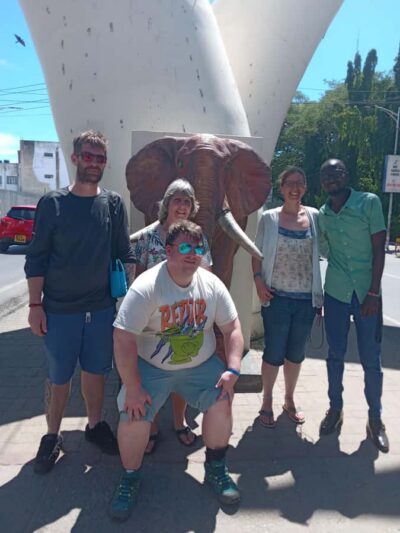
Mombasa City Tour,Fortjesus,Oldtown,Tusks and Spice Market.
Read our review →
Half-Day Nairobi National Park and Maasai Market with Pick up
Read our review →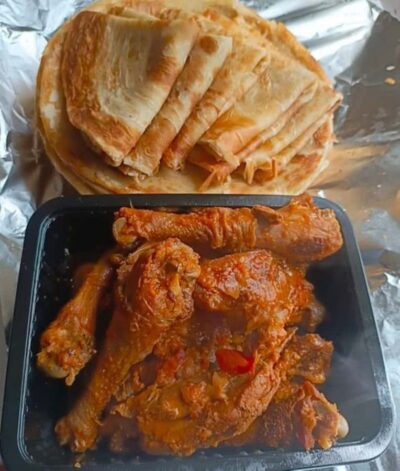
Authentic Kenyan Cooking Class & Market Tour in Nairobi
Read our review →
Hop on Hop off and Maasai market Collections Visit
Read our review →
Explore local Market matatu ride & Make Kenyan Cuisines with a home cook
Read our review →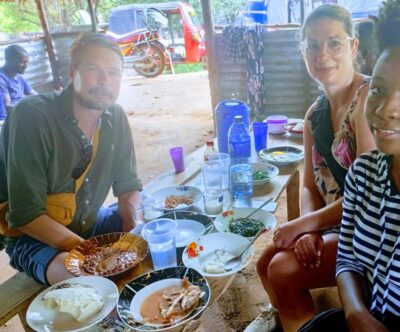
Market Tour and Traditional Kenyan Cooking Class in Nairobi
Read our review →Browse the lists this tour appears in