
Reviewed · MARKETS
Authentic Kenyan Cooking Class & Market Tour in Nairobi
Food opens doors here.
This four-hour Nairobi experience combines a local market visit with hands-on cooking in Tabitha’s home. I like the chance to buy ingredients with a local host, then see those same foods become ugali, pilau, chapati, and other Kenyan dishes. I also like the personal setting. You spend time talking, cooking, and eating with a Kenyan family rather than simply watching a demonstration.
The main consideration is that the home kitchen has limited space, so this is not the right choice if you want a polished, restaurant-style class with lots of room to work. You should also skip it if you have food allergies, and remember that transportation beyond the included market transfer may cost extra.
In This Review
- Key points at a glance
- Why this Nairobi cooking class feels personal
- Meeting at K-MALL Komarocks parking lot
- Reading Nairobi through its local market
- Cooking Kenyan classics in a private home
- What you learn beyond the recipes
- Lunch with Tabitha and her family
- Is $64 a fair price?
- Who should book this experience?
- Practical details to know before you go
- Should you book the Kenyan cooking class?
- FAQ
- Where does the experience begin?
- How long does the cooking class and market tour last?
- What food might I learn to prepare?
- Is lunch included?
- Is transportation included?
- What languages does the host speak?
- Can I cancel or pay later?
Key points at a glance
- Start at K-MALL Komarocks parking lot: This is the meeting point before heading to the market.
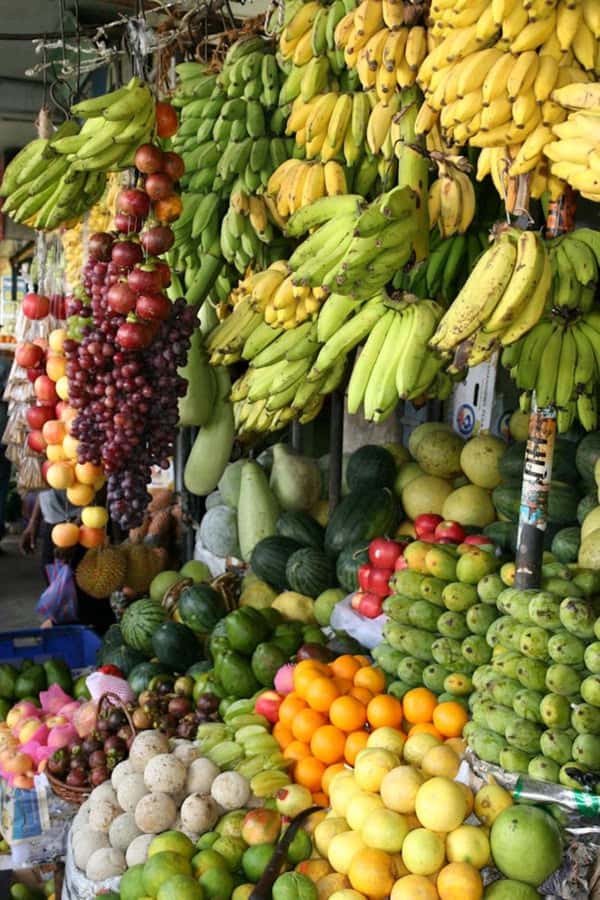
- Shop for fresh ingredients: You can see local produce, interact with people, and help choose what goes into the meal.
- Cook in Tabitha’s home: The class takes place in a private home on the outskirts of Nairobi, with Tabitha and her husband providing a friendly welcome.
- Learn several Kenyan staples: Possible dishes include kachumbari, sukuma wiki, ugali, chapati, pilau, mukimo, githeri, and kuku kienyeji.
- Share a homemade lunch: The meal is part of the cultural exchange, not just the final reward for finishing the cooking.
- Plan for four hours and simple logistics: English and Swahili are spoken, transport to and from the market is included, and cancellation is free up to 24 hours before the activity.
Why this Nairobi cooking class feels personal
Many food classes keep you at a distance from daily life. This one takes you first to a neighborhood market, then into a real home kitchen. That change of setting matters. You are not only learning ingredients and cooking steps. You are also seeing how food fits into ordinary Kenyan life.
Tabitha, also called Tabby, leads the experience. Her role goes beyond showing you how to stir a pot. She guides you through the market, explains the food, and shares stories while you cook. The time in her home is designed for conversation, so you should expect a relaxed social visit as much as a formal lesson.
The setting is on the outskirts of Nairobi, in a neighborhood described as secure. That may appeal to you if you want a break from the city center and a more grounded look at local life. It is still important to allow for road time, since the meeting point, market, and home are separate parts of the day.
The strongest feature is the human contact. You may find that the cooking techniques are easy to repeat at home, but the conversations over lunch are harder to find elsewhere.
More market tours:
- Traditional Kenyan Cooking Class & Local Market Tour
★ 5.0 · 129 reviews - Memorable Daily KIBERA Slums/Toi Market Tour with Locals (2 hours)
★ 5.0 · 29 reviews - Half-Day Nairobi National Park and Maasai Market with Pick up
★ 5.0 · 16 reviews
Meeting at K-MALL Komarocks parking lot
The activity begins at K-MALL Komarocks parking lot. From there, you proceed to a local market with your host. The stated duration is four hours, so the schedule is fairly compact. You will want to arrive ready to move along rather than expecting a full morning spent at every market stall.
Transport to and from the market is included. The information also says transportation can be arranged for convenience, but Uber or other transportation fees are not included. Confirm the exact pickup plan when booking, especially if you are staying far from K-MALL Komarocks.
Bring cash. It is useful for personal purchases and fits the market setting, even though the ingredients for the cooking activity are handled as part of the experience. Comfortable shoes and clothes are wise, since you will be walking through the market and working in a kitchen.
You may also bring a camera. Ask before photographing people, particularly in the market. A friendly approach usually makes the interaction more respectful and more natural.
Reading Nairobi through its local market
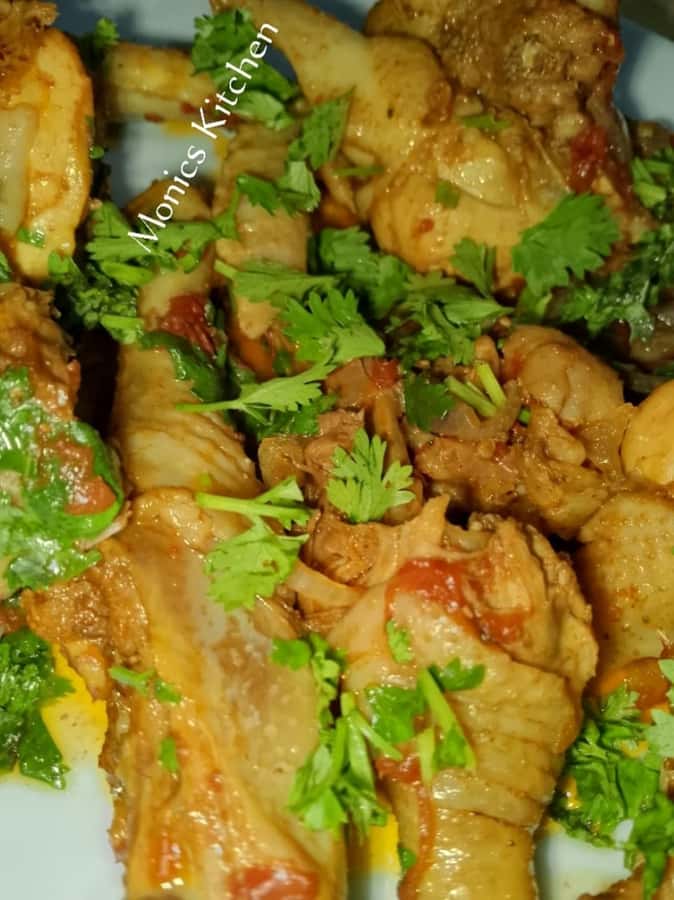
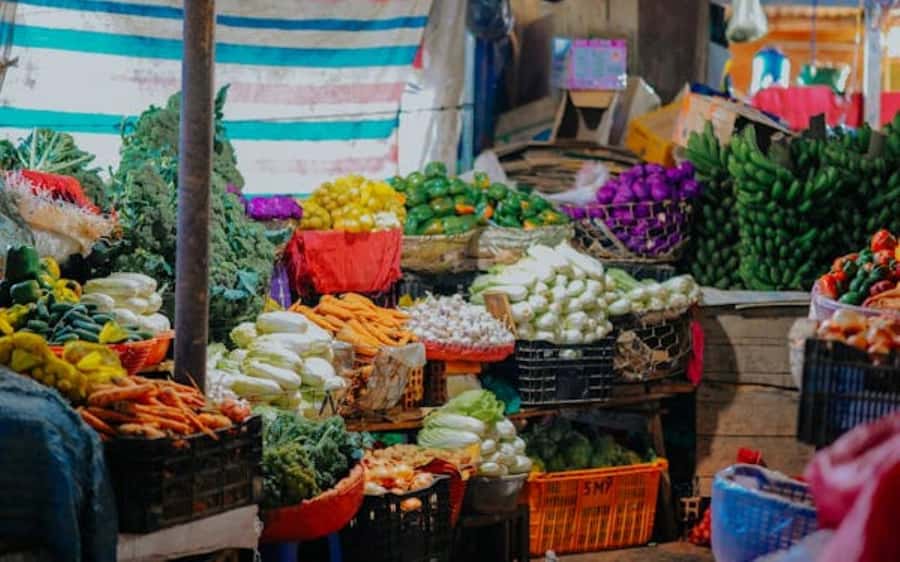
The market is not just a shopping stop before the main event. It gives you a quick lesson in how Kenyan meals begin. You see the ingredients before they are cleaned, chopped, seasoned, and cooked.
Tabitha helps you select fresh items and guides you through the market. This is a good chance to ask about vegetables, spices, grains, and other foods that may be unfamiliar to you. You also get to watch everyday buying and selling, rather than viewing Kenyan food only through a restaurant menu.
The market can feel busy and lively, with plenty to look at and hear. One visitor from the Netherlands described the ride through Nairobi and the market itself as a major part of the day, not merely a way to reach the kitchen. That is useful advice: keep your attention on the trip between locations. The city and neighborhood views are part of the context.
You might also attract some curiosity as an international visitor. That can be amusing, but it is worth responding with warmth and good manners. Ask before taking close-up photographs, and let your host handle local conversations if you are unsure.
The market section is especially useful for first-time visitors who want to understand food beyond familiar tourist areas. It is less suitable if you prefer a quiet, controlled setting. Markets involve movement, noise, and limited personal space.
Cooking Kenyan classics in a private home
After shopping, you head to Tabitha’s home for the cooking lesson. The kitchen space is limited, but you still get opportunities to help, taste ingredients, and take part in the preparation. This is not a large teaching kitchen with a separate workstation for every person.
That limitation can actually make the class feel more like cooking with a family member. You may stand nearby, take turns, and learn by watching closely. If you want a detailed, recipe-by-recipe workshop, ask how many dishes will be prepared on your date. The menu can include several Kenyan favorites, but not every named dish is guaranteed to appear in one session.
The food focus may include:
- Kachumbari, a fresh salad often served alongside heavier dishes
- Sukuma wiki, a cooked leafy green vegetable dish
- Ugali, a firm maize meal staple
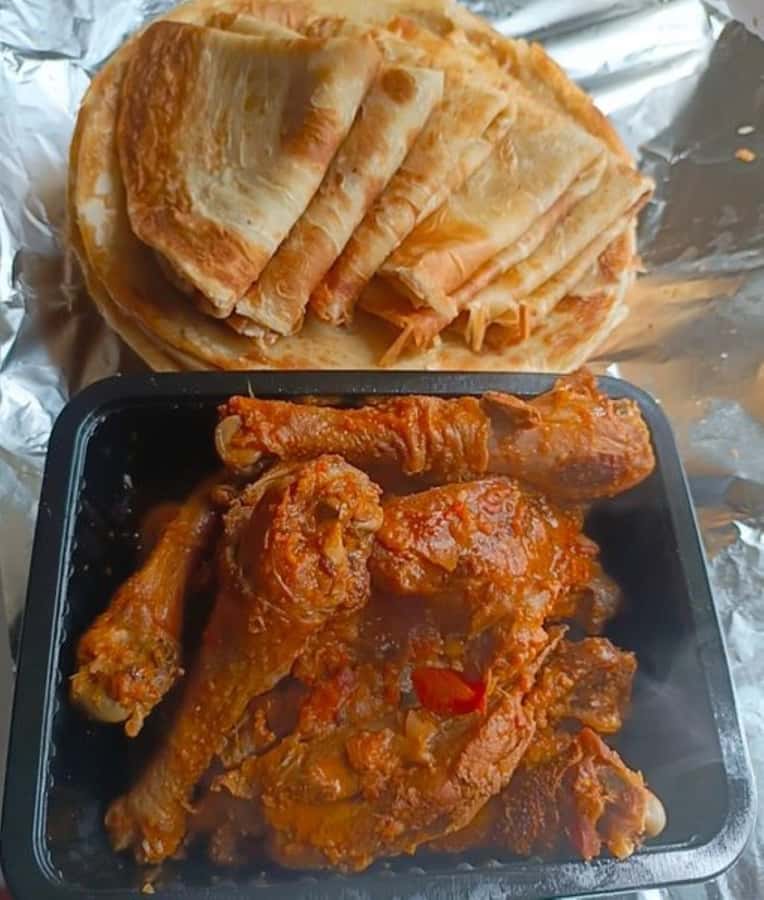
- Chapati, a flatbread prepared in the kitchen
- Pilau, a seasoned rice dish
- Mukimo, a mashed mixture traditionally made with vegetables and other ingredients
- Githeri, a dish based on maize and beans
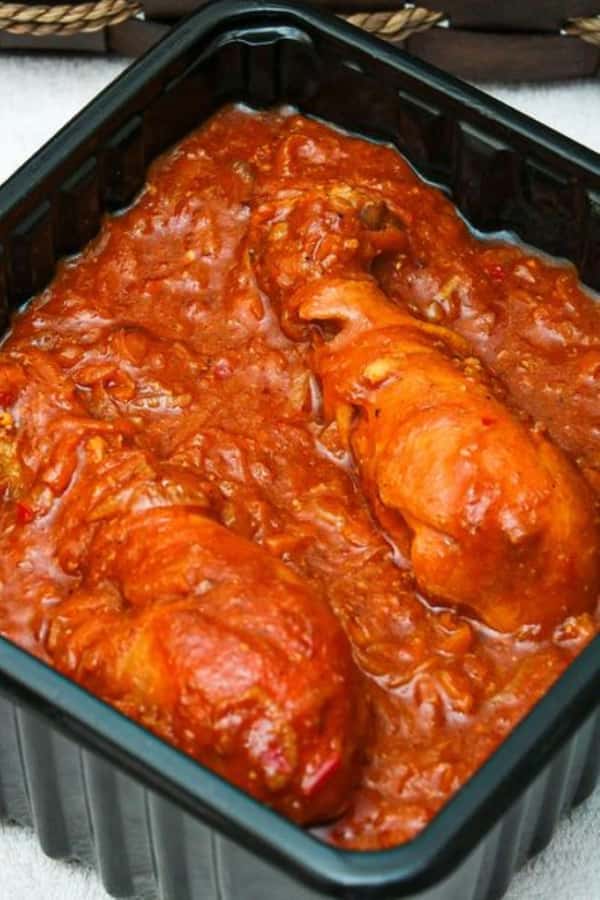
- Kuku kienyeji, or kienyeji chicken
The class description gives both kuku kienyeji and some kienyeji chicken as possible menu items. In practical terms, you should expect an introduction to home-style Kenyan food rather than a fixed promise that every dish will be cooked.
I like the range because it gives you more than one type of flavor and texture. You learn about a staple, a vegetable dish, bread, rice, salad, and possibly chicken. You also see how several dishes work together as a shared meal.
A few more trips worth weighing up
- Nairobi souvenir Shopping and Historical Half day Tour
★ 5.0 · 61 reviews - Nairobi Cultural Shopping Experience
★ 5.0 · 21 reviews - Nairobi cultural souvenir shopping tour with a local
★ 5.0 · 12 reviews - Nairobi Guided Cultural Shopping Experience Day Tour
★ 4.0 · 12 reviews
What you learn beyond the recipes
The value of this class is not limited to copying instructions. Tabitha explains ingredients and cooking methods while sharing stories about Kenyan food culture. That makes the lesson easier to remember, because each dish connects to a person, a household, or a daily habit.
You may learn how dishes are prepared in a home setting, how ingredients are combined, and how food is served for sharing. The information provided does not promise printed recipes, so bring a phone or small notebook if you want to record measurements and steps. Ask before taking notes or photographs in the kitchen.
The cooking also gives you room to taste as you go. That is helpful when you are learning unfamiliar flavors. You can see how seasoning changes a dish and how the individual parts come together on the plate.
Do not expect a chef-led performance with constant instruction. The tone is social and practical. You will likely get the most from it if you take part, ask questions, and accept that home cooking does not always follow a strict classroom timetable.
Lunch with Tabitha and her family
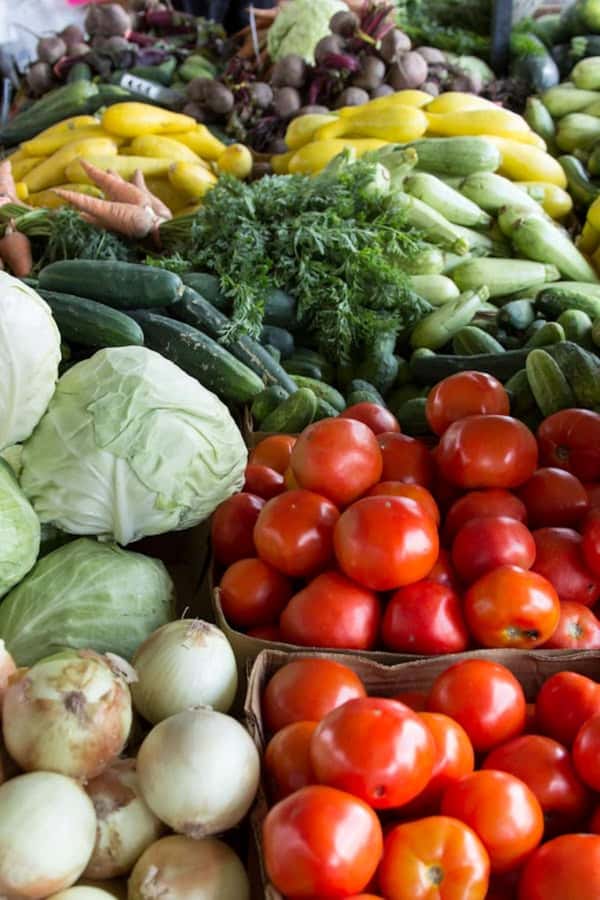
Lunch is included, along with water, soda, and tea. The meal is served after the cooking, and sharing it in the home is one of the most meaningful parts of the experience.
The setting gives you time to talk with Tabitha and her husband. Conversations can move beyond food to everyday life, family, challenges, and the way meals fit into Kenyan society. One Italian participant described this personal exchange as the part that made the day especially significant. You should see the lunch as a chance to listen, not only as a meal you have helped prepare.
This is also where the class feels different from a restaurant visit. A restaurant can introduce you to Kenyan flavors, but a private home gives you a closer look at hospitality and household routines. You are welcomed into someone’s living space, so courtesy matters. Follow your host’s lead, keep an open mind, and be prepared for a slower, more conversational meal.
If you are shy about joining in, do not worry too much. The activity is built around talking and sharing, and Tabitha’s warmth is repeatedly praised. Still, this may not suit you if you want to remain anonymous or keep to a strict sightseeing schedule.
Is $64 a fair price?
At $64 per person, the cost is reasonable if you value personal contact and several included services. You receive the local host, the market transport, the cooking lesson, lunch, and nonalcoholic drinks. You are paying for more than food ingredients. The price also covers the time spent guiding you through a market and welcoming you into a home.
The value depends on what you want from a cooking class. If your priority is a professional kitchen, a printed cookbook, or a highly technical lesson, another format may suit you better. If you want a small-scale cultural visit with a meal and conversation, the package makes more sense.
The four-hour length is long enough to include the market, travel, cooking, and lunch without taking over your whole day. At the same time, city traffic can affect how much time you spend at each stop. Keep your schedule flexible after the class rather than booking an important timed attraction immediately afterward.
Alcohol is not included. Water, soda, and tea are provided, so you do not need to budget for basic drinks during the meal.
Who should book this experience?
I would recommend it to you if you want to see a less polished side of Nairobi and learn through food. It is a strong fit for couples, small groups, solo visitors who enjoy conversation, and families with children aged 10 and older.
Children below 10 receive free entrance, according to the activity information. The details do not explain whether a child’s cooking participation or meal has separate conditions, so confirm this before booking if you are bringing young children.
You should be comfortable with a local market, a private home, and a kitchen with limited space. Wear shoes that are easy to walk in, and choose clothes that will not trouble you while cooking.
This activity is not suitable for people with food allergies. The menu includes several dishes and ingredients, and the class is based around tasting and sharing food. If you have dietary restrictions, ask for clarification before paying.
The activity is also listed as unsuitable for people over 95. English and Swahili are the guide languages, so you should be able to communicate in one of those languages to get the most from the class.
Practical details to know before you go
You can cancel free of charge up to 24 hours in advance for a full refund. The reserve-now, pay-later option can help if your Nairobi schedule is still changing.
Do not bring weapons or sharp objects. A camera, cash, comfortable clothes, and comfortable walking shoes are the useful items to pack.
The meeting point is K-MALL Komarocks parking lot. Since transportation fees for Uber or other extra transfers are not included, check exactly how you will reach the meeting point and how you will return afterward.
The class has a five out of five rating from 12 verified bookings, with repeated praise for Tabitha’s food, her welcome, the market guidance, and the feeling of seeing everyday Kenyan life. Those strengths point to the kind of day this is: personal, food-centered, and built around a host who enjoys sharing her home.
Should you book the Kenyan cooking class?
Book it if you want a warm, human introduction to Nairobi through food. The best parts are the market visit, Tabitha’s hospitality, the chance to cook Kenyan staples, and the shared lunch with her family.
Skip it if you need a spacious kitchen, a fixed menu of every listed dish, or a tour that avoids personal conversation. For most people who want to move beyond standard sightseeing, $64 buys a useful mix of food, local contact, and practical cultural context. Come hungry, leave room for conversation, and keep your afternoon schedule light.
FAQ
Where does the experience begin?
The meeting point is the K-MALL Komarocks parking lot. From there, you proceed to the local market with the host.
How long does the cooking class and market tour last?
The full experience lasts four hours. Starting times vary, so you should check availability when booking.
What food might I learn to prepare?
Possible dishes include kachumbari, sukuma wiki, ugali, chapati, pilau, mukimo, githeri, and kuku kienyeji. The exact selection may vary.
Is lunch included?
Yes. Lunch is included, along with soda, water, and tea.
Is transportation included?
Transport to and from the market is included. Transportation beyond that, including Uber or other extra fees, is not included, although transport arrangements can be made for convenience.
What languages does the host speak?
The experience is offered in English and Swahili.
Can I cancel or pay later?
You can cancel up to 24 hours in advance for a full refund. You can also reserve now and pay later, keeping your plans flexible.
More Workshops
- Private Traditional Kenyan Cooking Class with Lunch in Nairobi
★ 5.0 · 10 reviews - Market Tour and Traditional Kenyan Cooking Class in Nairobi
★ 4.8 · 6 reviews - Local Market Tour and Traditional Meal Cooking Class
★ 5.0 · 4 reviews - Private Kenyan Cooking Class in Nairobi with a Local
★ 5.0 · 3 reviews
Just added around Nairobi
- Nairobi: Giraffe Center, Elephant Orphanage and Bomas Tour★ 5.0 · 3 reviews
- Nairobi: Airport and Hotel Private Transfers.★ 4.0 · 3 reviews
- Kitengela Anselm Hot Glass tour★ 4.5 · 3 reviews
- 11-Days Best of Kenya & Tanzania Big 5 Safari on a 4×4 Jeep★ 5.0 · 3 reviews
- 12-Day Tsavo west Amboseli lake Nakuru Maasai Mara safari★ 5.0 · 3 reviews
- NAIROBI NATIONAL PARK AFTERNOON GAME DRIVE.★ 5.0 · 3 reviews
- Nairobi Down Town & Walking City Tour★ 4.8 · 3 reviews
- Carnivore Resturant Dinner Experience★ 4.0 · 3 reviews
Markets, compared.

Traditional Kenyan Cooking Class & Local Market Tour
Read our review →
Memorable Daily KIBERA Slums/Toi Market Tour with Locals (2 hours)
Read our review →
Mombasa City Tour,Fortjesus,Oldtown,Tusks and Spice Market.
Read our review →
Half-Day Nairobi National Park and Maasai Market with Pick up
Read our review →
Hop on Hop off and Maasai market Collections Visit
Read our review →
Explore local Market matatu ride & Make Kenyan Cuisines with a home cook
Read our review →
Market Tour and Traditional Kenyan Cooking Class in Nairobi
Read our review →Browse the lists this tour appears in