
Reviewed · SHOPPING TOURS
Nairobi Cultural Shopping Experience
Skip the guesswork. This private Nairobi outing takes you to three useful shopping stops, including Utamaduni Craft Centre, Kazuri Beads Factory, and the Maasai market at Galleria Mall. I like the focused plan, since you can spend your time choosing gifts instead of hunting for reputable shops across the city.
I also like the hotel pickup, private vehicle, and driver-guide. Jan, Celestine, and Jane have received warm praise for their hospitality and storytelling, though you cannot request a particular guide with certainty. The main drawback is simple: this is a shopping tour, so it will feel less rewarding if you are not looking for fabric, beads, carvings, pottery, or other souvenirs.
The tour costs $25.65 per person and lasts about four to five hours. That price includes transport, a driver-guide, and hotel pickup and drop-off, but not drinks or anything you buy. Since the activity is private, your group controls the pace better than on a large coach outing.
In This Review
- Key Points Before You Book
- Why This Half-Day Tour Works in Nairobi
- Starting at 9:00 a.m. With Hotel Pickup
- Utamaduni Craft Centre: A Broad First Look
- Kazuri Beads Factory and the Story Behind the Clay
- Galleria Mall and the Maasai Market
- What the $25.65 Price Really Buys
- Guides, Translation, and the Personal Touch
- Who Will Enjoy This Experience Most
- Practical Advice for a Better Shopping Morning
- Should You Book the Nairobi Cultural Shopping Experience?
- FAQ
- How much does the Nairobi Cultural Shopping Experience cost?
- How long does the experience last?
- What time does the tour start?
- Is hotel pickup included?
- Is transportation provided between the shopping stops?
- Which places does the tour visit?
- Are entrance tickets included?
- Are souvenirs included in the price?
- Can the driver help with translation?
- Is this a private tour?
- Can most people participate?
- What is the cancellation policy?
Key Points Before You Book
- Three distinct shopping stops: Compare handmade crafts at Utamaduni, ceramic work at Kazuri, and Maasai market goods at Galleria Mall.
- A useful introduction to Kenyan craft: You can find objects linked to the country’s 42 cultures, including fabric, ornaments, sculptures, jewelry, and artwork.
- Hotel pickup at 9:00 a.m.: The morning start makes this a practical first activity in Nairobi.
- Help with bargaining and translation: Your driver-guide can assist with communication and help you manage shopping conversations.
- Private transport for your purchases: You do not need to carry bags from shop to shop or arrange separate taxis.
- A personal, small-group format: Only your party participates, which makes questions and timing easier.
Why This Half-Day Tour Works in Nairobi
Souvenir shopping in Nairobi can be oddly difficult. The city has many places to buy crafts, but they are spread out, and prices, quality, and shopping styles vary. If you have only a short stay, a driver who already knows several stops can save you both time and uncertainty.
I see this experience as part shopping trip and part introduction to Kenyan craft traditions. You are not simply pointed toward a mall and left to fend for yourself. The route gives you three different settings, each with a different feel and purpose.
At Utamaduni Craft Centre, you can browse a broad selection of African artisan goods. Kazuri offers a closer look at handmade ceramic beads and pottery. Galleria’s Maasai market gives you a chance to practice bargaining in a more market-like setting.
That mix matters. You can compare fixed-price or shop-style buying with the back-and-forth commonly associated with a market. If you find one item at the first stop, you can still keep an eye on quality and price at the next two.
The driver-guide also adds value. If you need help speaking with a seller, the guide can translate. That does not mean you should stop asking questions yourself, but it removes some pressure when you want to understand what an item is made from, where it was produced, or how much flexibility there is in the price.
A few more trips worth weighing up
- Traditional Kenyan Cooking Class & Local Market Tour
★ 5.0 · 129 reviews - Nairobi souvenir Shopping and Historical Half day Tour
★ 5.0 · 61 reviews - Memorable Daily KIBERA Slums/Toi Market Tour with Locals (2 hours)
★ 5.0 · 29 reviews
Starting at 9:00 a.m. With Hotel Pickup
The tour begins at 9:00 a.m., with pickup and drop-off included. You should confirm that your hotel details are correct when booking, since the convenience of the morning transfer is one of the main reasons to choose this outing.
A four to five-hour time frame gives you roughly an hour at each listed stop, plus driving between them. That is enough for a focused shopping visit, but it is not an open-ended browsing day. If you enjoy examining every stall and comparing every necklace, you may feel the schedule move quickly.
The private format helps here. Your group is not waiting for a bus full of other people, and you can ask the guide to explain an item or help you make a purchase. Still, the exact amount of time at each location can depend on traffic, shopping pace, and how long your group spends at the earlier stops.
You also have the practical benefit of leaving purchases in the vehicle. That is more comfortable than carrying pottery, wooden pieces, fabric, or several bags through each stop. The tour is particularly handy near the beginning of a visit if you want to buy gifts early and keep them safe during the rest of your Nairobi stay.
Utamaduni Craft Centre: A Broad First Look
The first stop is Utamaduni Craft Centre in Langata, a leafy suburb of Nairobi. The shop is positioned as an easy stop on the way to other attractions in the area, and the visit lasts about an hour.
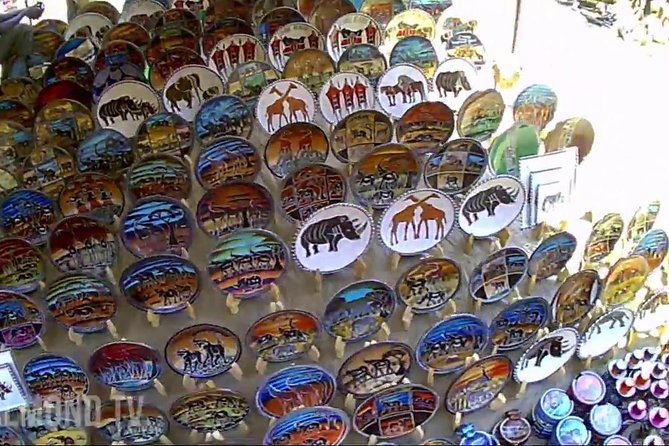
This is the place to get a broad sense of Kenyan and African craft styles before you start buying. You might find traditional fabric, ornaments, sculptures, artwork, and other handmade goods. The appeal is variety: you can look at many types of objects in one setting rather than committing to the first souvenir you see.
I like this stop as an opening because it helps you identify your taste. Perhaps you want a small ornament that fits in your luggage. Perhaps you are looking for a larger sculpture or a piece of fabric. The range lets you compare practical gifts with decorative pieces.
The main thing to remember is that this is a shopping stop, not a museum visit. You are there to browse and buy, and admission is free. If you want detailed background on every object, ask your guide specific questions rather than expecting a formal cultural presentation.
Take your time with workmanship. Check the finish, weight, size, and material before paying. For fragile pieces, ask how the item should be packed. Since the tour vehicle remains part of the outing, your guide can help you think through how easily a purchase can be carried or stored.
Kazuri Beads Factory and the Story Behind the Clay
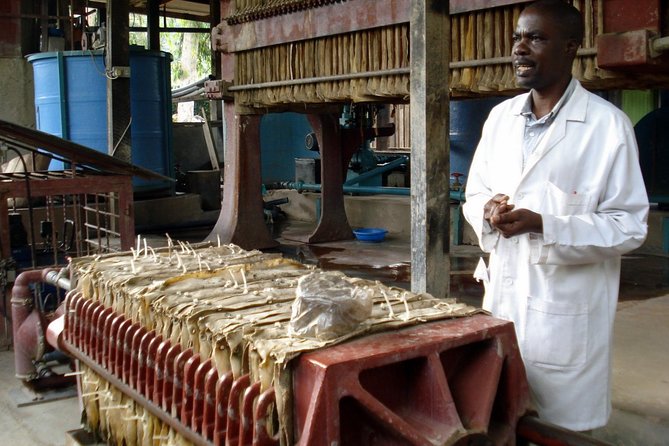
Kazuri Beads Factory is the most distinctive stop on the route. The name Kazuri means small and beautiful in Swahili, and the workshop began in 1975 as a small experiment in handmade ceramic beads.
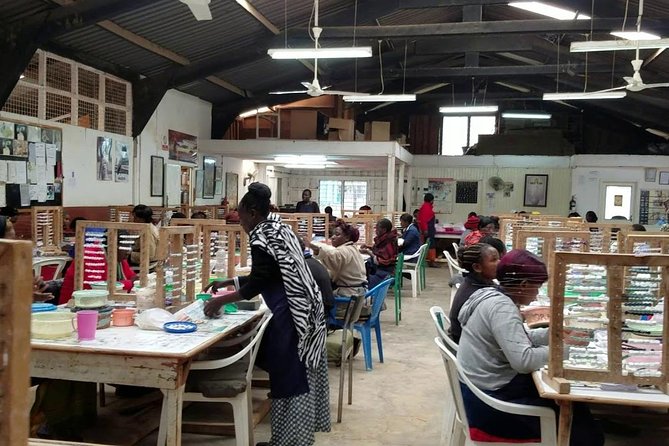
The business started with two single mothers. It later provided employment for other women in villages around Nairobi who needed regular work. That background gives the shopping a human connection that a standard souvenir store cannot easily provide.
The visit lasts about an hour and focuses on beads, pottery, and the process of making them. You may have the chance to learn about making jewelry and pottery from clay, depending on the visit arrangements. The handmade ceramic work is the central draw, so this is a good stop for anyone interested in how a finished ornament begins as raw material.
Some visits can also include singing and dancing by women and orphans connected with the bead-making experience. Because the information does not guarantee a performance at every departure, treat this as a possible part of the visit rather than a promise.
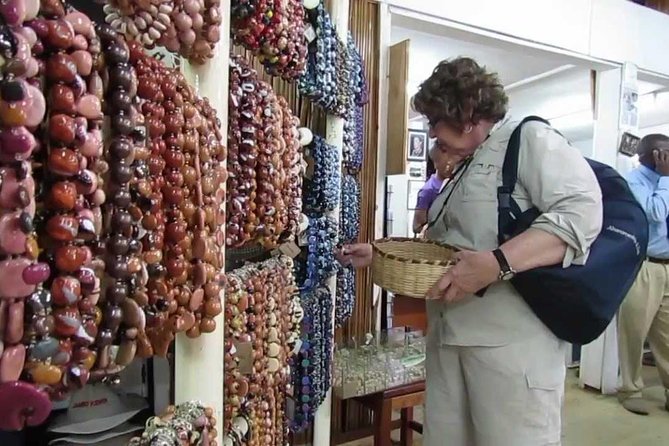
Kazuri is also a strong place to buy gifts with a clear connection to Nairobi. Small ceramic beads and jewelry are easier to pack than large carvings, and the story behind the workshop gives you something meaningful to share when you give them away.
You should still shop thoughtfully. Handmade items can vary slightly in shape, color, and finish. That variation is part of their character, but you should inspect clasps, edges, and joins if you are buying jewelry. Ask your guide for help if you want to understand the materials or production process.
A completely different kind of day out from Nairobi:
- Nairobi National Park Half-Day Tour; Free Wi-Fi connection
★ 5.0 · 878 reviews - Nairobi: National Park & Optional Elephants & Giraffe Center
★ 4.8 · 874 reviews - NAI NAMI: Nairobi Storytelling Tour with Street Children
★ 5.0 · 792 reviews - Nairobi National Park Half-Day Game Drive
★ 4.5 · 738 reviews
Galleria Mall and the Maasai Market
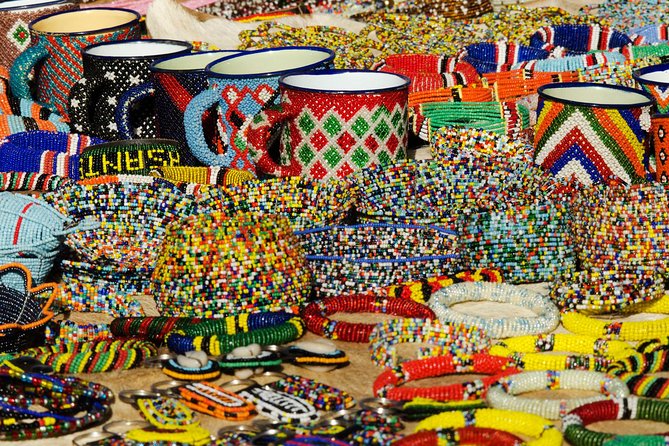
The final stop is the Maasai market at Galleria Mall. This visit lasts about an hour and brings a different shopping style from the first two stops.
The market is a useful place to practice bargaining. If you are not used to negotiating, begin politely, keep your tone friendly, and remember that walking away is part of the process. You do not need to bargain aggressively, and you should not treat every purchase as a contest.
Your driver-guide can help you understand the exchange and translate when necessary. That is useful if you want to ask about an item’s origin or material. It is also helpful if you are comparing similar goods across several stalls.
The market may appeal most to you if you want a traditional souvenir-shopping experience rather than a single workshop visit. You might find ornaments, fabric, jewelry, carvings, and artwork, with more room for browsing and negotiation.
The trade-off is that market shopping can take more effort. Prices may not be immediately clear, and you need to inspect goods carefully. Ask about the size and material of anything you buy, especially if you are looking for an item described as handmade or connected to a particular Kenyan culture.
The tour’s description points to goods made by Kenya’s 42 cultures. That does not mean every object at every stop represents all 42 cultures. It means the route introduces you to a wide range of Kenyan craft traditions, making it easier to choose something beyond the most familiar Maasai-themed item.
What the $25.65 Price Really Buys
At $25.65 per person, the price is reasonable if you value transport and guidance. You are paying for a private four to five-hour outing, hotel pickup and drop-off, and a driver-guide who can help with translation and shopping decisions.
The value is strongest when you are new to Nairobi, short on time, or uncomfortable arranging several stops yourself. A private vehicle also saves you from carrying purchases between shops or paying for separate rides.
The price does not cover drinks, beverages, or souvenirs. Set aside extra money for purchases, and do not assume that the listed cost includes any item you see at the craft centres or market.
The tour is also not designed as a bargain-only mission. If your sole aim is to find the lowest possible price, independent shopping and extensive comparison may suit you better. You will give up the convenience of the driver and the organized route, however.
I would judge the price by the time it saves. Three separate shopping areas, transport between them, and help with communication can easily justify the fee for a small private group. Group discounts may also be available, so the value improves when several people share the experience.
Guides, Translation, and the Personal Touch
The human side of this outing matters. Praise has focused strongly on guides named Jan, Celestine, and Jane, with particular attention to warm hosting, stories, and a friendly approach. You should not assume that one of these guides will lead your tour, but the comments show the type of service the operator aims to provide.
A good guide can change the entire shopping experience. Instead of silently walking past an unfamiliar object, you can ask where it comes from, how it was made, and what makes it different from similar pieces. Translation support also helps you communicate more clearly with sellers.
Because the tour is private, you can ask questions without worrying about holding up a large group. That is useful for families, couples, and small groups with different shopping interests.
The guide is not there to decide what you should buy. I recommend using the support for context and communication, then making your own choices. Look closely at each item, confirm the price, and buy only what you genuinely want.
Who Will Enjoy This Experience Most
I would recommend this outing to first-time visitors who want an easy introduction to Nairobi’s craft-shopping scene. It also fits well for people staying only a few days, since the route gives you several shopping settings in one morning.
Families may appreciate the private vehicle and the ability to leave bags in the car. Couples and small groups can also benefit from a flexible format where one person can browse jewelry while another looks at sculptures or artwork.
This tour suits you if you want:
- A guided way to find Kenyan souvenirs
- Help with translation during shopping
- Transport from and back to your hotel
- A private activity for your own group
- A mix of craft shops, a workshop, and a market
- An introduction to handmade beads, pottery, fabric, and artwork
It may not suit you if you dislike shopping, want a long cultural lecture, or prefer to spend the morning visiting major historical and wildlife attractions. The purpose here is clear: find good places to shop and learn a little about the makers and materials along the way.
Practical Advice for a Better Shopping Morning
Wear comfortable clothing for a half-day in and out of the vehicle, and keep your shopping list realistic. The schedule allows time at three stops, but not unlimited browsing.
Bring a payment method suitable for purchases, though the provided information does not specify which payment types each stop accepts. Keep valuables secure, and ask your guide for help if you are unsure about a price or product description.
If you plan to buy pottery or larger art, think about packing and transport before purchasing. Smaller beads, jewelry, fabric, and ornaments are usually easier to manage, but the right choice depends on what you want and how much room you have.
Since souvenirs are not included, decide in advance how much you want to spend. The driver can help you compare items, but you remain responsible for the final purchase.
Free cancellation is available if you cancel at least 24 hours before the 9:00 a.m. start time. Changes or cancellations made within 24 hours are not accepted for a refund, and the cutoff uses Nairobi local time.
Should You Book the Nairobi Cultural Shopping Experience?
Book it if you want a simple, private way to shop for Kenyan crafts without spending your own time researching locations or arranging transport. The strongest parts are the three-stop variety, the Kazuri bead-making connection, and the help offered by the driver-guide.
I would be most likely to choose it for a first Nairobi visit, a short stay, or a group that wants gifts without carrying bags through the city. The 4.9 rating from 21 ratings and 95 percent recommendation fit the tour’s clear strengths: friendly guides, convenient pickup, and a focused route.
Skip it if shopping is not part of your trip or if you prefer to bargain independently for a full day. For everyone else, $25.65 is a fair price for a private morning that combines practical transport with a closer look at Kenyan handmade goods.
FAQ
How much does the Nairobi Cultural Shopping Experience cost?
The price is $25.65 per person. Group discounts are offered.
How long does the experience last?
The tour lasts approximately four to five hours.
What time does the tour start?
The scheduled start time is 9:00 a.m.
Is hotel pickup included?
Yes. Hotel pickup and drop-off are included.
Is transportation provided between the shopping stops?
Yes. A driver-guide provides transportation during the private activity.
Which places does the tour visit?
The stops are Utamaduni Craft Centre, Kazuri Beads Factory, and the Maasai market at Galleria Mall.
Are entrance tickets included?
Admission tickets are free at the listed stops.
Are souvenirs included in the price?
No. Souvenirs are available for purchase but must be paid for separately.
Can the driver help with translation?
Yes. The driver is available to help translate when needed.
Is this a private tour?
Yes. Only your group participates in the activity.
Can most people participate?
Yes. Most people can participate according to the provided tour information.
What is the cancellation policy?
You can cancel at least 24 hours before the start time for a full refund. Cancellations or changes made less than 24 hours before the start time are not refunded or accepted.
Just added around Nairobi
- Nairobi: Giraffe Center, Elephant Orphanage and Bomas Tour★ 5.0 · 3 reviews
- Nairobi: Airport and Hotel Private Transfers.★ 4.0 · 3 reviews
- 11-Days Best of Kenya & Tanzania Big 5 Safari on a 4×4 Jeep★ 5.0 · 3 reviews
- Kitengela Anselm Hot Glass tour★ 4.5 · 3 reviews
- NAIROBI NATIONAL PARK AFTERNOON GAME DRIVE.★ 5.0 · 3 reviews
- 12-Day Tsavo west Amboseli lake Nakuru Maasai Mara safari★ 5.0 · 3 reviews
- Nairobi Down Town & Walking City Tour★ 4.8 · 3 reviews
- Carnivore Resturant Dinner Experience★ 4.0 · 3 reviews
Shopping Tours, compared.

Traditional Kenyan Cooking Class & Local Market Tour
Read our review →
Nairobi souvenir Shopping and Historical Half day Tour
Read our review →
Memorable Daily KIBERA Slums/Toi Market Tour with Locals (2 hours)
Read our review →
Mombasa City Tour,Fortjesus,Oldtown,Tusks and Spice Market.
Read our review →
Half-Day Nairobi National Park and Maasai Market with Pick up
Read our review →
Authentic Kenyan Cooking Class & Market Tour in Nairobi
Read our review →
Nairobi cultural souvenir shopping tour with a local
Read our review →
Nairobi Guided Cultural Shopping Experience Day Tour
Read our review →Browse the lists this tour appears in