
Reviewed · TOURS
NAI NAMI: Nairobi Storytelling Tour with Street Children
Nairobi has stories you will not find in a museum. This small-group walk brings you through downtown with former street children who explain how they survived, where they slept, and how the Nai Nami project helped them build working lives. I like the personal storytelling and the chance to see ordinary city places through the guides’ own memories. I also like that your $45 includes a local lunch and soft drinks. The main consideration is that this is an emotionally heavy experience, and the crowded streets require care with your belongings.
The tour lasts about two and a half hours and takes no more than eight people, so you should have time to ask questions. Guides such as Typhoon, Priest, Quick, King, Tsunami, Moses, and Cheddar have been praised for their warmth, humor, and attention to safety. Still, do not expect a gentle sightseeing stroll: Nairobi is presented honestly, including poverty, street survival, and difficult personal stories.
In This Review
- Key points to know before you book
- Why Nai Nami offers a different view of Nairobi
- Meeting at the Hilton and setting out on foot
- The National Archives, where the stories begin
- Memorial Park and a difficult chapter of Nairobi
- The big statue and the limits on photography
- Crossing the railway station and hearing about cold nights
- Karikor market, once a home base
- Jeevanjee Gardens and the return downtown
- Lunch is part of the experience, not an afterthought
- Is $45 a fair price?
- Safety, comfort, and respectful behavior
- Who will appreciate this tour most?
- Should you book Nai Nami?
- FAQ
- Where does the Nai Nami tour start?
- Where does the tour finish?
- How long does the tour last?
- How many people can join the tour?
- What does the $45 price include?
- What should I bring and wear?
- Is there an age requirement?
Key points to know before you book

- Former street children lead the walk: Your guides share first-hand memories of the streets and the work Nai Nami does to create income and a future for disadvantaged young people.
- The route covers central Nairobi on foot: You begin at the Hilton Hotel, pass the National Archives, Memorial Park, the railway station, Karikor market, and Jeevanjee Gardens.
- The group is limited to eight people: This matters because the tour depends on conversation, questions, and direct contact with the guides.
- A Kenyan meal is included: Lunch and soft drinks are part of the $45 price, giving you a simple taste of local food after the walk.
- Security is taken seriously, but you remain responsible: The guides help the group move through crowded areas, yet you should keep phones, wallets, and passports secure.
- Bring the right essentials: Wear sturdy shoes, carry passport identification, leave flashy jewelry at home, and use a phone instead of a camera.
Why Nai Nami offers a different view of Nairobi
Nai Nami means Nairobi with me. That name captures the idea behind the experience: you are not simply being shown buildings and streets. You are being led through places that formed the lives of the people walking beside you.
The project aims to give young people from slums a job, income, and a future. Your payment supports that model directly by paying guides for their work, rather than treating poverty as a sightseeing display. That distinction matters. You are paying for time, labor, and personal stories, while the guides gain a legitimate way to earn money and speak for themselves.
The tone is likely to be open and direct. You can ask about street life, cold nights, survival, and the changes that helped the guides move forward. The experience is not designed to make hardship look picturesque. It asks you to listen, look carefully, and think about how people build a life after severe disadvantage.
The 4.9 rating from 792 reviews and 99 percent recommendation figure suggest that the format has worked very well for many people. I would still treat those numbers as a guide, not a promise. A tour built around personal trauma can affect people in different ways. You should book it because you want honest conversation, not because you want a quick list of Nairobi landmarks.
A few more trips worth weighing up
- Nairobi National Park Half-Day Tour; Free Wi-Fi connection
★ 5.0 · 878 reviews - Nairobi: National Park & Optional Elephants & Giraffe Center
★ 4.8 · 874 reviews - Nairobi National Park Half-Day Game Drive
★ 4.5 · 738 reviews
Meeting at the Hilton and setting out on foot

The meeting point is in front of the Bata shop at the Hilton Hotel on Watalii Lane in Nairobi’s central business district. The Hilton sits near the KICC tower, so it is an easy central reference point, but hotel pickup and drop-off are not included.
The tour starts in the city center and ends at the same meeting point. Since you walk for much of the two and a half hours, good shoes are essential. The operator specifically advises against sandals and high heels, which is sensible for uneven pavement, crowded sidewalks, and a route that keeps moving through busy sections of town.
Your group can have a maximum of eight people. That small size is one of the tour’s strongest practical features. You should be able to hear the guides, ask personal questions, and keep close to the group without the slow shuffle of a large organized walk.
You need to carry either your original passport or a copy of the main page and the page showing your visa stamp. This is an unusual requirement for a city walk, so prepare it before you arrive. The advice about valuables is equally practical: skip flashy jewelry and keep your bag and pockets under control.
The National Archives, where the stories begin
One of the first notable stops is the National Archives. The building itself is a central Nairobi sight, but the important part of this visit is what it means to the guides.
This is described as one of the places where their life stories began while they were living on the streets. The stop turns a familiar downtown building into a personal marker. Instead of hearing a general account of street children in Kenya, you hear how real people experienced this particular part of town.
That personal setting can make the story more memorable, but it may also make the first part of the tour intense. You are not just passing a landmark and taking a photograph. You are listening to someone connect a public place with hunger, fear, survival, and the search for safety.
The guides have different personalities. Typhoon is praised for his energy and city knowledge. Priest, Quick, King, Tsunami, Moses, and Cheddar also appear among the people who may take part. The exact combination of guides can vary, but the strength of the tour comes from their shared purpose and individual memories.
Memorial Park and a difficult chapter of Nairobi

The walk continues toward Memorial Park, a place associated with a tragic event in Nairobi. The itinerary does not treat this as a long history lecture. Instead, it adds another layer to the city, moving from the guides’ private experiences to a public event that affected Nairobi as a whole.
You may pause here to hear why the site matters and how it fits into the city’s memory. This is a useful reminder that Nairobi cannot be understood through cheerful attractions alone. Public spaces often carry grief as well as daily life.
The tone can shift quickly on this tour. One moment you are learning how the guides navigated the city as children. The next, you are standing in a place connected to a national tragedy. If you prefer light sightseeing, this may feel too serious. If you want a fuller picture of Nairobi, it is an important part of the route.
A completely different kind of day out from Nairobi:
- Nairobi: Historic and Modern Highlights Walking Tour
★ 4.8 · 703 reviews - Safari Tour; Nairobi National Park
★ 4.5 · 594 reviews - 3 Days Masai Mara Group Joining
★ 5.0 · 486 reviews - Elephant Orphanage and Giraffe Center Tour with Options
★ 4.5 · 457 reviews
The big statue and the limits on photography

The walk includes a chance to take a picture of a large statue. That sounds simple, but you should follow the photography rules carefully.
The tour advises you not to bring a camera because taking pictures in town is not allowed. A phone is fine, so you can use it for the permitted photo opportunity, but do not assume you can photograph people, markets, buildings, or street scenes whenever you wish.
This restriction is practical and respectful. Downtown Nairobi is a working city, not a stage set. The guides know where photography is acceptable and where it could attract unwanted attention. Put the camera away and listen to their instructions.
You may find that leaving the camera in your bag improves the experience. The focus stays on conversation rather than collecting images. Keep your phone secure when you are not using it, especially in crowded areas.
Crossing the railway station and hearing about cold nights

The railway station is another meaningful stop. Here, the guides explain how they survived cold nights on the streets.
This is where the tour’s title becomes especially clear. The railway station is not just transportation infrastructure. For the guides, it formed part of a daily survival system. Their stories can help you understand how children without stable homes used public places for shelter, companionship, and protection.
The value of this stop lies in the details that a standard city tour would miss. You may learn how the guides found warmth, how they stayed together, and what risks they faced. These are personal accounts, not abstract statistics.
The station also shows you how close difficult living conditions can be to the formal center of a major city. Nairobi’s hotels, offices, public buildings, transport links, and informal survival networks exist side by side. The walk makes that contrast hard to ignore.
Keep your group close here and throughout the route. The guides have been praised for watching out for people in the group and helping them move through the streets. That support is reassuring, but you still need to use normal big-city caution.
Karikor market, once a home base

The route then passes through the Karikor area and its large market. This was once a home base for the guides when they lived on the streets.
For you, the market offers a view of working Nairobi. For the guides, it carries memories of where they slept, found food, met others, and learned how to survive. The difference between those two viewpoints is the heart of the experience.
Do not expect a polished market visit arranged only for sightseeing. The area is part of the city’s daily business, and the walk may feel crowded and rough around the edges. That is also why it can be so useful. You see a place functioning as a market while learning how it once functioned as a refuge for children with nowhere else to go.
The guides’ familiarity with this part of town adds a layer of confidence. They know people along the route, and several accounts describe friendly greetings from local contacts. Even so, keep your hands free, your bag closed, and your valuables out of sight.
Jeevanjee Gardens and the return downtown

On the way back, you pass Jeevanjee Gardens. This gives the walk a calmer closing point after the more difficult stops around the railway station and market.
The gardens help bring the route back toward the central meeting point. You can use this final section to ask questions that came to mind earlier, especially if the group has been processing emotional stories. The guides’ humor and friendliness often help balance the serious subject matter.
The return to the Hilton area makes the tour easy to fit into a Nairobi day. It does not include hotel transport, but it begins and ends in the same central location. You can plan another activity afterward without arranging a second pickup.
Lunch is part of the experience, not an afterthought
A local lunch and soft drinks are included in the price. The meal comes after the walking portion and gives you a chance to sit down, eat Kenyan food, and continue talking with the guides.
Food adds practical value to a short tour. At $45 per person, you are not paying only for two and a half hours of walking. You are also supporting the guides’ work, receiving personal guiding in a tiny group, and getting a local meal.
The available information does not specify the exact dishes or restaurant, so you should not book this expecting a particular menu. You can expect local Kenyan food, but anyone with dietary restrictions should ask the operator before booking.
The lunch also gives the tour a natural finish. Rather than ending abruptly at the final landmark, it leaves room for conversation and reflection. Several people have especially appreciated the meal as a chance to try authentic local food.
Is $45 a fair price?
I think the price is reasonable for this type of experience. A standard sightseeing walk might give you more formal commentary about buildings, but Nai Nami offers something different: a maximum group size of eight, guides with direct experience of the subject, a personal route through central Nairobi, lunch, and soft drinks.
The price also supports the project’s stated aim of providing disadvantaged young people with paid work and a future. That does not make the tour automatically worthwhile, but it gives your spending a clear social purpose.
Value depends on what you want. If your priority is a long list of monuments, a professional lecture, or plenty of photography, you may find better options elsewhere. If you want an honest conversation with people who know the streets personally, the cost is easier to justify.
The tour is commonly booked about 28 days ahead, so I would not leave it until the last moment if your Nairobi schedule is fixed. Mobile ticketing makes the booking simple, and confirmation is provided at the time of booking.
Safety, comfort, and respectful behavior
The tour takes place in crowded parts of Nairobi. The guides help keep the group together, direct you through the city, and watch out for your safety. Several guide names, especially Typhoon, Priest, Quick, King, and Tsunami, are associated with friendly and careful hosting.
That support should not replace your own judgment. Keep your passport copy secure, avoid displaying expensive items, and carry only what you need. Use your phone discreetly and follow instructions about photography.
Wear walking shoes rather than fashion footwear. The minimum age is 14, and most people can participate, but the emotional subject matter is worth considering for younger teenagers.
Respect matters as much as practical preparation. Listen without treating the guides’ pasts as entertainment. Ask questions, but allow them to decide how much they want to share. The best exchange is personal without becoming intrusive.
Who will appreciate this tour most?
I would choose this experience if you want:
- A small group and direct conversation
- A personal look at central Nairobi
- First-hand stories about street survival
- A tour that supports paid work for former street children
- Local food included in a short city outing
- A more serious experience than a conventional sightseeing walk
You may want to skip it if you dislike emotionally difficult subjects, need a fully private tour, or want to take photographs throughout the walk. It is also not the best choice for anyone unwilling to walk through crowded urban areas or follow strict advice about valuables.
Families with teenagers aged 14 and older may find it meaningful, provided the young person is ready for frank discussion of poverty and hardship. Solo visitors and couples should benefit from the small group, especially since the guides make a point of keeping people together.
Should you book Nai Nami?
Yes, if you want to meet Nairobi through human stories rather than landmarks alone. The strongest reasons to book are the guides’ first-hand accounts, the tiny group size, the careful support in crowded streets, and the chance to put your money toward a practical youth employment project.
Go with the right expectations. This is not a carefree photo walk, and it does not hide the city’s painful realities. Bring sturdy shoes, a passport copy, a phone instead of a camera, and an open mind.
At $45, the experience offers solid value for a short tour with lunch and a clear social purpose. I would book it early, especially since it is often reserved several weeks ahead. Cancel at least 24 hours before the start time for a full refund. Cancellations or changes inside that window are not refunded or accepted.
FAQ
Where does the Nai Nami tour start?
It starts in front of the Bata shop at the Hilton Hotel on Watalii Lane in Nairobi’s central business district, near the KICC tower.
Where does the tour finish?
The walk ends back at the same meeting point near the Hilton Hotel. Hotel pickup and drop-off are not included.
How long does the tour last?
The experience lasts approximately two hours and 30 minutes.
How many people can join the tour?
The maximum group size is eight people.
What does the $45 price include?
The price includes a personal guide, local lunch, soft drinks, and lunch. Hotel transportation is not included.
What should I bring and wear?
Wear good walking shoes and carry either your original passport or copies of the main passport page and the page showing your visa stamp. Leave flashy jewelry and other valuables at home. Use a phone rather than bringing a camera.
Is there an age requirement?
The minimum age is 14. Most people can participate, but you should be comfortable walking through crowded downtown areas and hearing serious stories about life on the streets.
Just added around Nairobi
- Nairobi: Giraffe Center, Elephant Orphanage and Bomas Tour★ 5.0 · 3 reviews
- Nairobi: Airport and Hotel Private Transfers.★ 4.0 · 3 reviews
- Kitengela Anselm Hot Glass tour★ 4.5 · 3 reviews
- 11-Days Best of Kenya & Tanzania Big 5 Safari on a 4×4 Jeep★ 5.0 · 3 reviews
- 12-Day Tsavo west Amboseli lake Nakuru Maasai Mara safari★ 5.0 · 3 reviews
- NAIROBI NATIONAL PARK AFTERNOON GAME DRIVE.★ 5.0 · 3 reviews
- Nairobi Down Town & Walking City Tour★ 4.8 · 3 reviews
- Carnivore Resturant Dinner Experience★ 4.0 · 3 reviews
Tours, compared.

Nairobi National Park Half-Day Tour; Free Wi-Fi connection
Read our review →


Elephant Orphanage and Giraffe Center Tour with Options
Read our review →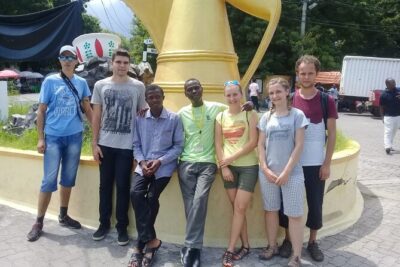
Walking Tour Through Old Town Mombasa and Fort Jesus
Read our review →
Day Tour to Amboseli National Park & Maasai Village
Read our review →
Tour: Giraffe Center and Nairobi National Park
Read our review →