
Reviewed · GIRAFFE CENTRE VISITS
Elephant Orphanage and Giraffe Center Tour with Options
Nairobi puts wildlife close to the city. This full-day outing brings you to the David Sheldrick Wildlife Trust, the Giraffe Center, and Kazuri Beads Factory, with optional stops at Nairobi National Park, the Karen Blixen Museum, or Bomas of Kenya. I like the close-up animal encounters, especially the sight of baby elephants racing in for milk. I also like the mix of wildlife and local craft, which gives the day more meaning than a simple photo stop.
The main caution is cost and timing. The advertised price is $35 per person, but anyone visiting the elephant orphanage must also pay the Nairobi National Park conservation fee through eCitizen: $80 for adults and $40 for children. Traffic can stretch the 6 to 8-hour outing, and the optional stops may make the day feel long.
In This Review
- Key points to know before booking
- A long Nairobi morning with hotel pickup
- Feeding Rothschild’s giraffes at the Giraffe Center
- The emotional visit to the David Sheldrick Wildlife Trust
- Nairobi National Park: optional safari with real animal sightings
- Kazuri Beads Factory and the question of souvenirs
- Karen Blixen Museum and Bomas of Kenya options
- What the $35 price really gives you
- Timing, comfort, and who should book
- Should you book this Nairobi wildlife tour?
- FAQ
- How long does the tour take?
- What is included in the tour price?
- Is the Nairobi National Park fee included?
- How much is the park conservation fee?
- Can I feed the giraffes?
- What happens at the elephant orphanage?
- Are food and drinks included?
- What languages are available?
- Can I cancel or pay later?
Key points to know before booking
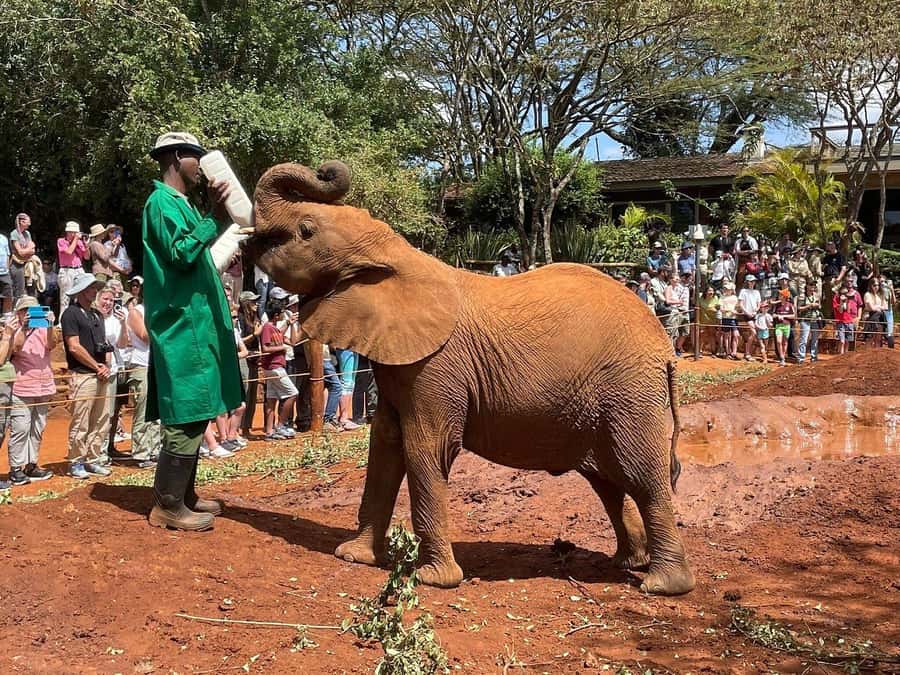
- Baby elephants run in for feeding: The youngest elephants receive milk first, followed by older calves that can hold their own bottles with their trunks.
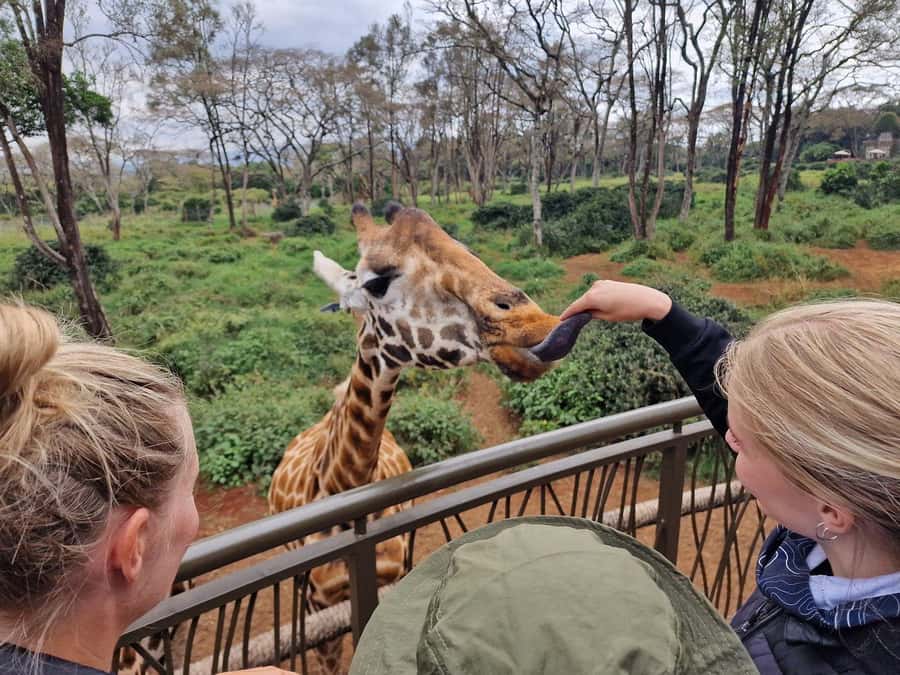
- Giraffe feeding is hands-on: At the Giraffe Center, you can feed Rothschild’s giraffes from a raised platform.
- The park fee is a major extra: Entry to the elephant orphanage requires a separate Nairobi National Park conservation payment.
- Kazuri is more than a shop: You can see local women making ceramic beads and pottery, though prices may be high for simple souvenirs.
- Guides make the difference: Guides such as Jonathan, Isaac, Ben, Charles, Gilbert, Kelvin, and Patrick are praised for being friendly, flexible, and well-informed.
- Optional activities change the whole day: A Nairobi National Park game drive adds real safari potential, while Bomas or Karen Blixen offer a cultural and historical side trip.
A long Nairobi morning with hotel pickup
The tour begins with pickup from your Nairobi hotel and round-trip transport. That saves you the trouble of arranging several rides across the city, a real benefit in Nairobi, where traffic can turn a short distance into a slow crawl.
The vehicle collects other people in some departures, so the first part of the morning may take longer than expected. One pickup was delayed by about 40 minutes because of traffic, but the company arranged a taxi so the visitor could still meet the group. Another group spent about an hour and a half reaching the elephant center after hotel pickups.
I would plan for a flexible day rather than a tightly timed schedule. The listed duration is 6 to 8 hours, but a game drive, museum visit, lunch, or heavy rush-hour traffic can push the outing longer.
Guides are one of the strongest parts of the experience. Jonathan receives repeated praise for his patience, humor, animal knowledge, photography help, and ability to adjust plans. Other guides named by name include Isaac, Jay, Ben, Nicholas, Charles, Steve, Patrick, Kelvin, Kevin, Calvin, and Gilbert. The best guides do more than drive. They explain Kenya’s wildlife work, keep the group informed, and try to help you get good viewing spots.
More elephant orphanage visits:
- Nairobi National Park, Elephant Orphanage and Giraffe Centre
★ 4.6 · 365 reviews - From Nairobi: Elephant Orphanage and Giraffe Center Day Trip
★ 4.5 · 235 reviews - Elephant Orphanage & Giraffe Centre Tour
★ 4.5 · 225 reviews
Feeding Rothschild’s giraffes at the Giraffe Center
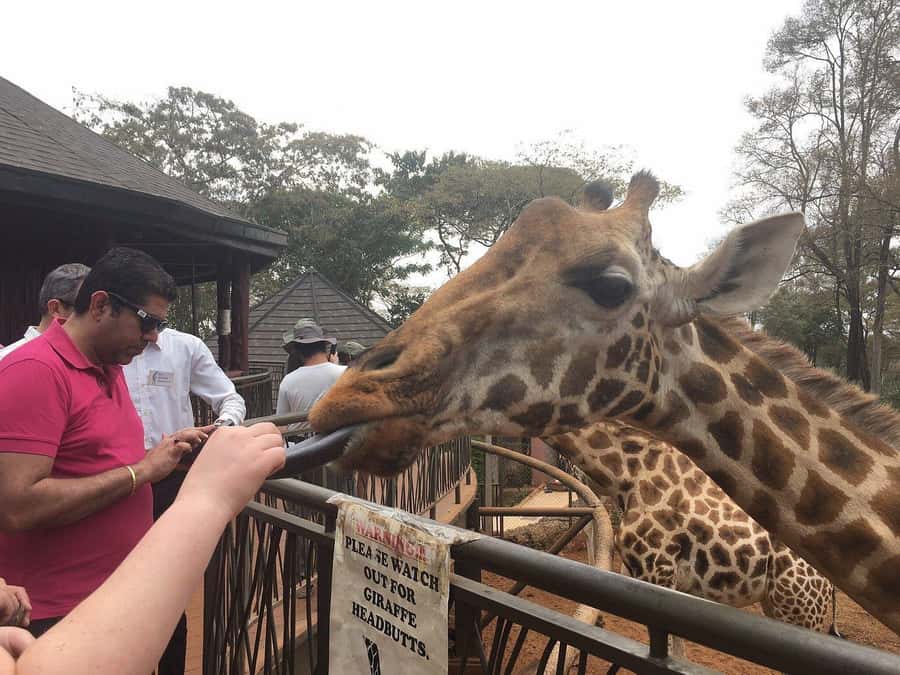
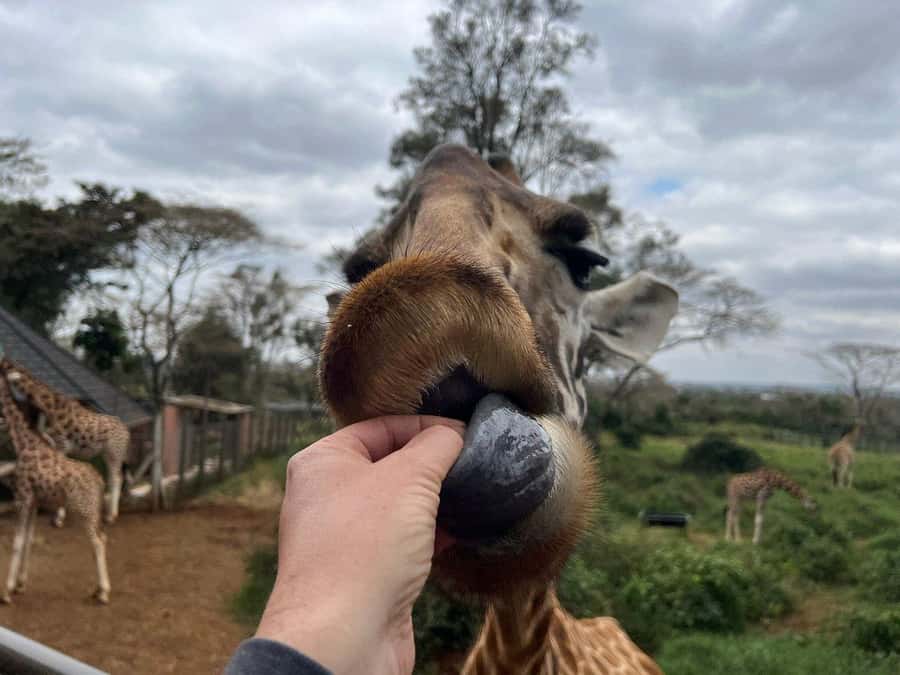
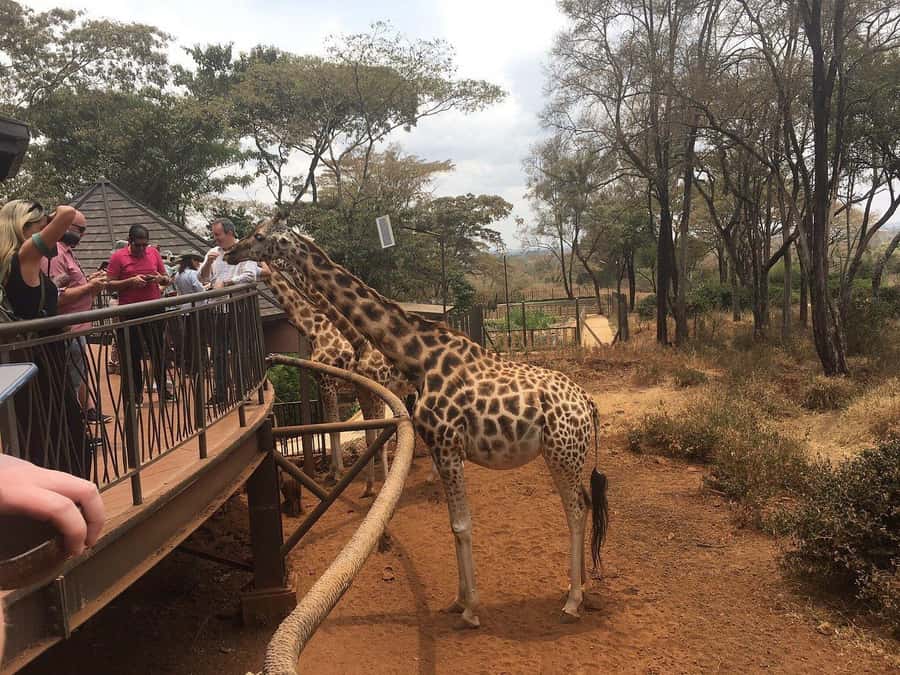
The Giraffe Center is usually one of the most playful stops. It protects and teaches people about endangered Rothschild’s giraffes, a subspecies native to parts of Kenya. You see the giraffes from a raised platform and may feed them by hand.
The encounter is close and easy to enjoy. A giraffe’s head comes down toward the platform, its long tongue reaches for food, and its height becomes much more impressive when it is only a few feet away. This is especially appealing for families and anyone who wants an animal encounter without committing to a long safari.
The center also gives the guide a chance to explain conservation work. That context matters. You are not simply posing beside a giraffe. You are seeing an institution built around protecting a threatened local animal and teaching the public why it needs protection.
Still, this is a managed setting, not open-country wildlife viewing. If you want a quiet, wild encounter, the Giraffe Center may feel busy or staged. The feeding experience is brief, and the quality of the visit depends partly on crowd levels and where your guide positions you.
Bring a phone or camera, but keep your attention on the giraffes. Guides often help with photos, and Jonathan was specifically praised for patiently taking many pictures. The platform can be a good place for family photos, but it is also worth stepping back to watch the animals interact rather than treating the stop as a quick selfie session.
The emotional visit to the David Sheldrick Wildlife Trust
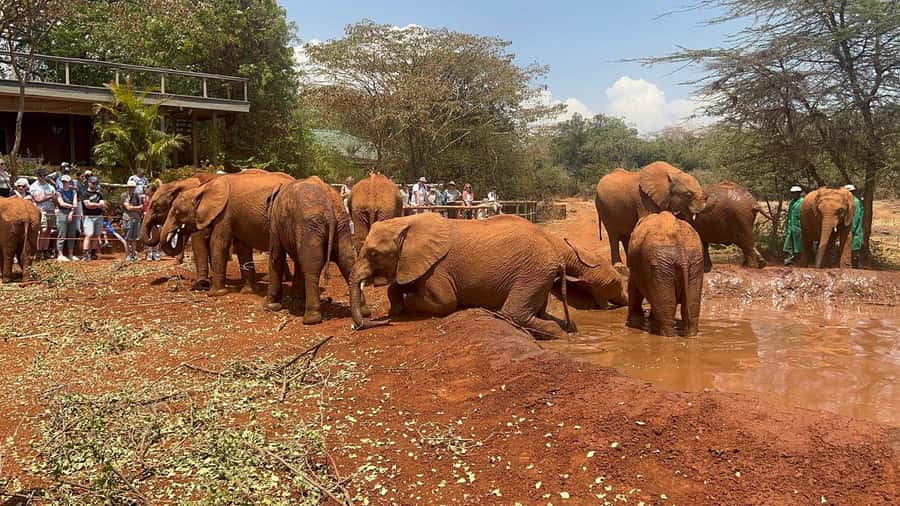
The elephant orphanage is the heart of the day. It cares for young elephants rescued after losing their mothers, often because of poaching, conflict, or other dangers. The goal is rehabilitation and eventual return to the wild, not permanent display.
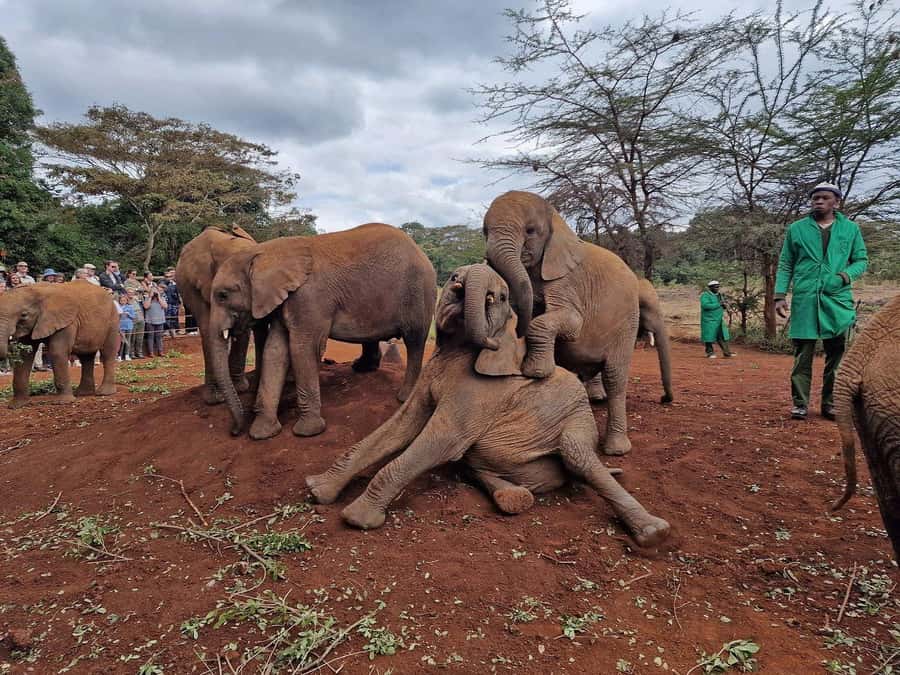
The feeding presentation follows an age-based routine. The smallest elephants are tenderly fed milk by their keepers. The older calves, around two or three years old, are learning to feed themselves and can grip large milk bottles with their trunks.
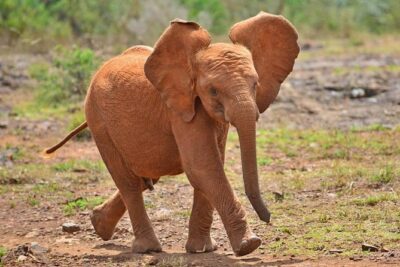
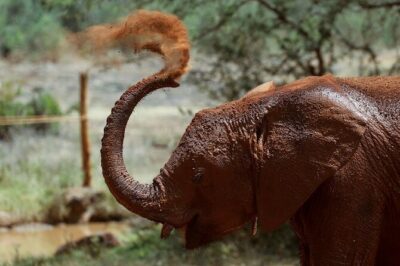
The most memorable moment is often the arrival of the elephants. They run toward the feeding area, playful and eager, then splash in the water and jostle around one another. Their behavior is lively and social, which makes the conservation message personal rather than abstract.
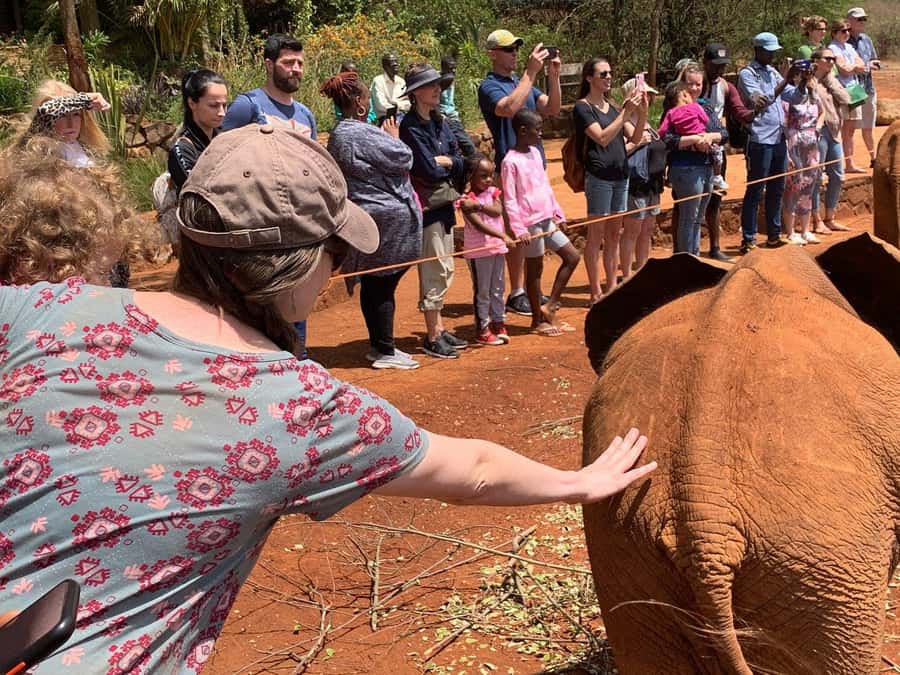
You should expect a group viewing area and a scheduled presentation rather than unlimited time with each animal. This is still a sanctuary, not a petting zoo. You do not wander freely among the elephants or handle them at will. One description mentions touching a baby elephant, but that should not be treated as a guaranteed part of every visit.
The orphanage sits inside Nairobi National Park. This creates an important surprise: you must pay the park conservation fee even if your main reason for entering is only the elephant sanctuary. The stated fee is $80 for adults and $40 for children, processed through Kenya’s eCitizen platform, and it is not included in the $35 tour price.
That extra charge can change the value calculation. For one person, the tour may still make sense because it includes hotel transport, a guide, and access to several attractions. For a family, however, the park fee can quickly become much more than the tour itself. Check the current payment process and total cost before booking.
The timing of this stop matters too. Arriving early can help you get a better viewing position. Patrick was praised for getting one group near the front and among the first through the entrance. Ask your guide about the exact order of stops, since some departures visit the park before the elephant presentation and others may arrange the day differently.
Nairobi National Park: optional safari with real animal sightings
The Nairobi National Park option can transform this from an urban attraction tour into a compact safari day. The park sits close to Nairobi, yet it can produce proper wildlife sightings.
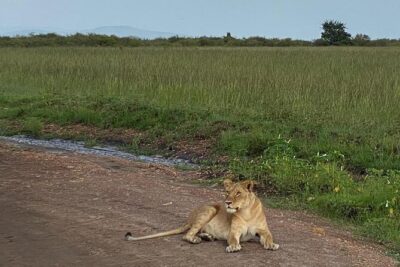
Reported sightings include zebras at a watering hole and a zebra crossing, rhinos along the roadside, baboons, ostriches, yellow-billed storks, antelope, ibex, hippos, crocodiles, water buffalo, and lions. One outing included a lion cub resting in the road, while another group saw tree-climbing lions. These sightings are never guaranteed, but the range shows why the game drive can be worth adding if you have not yet been on safari.
Some people use this option to fill time before the elephant feeding. A guide may take you through the park while waiting for the sanctuary schedule. That can be a smart use of the morning, especially if you hope to see rhinos or lions but do not have time for a longer safari outside Nairobi.
The park fee is separate from the tour price, and you should budget for it carefully. One visitor was surprised by paying close to $200 for a group’s park entrance charges and related card or service fees. The exact total can depend on party size and payment charges, but the basic point is simple: confirm the full amount before you go.
Pack water if the rules allow it, and ask the operator what can be carried inside. One early game drive left a group tired and thirsty because they could not bring water into the park. The guides later went out of their way to find water and coffee, but it is better to plan ahead.
More Giraffe Centre visits:
- Nairobi: National Park & Optional Elephants & Giraffe Center
★ 4.8 · 874 reviews - Tour: Giraffe Center and Nairobi National Park
★ 5.0 · 299 reviews - Nairobi national park and Giraffe center
★ 5.0 · 171 reviews - Day tour to Giraffe Center and Karen Blixen Museum
★ 4.5 · 168 reviews
Kazuri Beads Factory and the question of souvenirs
Kazuri Beads adds a useful local and human element to the day. The workshop is known for handcrafted ceramic beads, pottery, and jewelry made by local women.
You can see the process rather than just browse finished goods. The work involves shaping, drying, painting, and finishing beads and pottery, with intricate patterns created by hand. The visit helps you understand why these products take time and skill.
The atmosphere may include singing, dancing, and a warm welcome. One stop included a chance to dance with the women making beads, and another included traditional singing and dancing. That can be a cheerful break between wildlife visits.
I would separate the workshop from the shopping. The production demonstration is interesting and supports local artisans, but the retail prices may not suit every budget. A simple elastic bracelet was reported at $20, while a similar item might cost less elsewhere in Nairobi. You are not required to buy, so enjoy the craft explanation first and shop only if you find something you genuinely want.
This stop is especially useful if you want to take home a Kenyan-made object rather than a generic airport souvenir. Ask about the materials and workmanship, compare prices, and remember that buying directly can support the artists even when the price is higher.
Karen Blixen Museum and Bomas of Kenya options
The Karen Blixen Museum provides a quieter cultural addition. It sits at the foot of the Ngong Hills and focuses on the home and story associated with Karen Blixen, the author of Out of Africa.
The museum visit may be short, especially when it is added to a packed schedule. One person chose the museum while the rest of the group returned to their hotels, then had to wait about an hour for the vehicle to come back. If you select this option, clarify how the group transport will work after the museum and how long you will have there.
Lunch may be arranged near the Karen area, and one stop was praised for good food and a pleasant garden setting. Food and drinks are not included in the base tour, so bring money for lunch.
Bomas of Kenya offers a different kind of cultural experience. It presents traditional village styles linked to several Kenyan tribes and may include music and dance performances. The traditional African dance was a highlight for one visitor, making this a lively choice for anyone who wants culture alongside wildlife.
Bomas has occasionally been closed for renovation, with a game drive substituted instead. Ask about current availability before booking if this stop is the main reason you are choosing the option.
What the $35 price really gives you
At $35 per person, the base price is attractive for a day that includes hotel pickup, transport, a guide, the Giraffe Center if selected, the elephant orphanage if selected, and the Kazuri visit. You also get the convenience of combining attractions that would otherwise require separate rides and ticket arrangements.
The value is strongest when you want structure. Your guide handles the route, helps with timing, explains what you are seeing, and may assist with photographs. Guides have also adjusted plans, arranged replacement transport during delays, and added extra animal viewing when time allowed.
The price is less impressive once you add the Nairobi National Park fee. Since the orphanage requires park entry, the elephant visit is not really a $35 experience. Children cost less for the conservation fee, but adults should treat $80 as a serious part of the budget.
There are also optional upgrades, lunch costs, possible card charges, and souvenir spending. Read the options carefully and calculate the final total for your group. If you are comfortable arranging Uber rides and buying government tickets yourself, you may be able to visit the attractions independently. The tour earns its keep through convenience, coordination, and local guiding rather than through the entry price alone.
Timing, comfort, and who should book
This is a good fit for a first visit to Nairobi, a long layover with enough time, or a final day before flying home. It gives you animals, conservation, crafts, and optional culture in one organized outing.
Families should like the giraffe feeding and energetic elephant calves. Wildlife fans should add the Nairobi National Park drive if possible. People interested in local craft will get more from the Kazuri stop than someone focused only on animals.
You should allow for traffic and avoid scheduling an important flight too soon after the tour. Rush-hour traffic added about an hour to one return journey. The vehicle is described as comfortable and clean, but bottled water is not guaranteed, so ask ahead and carry water when permitted.
The tour is wheelchair accessible, and live guiding is available in English, Spanish, and French. Audio guides are also listed in those languages. Pets are not allowed.
Free cancellation is available up to 24 hours in advance, and you can reserve now and pay later. Those terms help if your Nairobi plans may shift, but they do not remove the need to check the separate park payment rules.
Should you book this Nairobi wildlife tour?
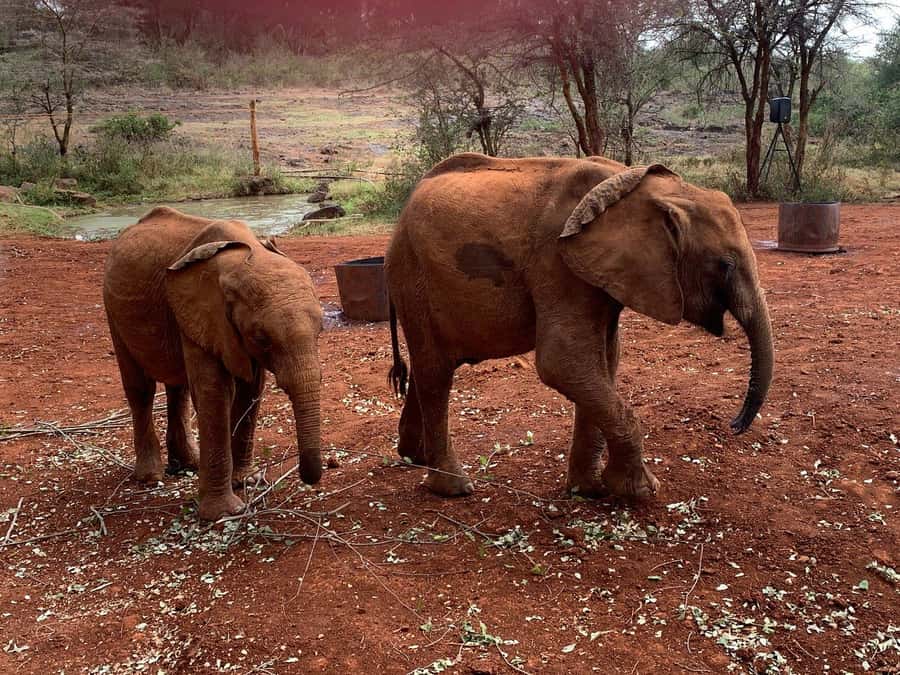
I would book it if you want the easiest way to combine baby elephants, giraffe feeding, and a local craft workshop in one day. The animal encounters are memorable, and a strong guide can turn a busy schedule into a personal introduction to Nairobi.
I would add the national park game drive if you have not had a safari elsewhere, but I would first confirm the full conservation fee. Choose Bomas for music and cultural performance, or Karen Blixen for a shorter historical visit.
Skip the package if you prefer moving independently, dislike group pickups, or are surprised by the park charge. For most first-time visitors, though, the transport and guiding make this a practical introduction to Nairobi, as long as you budget honestly and leave room for traffic.
FAQ
How long does the tour take?
The stated duration is 6 to 8 hours. Traffic, lunch, a game drive, and optional attractions can make the day longer.
What is included in the tour price?
Hotel pickup and drop-off, round-trip transportation, and a Kazuri Beads Factory visit are included. Entry tickets for attractions depend on the option selected.
Is the Nairobi National Park fee included?
No. Visitors to the elephant orphanage must pay the Nairobi National Park conservation fee separately through the eCitizen platform.
How much is the park conservation fee?
The supplied information lists the fee as $80 for adults and $40 for children. Additional payment or service charges may apply.
Can I feed the giraffes?
Yes. The Giraffe Center visit includes an opportunity to feed the Rothschild’s giraffes when that option is selected.
What happens at the elephant orphanage?
You watch rescued baby elephants receive milk and play in the water. The youngest are fed by keepers, while older calves around two to three years old can hold their own bottles.
Are food and drinks included?
No. Food and drinks are not included, so you should budget separately for lunch and refreshments.
What languages are available?
Live guides and audio guides are available in English, Spanish, and French.
Can I cancel or pay later?
You can cancel up to 24 hours in advance for a full refund. The reservation can also be made with payment later.
Just added around Nairobi
- Nairobi: Giraffe Center, Elephant Orphanage and Bomas Tour★ 5.0 · 3 reviews
- Nairobi: Airport and Hotel Private Transfers.★ 4.0 · 3 reviews
- 11-Days Best of Kenya & Tanzania Big 5 Safari on a 4×4 Jeep★ 5.0 · 3 reviews
- Kitengela Anselm Hot Glass tour★ 4.5 · 3 reviews
- 12-Day Tsavo west Amboseli lake Nakuru Maasai Mara safari★ 5.0 · 3 reviews
- NAIROBI NATIONAL PARK AFTERNOON GAME DRIVE.★ 5.0 · 3 reviews
- Nairobi Down Town & Walking City Tour★ 4.8 · 3 reviews
- Carnivore Resturant Dinner Experience★ 4.0 · 3 reviews
Giraffe Centre Visits, compared.
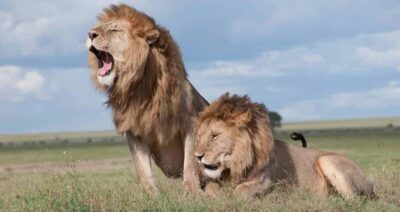
National Park & Optional Elephants & Giraffe Center
Read our review →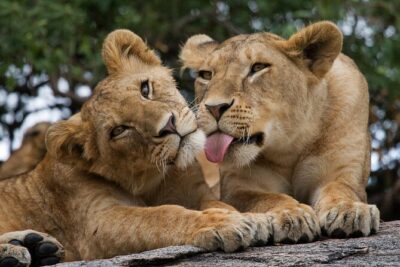
Nairobi National Park, Elephant Orphanage and Giraffe Centre
Read our review →
Tour: Giraffe Center and Nairobi National Park
Read our review →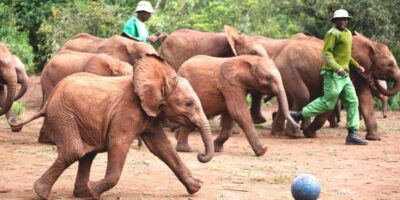
Day tour to Giraffe Center and Karen Blixen Museum
Read our review →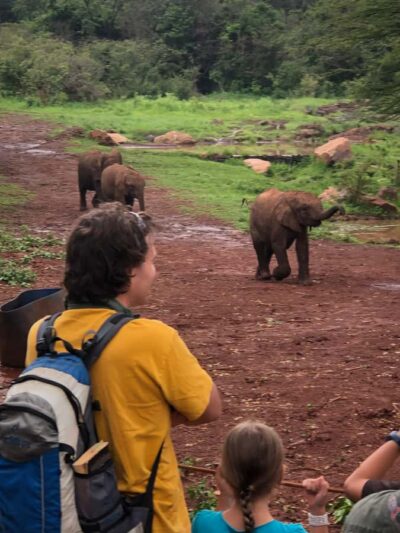
Browse the lists this tour appears in