
Reviewed · MARKETS
Explore local Market matatu ride & Make Kenyan Cuisines with a home cook
Food is often the fastest way into a culture. I like the local market stop because you do not just receive prepared ingredients, you help choose them, and I like the private cooking lesson because Josephine can give your group her full attention. The main consideration is that the experience uses public matatus, so you should be comfortable with local transport and a little movement between stops.
This four-hour Nairobi outing begins at the mall in Westlands, continues to a local market, and ends in Josephine’s home on David Osieli Road. You will prepare and eat a five-course Kenyan and Indian meal, with dishes that may include curries and ugali, a cornmeal staple. At $60 per person, the price is strongest for anyone who values personal contact, a meal, and a cultural activity in one package.
In This Review
- Key Details Before You Book
- Starting in Westlands and Getting Oriented
- Riding a Matatu Through Nairobi
- Choosing Produce at the Local Market
- Cooking Five Courses in Josephine’s Home
- Eating Lunch in a Kenyan Home
- What the Private Format Adds
- How Much Value You Get for $60
- Practical Points for the Day
- Who Will Enjoy This Experience Most
- Should You Book It?
- FAQ
- How long does the experience last?
- Where does the experience begin?
- Where does the experience end?
- Is hotel pickup and drop-off included?
- Is transportation to the market included?
- Is the cooking class private?
- Do I need to bring cooking equipment or ingredients?
- What food is included?
- Can I report a food intolerance?
- What is the cancellation policy?
Key Details Before You Book
- A real matatu ride: You travel to and from the market by local minibus rather than relying only on private tourist transport.
- A market-to-table meal: You help source fresh produce before using it in the cooking lesson.
- Private instruction: Only your own group participates, allowing Josephine to adjust the pace and guidance.
- Five courses included: The price covers the Kenyan and Indian meal, lunch, fruit, water, coffee, and tea.
- Josephine’s home kitchen: You cook and eat in a private Kenyan home, with a close look at everyday hospitality.
- Four hours in total: The experience suits a half-day in Nairobi, but hotel transport is not included.
Starting in Westlands and Getting Oriented
The meeting point is listed at P.O. Box 66283 in Nairobi, with the activity beginning at the mall in Westlands. The information provided does not name the mall, so I would confirm the exact meeting spot with Josephine before setting out. That small bit of planning matters in Nairobi, where a clear landmark can save time.
From Westlands, you head toward the local market. This first stage is not simply a transfer. It introduces you to the way the day will work: local transport, direct contact with vendors, fresh ingredients, and a meal built from what you help select.
The activity lasts about four hours, so the schedule should feel focused rather than drawn out. You will need to keep moving from the meeting point to the market and then to the home kitchen, but the route gives the outing a clear shape.
More market tours:
- Traditional Kenyan Cooking Class & Local Market Tour
★ 5.0 · 129 reviews - Memorable Daily KIBERA Slums/Toi Market Tour with Locals (2 hours)
★ 5.0 · 29 reviews - Half-Day Nairobi National Park and Maasai Market with Pick up
★ 5.0 · 16 reviews
Riding a Matatu Through Nairobi
The matatu ride is one of the most distinctive parts of this experience. Matatus are local minibuses used for everyday transport, and riding one gives you a closer look at ordinary movement around Nairobi than a standard private vehicle would.
Josephine accompanies your group to the market and also provides transportation to and from that stop. The ride lets you interact with the local setting before you sit down to cook. It may be more lively and less predictable than a private car, which is part of its value, but it also means this activity is better suited to people who want a local experience rather than a controlled tourist bubble.
You should expect the transport element to be part of the culture lesson. Josephine can explain what you are seeing and help you handle the practical side of the journey. One especially appealing feature is the chance to ride with her both ways, so the matatu is not just a one-off novelty.
If you prefer quiet, private transport or have difficulty with ordinary public transportation, this may not be the best match. For everyone else, it adds a useful sense of place and keeps the experience tied to daily Nairobi life.
Choosing Produce at the Local Market
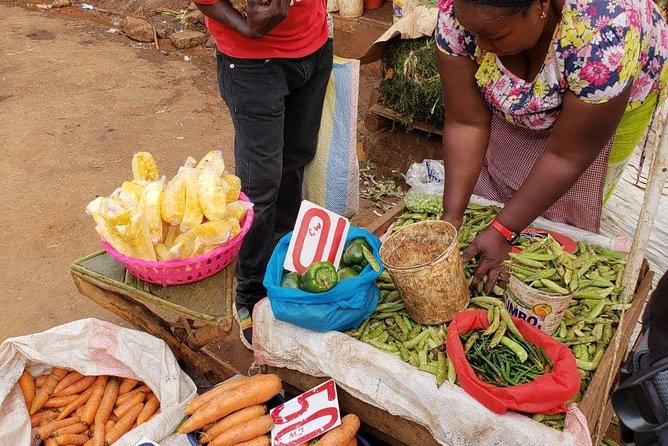
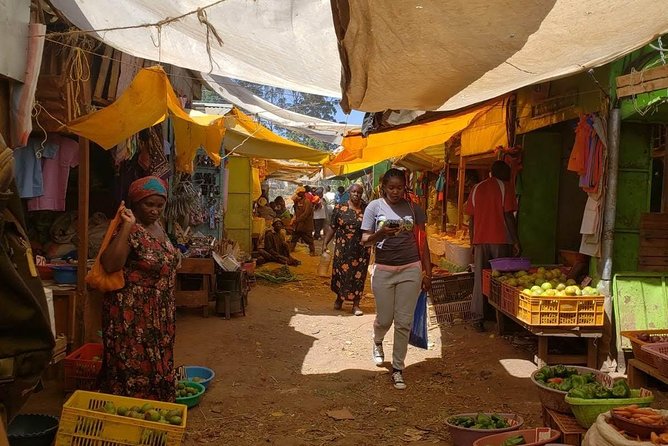
At the market, you help buy the fresh produce used for the meal. This gives you a practical role before cooking begins, and it helps explain how ingredients move from a neighborhood stall to a family kitchen.
You can interact with local vendors while Josephine guides the selection. The exact market and exact ingredients are not specified, so you should not expect a fixed shopping list. That flexibility is useful because the meal is built around Kenyan and Indian influences, and the produce available that day may shape the cooking.
A market visit also gives you context for flavors that can seem unfamiliar when presented only on a plate. You see the raw materials, discuss what you are buying, and then use them soon afterward. That connection makes the cooking lesson more useful than a class where every ingredient has already been measured and arranged.
The market is not described as a formal sightseeing stop with a set commentary program. Think of it as an active shopping visit. You are there to buy food, meet vendors, and prepare for lunch, not to tick off a list of monuments.
Cooking Five Courses in Josephine’s Home
After the market, you continue to Josephine’s home on David Osieli Road. Here the experience shifts from public Nairobi to a private setting, where you learn how food is prepared and served in a Kenyan home.
Josephine’s cooking is described as a personal passion, supported by hundreds of family recipes. That background matters because the class is not only about following instructions. It gives you a chance to learn family-style methods and the use of spices directly from the person preparing the food.
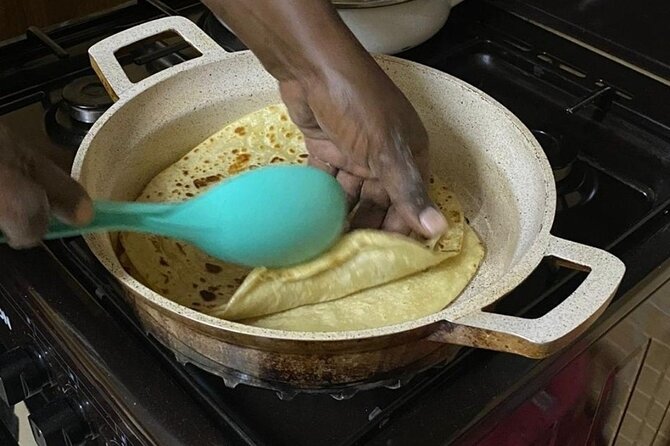
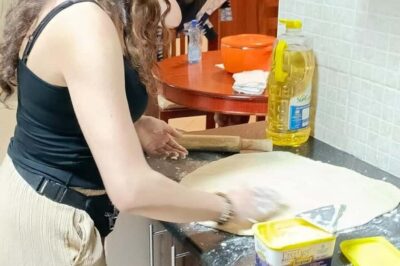
You will be encouraged to take part. Expect to get your hands dirty as Josephine takes you through the steps, rather than simply watching her cook. She provides the cooking equipment and ingredients, so you do not need to bring supplies.
The menu combines Kenyan and Indian influences. Curries may appear, along with ugali, a cornmeal dish that is central to many Kenyan meals. The full meal is described as five courses, though the individual dishes are not fixed in the information available. If you have food allergies, intolerances, or strong dislikes, tell Josephine before the activity so she can plan around them.
The spice lesson is likely to be one of the most useful parts for anyone who enjoys cooking at home. You get to see how flavor is built step by step, then eat the result while the process is still fresh in your mind.
A few more trips worth weighing up
- Nairobi souvenir Shopping and Historical Half day Tour
★ 5.0 · 61 reviews - Nairobi Cultural Shopping Experience
★ 5.0 · 21 reviews - Nairobi cultural souvenir shopping tour with a local
★ 5.0 · 12 reviews - Nairobi Guided Cultural Shopping Experience Day Tour
★ 4.0 · 12 reviews
Eating Lunch in a Kenyan Home
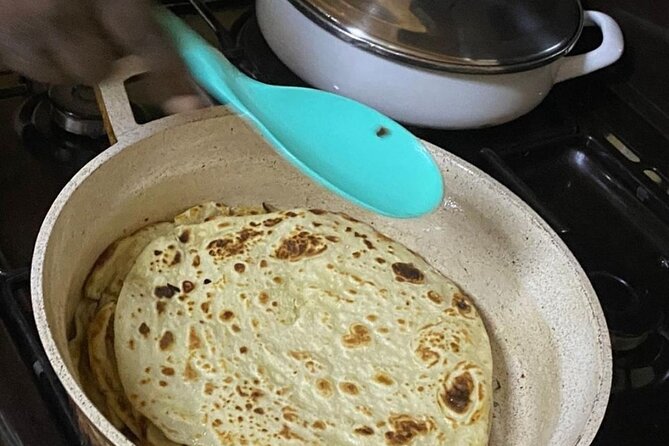
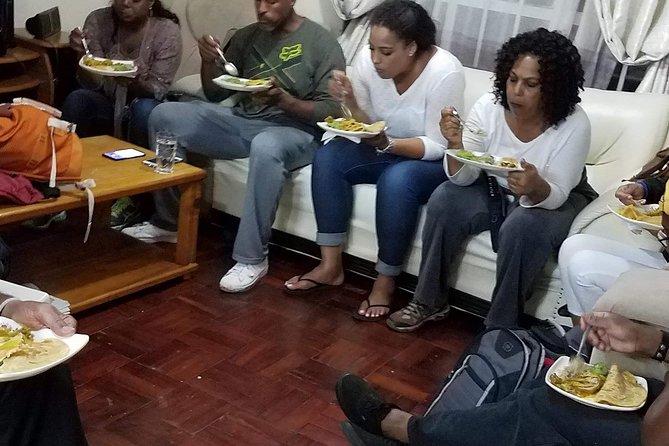
The meal is not an afterthought. Lunch, fruit, water, bottled water, coffee, and tea are included, and you eat the food prepared by your group. That makes the experience feel like a shared meal as well as a cooking class.
Eating in Josephine’s home gives you a different setting from a restaurant. You can see how food and hospitality work in a private household, with time to talk and enjoy the results in a peaceful environment. The activity is designed for your own party, so you do not have to share the cooking space or table with a large group.
One useful detail from the experience is its family-friendly tone. Josephine has a child and has been especially good with children, so families may find the class easier to manage than a formal lesson with strict rules. The cooking still requires attention, but children can have a direct role rather than sitting through a long demonstration.
The meal also gives you a chance to ask questions that might not come up during a standard city tour. Josephine is described as patient, funny, and willing to share insights about Kenyan culture. That combination should help the class feel relaxed while still offering more than a recipe sheet.
What the Private Format Adds
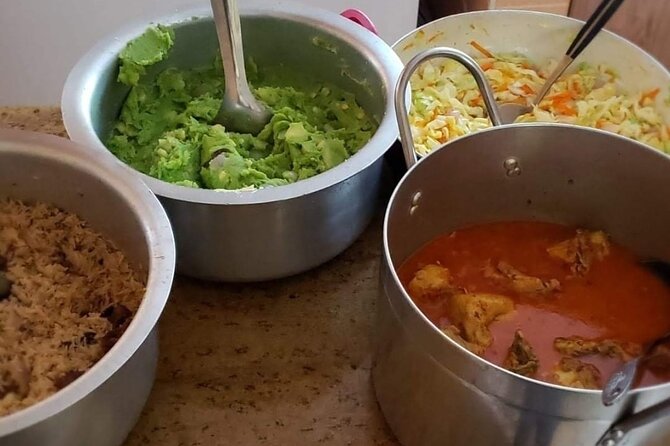
The private format is a major reason to consider this activity. Only your group takes part, so Josephine can focus on your questions, cooking level, and food needs.
In a large cooking class, it is easy to end up standing behind someone else or missing a key technique. Here, the promise of one-to-one guidance means you should have more opportunity to chop, stir, season, and ask why a dish is prepared in a certain way.
The private setup also suits different kinds of groups. A couple can treat it as a quiet food experience. Families can move at a pace that works for children. Friends can turn it into a shared lunch with a practical activity attached.
There is a tradeoff. A private home experience is less standardized than a commercial cooking school. The precise menu, order of preparation, and timing may depend on your group and the available produce. I see that as part of the personal appeal, but anyone looking for a tightly scripted class should keep it in mind.
How Much Value You Get for $60
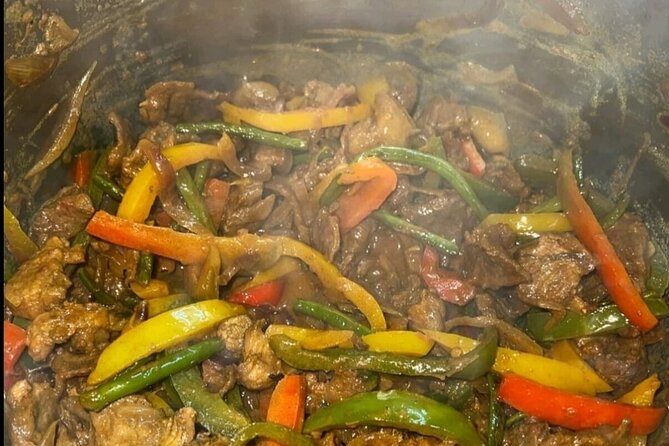
At $60 per person, this is not the cheapest way to eat lunch in Nairobi. The price becomes easier to justify when you count what is included: local transport to and from the market, market guidance, equipment, ingredients, a five-course meal, fruit, water, coffee, and tea.
You are also paying for Josephine’s time and personal instruction. The experience combines a market visit, public transport, a cooking lesson, cultural conversation, and lunch in one four-hour block. That is a solid package for someone who wants an activity rather than only a restaurant meal.
The value is strongest for a small private group. If you are mainly interested in eating Kenyan food, a restaurant may cost less. If you want to learn techniques, meet a local host, and take part in preparing the meal, this offers considerably more contact.
The average booking time is 18 days in advance. That suggests you should plan ahead, particularly if your Nairobi schedule is short or you need a specific date. Confirmation is provided at booking, and free cancellation is available when you cancel at least 24 hours before the start time.
Practical Points for the Day
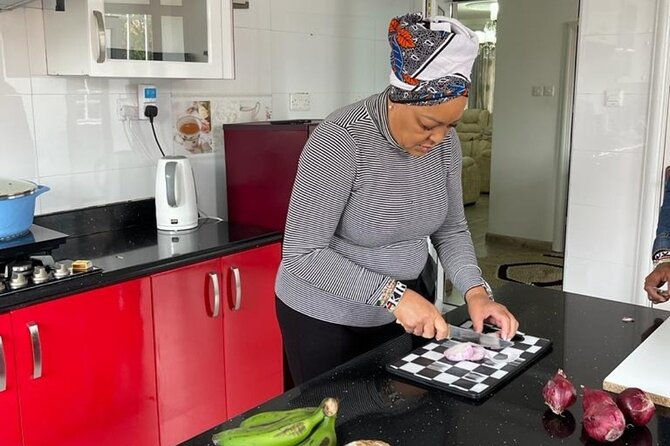
Hotel pickup and drop-off are not included. You are responsible for reaching the Westlands meeting point and arranging your onward plans after the activity ends at David Osieli Road. Confirm both locations before the day, since the start and end points are different.
The experience is near public transportation, and the matatu ride forms part of the program. You do not need to bring cooking equipment or ingredients. Water is supplied, and coffee and tea are included with the meal.
Tell Josephine about any food intolerance when you book. The cooking is hands-on, so wear clothing you do not mind using in a kitchen and be ready to participate rather than simply observe. The activity is private, but it still involves a market, local transportation, and movement through Nairobi.
Most people can participate, according to the available information. No special accessibility details are provided, so if you have mobility, dietary, or transport concerns, ask for clarification before booking.
Who Will Enjoy This Experience Most
I would recommend this for people who want direct contact with local life. It suits home cooks, food lovers, families, couples, and small groups who would rather prepare lunch with a host than sit through a standard sightseeing program.
It is also a good fit if you have already seen some of Nairobi and want an activity built around conversation and food. The market and matatu ride add local texture, while the home meal gives the day a calm finish.
Families should find the private setup helpful, especially because Josephine is comfortable with children. The hands-on format can give younger participants a real task, although parents should be prepared to supervise them during cooking and transport.
I would hesitate to recommend it to anyone who wants a luxury food tour, a fixed menu, or private vehicle transport throughout. It is a practical, personal experience, not a polished restaurant demonstration.
Should You Book It?
Book this if you want to understand Kenyan food by shopping for it, cooking it, and eating it in a Kenyan home. The matatu ride and market visit make the outing feel connected to everyday Nairobi, while Josephine’s patient teaching and private format give it a personal touch.
At $60, the experience offers good value when you want several activities in one half-day. Confirm the Westlands meeting point, allow for the separate end location, and tell Josephine about food intolerances in advance. If those details suit you, this is one of the more rewarding ways to spend four hours in Nairobi.
FAQ
How long does the experience last?
The experience lasts approximately four hours.
Where does the experience begin?
It begins at the mall in Westlands, Nairobi. The listed starting address is P.O. Box 66283, Nairobi, Kenya. Confirm the exact meeting spot before the activity.
Where does the experience end?
The listed end point is David Osieli Road, Nairobi, Kenya.
Is hotel pickup and drop-off included?
No. Hotel pickup and drop-off are not included.
Is transportation to the market included?
Yes. Transportation to and from the market is included, and the activity uses a matatu for this part of the journey.
Is the cooking class private?
Yes. Only your own group participates in the private tour or activity.
Do I need to bring cooking equipment or ingredients?
No. Cooking equipment and ingredients are provided.
What food is included?
The experience includes a five-course Kenyan and Indian meal, lunch, fruit, water, bottled water, coffee, and tea. The meal may include dishes such as curries and ugali.
Can I report a food intolerance?
Yes. You should inform Josephine about any food intolerance when booking.
What is the cancellation policy?
You can receive a full refund if you cancel at least 24 hours before the experience start time. Cancellations or changes made less than 24 hours before the start time are not accepted for a refund.
Just added around Nairobi
- Nairobi: Giraffe Center, Elephant Orphanage and Bomas Tour★ 5.0 · 3 reviews
- Nairobi: Airport and Hotel Private Transfers.★ 4.0 · 3 reviews
- Kitengela Anselm Hot Glass tour★ 4.5 · 3 reviews
- 11-Days Best of Kenya & Tanzania Big 5 Safari on a 4×4 Jeep★ 5.0 · 3 reviews
- 12-Day Tsavo west Amboseli lake Nakuru Maasai Mara safari★ 5.0 · 3 reviews
- NAIROBI NATIONAL PARK AFTERNOON GAME DRIVE.★ 5.0 · 3 reviews
- Nairobi Down Town & Walking City Tour★ 4.8 · 3 reviews
- Carnivore Resturant Dinner Experience★ 4.0 · 3 reviews
Markets, compared.

Traditional Kenyan Cooking Class & Local Market Tour
Read our review →
Memorable Daily KIBERA Slums/Toi Market Tour with Locals (2 hours)
Read our review →
Mombasa City Tour,Fortjesus,Oldtown,Tusks and Spice Market.
Read our review →
Half-Day Nairobi National Park and Maasai Market with Pick up
Read our review →
Authentic Kenyan Cooking Class & Market Tour in Nairobi
Read our review →
Hop on Hop off and Maasai market Collections Visit
Read our review →
Market Tour and Traditional Kenyan Cooking Class in Nairobi
Read our review →Browse the lists this tour appears in