

Reviewed · KIBERA COMMUNITY TOURS
Visit kibera Slum the chocolate city
The city tells a different story here. This 150-minute Kibera tour offers a guided walk through Nairobi’s largest informal settlement, with local history, community projects, art, music, and everyday enterprise at its center. I like the focus on residents and local initiatives, and I like that the experience tries to explain urban life rather than reduce Kibera to a photo stop. The main consideration is that the $25 price excludes entrance fees and pickup, so your final cost may be higher.
You meet at Equity Ayani, walk through Kibera with a live guide, and return to the same point. Guide Daniel has received particular praise for his friendly, professional approach, and the tour can be conducted in English, Chinese, Esperanto, German, Italian, Spanish, or French. I would still confirm your preferred language and meeting details before setting out.
In This Review
- Key points to know before you go
- Meeting at Equity Ayani in Nairobi
- Walking into Kibera with context
- Meeting residents and community leaders
- Seeing empowerment projects at work
- Art, music, and enterprise in daily life
- The value of 150 minutes and $25
- Languages, guide quality, and group expectations
- Who will appreciate this Kibera tour
- Practical tips for a respectful visit
- Should you book the Kibera Chocolate City tour?
- FAQ
- Where does the Kibera tour start?
- Where does the tour end?
- How long does the experience last?
- How much does the tour cost?
- Is pickup included?
- Are entrance fees included?
- What is included in the tour?
- Which languages are available?
- Can I reserve now and pay later?
- Can I cancel for a full refund?
Key points to know before you go

- A 2.5-hour walking tour: The schedule gives you enough time for context, conversation, sightseeing, and a look at community projects without taking up a full day.
- Meet and return at Equity Ayani: Pickup is not included, so you need to make your own way to the starting point.
- Community projects are central: You may visit organizations and social enterprises working in education, skills training, and local development.
- More than a sightseeing walk: The guide explains Kibera’s growth, urban pressures, cultural life, and the work residents are doing to shape their future.
- A respectful approach matters: The tour addresses responsible tourism, including how to behave when visiting a marginalized community.
- Good booking flexibility: You can reserve now and pay later, or cancel up to 24 hours ahead for a full refund.
Meeting at Equity Ayani in Nairobi

The tour begins and ends at Equity Ayani, making the route fairly simple to plan around. You do not need to arrange a hotel transfer through the operator, but you do need to handle your own transport to the meeting point because pickup is not included.
I would allow extra time to find Equity Ayani. A meeting point is easier when you arrive calm rather than rushing in at the last minute, especially for a walking experience with a fixed start time. The tour information gives the meeting point but does not provide a detailed pickup service, so ask the operator for any final directions you need before the day.
The return to Equity Ayani is useful. You are not left trying to work out a new end point after the walk, and you can plan lunch, another Nairobi activity, or transport from the same general area.
The guide is included in the price. Entrance fees are not included, although no separate amount is provided, so ask what, if anything, you will pay locally. This is a small but important point when comparing the $25 headline price with your actual budget.
More City Tours in Nairobi
- Nairobi Historical Walking City Tour
★ 5.0 · 258 reviews - Nairobi City Walking Tour with Traditional Kenyan Lunch
★ 5.0 · 106 reviews - Nairobi: Private 4-Hour City Tour
★ 4.5 · 68 reviews
Walking into Kibera with context
Kibera is presented here as a lived-in community, not a stage set. The purpose of the walk is to help you understand how the settlement developed and how it fits into Kenya’s wider urban story.
That context matters. Without explanation, a short walk through an informal settlement can leave you with only surface impressions. With a guide, streets, businesses, projects, and public spaces can be connected to larger questions about housing, work, education, migration, and city growth. The tour promises historical background, but it does not give a precise list of dates or sites, so expect a broad explanation rather than a formal history lecture.
The route also includes scenic views along the way. The word scenic should not lead you to expect a classic sightseeing circuit. Here, the interest comes from seeing the community as it functions, with the guide helping you understand what you are looking at.
You should dress for a walk and wear practical shoes. The supplied information does not state the exact walking conditions, so I would choose comfort over style and keep your belongings secure without making the visit feel like an expedition. The guide can help set the tone, but your own conduct matters just as much.
Meeting residents and community leaders

The strongest part of the experience is its emphasis on people. You may interact with local residents and community leaders, hearing about daily life, local efforts, and the challenges faced by the area.
This is valuable because it gives you more than an outsider’s quick impression. You can learn how residents describe their own community, what kinds of projects matter locally, and how people respond to social and economic pressures. The focus is not only on difficulty. It also includes initiative, work, creativity, and community spirit.
Still, you should approach this part with care. Kibera is home to people, not merely a tourism subject. Listen more than you speak, follow the guide’s instructions, and ask before taking photographs. The tour specifically presents responsible tourism as part of its purpose, which is a good sign, but no guided visit removes your personal duty to show respect.
The quality of this conversation will depend heavily on the guide and the timing of your visit. Daniel has been singled out for being friendly and professional, which is encouraging. If you book in another language or with another guide, the tone may differ, so it is sensible to confirm who will lead the tour and what language will be used.
Seeing empowerment projects at work

The tour may include visits to local organizations and social enterprises. These groups work in areas such as education, skills training, and community development.
I like this element because it shifts the focus from problems to practical responses. You get a chance to see how local groups try to create opportunity, rather than hearing only a list of hardships. It also helps explain why community-led work matters in places where formal services and economic opportunities may be limited.
The exact organizations are not named, and the itinerary does not guarantee one specific project. Think of this as a chance to learn about local initiatives, not a fixed series of institutional visits. The day’s route and access may affect what you see.
For you, that means keeping expectations flexible. If one particular project is important to you, contact Royal Safaris before booking and ask if it is part of the current route. The general promise is clear, but the individual stops may change.
These visits can also make the $25 price easier to assess. You are paying for a guide, local interpretation, and access to a structured community experience. You are not simply paying to walk through a neighborhood. At the same time, because entrance fees and pickup are extra, I would ask exactly what the base price covers.
More community tours:
- Nairobi: Explore Kibera Slum with Local Guides
★ 4.9 · 365 reviews - Kevins Kibera Slum Tours
★ 5.0 · 213 reviews - Nairobi: Kibera Slum storytelling tour with a Local
★ 5.0 · 185 reviews - Kibera Slum Tour with Lucas
★ 5.0 · 119 reviews
Art, music, and enterprise in daily life

Kibera’s cultural side is another major part of the walk. The experience introduces you to local art, music, and entrepreneurial activity.
This is where the tour can feel most human. Art and music show how people express identity and experience, while small businesses reveal the practical energy of everyday life. You may find that these details say as much about the community as the historical background does.
The description does not name particular artists, performances, shops, or creative spaces, so I would not book this expecting a formal concert or a guaranteed gallery visit. Instead, think of culture as something encountered along the route and explained by the guide.
The entrepreneurial focus is especially useful for anyone interested in how communities create income and services under difficult conditions. It gives you a wider view of Kibera, one that includes ambition and skill as well as social challenges.
The value of 150 minutes and $25

At $25 per person, this is a reasonably priced half-day-style experience, provided you value guided access and interpretation. The 2.5-hour duration is long enough to create a real sense of place, but short enough to fit into a busy Nairobi schedule.
I would call the price fair rather than unusually cheap. The guide is included, and the tour offers a planned route with community and cultural context. But pickup is not included, and entrance fees are separate. Those exclusions matter most if you are staying far from Equity Ayani or trying to keep costs tightly controlled.
The reserve-now-and-pay-later option adds useful flexibility. You can hold a place without paying immediately, and cancellation is free up to 24 hours before the start time. Check availability for the current departure times before you build the rest of your day around it.
The tour also advertises skip-the-ticket-line access. That may save time if an entrance point is part of the visit, but the exact ticket process is not explained. Ask the operator what this means in practice, especially since entrance fees are not included.
Languages, guide quality, and group expectations
A live guide is available in English, Chinese, Esperanto, German, Italian, Spanish, or French. That is an unusually wide language range, but you should confirm availability for your chosen language before booking because the listing does not say that every language is offered at every departure.
Guide Daniel is worth noting. A Spanish-speaking participant described the tour with him as magnificent, while a Swiss participant praised the guide as very kind and professional. Those comments point to a warm, well-run experience, though they cannot guarantee that Daniel will lead every departure.
The information does not state the group size. I would ask if you care about having a private or small-group experience. Group size can change how much time you have for questions and how discreetly the walk feels.
Because the tour involves contact with residents and community leaders, a considerate guide is especially important. The best version of this experience will give local voices room and avoid turning hardship into entertainment. The stated emphasis on responsible tourism is reassuring, but the guide’s handling of the group will shape your actual day.
Who will appreciate this Kibera tour
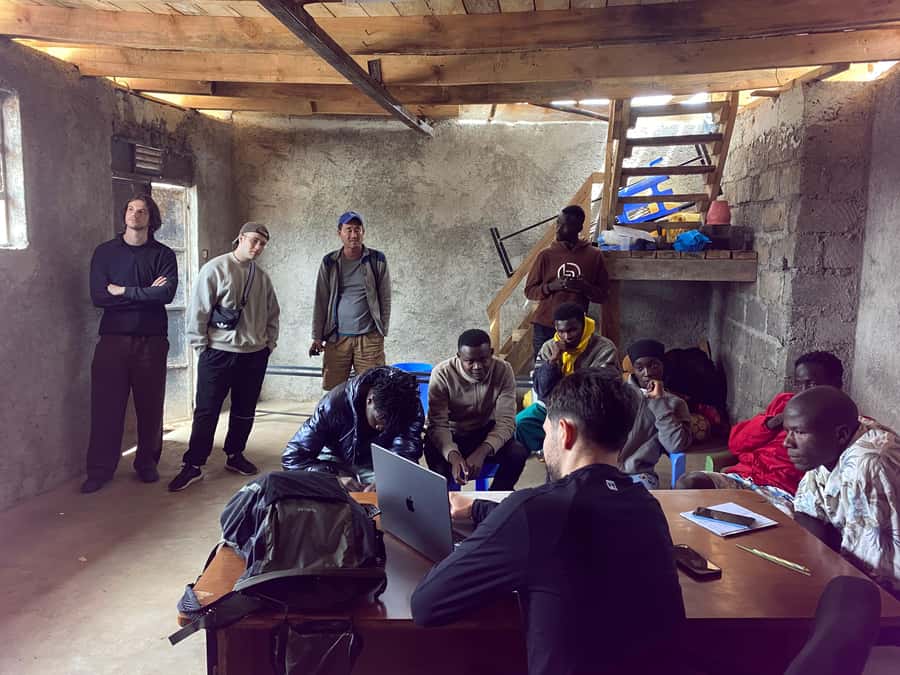
I think this experience suits you if you want to understand Nairobi beyond its major attractions and are willing to approach a sensitive visit with humility. It works well for people interested in urban development, social enterprise, community initiatives, culture, and modern Kenyan life.
It may also suit you if you have only a short time in Nairobi. Two and a half hours gives you a focused introduction without requiring a full-day commitment.
Families, students, photographers, and culturally curious visitors may all find something useful here, but the tour is not described as family-specific, school-specific, or photography-focused. If you are mainly looking for polished landmarks, entertainment, or a conventional sightseeing route, this may not be the right choice.
I would not book it simply to collect dramatic images. You will get far more from it if you are ready to listen, ask respectful questions, and think about the wider forces shaping Nairobi.
Practical tips for a respectful visit

A few simple habits will improve the experience:
- Wear comfortable walking shoes and clothing suited to a 150-minute walk.
- Arrive at Equity Ayani with enough time to find the meeting point.
- Confirm the tour language and whether Daniel is leading your departure.
- Ask about entrance fees, since they are not included in the $25 price.
- Arrange your own transport to Equity Ayani because pickup is not included.
- Ask before taking photographs of people, homes, businesses, or community activities.
- Treat local residents as hosts and neighbors, not as sightseeing subjects.
- Keep your questions open and respectful, especially when discussing hardship or housing.
- Check the current start time before booking.
- If you need flexibility, use the pay-later option and remember the 24-hour cancellation deadline.
Should you book the Kibera Chocolate City tour?
Book it if you want a guided, people-centered look at Nairobi and can accept that the route is about understanding community life, not checking off monuments. The combination of local voices, empowerment projects, cultural activity, and historical context gives the tour a clear purpose.
The strongest reasons to go are the respectful focus, the manageable 2.5-hour schedule, and the chance to learn about work being done inside Kibera. The main cautions are the extra entrance fee, no included pickup, unknown group size, and the need to confirm exactly which projects and guide are available on your date.
At $25, I would consider it good value for a visitor who wants context and conversation. I would skip it only if you are uncomfortable with walking through a marginalized community, want a highly predictable sightseeing route, or prefer an experience with every cost included.
FAQ
Where does the Kibera tour start?
The tour starts at Equity Ayani.
Where does the tour end?
The tour returns to Equity Ayani after the visit.
How long does the experience last?
The experience lasts 150 minutes, or 2.5 hours.
How much does the tour cost?
The listed price is $25 per person.
Is pickup included?
No. Pickup is not included, so you need to arrange your own way to Equity Ayani.
Are entrance fees included?
No. Entrance fees are not included in the listed price.
What is included in the tour?
A tour guide is included.
Which languages are available?
The listed guide languages are English, Chinese, Esperanto, German, Italian, Spanish, and French.
Can I reserve now and pay later?
Yes. You can reserve your place and pay later, which keeps your plans flexible.
Can I cancel for a full refund?
Yes. You can cancel up to 24 hours in advance for a full refund.
More Dessert Tours
- Kibera Chocolate City Tour
★ 5.0 · 13 reviews - Nairobi: Chocolate City Kibera Slum Walking Tour
★ 4.9 · 13 reviews - A Visit To KIBERA The Chocolate City.
★ 4.9 · 12 reviews - Nairobi: Kibera Slum (The Chocolate city)Guided Walking Tour
★ 5.0 · 5 reviews
Just added around Nairobi
- Nairobi: Giraffe Center, Elephant Orphanage and Bomas Tour★ 5.0 · 3 reviews
- Nairobi: Airport and Hotel Private Transfers.★ 4.0 · 3 reviews
- Kitengela Anselm Hot Glass tour★ 4.5 · 3 reviews
- 11-Days Best of Kenya & Tanzania Big 5 Safari on a 4×4 Jeep★ 5.0 · 3 reviews
- 12-Day Tsavo west Amboseli lake Nakuru Maasai Mara safari★ 5.0 · 3 reviews
- NAIROBI NATIONAL PARK AFTERNOON GAME DRIVE.★ 5.0 · 3 reviews
- Nairobi Down Town & Walking City Tour★ 4.8 · 3 reviews
- Carnivore Resturant Dinner Experience★ 4.0 · 3 reviews
Kibera Community Tours, compared.





Kibera Slum Tour with Local Social Entrepreneurs
Read our review →


Browse the lists this tour appears in