
Reviewed · KIBERA COMMUNITY TOURS
Nairobi: Kibera Slum storytelling tour with a Local
Look beyond Nairobi’s postcard image. This three-hour Kibera walk offers a direct, carefully guided look at daily life in one of East Africa’s largest informal settlements. I like the fact that guides such as Elijah, Peter, and Effie grew up in Kibera and can explain the area through personal experience, not just prepared facts. I also like that the tour supports a local school and introduces you to community projects, rather than treating Kibera as a photo stop.
The tour is private, well priced at $20 per group of up to one person as advertised, and includes safety support, a school visit, the market, and a local home. The main consideration is that this is a serious walking experience through narrow, unmarked streets, with uneven conditions and some emotionally difficult scenes. It is not suitable for people with back or heart problems.
In This Review
- Key points to know before you go
- Why this Kibera walk feels different
- Starting at Greenhouse Mall in Kilimani
- Walking the narrow streets and alleys
- Toi Market, Kibera’s busy commercial center
- Hope and Shine Kibera Centre and local projects
- Visiting a Kibera school
- Entering a local home
- Safety, timing, and the practical side
- Is $20 good value?
- Who should book this experience?
- Should you book the Kibera storytelling tour?
- FAQ
- Where does the Kibera tour meet?
- How long does the tour last?
- What places are included?
- Is this a private tour?
- What language is the live tour in?
- Is the tour suitable for people with mobility or heart concerns?
- What happens if the weather is poor?
Key points to know before you go

- Meet at Greenhouse Mall: You meet at the mall entrance in Kilimani, with a bench near the ground-floor fountain if you arrive early.
- Local guides make the difference: Elijah, Peter, Effie, and Lucas have been praised for their warmth, clear explanations, and connection to Kibera.
- The school visit gives the tour purpose: Part of the tour income supports a local school, with 20 percent specifically reported as going toward its work.
- You will walk through real residential areas: Expect narrow alleys, unmarked streets, a market, public facilities, workshops, and homes rather than a polished sightseeing route.
- Bring practical clothing: Wear shoes and clothes you do not mind getting dusty or dirty, and dress for a three-hour walk.
- Photography needs good manners: Ask before taking pictures of people, especially children, and let your guide set the tone.
Why this Kibera walk feels different
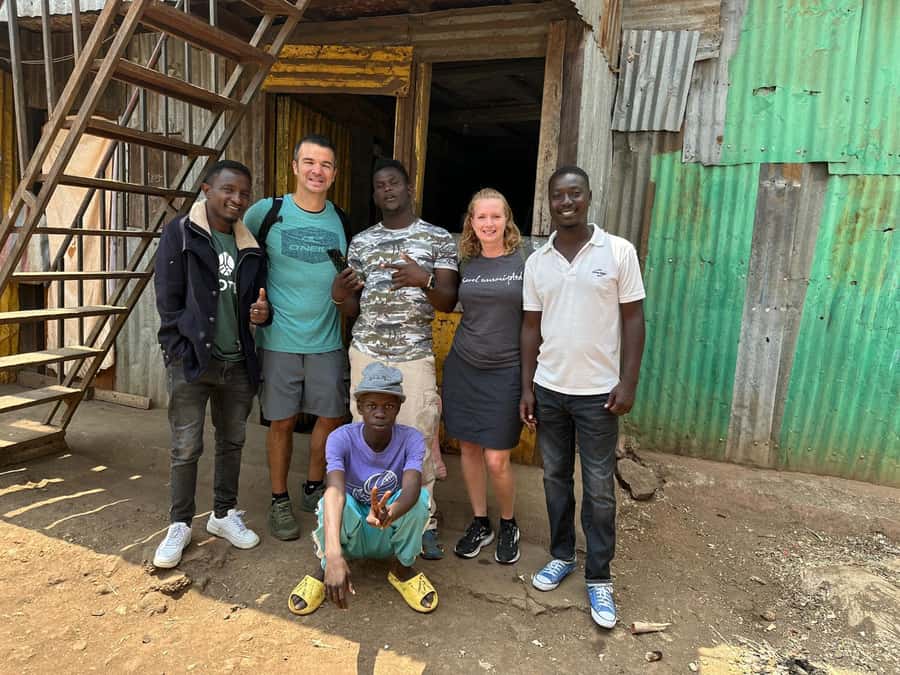
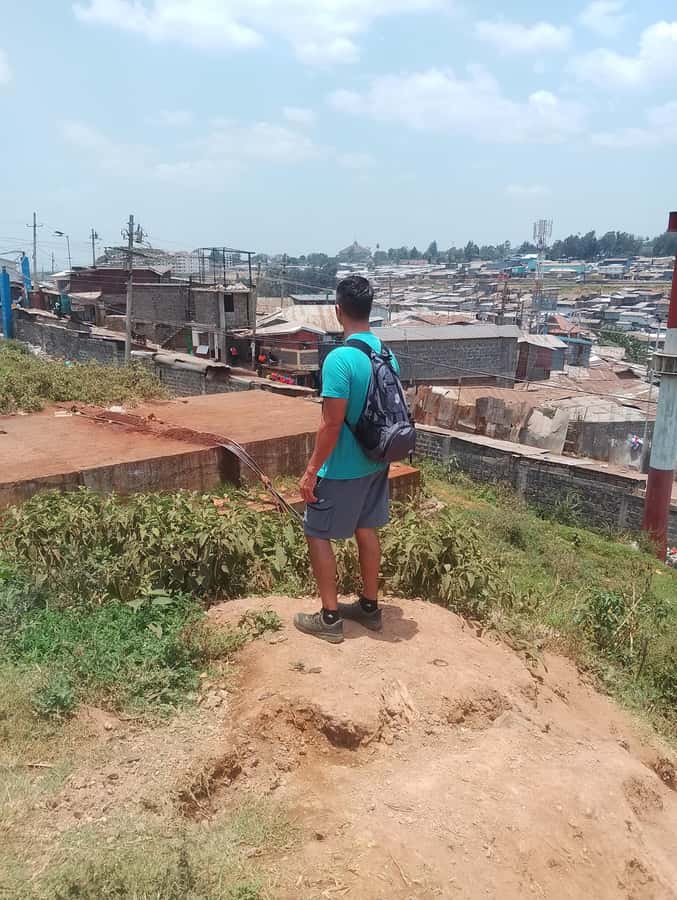
Kibera is often reduced to a single word: slum. That label tells you very little about the people who live there, the businesses that operate there, or the local groups trying to improve life. This tour works best because it gives you time to see Kibera as a community with problems, skills, humor, enterprise, and strong personal ties.
Your guide leads you through streets that are not marked for easy navigation. That matters. You are not following a bus route or viewing the area from a raised platform. You are walking at street level, where the sounds, smells, movement, and close quarters make the experience immediate.
The guides also explain why Kibera is sometimes called the City of Hope. That phrase is not meant to hide poverty. Instead, it points to the way residents create schools, support groups, small businesses, art projects, and other services when official help is limited.
I especially value the personal element. Elijah has shared stories of growing up in Kibera and has taken people to places connected to his family. Peter has shown his own home and school project. Effie has been praised for bringing a thoughtful local perspective. These details help you see individuals instead of treating the neighborhood as a social problem on display.
More community tours:
- Nairobi: Explore Kibera Slum with Local Guides
★ 4.9 · 365 reviews - Kevins Kibera Slum Tours
★ 5.0 · 213 reviews - Kibera Slum Tour with Lucas
★ 5.0 · 119 reviews
Starting at Greenhouse Mall in Kilimani
The meeting point is the entrance of Greenhouse Mall in Kilimani. If you arrive early, there is a bench near the fountain on the ground floor. This is a useful arrangement because it gives you a clear, public place to meet before entering a large and unfamiliar part of Nairobi.
From there, you head toward Kibera with your guide. The supplied details do not specify the transport method or a separate transport charge, so confirm the exact transfer plan when you book. Once the walking portion begins, expect about three hours of movement, conversation, and stops.
Keep your first few minutes simple. Carry only what you need, keep valuables secure, and listen to your guide’s instructions about where to walk and when to take photographs. The route is shaped by local knowledge, and your guide is the person who knows how to move through it respectfully.
The private format is useful here. Your own group participates, so you can ask questions without holding up a large crowd. It also gives the guide room to adjust the pace and explain a subject again if something is not clear.
Walking the narrow streets and alleys

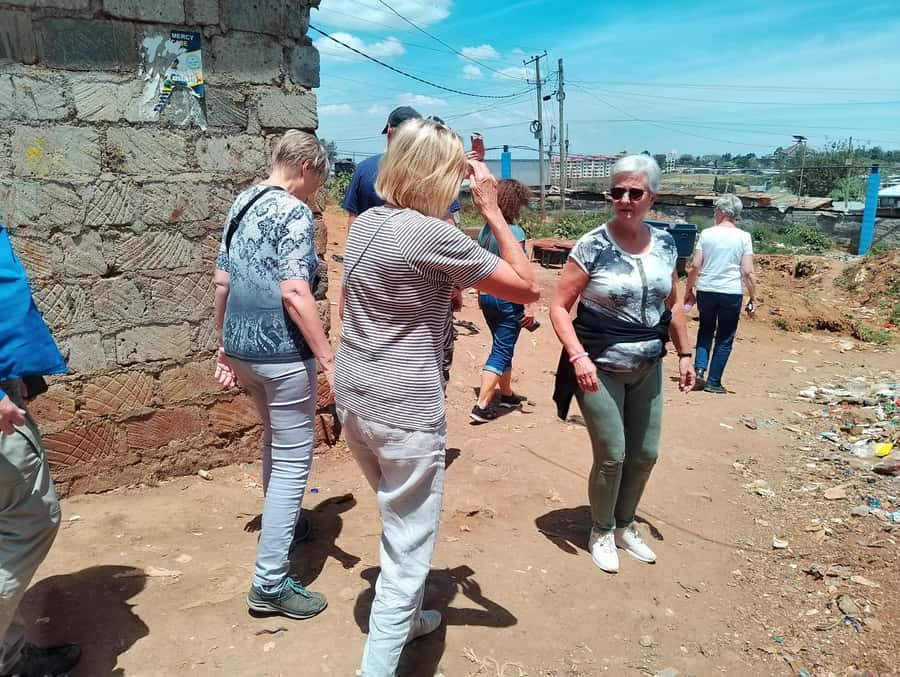
The heart of the experience is the walk itself. Kibera has a maze-like network of unmarked streets and narrow alleys. You may pass residential buildings, small businesses, public facilities, workshops, open spaces, and community projects in a short distance.
This is not an easy route for anyone expecting smooth pavement. The tour information specifically warns people with back or heart problems, and the walking conditions are a good reason to take that warning seriously. Wear sturdy, comfortable shoes. Several people who took the tour advised leaving good shoes and smart clothes behind.
The close setting can feel intense. You may see difficult living conditions, limited facilities, and signs of hardship. At the same time, you will see people working, shopping, making things, raising children, and supporting one another. A good guide keeps those two truths together. Kibera is neither a misery show nor a feel-good story with the hard parts removed.
The strongest part of the walk is the explanation. Your guide can talk about local culture, community life, and the challenges residents face. The experience becomes far more useful when you ask respectful questions about what you are seeing rather than simply taking pictures.
Toi Market, Kibera’s busy commercial center
Toi Market is described as the largest market in Kibera, and it adds a completely different side to the visit. Here you can expect a trading area with movement, color, and plenty to look at. The tour includes shopping, so you may have a chance to buy local goods and support small sellers.
The market is also a reminder that Kibera is not only a place where people live. It is a place where people earn money, trade goods, make plans, and meet friends. That everyday activity helps correct the outsider’s habit of viewing informal settlements only through poverty.
Several people found local crafts especially worthwhile. The wider walk can include women’s groups making jewelry and clothing, youth groups turning recycled materials into art and jewelry, and local artists creating handmade pieces. These visits are not guaranteed in precisely the same order, but the tour has repeatedly included community initiatives of this kind.
Bring some Kenyan cash if you want to shop. Purchases are separate from the tour price, and buying directly from local makers can be a more meaningful souvenir than picking up a generic item elsewhere in Nairobi. Do not feel pressured to buy, though. The value of the stop is also in learning how local groups use craft work to create income and support one another.
A few more trips worth weighing up
- Nairobi National Park Half-Day Tour; Free Wi-Fi connection
★ 5.0 · 878 reviews - Nairobi: National Park & Optional Elephants & Giraffe Center
★ 4.8 · 874 reviews - NAI NAMI: Nairobi Storytelling Tour with Street Children
★ 5.0 · 792 reviews - Nairobi National Park Half-Day Game Drive
★ 4.5 · 738 reviews
Hope and Shine Kibera Centre and local projects
The Hope and Shine Kibera Centre is one of the named stops. It provides education and support to residents, giving you a concrete example of local action. The visit helps explain the tour’s focus on resilience without pretending that community projects solve every problem.
The route may also introduce you to other groups and initiatives. These have included a women’s organization supporting HIV-positive women through handmade goods, youth groups working with recycled materials, art spaces, and efforts connected with sanitation or energy production. Since the precise route can vary, think of these as possible examples of what your guide may explain rather than a fixed checklist.
This is where the tour earns much of its value. You are not simply told that Kibera’s people are resourceful. You see how resourcefulness appears in practical work. Someone turns discarded material into jewelry. Another group creates a support network. A school provides education for children who might otherwise have limited access to it.
Some visitors described these stops as uplifting, while others were also struck by the lack of government support. You should expect both reactions. The community initiatives are encouraging, but they exist alongside serious hardship. A respectful tour does not ask you to choose one version of Kibera. It lets you understand the tension between them.
Visiting a Kibera school
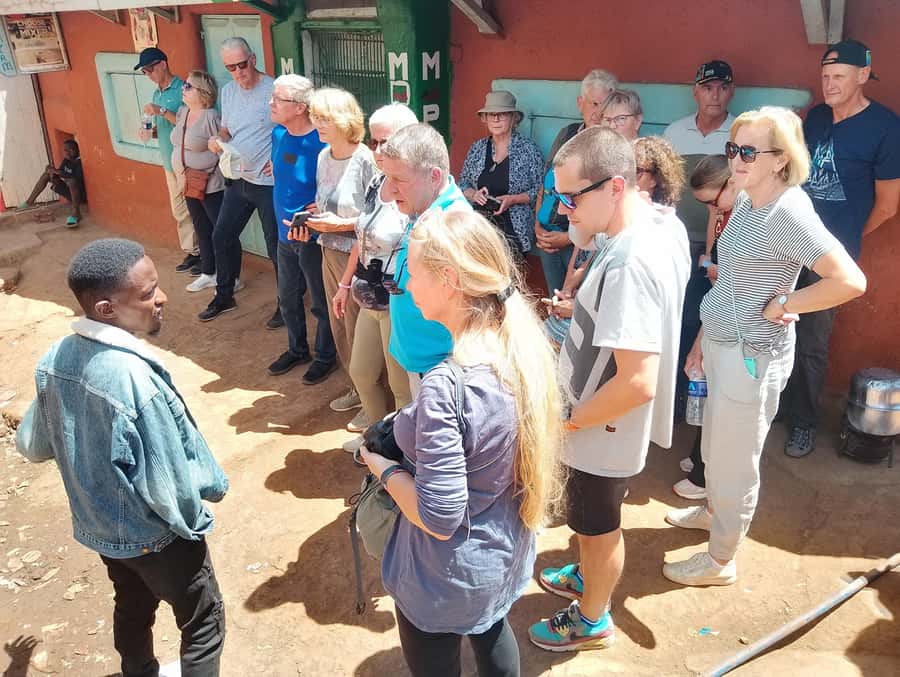
The school visit is included and is one of the most meaningful parts of the morning or afternoon. The local guides helped build or support a school for children in Kibera, and the income from tours contributes to its operation. Multiple descriptions specify that about 20 percent of ticket proceeds go to the school.
That connection gives your booking a clear local benefit. It does not turn the visit into a donation pitch, and you should still ask the operator for current details if the financial arrangement matters to you. But the school is not an abstract promise. You get to see the setting and learn about the effort to provide education.
Children have welcomed visitors with songs and plenty of curiosity. That can be touching, but remember that the school is a place of learning, not a stage. Ask before taking photographs, avoid handing out items without checking with your guide, and follow the school’s instructions.
Some people have brought sweets or biscuits for children. I would not treat that as a requirement. If you want to bring something, check with the guide first so your gesture fits the school’s needs and does not create an awkward scramble.
The school stop also makes the tour suitable for parents with older children, provided everyone understands that the visit may be emotionally demanding. It offers a useful conversation about education, opportunity, and what local people are doing for the next generation.
Entering a local home

The home visit is the most personal stop. Your guide may invite you into a local residence so you can understand the scale and arrangement of domestic life. People have described visiting Elijah’s mother and entering Peter’s home, experiences that added warmth and context to the walk.
This is not a staged model home. It is a real living space, and that calls for extra care. Ask permission before photographing anything. Do not handle belongings, make jokes about the size or condition of the home, or assume that an invitation means every question is appropriate.
The stop can be powerful because it turns broad statistics into a human setting. You start thinking about how families organize daily routines, store belongings, cook, rest, and share limited space. Your guide can explain what you are seeing, but you should let the household control the conversation.
It is also fine to feel unsure. You are entering a private space in a community that does not exist for sightseeing. Follow your guide’s lead, keep the visit brief and polite, and remember that respectful attention is more valuable than a dramatic photograph.
Safety, timing, and the practical side

Safety is included in the tour, and that was one of the strongest themes in the feedback provided. People who joined with Elijah, Peter, Effie, and Lucas repeatedly described feeling safe and well looked after, including during afternoon tours that ended after dark.
That reassurance is important, but it is not a reason to ignore normal city precautions. Keep your phone and wallet secure, stay with the group, and follow directions about photography and movement. Kibera is a busy residential area, not a controlled attraction.
The tour lasts three hours, though some outings have taken around three and a half hours. Start times depend on availability. Afternoon departures can bring more local activity as people return from work and children come home from school, but part of the route may be in darkness. If that matters to you, ask about the timing before booking.
The tour requires good weather. If poor weather causes cancellation, you are offered another date or a full refund. Smoking is not allowed.
The experience is offered as a private group activity with a live English-speaking guide. Audio support is listed in French, Spanish, German, Chinese, and English, while the tour information also identifies English as the live guide language. Confirm how the audio option works for your booking if you need translation help.
Is $20 good value?

At $20 for a group of up to one person as advertised, the price is low for a private three-hour experience with local guiding, safety support, and a school visit. The value is even clearer if your aim is to understand Nairobi beyond museums, malls, and standard sightseeing routes.
The price does not cover shopping, and the supplied details do not state that meals or personal transport are included. Budget a little extra if you want to buy jewelry, art, or other goods from local groups.
I would judge the tour by what it gives you, not by the number of formal attractions. You receive local interpretation, access to places you would not sensibly find alone, and a direct connection to community work. The strongest benefit is that the money is linked to a school project, with 20 percent reported as supporting it.
Still, low price does not mean low impact. You should book only if you are ready to pay attention, walk through difficult conditions, and treat people with dignity. If you want a quick scenic outing, this is not the right choice.
Who should book this experience?
I would recommend it to you if you want a serious, human view of Nairobi and are willing to leave the usual sightseeing circuit. It suits curious adults, photographers who know how to ask permission, and families with older children who can handle a thoughtful conversation about poverty and opportunity.
It is also a good fit if you prefer private guiding. You can ask direct questions and spend time with a guide whose personal connection to Kibera adds depth. The guides have been praised for warmth, patience, and clear communication, with Elijah and Peter receiving especially strong personal praise.
I would hesitate if you have back or heart problems, dislike walking on uneven routes, or feel uncomfortable entering residential spaces. You may also find the experience difficult if you expect poverty to be presented in a tidy or comfortable way.
Book with respect, not curiosity alone. You are entering someone’s neighborhood and, in some cases, someone’s home. Your attitude will shape the quality of the experience as much as the itinerary.
Should you book the Kibera storytelling tour?
Yes, if you want to understand Nairobi through the people who live there. The school, Toi Market, local home, community center, and small social enterprises give the walk a strong sense of purpose. The personal stories from guides such as Elijah, Peter, Effie, and Lucas make the experience feel connected to real lives rather than a detached tour script.
Choose another activity if you want comfort, easy walking, or a light afternoon. But if you can bring patience, sturdy shoes, a respectful camera habit, and an open mind, this is one of the more worthwhile ways to spend three hours in Nairobi.
FAQ
Where does the Kibera tour meet?
The meeting point is at the entrance of Greenhouse Mall in Kilimani. If you arrive early, you can wait on a bench near the fountain on the ground floor.
How long does the tour last?
The stated duration is three hours. Some outings have lasted about three and a half hours.
What places are included?
The experience includes a guided walk through Kibera, Toi Market, the Hope and Shine Kibera Centre, a local home, and a visit to a Kibera school. The route may also include community groups and local initiatives.
Is this a private tour?
Yes. It is a private group activity, so only your group participates.
What language is the live tour in?
The live tour guide speaks English. Audio guide support is listed in French, Spanish, German, and Chinese.
Is the tour suitable for people with mobility or heart concerns?
The experience is not suitable for people with back problems or heart problems. It involves walking through narrow, unmarked streets and alleys.
What happens if the weather is poor?
The tour requires good weather. If it is canceled because of poor weather, you can choose another date or receive a full refund.
Just added around Nairobi
- Nairobi: Giraffe Center, Elephant Orphanage and Bomas Tour★ 5.0 · 3 reviews
- Nairobi: Airport and Hotel Private Transfers.★ 4.0 · 3 reviews
- Kitengela Anselm Hot Glass tour★ 4.5 · 3 reviews
- 11-Days Best of Kenya & Tanzania Big 5 Safari on a 4×4 Jeep★ 5.0 · 3 reviews
- 12-Day Tsavo west Amboseli lake Nakuru Maasai Mara safari★ 5.0 · 3 reviews
- NAIROBI NATIONAL PARK AFTERNOON GAME DRIVE.★ 5.0 · 3 reviews
- Nairobi Down Town & Walking City Tour★ 4.8 · 3 reviews
- Carnivore Resturant Dinner Experience★ 4.0 · 3 reviews
Kibera Community Tours, compared.




Kibera Slum Tour with Local Social Entrepreneurs
Read our review →



Browse the lists this tour appears in