
Reviewed · WORKSHOPS
Beginner Swahili Woodcarving Classes with Woman Woodcarver
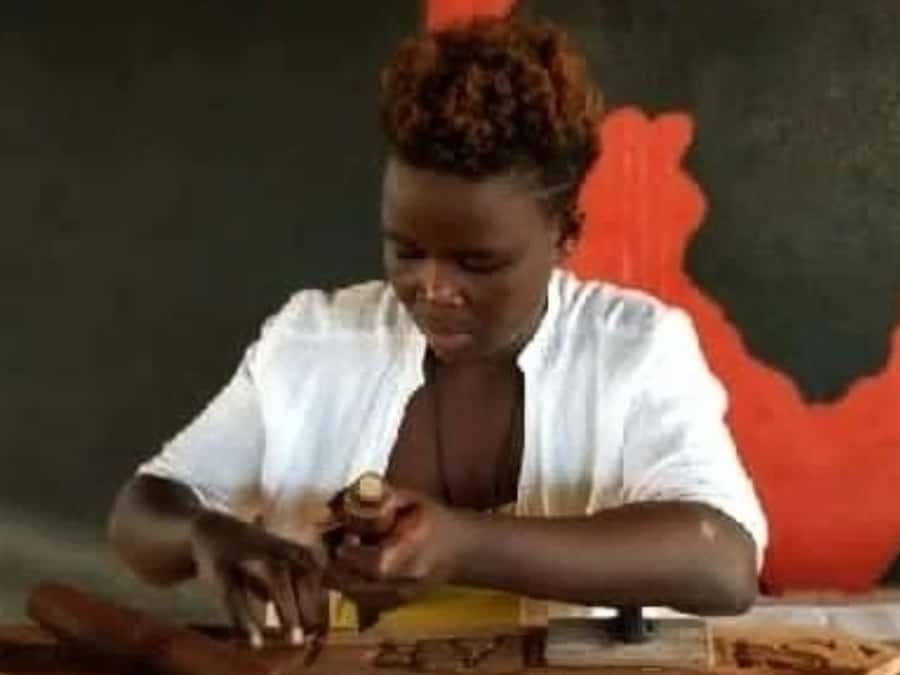
Make something with your hands in Lamu. This three-hour class introduces you to traditional Swahili woodcarving with Almasi, described as the only woman woodcarving teacher on Lamu Island. You work at the peaceful Earth Love Healing Center Garden in Shela, or request a session at your home or hotel.
I like the personal teaching and the fact that you leave with a handmade souvenir you made yourself. I also like that Almasi teaches both children and adults in English or Swahili, with tools, materials, and refreshments included. The main consideration is that woodcarving takes patience, and three hours may feel long if you want only a quick craft activity.
The class costs $75 per person and is offered as a private group experience. That is not the cheapest souvenir stop in Lamu, but the price covers instruction, equipment, refreshments, and your finished piece. It makes the most sense for you if you value time with a local artist more than buying a ready-made object.
In This Review
- Five things to know before you book
- Meeting Almasi at Peponi Hotel
- The first lesson: tools, wood, and a slower pace
- Learning traditional Swahili carving techniques
- Three hours that reward patience
- The personal strength of Almasi’s teaching
- Making a souvenir instead of buying one
- A good choice for families and small private groups
- What to bring and what the price covers
- Mobility and comfort considerations
- Flexible arrangements in Shela and beyond
- Cancellation and booking flexibility
- Is this Swahili woodcarving class worth booking?
- FAQ
- Where does the woodcarving class meet?
- How long does the class last?
- How much does the experience cost?
- Is the class suitable for beginners?
- What language is the class taught in?
- Are tools and materials included?
- Do I get to take something home?
- What should I bring?
- Can children take part?
- Is the class wheelchair accessible?
Five things to know before you book
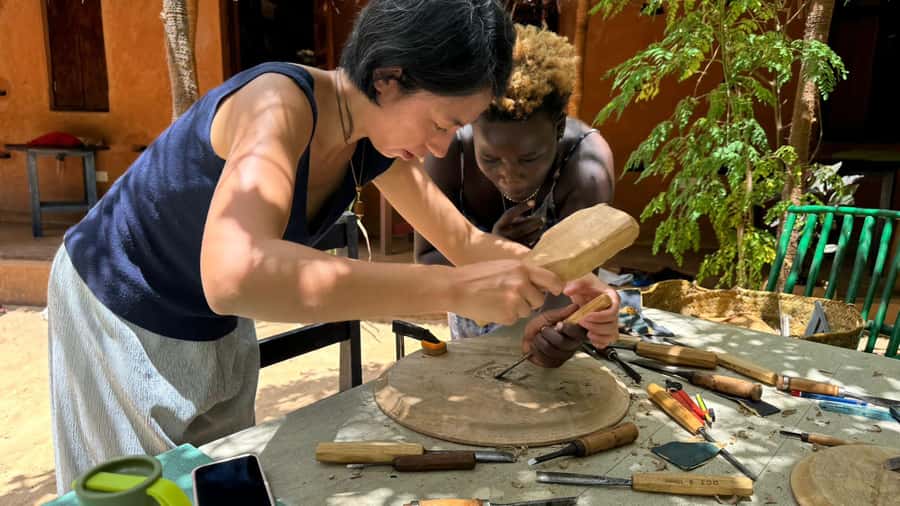
- Almasi is Lamu Island’s only woman woodcarving teacher, giving the class a distinctive personal and cultural focus.
- You make your own wooden keepsake, rather than simply choosing one from a shop shelf.
- The class lasts three hours, allowing time to learn basic techniques instead of rushing through a short demonstration.
- Everything needed is supplied, including carving tools, materials, and refreshments.
- The class works for children aged five and older and adults, but people with mobility impairments should check carefully before booking because the activity is listed as unsuitable for them.
Meeting Almasi at Peponi Hotel
Your meeting point is Peponi Hotel. Ask at the front desk, and staff will point out your guide.
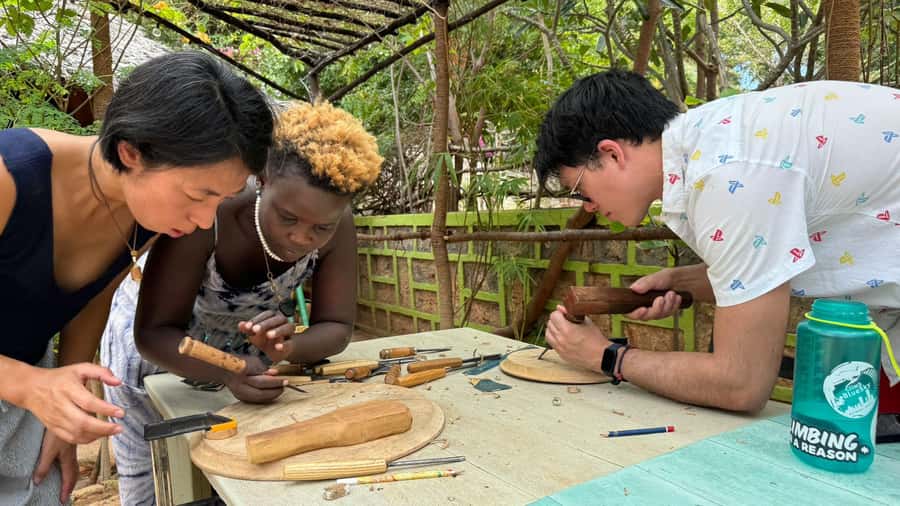
This arrangement keeps the start simple. You do not need to search for a workshop on your own, and the hotel provides a clear place to begin. From there, the class may take place at the Earth Love Healing Center Garden in Shela, Lamu Island, or at your home or hotel if you arrange that in advance.
The garden setting sounds particularly appealing for a hands-on class. Woodcarving benefits from a calm pace, and a quiet outdoor setting can make it easier to focus on the shape of the wood and the movement of the tool. Still, the exact setting matters. If you prefer the garden, confirm that plan when booking. If you are staying elsewhere, ask about an on-site class.
Almasi teaches in English and Swahili. That is useful for international visitors, families, and mixed-language groups. You can ask questions as you work, rather than simply watching a silent display.
A few more trips worth weighing up
- Traditional Kenyan Cooking Class & Local Market Tour
★ 5.0 · 129 reviews - Authentic Kenyan Cooking Class & Market Tour in Nairobi
★ 5.0 · 12 reviews - Private Traditional Kenyan Cooking Class with Lunch in Nairobi
★ 5.0 · 10 reviews
The first lesson: tools, wood, and a slower pace
The class is designed for beginners, so you are not expected to arrive with carving experience. Almasi supplies the tools and materials, then explains how to use them.
The most valuable part of a beginner class is often not the finished item. It is learning how a craft begins. You get a feel for how the tool meets the wood, how much pressure is needed, and why careful progress matters. Raluca from Germany described the work as grounding and said that it cannot be rushed. That is a useful warning for anyone expecting an instant result.
Woodcarving rewards patience. You may need to repeat a small motion many times before the shape begins to appear. Almasi’s teaching style is described as calm, patient, and attentive, which should help first-time carvers avoid feeling clumsy at the start.
You should expect an interactive lesson rather than a performance. The point is not to watch Almasi create a perfect object while you stand nearby. The point is to try the process yourself, with her guidance when a tool angle or technique feels unfamiliar.
Learning traditional Swahili carving techniques
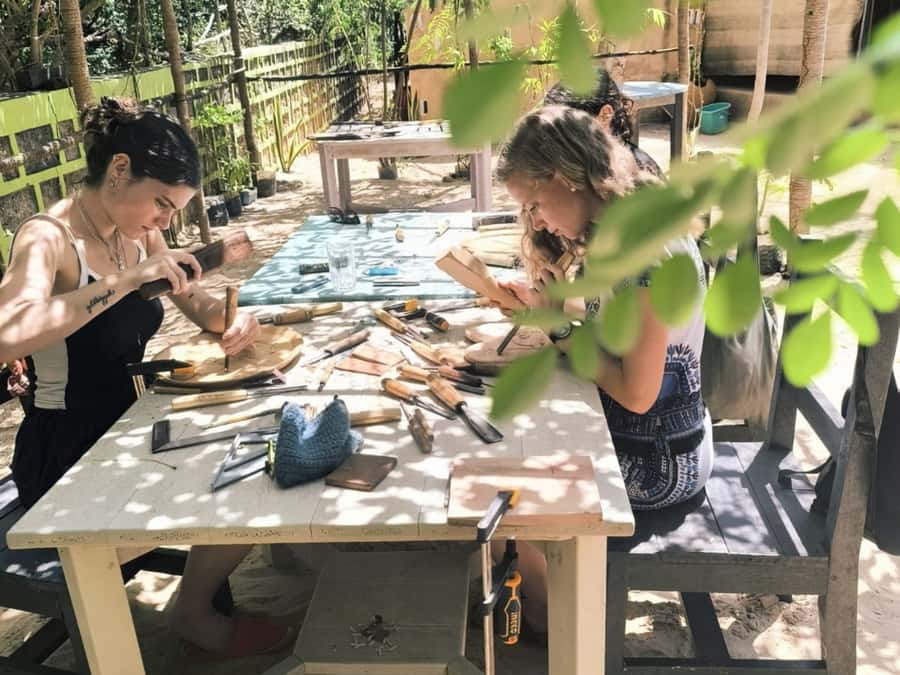
Swahili woodcarving is more than a generic craft activity. The lesson gives you a direct look at techniques passed through generations in the local culture.
The supplied information does not specify the exact object you will make or the particular design you will carve. That is worth confirming before the class if you have a strong preference. What is clear is that each participant receives a handmade souvenir at the end, along with the basic skills gained during the lesson.
That combination gives the activity more staying power than a standard shopping stop. A carved item bought in Lamu can be attractive, but an item you worked on yourself carries a different memory. You will remember the careful cuts, the mistakes, and the advice that helped you improve.
Almasi’s role also adds an important human element. She is not presented only as a craft demonstrator. She is an artist and teacher sharing a tradition in a place where woodcarving is part of local cultural life. Learning directly from her makes the class feel personal rather than packaged.
Three hours that reward patience
Three hours is enough time for more than a quick introduction, but it is also a serious block of your day. Plan around it rather than trying to squeeze it between several other appointments.
A typical class flow should include an introduction to the tools, instruction in basic techniques, time for you to practice, and continued guidance as your piece takes shape. The exact order and project are not specified, so ask Almasi what she plans to cover when you confirm the session.
This length suits you if you enjoy slow, focused activities. It may also work well for a family or group of friends because everyone can work at a personal pace. A private group gives you more room to ask questions and make mistakes without feeling watched by strangers.
The class may be less suitable if you want a quick, polished souvenir with little effort. Woodcarving is a hands-on process, and the finished object is likely to show that it was made by a beginner. That is part of its charm, but it may not match the expectations of someone seeking a professional-looking purchase.
A completely different kind of day out from Kenya:
- Nairobi National Park Half-Day Tour; Free Wi-Fi connection
★ 5.0 · 878 reviews - Nairobi: National Park & Optional Elephants & Giraffe Center
★ 4.8 · 874 reviews - NAI NAMI: Nairobi Storytelling Tour with Street Children
★ 5.0 · 792 reviews - Nairobi National Park Half-Day Game Drive
★ 4.5 · 738 reviews
The personal strength of Almasi’s teaching
The strongest praise for this experience centers on Almasi herself. Sophie from Kenya described her as professional, warm-hearted, attentive, and serious about her work. Those qualities matter in a craft class because beginners need both encouragement and clear correction.
Raluca praised Almasi’s willingness to explain every detail of using the carving tools. That suggests the class is not limited to broad cultural talk. You should have time to understand how the tools work and why your hand position matters.
Nuria from Spain also highlighted the kindness and patience in the teaching. She enjoyed the way Almasi shared local traditions and added a snack at the end. Refreshments are included, so you can expect that small hospitality to be part of the experience, though the exact food and drink are not specified.
This is the kind of instruction that can make a difference when you feel uncertain. A rushed teacher can turn a beginner class into a frustrating session. A patient teacher can help you settle into the work and leave with a sense that you really learned something.
Making a souvenir instead of buying one
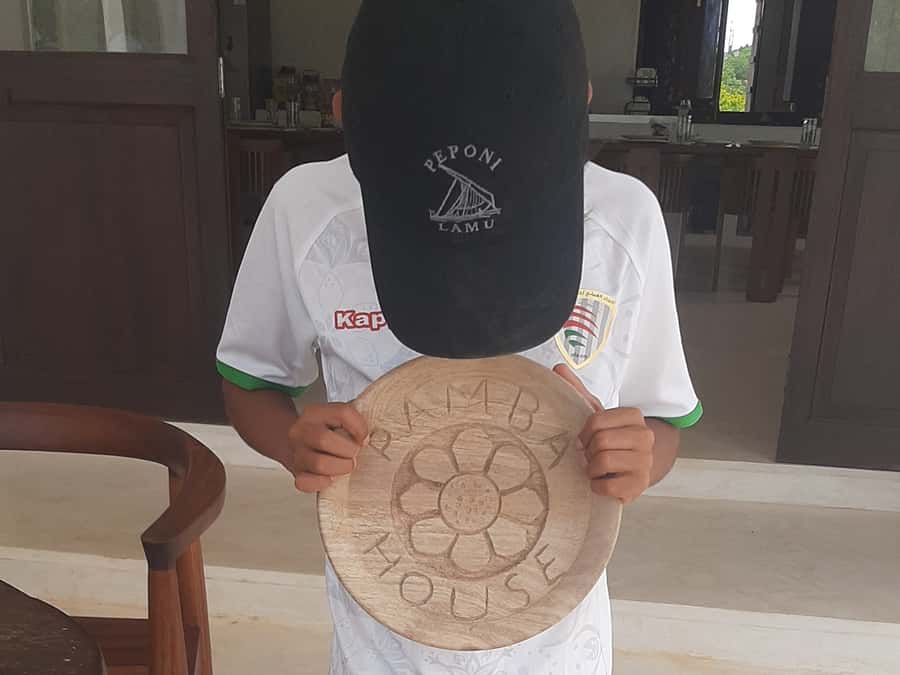
The finished piece is the clear reward of the class. You take your own handmade souvenir home, and it serves as a physical reminder of your time in Lamu.
Do not think of the souvenir only in terms of size or market value. Its worth comes from the time you spent making it. You will know which part was easy, which part needed help, and how much patience the material demanded.
The class also gives you a better way to look at carved objects sold elsewhere in Kenya. After trying the craft yourself, you can notice the effort behind patterns and shapes that might otherwise seem simple. Even a small amount of practice can change how you see handmade work.
There is one practical unknown: no specific project, wood type, design, or finished size is given. If you need to pack the item in checked luggage or carry it on a flight, ask about its likely dimensions before the session. The class promises a souvenir, but not a particular form.
A good choice for families and small private groups
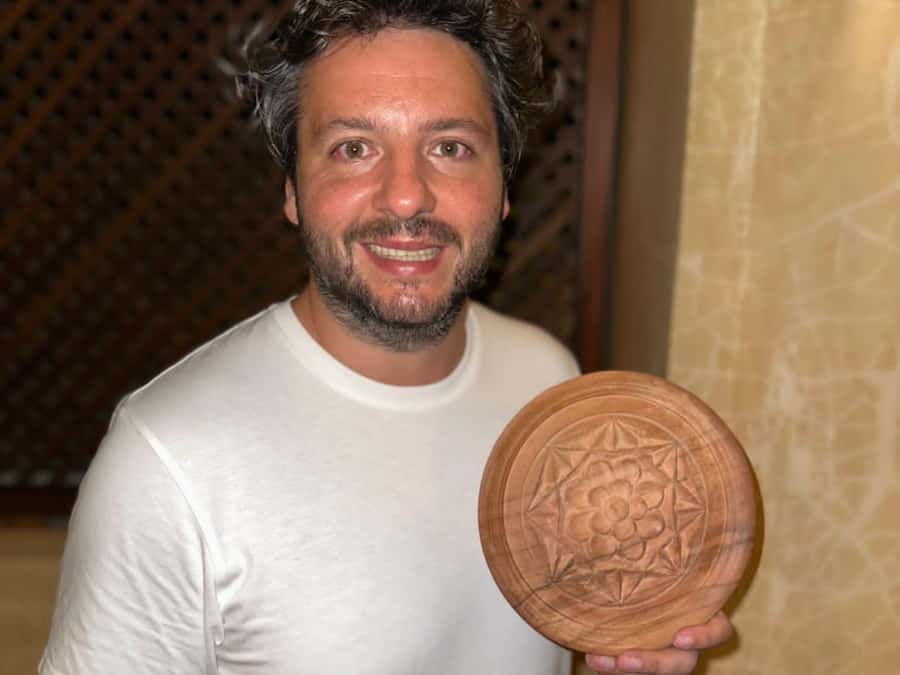
The activity is suitable for children and adults, with a minimum age of five. For families, it offers something different from sightseeing and gives children a chance to make rather than merely observe.
Younger children may need close supervision when using carving tools. The supplied information confirms that children aged five and older may participate, but it does not describe a separate children’s project or special child-safe equipment. Ask about the planned tools and level of supervision if you are booking for a young child.
Adults may enjoy the class just as much, especially if you want a quiet cultural activity. You do not need to be artistic. The point is to learn the basic process and give the work your attention.
Because the group is private, this can also suit friends or relatives who want time together. You can share the experience without being placed with an unknown group. The private format may help justify the $75 price when several people are attending and the class becomes a shared activity.
What to bring and what the price covers
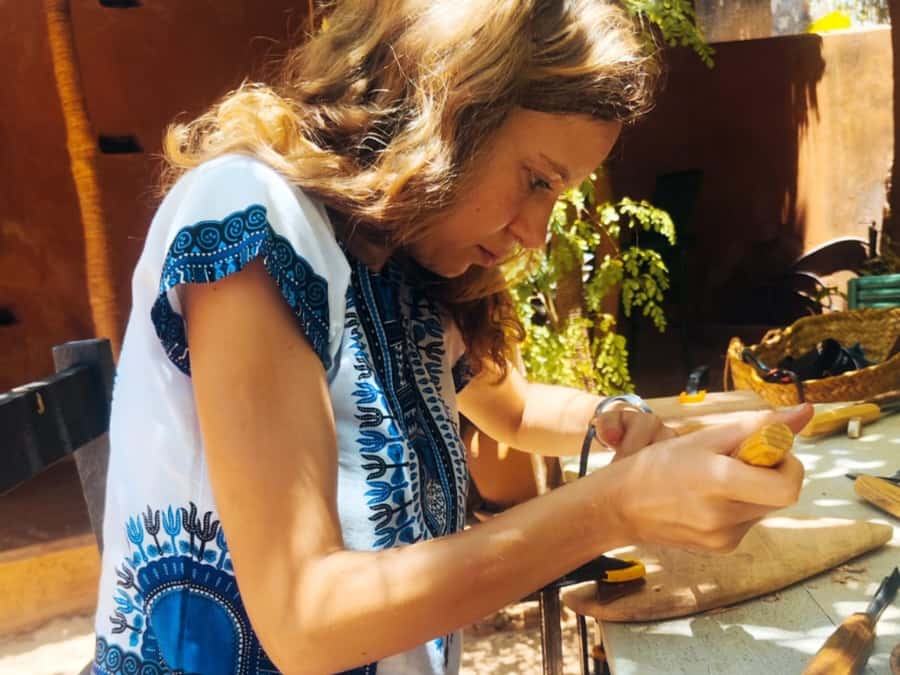
Bring a hat, sunscreen, water, and comfortable clothes. These are sensible choices for a garden-based activity in coastal Kenya, where you may spend time outside and need freedom of movement.
All necessary materials and tools are included. You do not need to buy equipment or carry wood to the session. Refreshments are also provided, which adds a small but welcome touch to a three-hour class.
At $75 per person, the cost covers:
- Three hours of instruction
- Use of the required tools
- Wood and other class materials
- Your handmade souvenir
- Refreshments
- A private group format
I see the value here in the combination of teaching and participation. If you only want a low-cost souvenir, a market purchase will likely be better value. If you want a personal lesson with a local artist and a craft object you helped create, the price is easier to defend.
The class also gives you something that cannot be packed in a suitcase: a basic understanding of a traditional technique. The skills may remain simple, but they can change the way you look at Swahili carving after you leave Lamu.
Mobility and comfort considerations
The activity is listed as wheelchair accessible, but it is also marked as not suitable for people with mobility impairments. Those details do not fully match, so you should contact the provider before booking if access is important to you.
Ask about the precise class location, seating, ground surface, and how long you will need to work in one position. The Earth Love Healing Center Garden may have different access conditions from a private home or hotel.
Comfort also matters for anyone with hand, wrist, or back problems. The class requires you to handle tools and work patiently for an extended period. No medical guidance is provided, so you should judge your own ability and ask Almasi about the physical demands beforehand.
Flexible arrangements in Shela and beyond
The standard meeting point is Peponi Hotel, but the class can be held at the Earth Love Healing Center Garden in Shela or at your home or hotel by request.
That flexibility is useful if you are traveling with children, staying in a private rental, or prefer not to move your group after settling in for the day. It can also make the activity easier to fit into a relaxed Lamu itinerary.
You should arrange the location in advance rather than assume an instructor will arrive at your accommodation. The listed meeting instructions direct you to Peponi Hotel, so confirm any change before the class begins.
The activity lasts three hours, and starting times depend on availability. Book ahead if you need a certain time of day, especially when coordinating several people.
Cancellation and booking flexibility
You can cancel up to 24 hours before the activity for a full refund. The reserve-now, pay-later option also lets you hold a place without paying at the time of booking.
That flexibility is helpful in Lamu, where your plans may change because of weather, transport, or a slow day that turns into an even slower day. Still, check the available start time and confirm the location before you commit.
Is this Swahili woodcarving class worth booking?
I would recommend this class if you want a personal cultural activity, enjoy learning by doing, and like the idea of taking home something you made yourself. Almasi’s patient teaching is the main reason to choose it, and the private format should work well for families, couples, and small groups.
I would be more cautious if your main goal is a cheap souvenir, a short activity, or a fully finished professional carving. The class costs $75 and takes three hours, so the value depends on your interest in the process.
Book it if you can give the craft time, bring comfortable clothes, and accept that a beginner’s piece may look handmade. You will leave with more than an object: you will have a practical connection to a Swahili tradition and a clearer sense of the patience behind carved wood.
FAQ
Where does the woodcarving class meet?
The meeting point is Peponi Hotel. Ask at the counter, and staff will point out the guide. The class is held at the Earth Love Healing Center Garden in Shela, Lamu Island, or it may be arranged at your home or hotel by request.
How long does the class last?
The class lasts three hours.
How much does the experience cost?
The price is $75 per person.
Is the class suitable for beginners?
Yes. The class is designed for beginners and is suitable for both children and adults.
What language is the class taught in?
Almasi teaches in English and Swahili.
Are tools and materials included?
Yes. All necessary tools and materials are provided.
Do I get to take something home?
Yes. Each participant receives their own handmade souvenir created during the class.
What should I bring?
Bring a hat, sunscreen, water, and comfortable clothes. Refreshments are provided.
Can children take part?
Children aged five and older may take part. Children under five are not suitable for the class.
Is the class wheelchair accessible?
The activity is listed as wheelchair accessible, but it is also marked as unsuitable for people with mobility impairments. If you have mobility needs, confirm the exact location and setup with the provider before booking.
Just added around Kenya
- Nairobi: Giraffe Center, Elephant Orphanage and Bomas Tour★ 5.0 · 3 reviews
- Nairobi: Airport and Hotel Private Transfers.★ 4.0 · 3 reviews
- 11-Days Best of Kenya & Tanzania Big 5 Safari on a 4×4 Jeep★ 5.0 · 3 reviews
- Kitengela Anselm Hot Glass tour★ 4.5 · 3 reviews
- NAIROBI NATIONAL PARK AFTERNOON GAME DRIVE.★ 5.0 · 3 reviews
- 12-Day Tsavo west Amboseli lake Nakuru Maasai Mara safari★ 5.0 · 3 reviews
- Nairobi Down Town & Walking City Tour★ 4.8 · 3 reviews
- Private 3 Day Tsavo East Safari from Mombasa★ 5.0 · 3 reviews
Workshops, compared.

Traditional Kenyan Cooking Class & Local Market Tour
Read our review →
Authentic Kenyan Cooking Class & Market Tour in Nairobi
Read our review →
Private Traditional Kenyan Cooking Class with Lunch in Nairobi
Read our review →
Market Tour and Traditional Kenyan Cooking Class in Nairobi
Read our review →
Local Market Tour and Traditional Meal Cooking Class
Read our review →
Private Kenyan Cooking Class in Nairobi with a Local
Read our review →
Browse the lists this tour appears in