
Reviewed · COOKING CLASSES
Malindi : Kenyan Cooking Class with Campfire Meal
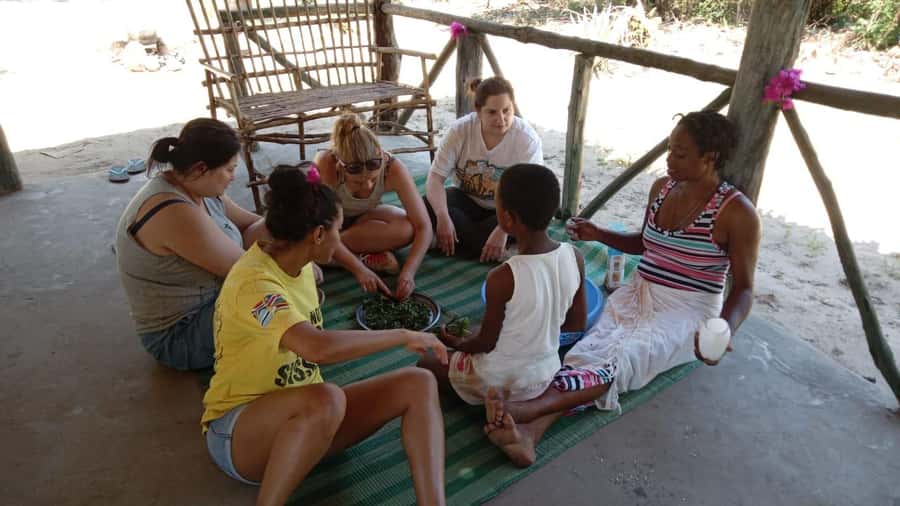
Come hungry, leave with new recipes. This small-group class at Mida Creek Nature Camp turns a simple meal into a friendly introduction to coastal Kenyan life, with cooking done outdoors over a campfire and ingredients that are largely homegrown. I like the hands-on format, because you are not just watching a demonstration, and I like the relaxed setting, where food, family, and nature all share the same space.
The class costs $25 per person and lasts about two hours. That is excellent value when you consider that ingredients, instruction, and the meal are included. The main consideration is timing: two hours can feel tight if you hope to prepare many dishes, eat slowly, and add a village or mangrove outing. People with food allergies should also contact the provider before booking, and the activity is listed as unsuitable for people with food allergies.
Harrison is praised for clear explanations, patience, and a real pleasure in sharing his culture. His family adds warmth to the setting, and the class can be arranged for lunch or dinner. I would confirm the starting time, requested dishes, and any dietary concerns before you go, since the menu changes and special requests are welcome.
In This Review
- What makes this cooking class worth your time
- Arriving at Mida Creek Nature Camp
- The opening lesson: Kenyan food beyond a restaurant plate
- Cooking over the fire with local ingredients
- Harrison and the family behind the meal
- Eating together or taking the food home
- Is two hours enough?
- The $25 price and what you receive
- Who will enjoy this most?
- Should you book the Mida Creek cooking class?
- FAQ
- Where does the cooking class take place?
- How long does the class last?
- Does the class include a meal?
- Can I choose lunch or dinner?
- What dishes might I learn to cook?
- Is the cooking class taught in English?
- What should I wear?
- Can I attend if I have a food allergy?
What makes this cooking class worth your time
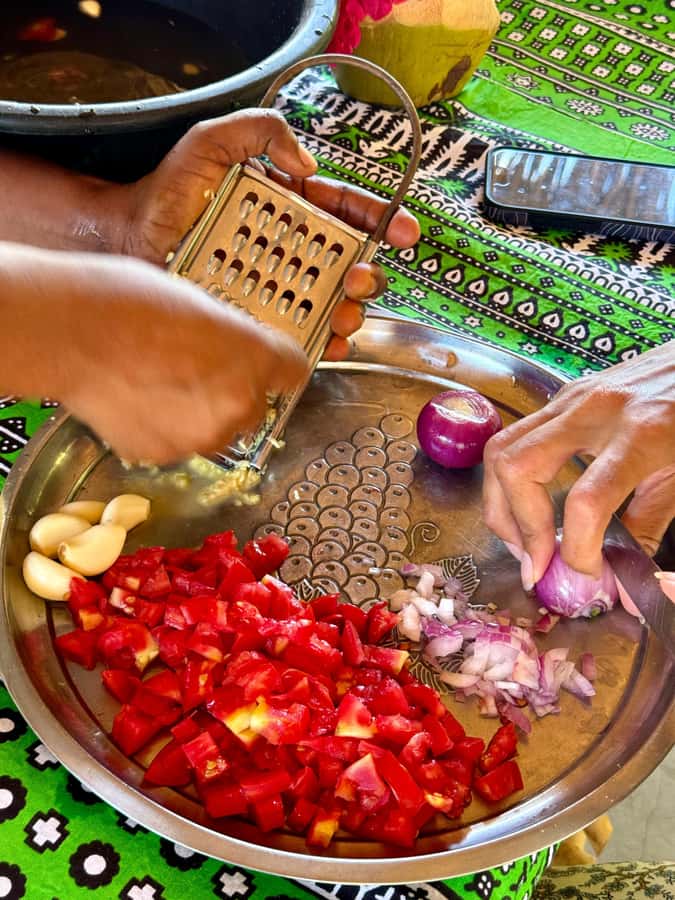
- Campfire cooking at Mida Creek Nature Camp: Prepare food outdoors with traditional techniques and tools rather than in a polished demonstration kitchen.
- A changing Kenyan menu: Possible dishes include ugali, githeri, Kenyan pilau, wali wa nazi, sukuma wiki, mchicha, stew, nyama choma, matoke, mandazi, and grilled maize.
- Harrison’s patient instruction: He takes time to explain the food and cooking methods in clear English, with a warm, personal approach.
- Meal included in the price: You can sit down and eat what you helped prepare, or take the food home.
- Small groups of up to 10: The size leaves more room for questions and practical help at the fire.
- Lunch or dinner choice: You can fit the class around your day in the Malindi and Mida Creek area.
Arriving at Mida Creek Nature Camp
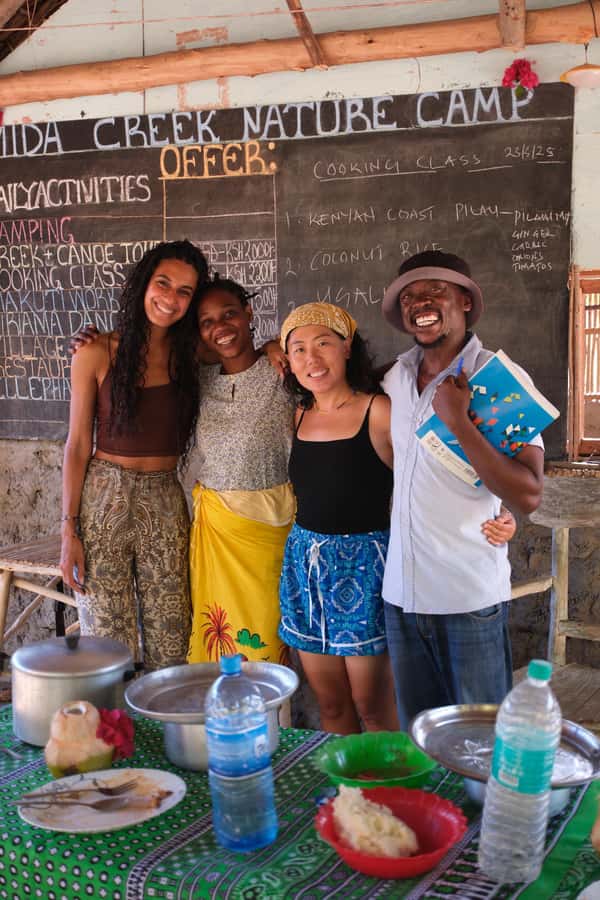
The class takes place at Mida Creek Nature Camp in Kenya’s Coast Province. You will need to use the Google Maps directions supplied for the meeting point, since no hotel pickup or transport service is listed.
The setting is part of the appeal. One account describes the camp as just off the main road, in a leafy, sandy area that feels far removed from traffic and ordinary town life. That gives the class a useful sense of place. You are not simply making Kenyan food in a generic room. You are cooking in a natural camp setting connected to a local family and community.
Wear comfortable clothes. Cooking over a fire is practical work, so loose, easy clothing is a better choice than anything formal. Pets are not allowed, which is worth noting if you are planning your day around an animal companion.
The group is limited to 10 people. That does not guarantee a private lesson, but it should give you a better chance to work directly with the ingredients and ask questions. A larger class could turn the activity into a demonstration. This one is intended to keep you involved.
A few more trips worth weighing up
- Traditional Kenyan Cooking Class & Local Market Tour
★ 5.0 · 129 reviews - Authentic Kenyan Cooking Class & Market Tour in Nairobi
★ 5.0 · 12 reviews - Private Traditional Kenyan Cooking Class with Lunch in Nairobi
★ 5.0 · 10 reviews
The opening lesson: Kenyan food beyond a restaurant plate
The class begins before lunch or dinner, with the exact schedule chosen according to the group’s preference. The stated duration is two hours, so expect the cooking to begin promptly once everyone arrives.
You will work with traditional Kenyan recipes selected for that particular session. The menu is not fixed, which is useful if you want to learn about a dish you have already tasted in Kenya or try something completely new. Contact Harrison or the provider before the class if you have a dish request. The cooking team is open to suggestions, but you should arrange this in advance rather than assume every recipe will be available on arrival.
The possible dishes cover several important parts of Kenyan home cooking:
- Ugali: A firm maize-based staple, often served with vegetables, stew, or meat.
- Githeri: A filling combination of maize and beans.
- Kenyan pilau: Spiced rice with a fragrant, festive character.
- Wali wa nazi: Rice prepared with coconut, a natural fit for the coastal region.
- Sukuma wiki and mchicha: Vegetable dishes that bring balance to a meal.
- Kenyan stew and nyama choma: Hearty choices for anyone interested in meat and sauce-based cooking.
- Matoke: A plantain dish with a distinct East African identity.
- Mandazi and grilled maize: Simple, familiar foods that show the range of Kenyan everyday cooking.
I appreciate this mix because it avoids reducing Kenyan cuisine to one famous dish. You may work with a staple, a vegetable, a spiced rice dish, and a snack in the same session. One recent class prepared seven dishes in less than two hours, which shows how much can be covered. It also explains the main weakness: you may need to move quickly.
Cooking over the fire with local ingredients
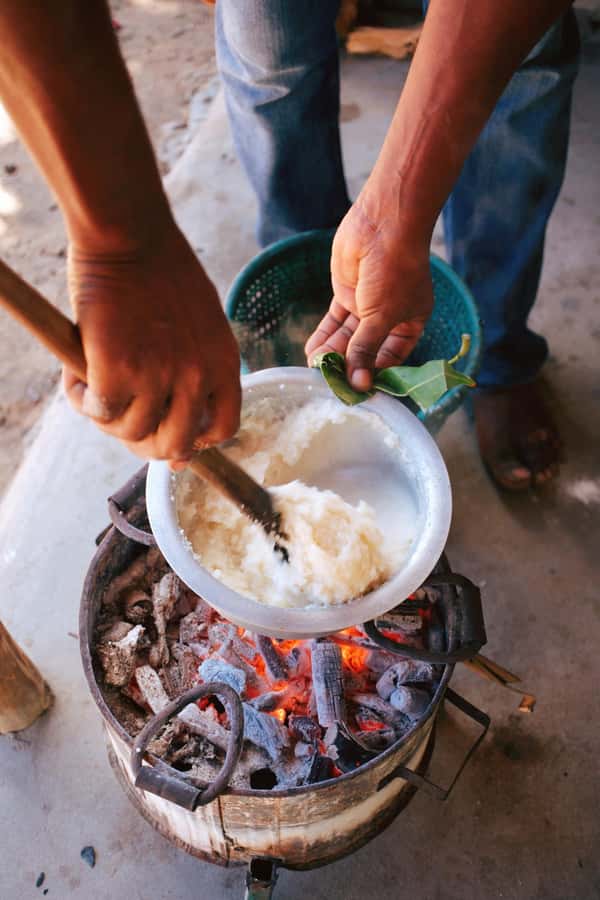
The fire is not just a scenic prop. It shapes the rhythm of the lesson and gives the food a direct connection to older cooking methods. You will use traditional techniques and tools, with the campfire providing the heat for the dishes.
The ingredients are intended to be homegrown where possible. Anything missing can be bought from a small shop at the camp. That detail matters because it keeps the class connected to local food supply rather than relying on a prepacked tourist menu.
Expect a practical session rather than a highly polished cooking school. You may chop, stir, season, watch the fire, and help coordinate several dishes at once. The exact tasks will depend on the menu selected that day. Harrison’s role is to guide you through the process and explain what you are doing, not simply prepare the meal while you watch.
This is a good place to ask simple questions. Why is a certain spice used? How should ugali feel when it is ready? What makes coastal rice different from a basic pot of rice? The available information does not promise a formal recipe booklet, so take notes or photographs of the ingredients and steps if you want to recreate the meal later.
The camp setting also means you should accept a little roughness. A campfire is slower and less predictable than a modern stove. Heat may vary, and several dishes being prepared together can make the process lively. If you want a quiet, precise lesson with every minute planned, this may not be your ideal class. If you like learning by doing, the fire is a major advantage.
Harrison and the family behind the meal
The strongest personal detail in this experience is Harrison. He is described as smiling, welcoming, precise in his explanations, and passionate about sharing his culture. Just as important, he takes his time. That is valuable in a cooking class, since rushing through unfamiliar ingredients can leave you with a plate of food but no real understanding of how to make it again.
The family setting adds another layer. The camp is presented as a place where visitors can connect with local people and community activities, not just stop for a meal. The family also organizes small outings in the village, mangrove activities, and workshops. These additional activities are separate from the cooking class, so you should arrange them independently rather than expect them to be part of the two-hour booking.
That personal connection is one reason I would choose this class over a standard hotel cooking demonstration. You are learning recipes in a setting shaped by family life and local traditions. The tone sounds welcoming rather than formal, and the small group helps keep the exchange personal.
English is the listed teaching language. If you need detailed explanations about an allergy or ingredient, communicate clearly before the session. The activity is specifically not suitable for people with food allergies, even though the provider asks participants to report allergies and intolerances in advance. That is an important distinction. A dietary request may be possible, but you should not treat this as an allergy-safe kitchen.
A completely different kind of day out from Malindi:
- Safari Kenya with Patrick
★ 4.0 · 45 reviews - Kisite Marine Park Private Boat Snorkeling with breakfast & Lunch
★ 5.0 · 32 reviews - Safari blue
★ 4.5 · 27 reviews - ROBINSON ISLAND/MARAFA HELL’s KITCHEN
★ 5.0 · 15 reviews
Eating together or taking the food home
When the food is ready, you have two choices. You can eat with the group at the camp, or take your creations home.
I would choose to eat there if your schedule permits. The meal is the payoff for the work, and sharing it with the other cooks makes the class feel complete. You can see how the different dishes fit together, compare flavors, and ask final questions while everything is fresh.
The meal also helps you judge the recipes in their intended setting. Wali wa nazi, pilau, vegetables, stew, and grilled foods are not isolated samples. Together, they show how a Kenyan meal can balance starches, vegetables, spices, and meat or legumes.
Taking the food home may suit you better if you have another appointment or are staying nearby. The information does not specify the exact packaging or how much food each person receives, so ask at the class if this option matters to your plans. Since the meal is included, the most satisfying use of the booking is likely to eat at the camp unless you have a clear reason to leave with it.
Is two hours enough?
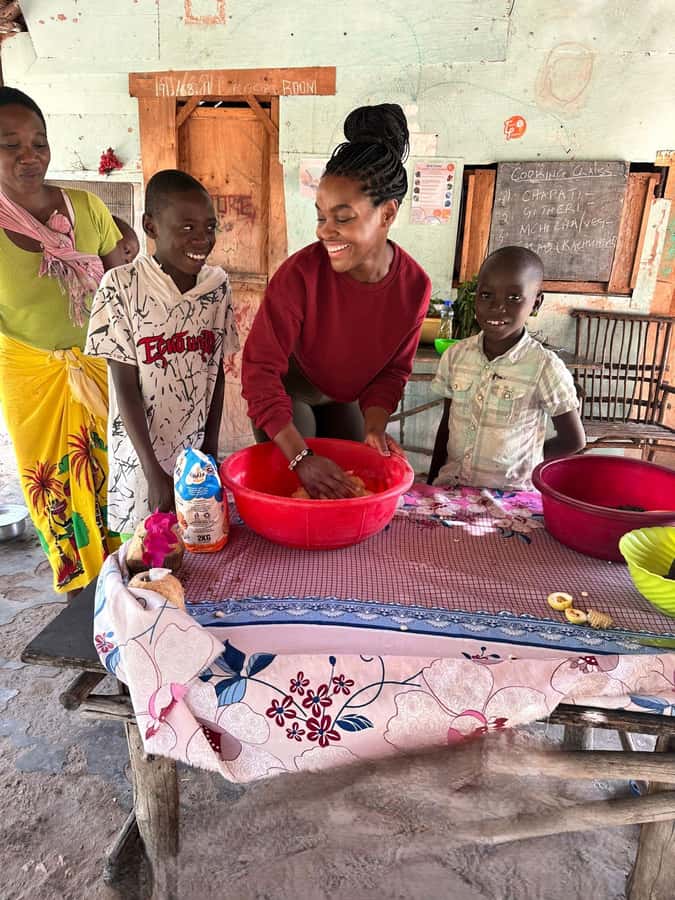
For a basic introduction, yes. For an unhurried cooking lesson and a long meal, possibly not.
One class prepared seven dishes in under two hours. That is impressive value, but it suggests a busy schedule. You will probably get a broad taste of Kenyan cooking rather than spend half an hour mastering one recipe. If you are keen to learn a single dish in great detail, tell the provider in advance and ask how the menu can be adjusted.
A useful tip is to allow extra time around the two-hour class. One person specifically wished there had been more time to eat the food and explore the village. That advice makes sense. The class itself may be listed as two hours, but the camp offers a setting where you may want to linger.
You can also ask about adding a village visit, mangrove activity, workshop, canoe outing, or a stay in one of the camp’s tents or treehouses. These are not included in the cooking class, but they could make Mida Creek Nature Camp part of a fuller local visit rather than a quick stop.
The $25 price and what you receive
At $25 per person, this is one of the better-value food activities in the Malindi area. The fee includes the cooking class, ingredients, and the meal. You are paying for instruction and participation, not just a prepared plate.
The value improves if you eat at the camp, since the meal is part of the package. It also improves for anyone who wants to learn several Kenyan dishes in one sitting. A restaurant can introduce you to the flavors, but it cannot show you how the food is made.
The price does not include transport, additional village or mangrove activities, or accommodation at the camp. Those costs should be considered separately. The meeting point is at Mida Creek Nature Camp, and you are responsible for getting there using the provided map directions.
Free cancellation is available up to 24 hours before the experience for a full refund. You can also reserve and pay later, which is useful if your Malindi schedule is still shifting. Check the available starting times when you book, since lunch and dinner sessions are arranged around the group’s preference.
Who will enjoy this most?
I would recommend this class to you if you want food to be a doorway into local life. It suits curious eaters, couples, small groups, solo visitors comfortable meeting new people, and anyone who prefers a family-run setting to a large organized excursion.
It is especially useful if you have already sampled Kenyan food and want to understand what is behind the menu. Ugali, pilau, coconut rice, vegetables, stew, and mandazi become more memorable once you have helped prepare them.
Families may also enjoy the practical nature of the class, although the supplied information does not give a minimum age or specific child arrangements. Ask before booking if you are traveling with children.
I would be more cautious if you dislike outdoor cooking, need a highly structured schedule, or have a serious food allergy. The class is held over a campfire, the menu changes, and the activity is not suitable for people with food allergies.
Should you book the Mida Creek cooking class?
Yes, if you want an affordable, personal food experience with real local character. The combination of a small group, homegrown ingredients, campfire cooking, and a shared meal offers more than a quick tasting.
Book it with realistic expectations. You are getting a lively two-hour introduction, not a professional culinary course. Confirm allergies, requests, start time, and whether you can stay longer for a meal or add a village activity.
For $25, the class gives you instruction, ingredients, food, and a memorable setting. Harrison’s patient teaching and the family atmosphere are the main reasons I would choose it. If your Malindi plans include Mida Creek, this is a smart way to spend part of an afternoon or evening, especially if you want to eat something you helped create.
FAQ
Where does the cooking class take place?
The class takes place at Mida Creek Nature Camp in Kenya’s Coast Province. Use the Google Maps directions provided for the meeting point.
How long does the class last?
The cooking class lasts about two hours. You should check the available starting times when booking.
Does the class include a meal?
Yes. The price includes the cooking class, ingredients, and a meal. You can eat with the group or take your creations home.
Can I choose lunch or dinner?
Yes. The experience can be arranged for either lunch or dinner, depending on the group’s preference.
What dishes might I learn to cook?
Possible dishes include ugali, githeri, Kenyan pilau, wali wa nazi, sukuma wiki, mchicha, Kenyan stew, nyama choma, matoke, mandazi, and grilled maize. The menu changes, and requests are welcome.
Is the cooking class taught in English?
Yes. English is the listed language for the instructor.
What should I wear?
Bring comfortable clothes suitable for practical cooking over a campfire.
Can I attend if I have a food allergy?
The activity is listed as unsuitable for people with food allergies. You should contact the provider before booking to discuss allergies, intolerances, and any requested dishes.
Just added around Malindi
- Private 3 Day Tsavo East Safari from Mombasa★ 5.0 · 3 reviews
- MIA – Airport Transfer from Mombasa to Watamu or Malindi★ 4.5 · 3 reviews
- Tsavo East Amboseli and Tsavo West Safari 4 Days starting Malindi★ 5.0 · 3 reviews
- Magical Storytelling Swahili Dinner in the Bushbaby Treehouse★ 5.0 · 3 reviews
- 3 Days Tsavo East & Tsavo West Safari★ 5.0 · 4 reviews
- 4 Days Tsavo West – Amboseli and Tsavo East Safari★ 5.0 · 5 reviews
- Gede Ruins & Malindi Tour★ 5.0 · 5 reviews
- Airport transfer★ 5.0 · 6 reviews
Cooking Classes, compared.

Traditional Kenyan Cooking Class & Local Market Tour
Read our review →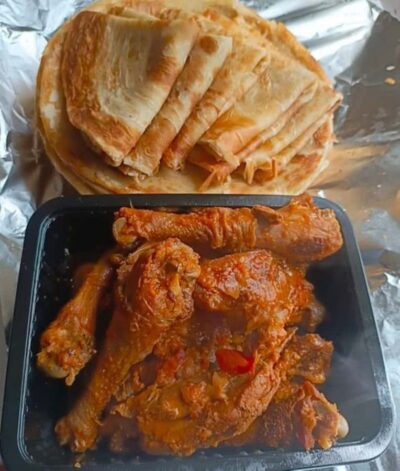
Authentic Kenyan Cooking Class & Market Tour in Nairobi
Read our review →
Private Traditional Kenyan Cooking Class with Lunch in Nairobi
Read our review →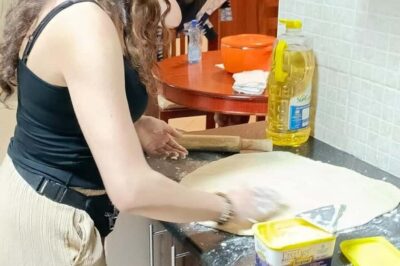
Market Tour and Traditional Kenyan Cooking Class in Nairobi
Read our review →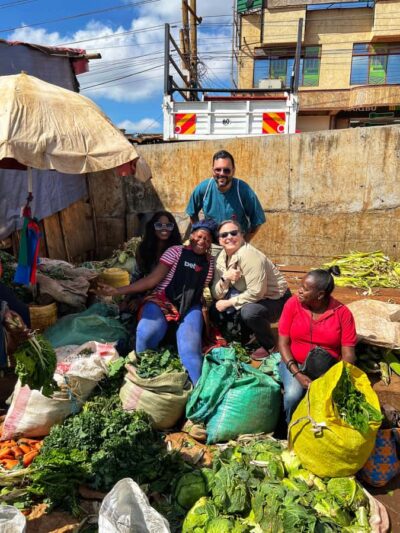
Local Market Tour and Traditional Meal Cooking Class
Read our review →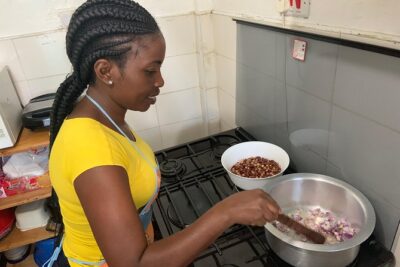
Private Kenyan Cooking Class in Nairobi with a Local
Read our review →Browse the lists this tour appears in