

Reviewed · KIBERA COMMUNITY TOURS
Nairobi: Kibera Street Art Tour with Local Artists
Kibera tells its own story through paint. This 150-minute walking tour gives you a thoughtful way to see Kenya’s largest informal settlement, guided by young artists who grew up there and now use art to support their community. I like the direct access to local artists and their studios, and I like that the murals are explained through personal stories rather than treated as simple photo stops. The chance to sample street food and buy art from its maker adds real value.
The main consideration is the setting. You will walk through working residential areas where people are going about ordinary daily life, not through a staged attraction. Mobility is limited by the walking route, and the tour is not suitable for wheelchair users or people with mobility impairments. You should also follow the guides’ advice about photography.
In This Review
- Key Points to Know Before You Go
- Why This Kibera Walk Feels Different
- Meeting at Gateway Supermarket
- Walking Through Kibera With Local Artists
- The Stories Behind the Murals
- Street Food Along the Route
- Studios, Galleries, and Art You Can Take Home
- Timing, Walking, and Comfort
- Is $45 Good Value?
- Getting Back After Olympic Stage
- Who Should Book This Experience?
- Should You Book the Kibera Street Art Tour?
- FAQ
- Where does the Kibera street art tour begin?
- How long does the tour last?
- Where does the tour finish?
- What languages are available?
- How many guests does each guide accompany?
- Is street food included?
- Can I buy artwork during the tour?
- What should I bring?
- Can I take photographs?
- Is the tour suitable for wheelchair users?
Key Points to Know Before You Go

- Small guide ratio: One guide is provided for every two guests, allowing plenty of time for questions and conversation.
- Art with a purpose: Murals cover education, community concerns, social issues, and the artists’ own experiences.
- Meet local creators: You may visit artist homes, studios, collectives, a gallery, and workshops using recycled materials.
- Street food is part of the experience: Samples are available on request, so tell the team if you want to try local snacks.
- Buy directly from artists: Paintings, recycled-metal objects, blown glass, and other works may be available to purchase.
- Plan your exit: The walk finishes near Olympic stage, where you can call an Uber or taxi or take a matatu.
Why This Kibera Walk Feels Different
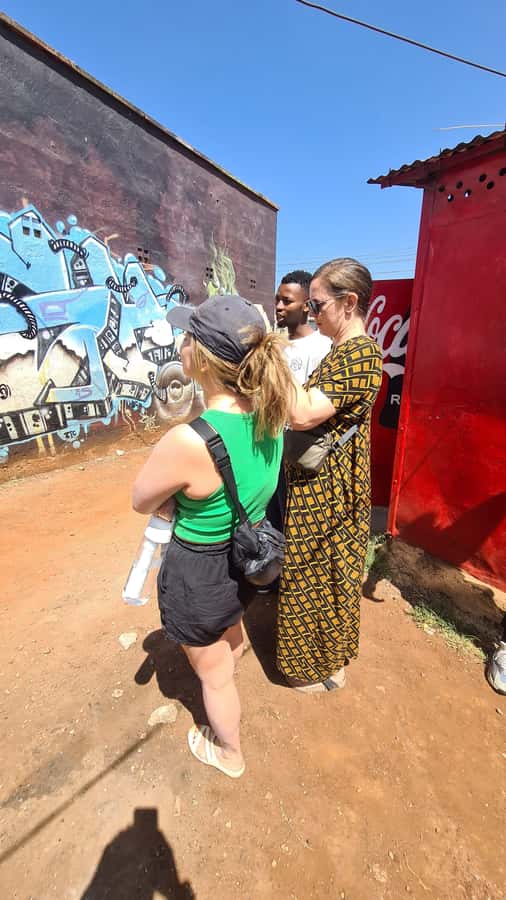
Kibera is often reduced to a few harsh images. This tour asks you to slow down and meet the people shaping their own picture of the community.
Sun Valley Art Collective is made up of about 15 local artists who grew up in Kibera. Their work is not only decorative. The murals can carry educational messages, social commentary, and ideas about how residents organize their community. You are not simply looking at painted walls. You are hearing why the work exists and what it means to the people who made it.
I especially like the local guide setup. One guide for every two guests is unusually personal for a walking tour. It gives you room to ask about the art, the neighborhood, and the artists’ lives without trying to keep up with a large group.
Guides including Saviour and Anthony have been praised for explaining both the artwork and the wider community clearly. Saviour is also an artist whose work you may be able to buy at the end of the walk. That connection matters. Your money can go straight to a creator rather than passing through a large souvenir business.
Still, this is not a polished gallery visit. You will walk on ordinary local routes and pass residents handling daily errands. The experience asks for attention, patience, and good manners. If you want a quiet art museum with controlled lighting and plenty of space, choose a different activity.
More community tours:
- Nairobi: Explore Kibera Slum with Local Guides
★ 4.9 · 365 reviews - Kevins Kibera Slum Tours
★ 5.0 · 213 reviews - Nairobi: Kibera Slum storytelling tour with a Local
★ 5.0 · 185 reviews
Meeting at Gateway Supermarket
The tour begins outside Gateway Supermarket on Kibera Station Road. The meeting point is in Jamhuri Estate, and the provider can give you the map location if needed.
There is no parking at the meeting point, so an Uber or taxi is the simplest choice. Arrive ready to walk rather than expecting a coach transfer. The team describes the location as safe, but you should still keep your belongings secure and stay with your guide.
Wear closed-toe shoes with a solid sole. You will be walking for around two and a half hours, sometimes on routes that may not feel like a standard city sidewalk. A hat, water, and a camera are sensible. Bring snacks if you need them, though local food samples can be arranged on request.
The group size affects the feel of the tour. With one guide for every two guests, you should expect a conversation rather than a speech. English and Swahili are available.
Walking Through Kibera With Local Artists

The main walk lasts about two hours. During that time, the guides lead you to murals, art collectives, artist houses, and studios spread through Kibera.
The most valuable part is the interpretation. You will hear about the artists’ inspiration, their personal situations, and the social or political ideas behind their work. Several paintings are collaborative, so the guides can explain how working together shapes the final piece.
This is where the tour moves beyond a quick photo stop. A mural on a wall may look striking from a distance, but its meaning can be easy to miss. The artists can point out educational content and explain how creative projects give young people a place to develop skills and express themselves.
The guides also talk about life in Kibera and community efforts involving education, healthcare, sports groups, and creative programs. This wider context helps you understand why Sun Valley Art Collective matters to its members. The group is trying to make art part of a hopeful future, not treating it as an activity separate from everyday life.
You may meet other artists during the walk. Past stops have included a welder who makes animal figures from recycled metal and an exhibition featuring another local artist. These encounters show that the creative scene is broader than one mural group.
Photography needs care. Ask before taking pictures of people, and wait for the guide to tell you when it is appropriate. The same rule applies to homes, workshops, and private spaces. The residents you pass are not part of a performance, and respecting that boundary improves the experience for everyone.
The Stories Behind the Murals

A good street art tour explains more than color and technique. Here, the art gives the guides a way to discuss their community on their own terms.
The murals can address education and social concerns, while collaborative pieces show how artists work together. You might find that some works are designed to teach, some to question, and some to give public space a more positive character.
That range is important. Kibera is not presented as one simple story, and the guides do not ask you to ignore its challenges. Instead, you hear about both the realities of life there and the efforts residents make to improve conditions.
I appreciate this balance. The tour does not appear designed to make hardship into entertainment, and it does not pretend that art solves every problem. It gives you a chance to meet young people who are using their own skills to build opportunities.
The personal side is just as strong. At the collective’s studio, you can hear about the artists’ long-term love of art and their work to use that passion for community benefit. The studio visit turns the tour into a meeting with working creators rather than a walk past anonymous walls.
A completely different kind of day out from Nairobi:
- Nairobi National Park Half-Day Tour; Free Wi-Fi connection
★ 5.0 · 878 reviews - Nairobi: National Park & Optional Elephants & Giraffe Center
★ 4.8 · 874 reviews - NAI NAMI: Nairobi Storytelling Tour with Street Children
★ 5.0 · 792 reviews - Nairobi National Park Half-Day Game Drive
★ 4.5 · 738 reviews
Street Food Along the Route

Street food samples are included on request. This is a small detail, but it helps connect the art walk with ordinary life in Kibera.
You should tell the team in advance, or at least early in the tour, if you want to try the food. The provided information does not specify which snacks will be served, so do not arrive expecting a fixed menu. Bring water and your own snacks if you have dietary needs or simply prefer to be prepared.
The food stop is also a chance to support local vendors directly. Eat respectfully, avoid littering, and follow the guides’ advice about where and when to stop. The rule against littering is simple and important, especially on a walking tour through a residential area.
If food is not your priority, the central value of the tour remains the art and conversation. The samples add flavor to the route, but they are not the reason to book.
Studios, Galleries, and Art You Can Take Home
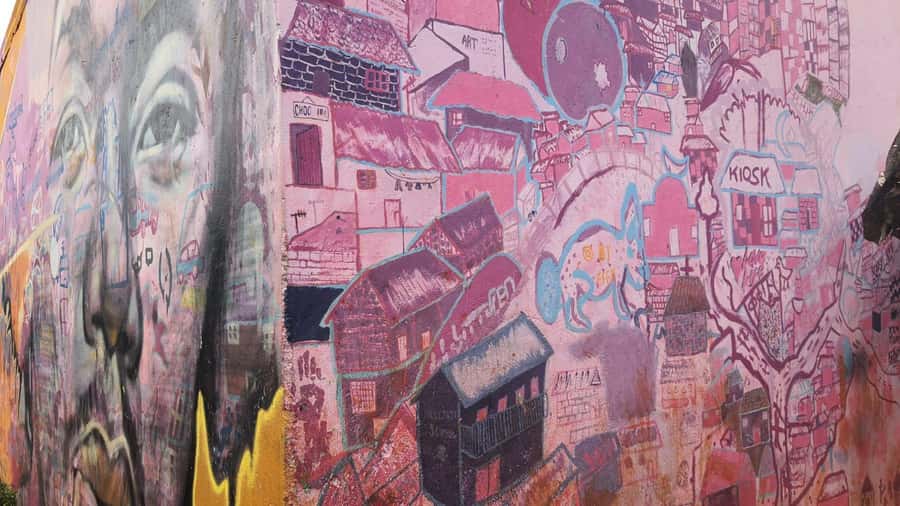
The tour offers several ways to see art outside the murals. You may visit the Sun Valley studio, other artists’ workspaces, an exhibition, and a gallery where local pieces are displayed for sale.
One gallery includes work by several artists, including blown glass made from recycled glass. The collective also displays paintings and objects made from recycled metal. These stops give you more time to look closely and ask about materials, prices, and the process of making each piece.
Buying directly from the artists is one of the strongest reasons to bring extra money. You can choose something with a clear connection to the people you met, and the purchase supports their work more directly than a generic souvenir.
Do not feel pressured to buy. The tour should still be worthwhile if you only look and listen. If you do plan to shop, leave space in your luggage and carry a payment method that works for local purchases. The exact prices and payment options for individual artworks are not specified, so ask the artist before committing.
A painting by Saviour, for example, can serve as a lasting reminder of the walk. More importantly, it gives you a chance to support an artist whose work and community ties you have seen firsthand.
Timing, Walking, and Comfort
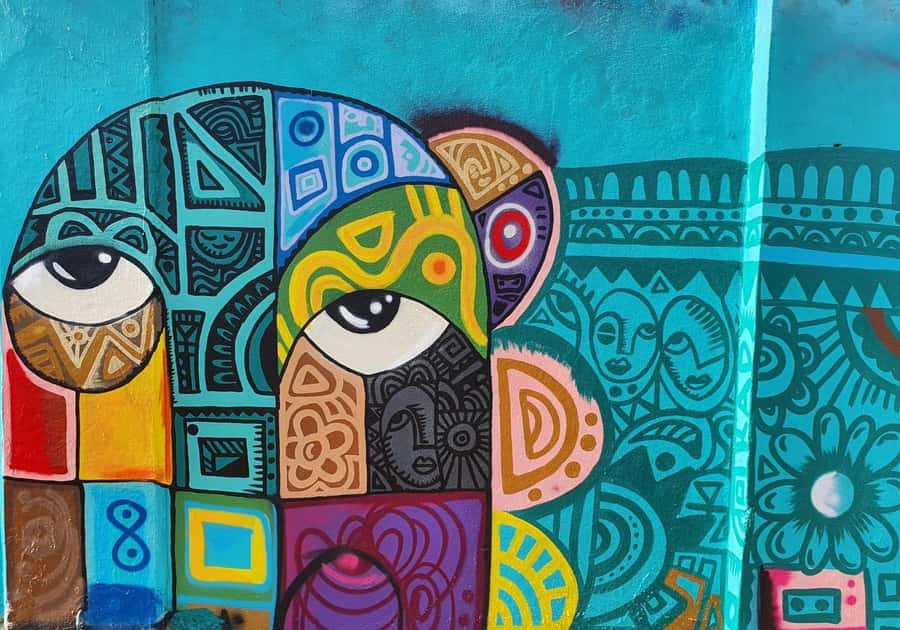
The advertised duration is 150 minutes, while the included tour description gives a two to three hour range. Allow at least three hours in your day so you are not rushing to the next appointment.
The route includes about two hours of guided walking and around 30 minutes at a featured art stop or studio. The pace may vary depending on questions, food stops, and the number of artists available to meet.
Comfortable closed-toe shoes are essential. A hat helps in the sun, and water is a must. The provider specifically notes that the experience is not suitable for wheelchair users or people with mobility impairments. If you have another special requirement, contact the team before booking. They say they are flexible and open to requests, but the walking conditions still matter.
This is best for people who enjoy meeting creators, asking questions, and seeing a city through local voices. It is less suitable for anyone who wants a fast sightseeing loop, a formal art lecture, or a tour with no walking on uneven local routes.
Is $45 Good Value?
At $45 per person, the price is reasonable if you value personal guiding and direct community contact. You receive a 150-minute experience, a guide ratio of one guide to two guests, access to local artists and studios, explanations of murals, and street food samples on request.
The small guide ratio is the key value point. A cheaper large-group walk may show you some of the same streets, but it is unlikely to give you as much time with the artists or as many chances to ask questions.
The price does not include artwork. That is fair, since art prices vary and purchases are optional. Budget separately if you hope to take home a painting, a recycled-metal object, or another locally made piece.
I would see the $45 as payment for time, access, and conversation rather than for a list of monuments. The experience is strongest when you are curious about the artists and willing to listen. If your main goal is to collect photos, the value will feel lower.
Getting Back After Olympic Stage
The tour finishes near Olympic stage. From there, you can call an Uber or taxi, or take a matatu to your next destination.
This ending is useful because you are not left trying to find your way back to the starting point. Still, plan your onward transport before the walk ends. Keep your phone charged, and ask the guides for help with the best departure option for your next stop.
There is no parking at the meeting point, so private cars are not the most convenient choice. A taxi or ride-hailing service is the practical answer at both ends of the experience.
Who Should Book This Experience?
I would recommend this walk to you if you:
- Want to meet artists who grew up in Kibera
- Prefer local conversation to a standard sightseeing script
- Care about where your tourism money goes
- Enjoy murals, painting, recycled art, and community projects
- Are comfortable walking through active residential areas
- Would like the option to try street food and buy art directly
I would be more cautious if you have mobility limits, dislike walking, or feel uncomfortable taking guidance about photography and conduct. This is a working neighborhood, and respectful behavior is not optional.
The tour also suits repeat visitors to Nairobi who want a side of the city not covered by major museums and landmarks. First-time visitors can enjoy it too, especially if they come with an open mind and enough time for conversation.
Should You Book the Kibera Street Art Tour?
Book it if you want Kibera explained by people who know it from the inside. The best parts are the small guide ratio, the personal stories behind the murals, the studio visits, and the chance to support artists directly.
I would not book it simply to photograph poverty or collect dramatic images. The experience works when you treat the community as a place where people live, work, create, and organize.
For $45, this is a strong choice for an art-minded visitor who values direct local contact. Wear good shoes, bring water, ask before taking photos, and leave room in your schedule for the walk to run closer to three hours.
FAQ
Where does the Kibera street art tour begin?
It begins outside Gateway Supermarket on Kibera Station Road in Jamhuri Estate. A map location can be provided.
How long does the tour last?
The scheduled duration is 150 minutes. The tour description allows approximately two to three hours.
Where does the tour finish?
It finishes near Olympic stage, close to options for an Uber, taxi, or matatu.
What languages are available?
The live guides speak English and Swahili.
How many guests does each guide accompany?
The tour provides one guide for every two guests.
Is street food included?
Street food samples are available on request. The specific foods are not listed, so ask the team what will be available.
Can I buy artwork during the tour?
Yes. Artwork is available to purchase directly from local artists, but the cost of artwork is not included in the tour price.
What should I bring?
Bring comfortable closed-toe shoes, a hat, water, snacks, and a camera.
Can I take photographs?
You should ask before photographing people and follow the guides’ instructions about when photography is appropriate.
Is the tour suitable for wheelchair users?
No. The experience is not suitable for wheelchair users or people with mobility impairments.
Just added around Nairobi
- Nairobi: Giraffe Center, Elephant Orphanage and Bomas Tour★ 5.0 · 3 reviews
- Nairobi: Airport and Hotel Private Transfers.★ 4.0 · 3 reviews
- Kitengela Anselm Hot Glass tour★ 4.5 · 3 reviews
- 11-Days Best of Kenya & Tanzania Big 5 Safari on a 4×4 Jeep★ 5.0 · 3 reviews
- 12-Day Tsavo west Amboseli lake Nakuru Maasai Mara safari★ 5.0 · 3 reviews
- NAIROBI NATIONAL PARK AFTERNOON GAME DRIVE.★ 5.0 · 3 reviews
- Nairobi Down Town & Walking City Tour★ 4.8 · 3 reviews
- Carnivore Resturant Dinner Experience★ 4.0 · 3 reviews
Kibera Community Tours, compared.





Kibera Slum Tour with Local Social Entrepreneurs
Read our review →


Browse the lists this tour appears in