

Reviewed · KIBERA COMMUNITY TOURS
Kibera slum tour with Lucas
Look beyond Nairobi’s usual sights. This three-hour walking tour with a guide born and raised in Kibera gives you a direct look at Toi Market, a local home, craft workshops, a school, and daily life in one of Nairobi’s largest informal settlements. I especially like the local connection and the fact that 30% of the $35 fee supports Hope and Shine Kibera Centre, a school serving more than 40 children.
I also like the range of stops. You are not simply led through streets and shown hardship. You meet traders, see bone and brass jewelry being made, visit a family home, and look across Kibera from the old railway line. The main consideration is the walking: paths can be uneven or muddy, and one stop at a craft shop may feel sales-focused if you do not want to buy anything.
In This Review
- Key Things To Know Before You Go
- Meeting Lucas at Greenhouse Mall
- Toi Market: Start With Everyday Commerce
- Victorious Craft Shop and Recycled Bone Jewelry
- Seeing Kibera From the Old Railway Line
- The Home Visit: A Personal, Sensitive Stop
- Hope and Shine Kibera Centre
- How Much Walking Should You Expect?
- Safety, Photography, and Good Manners
- Is $35 a Fair Price?
- Who Will Get the Most From This Tour?
- Final Verdict: Book It If You Want Context, Not a Spectacle
- FAQ
- Where does the Kibera tour begin?
- How long does the tour last?
- What language is the tour conducted in?
- Who leads the tour?
- How much does the tour cost?
- Does the tour support a local school?
- Is the tour suitable for wheelchair users?
Key Things To Know Before You Go

- Your guide comes from Kibera: Lucas, Effie, Elijah, and Peter have led visitors through the area, with several guides born and raised locally.
- Thirty percent supports a school: Your booking helps Hope and Shine Kibera Centre, which hosts over 40 children.
- Toi Market is a major stop: You see sections selling clothing, food, hardware, and other goods across a six-acre market.
- You enter a real family home: The home visit gives context that a street walk alone cannot provide.
- Crafts have a local story: Victorious Craft shop recycles domestic animal bones with brass to make jewelry and ornaments.
- Expect real walking: Comfortable shoes matter, and wheelchair users cannot be accommodated.
Meeting Lucas at Greenhouse Mall

The tour begins at the entrance of Greenhouse Mall on Ngong Road. This is a useful meeting point because you start in a familiar public place before walking into Kibera. Your guide briefs you on the plan and explains what to expect.
Lucas is the named organizer, but you may be led by Lucas, Effie, Elijah, Peter, or another member of the team. That flexibility appears to be part of the operation. Several guides have been praised for answering questions, staying close to solo visitors, and adjusting the pace when needed.
This first briefing matters. Kibera is not a sightseeing set built for outsiders. You are entering a working community where people live, trade, study, and get on with their day. A good guide helps you look without treating local residents as scenery.
The tour is offered in English. If you are not fully comfortable with English, you may miss some details, but the route itself remains accessible at a basic level, and one visitor who was not fluent still found the experience worthwhile.
More community tours:
- Nairobi: Explore Kibera Slum with Local Guides
★ 4.9 · 365 reviews - Kevins Kibera Slum Tours
★ 5.0 · 213 reviews - Nairobi: Kibera Slum storytelling tour with a Local
★ 5.0 · 185 reviews
Toi Market: Start With Everyday Commerce
Toi Market is one of the tour’s strongest stops. It is described as Nairobi’s second largest open-air market after Gikomba, and the route takes you through different sections rather than giving you only a quick pass along the edge.
You may see areas selling clothes, food, and hardware. The market shows Kibera as a place of trade and enterprise, not simply a place defined by poverty. Traders are working, customers are shopping, and goods move through the neighborhood. That is important context because an informal settlement is also a home and an economic center.
Your guide can help explain what you are seeing and introduce you to traders. The experience is more useful when you ask plain, respectful questions about the goods, prices, and how the market works. Keep your camera ready, but ask before photographing people. A market is a public place, yet a person is not automatically part of your holiday picture.
There is also a practical point here: the market adds noise, movement, and uneven walking to the day. Wear shoes with a good grip. Keep valuables secure and carry only what you need. The tour includes safety support, but ordinary city awareness still makes sense.
Victorious Craft Shop and Recycled Bone Jewelry

The craft stop adds a welcome change of pace. At Victorious Craft shop, domestic animal bones are recycled and combined with brass to create jewelry and ornaments. This is one of the most distinctive details on the route because it shows a small business turning discarded material into income and useful goods.
You can see the creative work up close and learn how a local craft is made. If you find something you like, buying can support the makers directly, though you should never feel obliged to purchase.
A second stop is the Power Women shop, where women educate young girls about HIV and AIDS. This gives the tour another important angle. You are not only seeing material conditions. You are also learning about community-led responses to health and social problems.
One practical caution: the tour may include stops at two jewelry or craft shops. Some people will enjoy browsing and supporting local businesses. Others may feel pressure to buy, especially when the stop follows an emotional visit or personal conversation. Set your budget before you go, and remember that a polite no is enough.
Seeing Kibera From the Old Railway Line
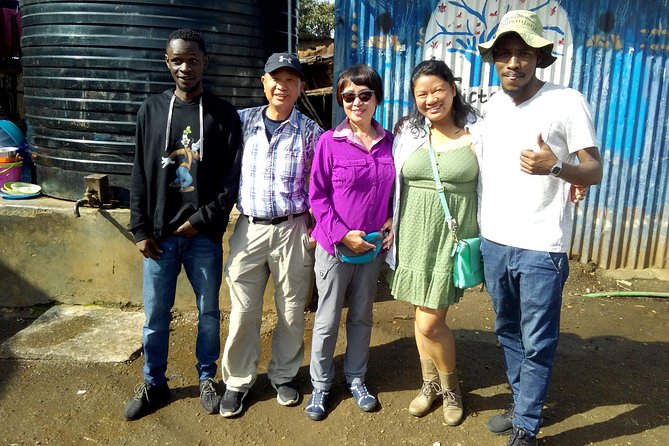
The old colonial railway line provides a raised viewpoint over Kibera. From here, your guide can help you understand the scale of the settlement and point out features that are easy to miss at street level.
This is a visual pause in a walking route that otherwise keeps you among homes, shops, and narrow paths. You may also learn about water and electricity supplies, washing areas, toilet systems, and the problems that come with limited services.
Numbers used to describe Kibera vary, so I would focus less on memorizing population figures and more on what you can see: a large, dense urban community with complex systems and serious challenges. The raised view helps connect individual details to the wider area.
It is also a good place for photographs, but use judgment. A distant view of buildings is different from photographing someone’s home or private life. Let your guide advise you, and ask permission when people are identifiable.
A few more trips worth weighing up
- Nairobi National Park Half-Day Tour; Free Wi-Fi connection
★ 5.0 · 878 reviews - Nairobi: National Park & Optional Elephants & Giraffe Center
★ 4.8 · 874 reviews - NAI NAMI: Nairobi Storytelling Tour with Street Children
★ 5.0 · 792 reviews - Nairobi National Park Half-Day Game Drive
★ 4.5 · 738 reviews
The Home Visit: A Personal, Sensitive Stop

The home visit is likely to be the most personal part of the experience. You enter the home of one of the guides and meet members of the family. One visitor specifically remembered meeting a guide’s mother, Alice, and described the welcome as warm and memorable.
This stop can correct the flat picture that visitors sometimes carry into a slum tour. A home is not just a sign of poverty. It is where people cook, rest, raise children, and receive family and friends. Seeing the interior gives you a more grounded sense of daily life than simply looking at rows of buildings from a road.
At the same time, this is the point where respectful behavior matters most. You are being invited into someone’s private space. Listen more than you speak, avoid turning the visit into a photo session, and let the family decide what they want to share.
The home visit is also why this tour feels more personal than a standard city excursion. You are not kept at a safe distance from the community, but you are given access through a family relationship. That comes with responsibility.
Hope and Shine Kibera Centre
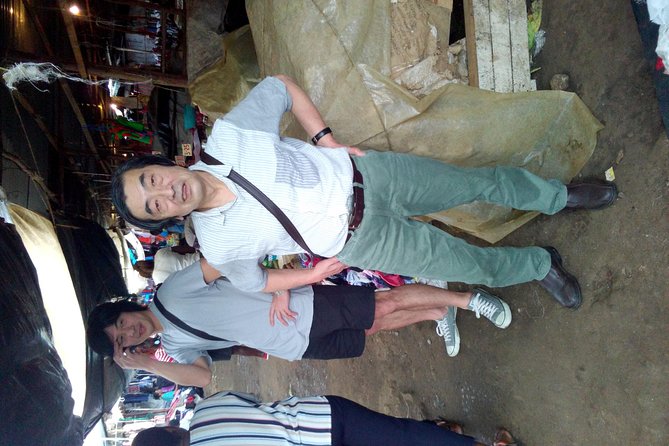
The school is the final major stop before departure. Hope and Shine Kibera Centre hosts more than 40 children, and 30% of your tour fee helps support the school.
This is the clearest reason to consider the tour’s value beyond the three hours themselves. At $35 per person, you are paying for a locally guided experience and contributing directly to a stated community project. The fee is higher than some basic walking tours may be, but the school support gives the price a clear purpose.
The school has been undergoing renovation, funded in part by money from the tours. You may meet children and see the center’s work firsthand. One couple chose to bring books, coloring pens, and T-shirts, while another visitor described the school as the most memorable stop.
If you want to bring donations, contact the organizer first and ask what is useful. The supplied information confirms that people have donated school materials, but it does not provide a formal donation list. Cash, food, books, clothing, and educational supplies are not automatically appropriate in every setting.
The school visit can feel emotional, especially after seeing difficult living conditions. Try to keep the focus on the children and the center’s work rather than treating the visit as a dramatic finale. The strongest part is seeing a practical effort that your booking helps fund.
How Much Walking Should You Expect?
The advertised tour lasts three hours, but the activity details also describe time for a break, photographs, shopping, walking, and views, with a possible extra period of up to two hours. The exact pace can depend on the group, the guide, and how much time you spend at the market, craft shops, home, and school.
Plan for a substantial amount of walking. Paths may be dirt, wet, muddy, or uneven. An 83-year-old visitor with walking difficulties was assisted by Lucas over dirt trails and slopes, and another visitor using walking sticks was carefully supported by Effie and Peter. That is encouraging, but it should not be read as a guarantee that the route will suit everyone.
The activity is not suitable for wheelchair users. It also lists a maximum age of 95, though the real issue is mobility rather than a number. If you have knee, balance, or stamina concerns, tell the organizer before booking and ask what adjustments are possible.
Bring comfortable shoes and a camera. A small bag is easier than bulky luggage, especially in the market. Since the tour is on foot, you will be happier with practical clothing than with anything delicate or formal.
Safety, Photography, and Good Manners
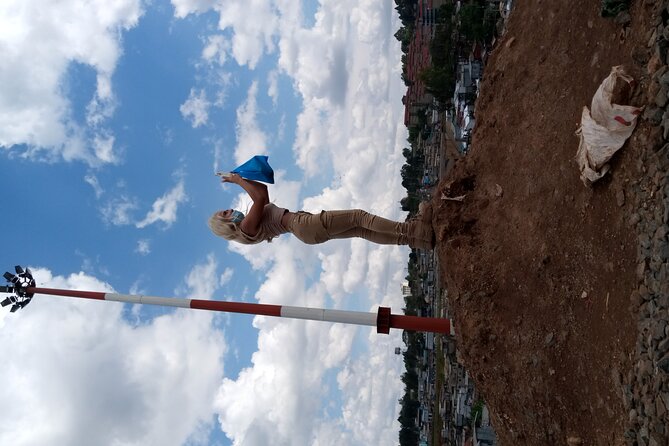
The tour includes safety support, and solo visitors have felt well looked after, including a solo woman who said she felt safe throughout. Guides have also helped older visitors and made sure people could arrange an Uber safely at the end.
That support is reassuring, but it does not remove the need for common sense. Stay with your guide, follow instructions, and avoid wandering away to take a picture. Your guide knows the area and can tell you where to pause and where not to stop.
Photography needs care. The experience includes plenty of places for pictures, particularly at the market and the raised railway viewpoint. But homes, children, traders, and residents deserve more consideration than a building or a scenic view.
Ask permission before taking close portraits. At the school, put your camera away if the moment calls for attention rather than documentation. You will get better photographs, and a better experience, by building trust first.
Is $35 a Fair Price?

For three hours, $35 is a reasonable price if you want a local guide and a community contribution built into the booking. You are not only paying for a walk. The fee covers a guide born and raised in Kibera, safety support, access to several community-based stops, and a 30% contribution to Hope and Shine Kibera Centre.
The value depends on what you want. If you prefer a quick panoramic view of Nairobi, this is not the right use of your money. If you want context, conversation, and a direct look at daily life, the cost is easier to justify.
The route also supports local businesses through the market and craft stops. Still, do not confuse a tour fee with a guarantee that every dollar reaches the community. The stated commitment is 30% for the school. That is the figure to use when judging the contribution.
Free cancellation is available up to 24 hours before the tour, and you can reserve now and pay later. Starting times depend on availability. The meeting point is Greenhouse Mall, while the activity details also identify Equity Bank Kibera as a departure point before returning to Greenhouse Mall. Confirm the exact end point and pickup plan when you book, especially if you need to arrange a car.
Who Will Get the Most From This Tour?
I would recommend it to you if you want to understand Nairobi beyond museums, parks, and city-center landmarks. It suits curious adults, solo visitors, couples, and older people who can manage uneven walking with support.
It is also a good fit if you want your sightseeing money to do something practical. The school contribution is not a vague promise of helping the community. The tour identifies Hope and Shine Kibera Centre and explains that it serves more than 40 children.
You should think twice if you dislike visiting places where poverty is visible. This is not a polished attraction, and parts of the route may be uncomfortable. The home visit and school stop also require emotional maturity. You need to see people as neighbors and partners, not as an exhibit.
Families may find the school and market interesting, but the tour data does not give a minimum age or child-specific program. Ask the organizer before bringing young children.
Final Verdict: Book It If You Want Context, Not a Spectacle
I would book the Kibera tour with Lucas if I wanted a direct, locally guided introduction to one of Nairobi’s most misunderstood communities. The strongest features are the guides’ personal connection, the mix of market, crafts, home, railway viewpoint, and school, and the clearly stated 30% contribution to Hope and Shine Kibera Centre.
I would go prepared for mud, uneven paths, emotional moments, and craft-shop sales pressure. Bring sensible shoes, keep your camera respectful, and ask questions without expecting residents to perform their lives for you.
For $35, this is a worthwhile choice for an open-minded visitor who wants to listen, learn, and support a local school. It is not a casual sightseeing stroll, and that is precisely why it can stay with you.
FAQ
Where does the Kibera tour begin?
The meeting point is at the entrance of Greenhouse Mall on Ngong Road.
How long does the tour last?
The advertised walking tour lasts three hours. The activity details also include time for a break, photography, shopping, walking, and views, with a possible additional period of up to two hours. Confirm the expected timing when you book.
What language is the tour conducted in?
The live tour guide speaks English.
Who leads the tour?
The guides are born and raised in Kibera. Lucas organizes the experience, and guides named in the tour information include Lucas, Effie, Elijah, and Peter.
How much does the tour cost?
The price is $35 per person.
Does the tour support a local school?
Yes. Thirty percent of the tour fee supports Hope and Shine Kibera Centre, a local school that hosts more than 40 children.
Is the tour suitable for wheelchair users?
No. The tour is not suitable for wheelchair users because the route includes uneven and sometimes muddy walking paths.
Just added around Nairobi
- Nairobi: Airport and Hotel Private Transfers.★ 4.0 · 3 reviews
- Nairobi: Giraffe Center, Elephant Orphanage and Bomas Tour★ 5.0 · 3 reviews
- 11-Days Best of Kenya & Tanzania Big 5 Safari on a 4×4 Jeep★ 5.0 · 3 reviews
- Kitengela Anselm Hot Glass tour★ 4.5 · 3 reviews
- NAIROBI NATIONAL PARK AFTERNOON GAME DRIVE.★ 5.0 · 3 reviews
- 12-Day Tsavo west Amboseli lake Nakuru Maasai Mara safari★ 5.0 · 3 reviews
- Nairobi Down Town & Walking City Tour★ 4.8 · 3 reviews
- Carnivore Resturant Dinner Experience★ 4.0 · 3 reviews
Kibera Community Tours, compared.





Kibera Slum Tour with Local Social Entrepreneurs
Read our review →


Browse the lists this tour appears in