
Reviewed · KIBERA COMMUNITY TOURS
Afternoon Kibera Slum Tour
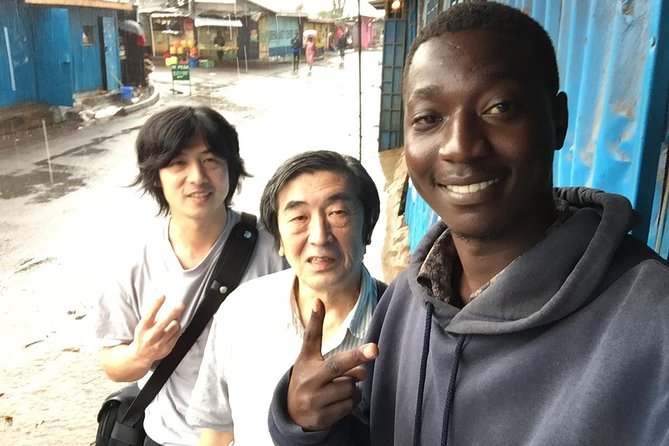
Come ready to walk and listen. This afternoon experience takes you through Kibera during its busiest working hours, showing you much more than poverty. You’ll see Toi Market, meet people involved in local social projects, and learn how enterprise and community action shape daily life. I like the focus on real community groups, and I like that the tour is private rather than a large mixed crowd.
The main consideration is simple: this is a long walking tour through an informal settlement, not a polished sightseeing outing. You may find the setting challenging, and you should be prepared for roughly four hours or more on foot. The $60 price feels reasonable if you value a personal guide and direct contact with local projects, but less so if you want a short, comfortable city tour.
In This Review
- Key points to know before booking
- Why an afternoon in Kibera feels different
- Meeting at Greenhouse Mall on Ngong Road
- Walking through Toi Market
- Meeting the children at Kibera Pride Orphanage
- Seeing recycling at Victorious Bone Craft
- Hearing from the Power Women Group
- What Lucas and Elijah add to the walk
- How much walking should you expect?
- Is $60 a fair price?
- The ethical question behind slum tourism
- Who should book this afternoon experience?
- Should you book the Kibera afternoon walk?
- FAQ
- Where does the tour begin?
- Is pickup available?
- How long does the tour last?
- Is this a private tour?
- What places are included?
- Are all fees included in the price?
- Can I cancel for a full refund?
Key points to know before booking

- Afternoon timing shows Kibera at work: The tour runs during peak operating hours, so you see markets, shops, and community activity in motion.
- Toi Market anchors the route: This large open-air market is described as the second largest in Nairobi and an important source of income for Kibera.
- Local projects give the walk purpose: Stops include Kibera Pride Orphanage, Victorious Bone Craft, and the Power Women Group and Shop.
- Lucas and Elijah lead the experience: Their approach has been praised for professionalism, clear answers, and a personal touch.
- Expect a serious amount of walking: One person specifically enjoyed the walking but warned that you should prepare for it.
- The booking is private: Only your own group takes part, and pickup is offered, with the listed meeting point at Greenhouse Mall on Ngong Road.
Why an afternoon in Kibera feels different

Many city tours show you Nairobi through monuments, museums, or vehicle windows. This one takes a closer look at how people work, organize, trade, and support one another in Kibera.
The afternoon timing matters. You visit when the settlement is active, rather than during a quiet morning period. That means the route is built around ordinary work and community life. You may see the economic side of Kibera through Toi Market, then learn how social and artistic groups create opportunities outside more formal systems.
The tour description presents Kibera as a place of peace, love, and unity. That is an inviting idea, but I would treat it as a theme to explore rather than a promise that every moment will feel easy. A settlement of this size is bound to be complex. The value of a good guide is helping you see both the energy and the difficulties without reducing the area to a single story.
This is also why a private booking can help. Your group can ask questions and set a pace that suits you within the tour schedule. Lucas and Elijah are named as guides, and the strongest praise focuses on their professionalism, personal manner, and ability to answer questions clearly.
More community tours:
- Nairobi: Explore Kibera Slum with Local Guides
★ 4.9 · 365 reviews - Kevins Kibera Slum Tours
★ 5.0 · 213 reviews - Nairobi: Kibera Slum storytelling tour with a Local
★ 5.0 · 185 reviews
Meeting at Greenhouse Mall on Ngong Road
The listed meeting point is Greenhouse Mall along Ngong Road, where an accredited guide meets you before the walk begins. Pickup is offered, but the published details specifically identify the mall as the meeting place, so check the arrangements carefully when you book.
The tour is near public transportation, which gives you another way to reach the start if you are not using pickup. Since the experience can last four to six hours, leave enough time around the appointment for getting there and returning afterward.
A mobile ticket is provided, and confirmation arrives at booking. Those are useful conveniences, but the practical issue is still timing. You do not want to arrive late for a walking route through a busy area, especially when the guide is coordinating a private group.
Wear comfortable shoes and bring enough water for a long walk. The tour does not advertise a vehicle-based circuit, and direct feedback makes clear that you should expect plenty of walking. That is part of the experience, but it is also the main physical demand.
Walking through Toi Market
Toi Market is one of the key stops, and it gives the tour an immediate connection to Kibera’s economy. It is described as Nairobi’s second largest open-air market and as the backbone of local trade.
That description tells you why the market matters. You are not simply passing through a colorful shopping area. You are seeing a place where buying, selling, and small business support daily life. The afternoon schedule should place you there when commercial activity is at full strength.
Markets can be sensory and crowded, so keep your attention on the guide and your belongings. The route is a walking tour, and moving through an active market requires patience. You may need to pause, make room for other people, and listen closely while the surroundings compete for your attention.
I like this part of the experience because it gives economic context before the social stops. It helps you understand Kibera as a working community, not just as a place defined by need. Still, the market is not presented as a shopping excursion, so book this tour for the human and economic insight rather than for a guaranteed list of purchases.
Meeting the children at Kibera Pride Orphanage
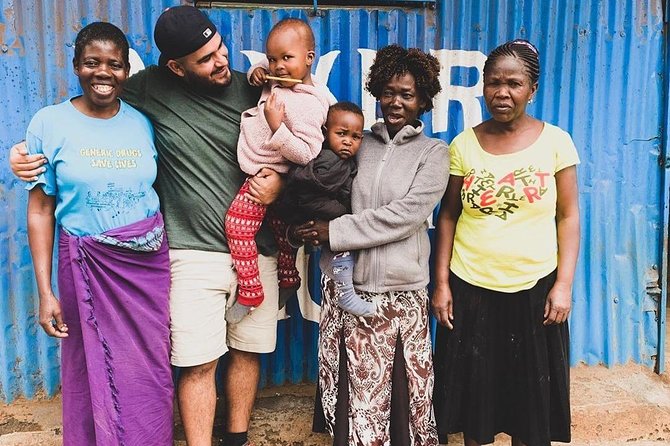
The itinerary includes Kibera Pride Orphanage, which houses more than 25 vulnerable children from the settlement. This stop brings the social challenges of Kibera into sharper focus.
It also calls for care and respect. The information provided does not specify the exact format of the visit, so your guide will be the best person to explain how the stop works and what is appropriate. Listen first, avoid treating the children as photo subjects, and follow the guidance given on site.
The orphanage is important because it shows one way local support is organized. Rather than hearing only broad statistics, you encounter a named community project with a direct role in helping children. That can make the issue more personal, but it can also feel emotionally heavy.
I would not book this tour expecting a feel-good stop at every turn. The orphanage may raise difficult questions about vulnerability, education, family support, and the limits of local resources. That is part of the reason to go, provided you are ready to engage with the subject respectfully.
A few more trips worth weighing up
- Nairobi National Park Half-Day Tour; Free Wi-Fi connection
★ 5.0 · 878 reviews - Nairobi: National Park & Optional Elephants & Giraffe Center
★ 4.8 · 874 reviews - NAI NAMI: Nairobi Storytelling Tour with Street Children
★ 5.0 · 792 reviews - Nairobi National Park Half-Day Game Drive
★ 4.5 · 738 reviews
Seeing recycling at Victorious Bone Craft
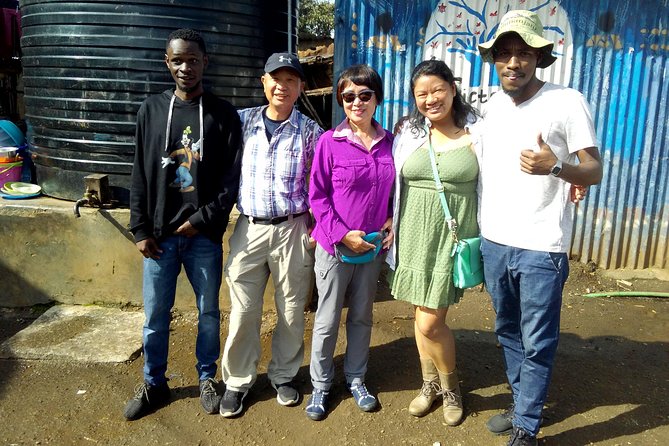
Victorious Bone Craft Group offers one of the most unusual stops on the route. The group recycles domestic animal bones into jewelry, turning a discarded material into a source of artistic work and income.
This is the kind of detail that gives the tour texture. You are shown a practical example of creativity growing outside formal commercial systems. The work is not described as a staged cultural display. It is presented as a local group specializing in a specific craft.
You may find this stop especially interesting if you care about recycling, design, social enterprise, or handmade goods. It also changes the tone of the tour. After the market and orphanage, the bone craft group shows how people can build an enterprise from limited materials.
The information does not say how much time you spend there or whether jewelry is available for purchase. Ask the guide if buying is possible, but do not assume it is part of the package. All listed fees and taxes are included, while alcoholic drinks are not.
Hearing from the Power Women Group
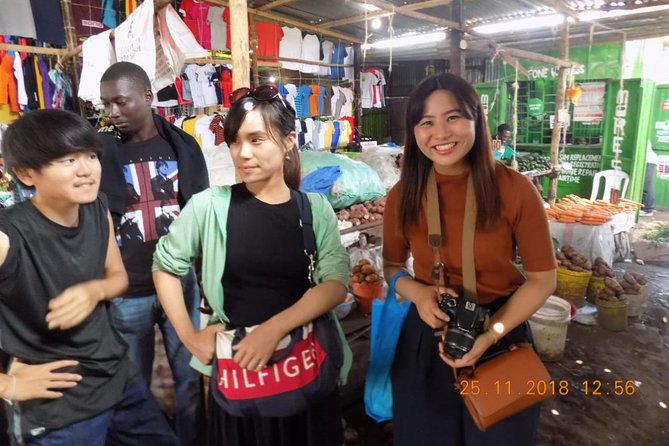
The Power Women Group and Shop is another central stop. It is described as a group of women who are victims of HIV/AIDS, and the tour gives you the chance to hear their stories and learn how the group operates.
This may be the most personal part of the afternoon. The value comes from meeting a named group rather than discussing HIV/AIDS only as an abstract issue. You get a clearer sense of how women affected by the disease organize, work, and support one another.
At the same time, this is a sensitive encounter. You should approach it with humility, not curiosity for its own sake. The people you meet are not there to provide an emotional performance. Their experiences deserve attention, privacy, and respectful questions.
The inclusion of a shop suggests that there may be products connected to the group, but the available details do not explain what is sold. I would see any purchase as optional. The main reason to stop is to understand the group’s work and hear its story.
What Lucas and Elijah add to the walk
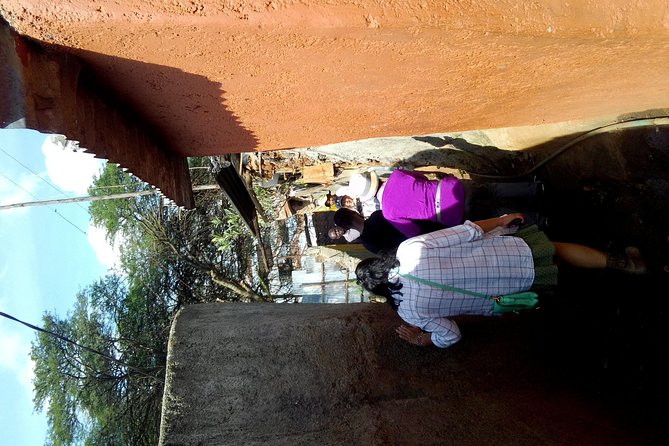
A community tour depends heavily on the guide. The route itself matters, but the guide decides how much context you receive, how sensitive topics are handled, and how comfortable you feel asking questions.
Lucas and Elijah are identified as the guides for this experience. Their strongest qualities are professionalism, a personal approach, and the ability to answer questions. That combination is important in Kibera, where a rushed or careless explanation could easily turn a serious visit into a shallow spectacle.
Lucas also responds warmly to people after the tour, which suggests that the operator takes the human side of hosting seriously. That does not guarantee that every departure will feel identical, but it does give you a useful sense of the tone to expect.
A good guide should help you understand the area without pretending to speak for every resident. If you have questions about photography, donations, purchases, or how to behave at the community stops, ask before acting. Clear communication is especially valuable on a tour involving children, health issues, and vulnerable people.
How much walking should you expect?
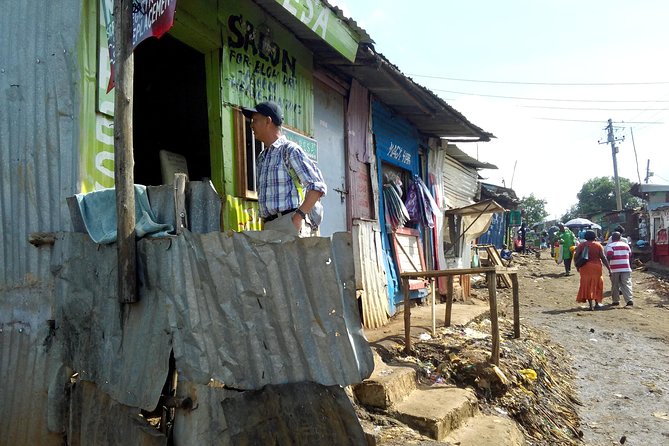
Plan for a proper walk, not a brief stroll between vehicle stops. The advertised duration is about four to six hours, while the itinerary lists four hours. That difference likely reflects the pace, meeting arrangements, and time spent at the various stops, so keep your afternoon open.
The route includes Toi Market and several community projects. Even without exact distances, that combination means time on foot and frequent pauses. One direct account of the experience recommends preparing to walk a lot, while also making clear that the walking was a positive part of the day.
Most people can participate, according to the additional information. Still, the listing does not provide details about step-free access, seating, toilets, or the condition of the walking route. If you have mobility concerns, contact Visit Kibera Expeditions before booking and ask specific questions.
Good walking shoes matter more here than smart clothes. Bring water, use sun protection, and choose clothing that lets you move comfortably. These are basic choices, but they can decide whether you enjoy the afternoon or spend it thinking about sore feet.
Is $60 a fair price?
At $60 per person, this is not the cheapest way to spend an afternoon in Nairobi. The price includes all fees and taxes, and the experience is private, so your group is not combined with strangers.
That private format helps explain the cost. You are paying for an accredited guide, a planned route, and access to several community-focused stops. The tour also takes four to six hours, which is a substantial part of your day.
I think the value is strongest if you want context and conversation. You are not simply looking at Kibera from a roadside viewpoint. You are walking through its market economy and visiting groups connected to children’s welfare, recycling, women’s support, and HIV/AIDS advocacy.
The value is weaker if you want a relaxed sightseeing outing with little emotional weight. The price does not include alcoholic beverages, though that should not matter much for an afternoon built around walking and community visits. Your decision should rest on the kind of experience you want, not on the drinks policy.
The ethical question behind slum tourism
A visit to an informal settlement needs more thought than a normal city attraction. Kibera should not be treated as a backdrop for dramatic photos or as a quick lesson in hardship.
This tour has a stronger basis than a simple drive-by because it includes local guides and named community enterprises. The focus on work, art, education, women’s support, and local organization gives you a fuller picture than poverty alone.
Still, the format can feel uncomfortable at times. You are entering a place where people live and work, and some of the stops involve children and people affected by serious health issues. Your attitude matters. Listen to the guide, ask permission before taking photos, and treat purchases or donations as choices rather than obligations.
I also recommend keeping your questions open and respectful. Ask how a group works, what it hopes to achieve, or what visitors should understand. Avoid turning personal hardship into a demand for intimate details.
Who should book this afternoon experience?
I would suggest it to you if you want to understand Nairobi through local enterprise and community organizations. It suits curious visitors who are comfortable walking for several hours and who can give serious subjects their full attention.
It is also a good choice for a small private group. Families with older children, students, photographers who follow strict ethical habits, and visitors interested in social enterprise may find plenty to discuss. The tour’s range of stops gives you more than one angle on Kibera.
I would hesitate to recommend it to you if you dislike walking, need a highly predictable physical environment, or want a light afternoon with little emotional challenge. The available details also do not promise specific accessibility features, so ask before booking if that affects your decision.
Free cancellation is available when you cancel at least 24 hours before the start time. Cancellations inside that window are not refunded, and changes are not accepted. The experience requires good weather, so a weather cancellation leads to a different date or a full refund.
Should you book the Kibera afternoon walk?
Book it if you want direct, guided contact with Kibera’s working life and community projects, and if you are ready to walk and listen. The combination of Toi Market, Kibera Pride Orphanage, Victorious Bone Craft, and the Power Women Group gives the afternoon a clear purpose.
The best reason to choose this tour is its range. You see trade, child welfare, recycling, women’s support, and personal stories in one private outing. Lucas and Elijah’s praised approach also matters, since sensitive places need guides who can explain clearly and treat people with care.
Skip it if you want comfort, easy transport throughout, or a quick photo stop. For the right person, $60 buys a thoughtful half-day with a strong local focus. For the wrong person, the long walk and serious subject matter may make the price feel high.
FAQ
Where does the tour begin?
The accredited guide meets you at Greenhouse Mall along Ngong Road in Nairobi.
Is pickup available?
Yes, pickup is offered. The listed meeting point is Greenhouse Mall, so confirm the pickup details when booking.
How long does the tour last?
The experience lasts approximately four to six hours. The itinerary also describes the walking portion as four hours.
Is this a private tour?
Yes. Only your group participates in the activity.
What places are included?
The route includes Kibera, Toi Market, Kibera Pride Orphanage, Victorious Bone Craft Group, and the Power Women Group and Shop.
Are all fees included in the price?
All fees and taxes are included. Alcoholic beverages are not included.
Can I cancel for a full refund?
You can receive a full refund if you cancel at least 24 hours before the experience starts. Cancellations made less than 24 hours before the start time are not refunded. If poor weather causes the operator to cancel, you receive a different date or a full refund.
Just added around Nairobi
- Nairobi: Giraffe Center, Elephant Orphanage and Bomas Tour★ 5.0 · 3 reviews
- Nairobi: Airport and Hotel Private Transfers.★ 4.0 · 3 reviews
- Kitengela Anselm Hot Glass tour★ 4.5 · 3 reviews
- 11-Days Best of Kenya & Tanzania Big 5 Safari on a 4×4 Jeep★ 5.0 · 3 reviews
- 12-Day Tsavo west Amboseli lake Nakuru Maasai Mara safari★ 5.0 · 3 reviews
- NAIROBI NATIONAL PARK AFTERNOON GAME DRIVE.★ 5.0 · 3 reviews
- Nairobi Down Town & Walking City Tour★ 4.8 · 3 reviews
- Carnivore Resturant Dinner Experience★ 4.0 · 3 reviews
Kibera Community Tours, compared.





Kibera Slum Tour with Local Social Entrepreneurs
Read our review →


Browse the lists this tour appears in