

Reviewed · KIBERA COMMUNITY TOURS
Nairobi: Kibera Slum Half-Day Guided Tour With Pick-up
Kibera makes you look at Nairobi differently. This three-hour guided walk brings you into daily life through local businesses, artisan workshops, community projects, and personal stories. I like the focus on residents rather than spectacle, and I like that part of the tour money supports local initiatives. The main consideration is that Kibera is a working neighborhood, not a polished attraction, so you should expect a serious, sometimes uncomfortable educational visit.
The private-group format is another plus. You can ask questions in English, French, or Swahili, and the guide can explain the setting as you walk. Airport-area pickup costs an extra $25, and the standard meeting point is outside Java House at Prestige Plaza Shopping Mall on Ngong Road, so check your pickup option carefully before booking.
In This Review
- Key points to know before you go
- Why a Kibera walk matters
- Meeting at Prestige Plaza on Ngong Road
- Walking through Kibera for about three hours
- Meeting local businesses and artisans
- Tasting local snacks and visiting the food market
- Community projects, schools, and youth programs
- Stories of resilience from a local guide
- What the $24 price includes
- Who will appreciate this experience most
- Practical advice for a respectful visit
- Should you book the Kibera tour?
- FAQ
- How long does the Kibera tour last?
- What is the regular meeting point?
- Is hotel pickup and drop-off included?
- Is airport pickup available?
- What languages are available for the guide?
- Is this a private or shared tour?
- What is included in the price?
- Are meals and drinks included?
- Can I cancel for a full refund?
- Can I reserve now and pay later?
Key points to know before you go
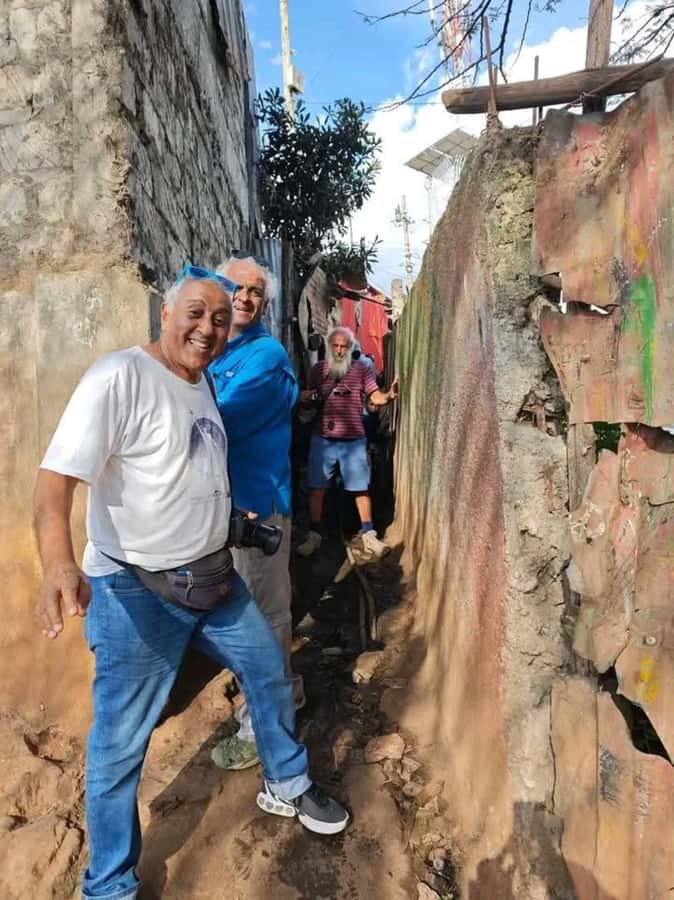
- A local guide sets the tone: Learn about Kibera’s history, challenges, and community efforts while walking through the neighborhood.
- Community projects are central: Visits may include schools, youth programs, women’s empowerment groups, and other local initiatives.
- Small businesses provide the real story: Artisan workshops, food stalls, markets, and neighborhood enterprises show how people earn a living.
- Private groups allow more questions: The tour is offered for a private group rather than a large shared crowd.
- The meeting point is specific: Meet outside Java House inside Prestige Plaza Shopping Mall on Ngong Road unless you choose another pickup arrangement.
- The price is modest for a guided city experience: At $24 per person, the tour includes transport in the stated pickup and drop-off arrangement, guiding, water, and portable Wi-Fi.
Why a Kibera walk matters

Many Nairobi sightseeing routes stay on the surface. You see major landmarks, take a few photographs, and move on. A Kibera visit asks you to pay attention to ordinary routines: people working, children going to school, food being prepared, and neighbors building services where formal systems may be limited.
I find the strongest part of this experience is its human scale. The guide introduces Kibera through people and projects, not only through statistics. You may hear personal stories of resilience, learn how residents organize programs, and see how small businesses help support households.
That approach matters because Kibera is often reduced to a label. A good guide helps you understand that it is also a community with entrepreneurs, artists, families, schools, and local leaders. The tour does not pretend that hardship is absent. Instead, it gives you a fuller picture.
You should still approach the visit with care. This is not a place for casual photo hunting or treating residents as scenery. The description emphasizes respectful engagement, and you should follow the guide’s lead when taking pictures, entering spaces, or speaking with people. The value comes from listening and learning, not collecting dramatic images.
More community tours:
- Nairobi: Explore Kibera Slum with Local Guides
★ 4.9 · 365 reviews - Kevins Kibera Slum Tours
★ 5.0 · 213 reviews - Nairobi: Kibera Slum storytelling tour with a Local
★ 5.0 · 185 reviews
Meeting at Prestige Plaza on Ngong Road
The regular meeting point is easy to identify: Prestige Plaza Shopping Mall on Ngong Road, outside Java House. That detail is useful if you are arranging your own transport and want a clear place to begin.
The activity lasts about three to four hours, with roughly three hours spent around Kibera. The exact starting time depends on availability and the option you select. Since the walk takes place in a busy residential and commercial area, allow a little breathing room around the meeting time rather than arriving at the last second.
Hotel pickup and drop-off are included in the stated package. Pickup is also available from the airport or the area around the airport for an additional $25. That fee can make sense if you have just landed and want to avoid arranging a separate transfer, but it changes the value calculation. At the base price of $24 per person, the tour is inexpensive. With an airport pickup added, the total cost becomes more notable, especially for one person.
The listed drop-off locations are Nairobi and Brides & Maids. Confirm the exact point for your booking, particularly if you need to connect with a hotel, airport transfer, or another activity.
Walking through Kibera for about three hours

The main part of the experience is on foot. The guide leads you through Kibera while explaining the area’s background, current challenges, and community response. You should expect a close look at everyday surroundings rather than a fixed museum-style presentation.
The route includes sightseeing, a safety briefing, and time to pass through local streets and markets. A safety briefing is especially useful here because the setting is unfamiliar to many visitors. Listen closely, stay with your guide, and follow instructions about where to walk and how to interact.
The tour is designed to help you notice the working parts of the neighborhood. Small shops and local services show how commerce operates at street level. These stops can be more revealing than a formal talk because you see the connection between income, family life, and community support.
The walk may feel intense. Kibera is presented honestly as an informal settlement with major challenges, and the experience is not built around comfort or entertainment. If you want a quiet, polished city tour, this is probably the wrong choice. If you want to understand Nairobi beyond its most familiar sights, the setting is exactly why the tour has value.
Meeting local businesses and artisans

The artisan workshops and arts and crafts market add a practical layer to the visit. Rather than discussing creativity in the abstract, you can see people making and selling goods. The exact workshops may vary, but the purpose is clear: show the skill and enterprise that exist within Kibera.
I like this part because it gives you a chance to support people through normal commerce. If purchases are available, you can decide for yourself whether something suits you. You should never feel pressured to buy, but browsing and asking respectful questions can help you understand how these small businesses fit into local life.
Small businesses also prevent the tour from becoming only a story about hardship. The guide can point out how residents create opportunities with limited resources. You may see an artisan at work, a food seller serving customers, or a market area where daily trade takes place.
The arts and crafts stop may appeal to shoppers, but it is more useful if you treat it as a chance to learn. Ask what is made locally, how it is sold, and how the business supports the maker. Keep your questions friendly and practical.
A few more trips worth weighing up
- Nairobi National Park Half-Day Tour; Free Wi-Fi connection
★ 5.0 · 878 reviews - Nairobi National Park Half-Day Game Drive
★ 4.5 · 738 reviews - Half-Day Nairobi National Park Safari from Nairobi with Free Pickup
★ 4.5 · 264 reviews - Nairobi National Park Full or Half-Day Tour with Guide
★ 4.7 · 217 reviews
Tasting local snacks and visiting the food market

Food gives the walking tour a sensory break. The itinerary includes local snacks, food tasting, and a visit to a food market. Meals and drinks are not included, so think of this as a limited tasting opportunity rather than lunch.
The food stop can help you understand daily routines in a direct way. Markets and snack sellers are places where people meet, work, and buy necessities. You may find the experience more memorable than a restaurant meal because the focus is on ordinary local habits.
The practical catch is that the exact food is not specified. If you have allergies, dietary restrictions, or strong concerns about ingredients, ask the guide before trying anything. Bring your own expectations down to earth: this is a local tasting component, not a planned multi-course food tour.
Bottled water is included, which is welcome on a three-hour walk. Still, dress for walking and keep your belongings secure. The supplied information does not specify the walking distance, surface conditions, or restroom arrangements, so those are sensible questions to ask when confirming your booking.
Community projects, schools, and youth programs
The social projects are the heart of the experience. Depending on the day and the selected route, you may visit schools, youth programs, women’s empowerment groups, or other community-led initiatives. These visits show how residents work on practical problems from within the neighborhood.
This is where a guide’s role matters most. A local guide can explain what a project does, who it serves, and how it fits into Kibera. Without that context, a quick visit could feel disconnected. With it, you can better understand why local groups focus on education, youth support, employment, or women’s economic opportunities.
Some tours include visits to local homes. That can offer an intimate look at daily life, but it also calls for extra respect. A home is not a display space. Follow the guide’s instructions, ask before taking photographs, and accept that some spaces or conversations may be private.
The tour says that part of the proceeds supports local initiatives. That gives the visit a direct community benefit, though you should still see the payment as the cost of a guided experience rather than a complete solution to Kibera’s challenges. The best contribution is a mix of fair payment, respectful behavior, and thoughtful engagement.
Stories of resilience from a local guide

The tour’s strongest promise is personal connection. You will have opportunities to meet locals and hear stories about work, family, education, and community effort. These conversations can turn a general introduction into something specific and memorable.
The guide is also your interpreter of place. You need someone who can explain sensitive issues without turning them into a show. The experience is offered in English, French, and Swahili, which gives you a choice of guiding language when available.
One verified booking specifically praised the guide David, noting that he was a great guide. That is a small sample, but it offers a useful clue: the guide can shape the entire experience. David’s name is worth noting if he is assigned to your visit, though guide availability may vary.
Because this is a private group, the pace and conversation may feel more personal than on a large shared tour. You can ask for clarification, spend longer at a project, or discuss something that catches your attention. The tradeoff is that the experience depends heavily on the assigned guide and the conditions on the day.
What the $24 price includes
At $24 per person, this is a low-cost way to add a serious community-focused experience to a Nairobi itinerary. You receive a guided tour, bottled water, portable Wi-Fi, and hotel pickup and drop-off under the included arrangement.
The value is strongest if you use the guide’s local access and explanation. You are not paying simply to walk through a neighborhood. You are paying for context, introductions, planning, and a structure that helps you engage more responsibly.
Personal expenses, meals, and drinks are not included. Set aside extra money if you want food beyond the tasting, drinks, crafts, or other purchases. Airport-area pickup costs another $25, so compare that with the price of a separate transfer.
The private-group setup can also improve value for couples, families, or small groups who want a more flexible conversation. Solo visitors may still find the price fair, but the airport supplement makes the total less attractive if you are traveling alone.
Who will appreciate this experience most
I would recommend this tour to you if you want to understand Nairobi through local voices and community work. It suits curious visitors who are comfortable walking through a working neighborhood and who can approach sensitive subjects with maturity.
It is also a good fit if you want:
- A private group rather than a large shared tour
- A local guide in English, French, or Swahili
- A short activity lasting about three to four hours
- Community projects, small businesses, and food markets
- A tour with hotel transport included
- A way to direct some spending toward local initiatives
I would be more cautious if you want a relaxed sightseeing outing with little walking or no emotional weight. The tour addresses poverty and limited resources directly. You may leave inspired, but you may also need time to process what you have seen.
Families should decide based on the ages and temperament of their children. The supplied information does not give an age recommendation, so ask the provider if you are considering the tour with young children.
Practical advice for a respectful visit
Start with the right attitude. You are entering a community where people live and work, not a stage arranged for visitors. Listen to your guide, ask before taking photographs, and let residents control how much they share.
Wear comfortable walking clothes and shoes. The exact route and surface are not specified, but the experience includes a substantial walking section. Bottled water is provided, and portable Wi-Fi is included, though you should not rely on the activity to solve every phone or navigation need after the tour.
Keep the food tasting flexible. Meals and drinks are excluded, and the exact snacks are not listed. If you have dietary concerns, bring them up early.
Finally, check the transport details before booking. You may meet at Prestige Plaza, use hotel pickup, or pay the airport-area supplement. The free cancellation policy allows cancellation up to 24 hours in advance for a full refund, and the reserve-now, pay-later option helps if your Nairobi plans are still shifting.
Should you book the Kibera tour?
Book it if you want a thoughtful, direct look at Nairobi life that goes beyond standard sightseeing. The combination of a local guide, community projects, small businesses, food-market stops, and private-group access gives the tour a clear purpose.
I especially like the emphasis on residents’ work and ideas, along with the stated support for local projects. The main cautions are the serious subject matter, walking conditions, uncertain food details, and added airport pickup cost.
For $24 per person, it offers strong value when you want context and human connection in a compact half-day outing. Choose it with respect, listen carefully, and treat the people you meet as hosts and neighbors rather than attractions.
FAQ
How long does the Kibera tour last?
The experience lasts about three to four hours, with approximately three hours spent on the guided Kibera visit.
What is the regular meeting point?
The meeting point is outside Java House inside Prestige Plaza Shopping Mall on Ngong Road.
Is hotel pickup and drop-off included?
Hotel pickup and drop-off are included in the stated activity package.
Is airport pickup available?
Yes. Pickup from the airport or the area around the airport is available for an additional $25 fee.
What languages are available for the guide?
The live guide is available in English, French, and Swahili.
Is this a private or shared tour?
The activity is offered for a private group.
What is included in the price?
The price includes the guided tour, hotel pickup and drop-off, bottled water, and portable Wi-Fi.
Are meals and drinks included?
No. Personal expenses, meals, and drinks are not included.
Can I cancel for a full refund?
Yes. You can cancel up to 24 hours in advance for a full refund.
Can I reserve now and pay later?
Yes. The reserve-now, pay-later option lets you hold a place without paying today.
Just added around Nairobi
- Nairobi: Giraffe Center, Elephant Orphanage and Bomas Tour★ 5.0 · 3 reviews
- Nairobi: Airport and Hotel Private Transfers.★ 4.0 · 3 reviews
- Kitengela Anselm Hot Glass tour★ 4.5 · 3 reviews
- 11-Days Best of Kenya & Tanzania Big 5 Safari on a 4×4 Jeep★ 5.0 · 3 reviews
- 12-Day Tsavo west Amboseli lake Nakuru Maasai Mara safari★ 5.0 · 3 reviews
- NAIROBI NATIONAL PARK AFTERNOON GAME DRIVE.★ 5.0 · 3 reviews
- Nairobi Down Town & Walking City Tour★ 4.8 · 3 reviews
- Carnivore Resturant Dinner Experience★ 4.0 · 3 reviews
Kibera Community Tours, compared.





Kibera Slum Tour with Local Social Entrepreneurs
Read our review →


Browse the lists this tour appears in