

Reviewed · WALKING TOURS
Nairobi Walking Tours, Historic and Modern Highlights
Nairobi reveals itself on foot. This three-hour city walk links Jevanjee Gardens, City Market, the National Archives, and KICC, giving you a useful first look at Nairobi’s public spaces, daily routines, and changing city center. I especially like the rooftop view from KICC and the chance to sample street food while learning a little Swahili at City Market. The main consideration is that the KICC visit can be affected by events, and the $5 rooftop admission is not included.
I also like the personal side of this tour. Guides such as Michael, who grew up in Nairobi, and David, who asks about your priorities and may adjust the walk, can add details that a fixed sightseeing route misses. Still, guide quality matters here. One French-speaking guide received praise for language ability but offered less information than expected, so your experience may depend heavily on who leads the walk.
In This Review
- Key points to know before you book
- A useful first look at central Nairobi
- Starting quietly at Jevanjee Gardens
- City Market brings food, crafts, and Swahili
- The National Archives adds context
- Walking toward KICC and the modern city center
- The KICC rooftop is the big payoff
- What the $32 price really covers
- Guide quality makes the biggest difference
- Practical advice for a smoother walk
- Who should choose this Nairobi walk?
- Should you book Nairobi Walking Tours?
- FAQ
- How long is the Nairobi walking tour?
- What is included in the $32 price?
- Is the KICC rooftop entrance included?
- Is food included at City Market?
- What languages are available?
- Can I cancel the booking?
Key points to know before you book

- Three hours on city streets: Expect a real walking tour rather than a vehicle-based overview, so comfortable shoes matter.
- KICC rooftop costs $5 extra: The city view is a major highlight, but you should budget for the separate entrance fee.
- City Market adds local flavor: You can look at produce, crafts, and street food while picking up basic Swahili phrases.
- Hotel pickup and drop-off are included: This makes the $32 price more useful, especially if you are staying outside the immediate center.
- Guide style can shape the experience: Michael’s local background and David’s flexible approach are strong examples of what this tour can offer.
- Plans may change: An event once prevented access to KICC, though the guide still kept the walk moving with other sights.
A useful first look at central Nairobi
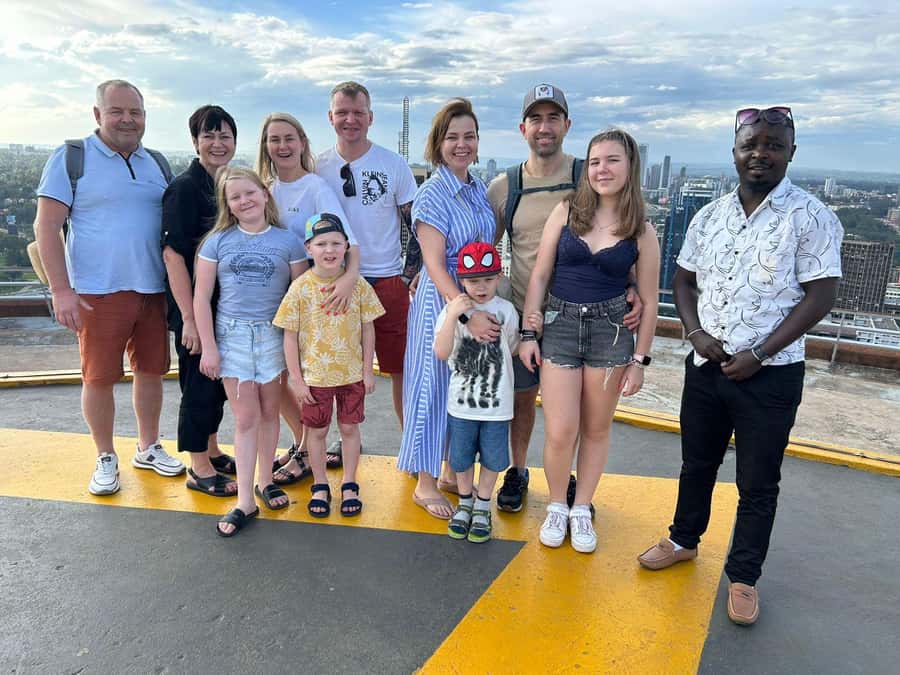
This tour is built for you if you want more than a quick photo stop. In three hours, you move through several parts of central Nairobi, from a public garden to a food market, a cultural archive, and a modern high-rise viewpoint. That mix helps you see how the city functions instead of presenting only its most polished landmarks.
The pace should be manageable for anyone comfortable walking for several hours. You will be on your feet through city streets and market areas, so light clothing and sturdy, comfortable shoes are sensible. The tour is not suitable for people over 95, and you should leave jewelry at home. Alcohol and drugs are not allowed.
English, Swahili, and French are available. That language range is useful, but I would still clarify your preferred language when booking. A French-speaking guide may communicate well while giving a lighter explanation of the city, so language skill and tour depth are not always the same thing.
More Walking Tours in Nairobi
- Nairobi: Historic and Modern Highlights Walking Tour
★ 4.8 · 703 reviews - Nairobi Historical Walking City Tour
★ 5.0 · 258 reviews - Nairobi Downtown Walking Tour
★ 4.7 · 208 reviews
Starting quietly at Jevanjee Gardens
Jevanjee Gardens gives the tour a calm opening. This green public space sits in the middle of the city, offering a break from traffic and buildings before you begin the main walk. Locals use it for relaxation and social time, and that everyday use is part of its appeal.
I like starting here because it gives you a moment to get your bearings. Rather than rushing straight into a landmark, you begin by seeing how Nairobi residents use a shared urban space. The gardens also provide a softer introduction if you have just arrived in the city and are still adjusting to its pace.
Do not expect a long nature visit. The gardens are the first stop on a city walk, not a full park excursion. The value comes from the contrast between the greenery and the surrounding streets, plus the chance to hear your guide explain Nairobi’s public life.
City Market brings food, crafts, and Swahili
From Jevanjee Gardens, the route continues to City Market. This is one of the more engaging parts of the walk because it brings together shopping, food, conversation, and local routine in one place. You can look at fresh produce, handicrafts, and stalls selling street food.
Food is not included in the tour price, so treat the market tasting as an optional extra. That is worth remembering when planning your budget. You may prefer to sample a small item, or you may want to save room for a fuller meal later.
The Swahili lesson adds a practical touch. Even a few words can make your time in Kenya more rewarding, and learning them in a market is more useful than memorizing a list in a hotel. Ask your guide to repeat pronunciation and explain when a phrase is appropriate. The supplied details do not promise a formal language class, so think of this as a brief cultural addition rather than a structured lesson.
City Market can also be the most demanding stop for your senses. There is plenty to look at, vendors are active, and the space may feel crowded. Keep your belongings secure and stay close enough to your guide to hear instructions. The tour also includes bottled water and portable Wi-Fi, which can be helpful during a busy market visit.
The National Archives adds context

The Nairobi National Archives provides a pause from street activity and brings Kenya’s past into the tour. Inside, you can see artifacts, photographs, and documents connected to the country’s culture and history. This stop gives meaning to the city streets you have just walked through.
I value this kind of visit because it keeps the tour from becoming a simple sequence of viewpoints. A market shows you present-day commerce. An archive helps explain the people, events, and traditions behind the country you are seeing.
The amount of time available may be limited by the three-hour schedule. Your guide can point out what matters most, but you should not expect to study every display in detail. If you have a strong interest in Kenyan history, the archive may leave you wanting a longer independent visit. For a first orientation, though, it adds substance without taking over the whole walk.
This is also a good point to ask questions. Guides with a local connection can make the material easier to understand by relating it to life in Nairobi today. Michael, who grew up in the city, was able to connect historical information with local experience. That kind of explanation is one reason to value a small, conversational tour format.
More historical sites:
- Full Day Nairobi Cultural and Historical Tour
★ 5.0 · 153 reviews - Nairobi Cultural and Historical City Tour with a Local
★ 5.0 · 67 reviews - Nairobi souvenir Shopping and Historical Half day Tour
★ 5.0 · 61 reviews - Nairobi History and Modern Culture 3 Hours Tour
★ 4.5 · 31 reviews
Walking toward KICC and the modern city center

The route then moves toward the Kenyatta International Conference Centre, usually called KICC. This part of the walk shifts the focus from gardens, markets, and archives to Nairobi’s business district and modern architecture.
KICC is an important visual marker in the city. As you approach it, you get a sense of Nairobi’s scale and its role as a center for business and public events. The building also works well as a final destination because it gives the walk a clear finish rather than ending somewhere ordinary.
There is one practical warning. Access to KICC is not guaranteed if an event is taking place. On one occasion, the guide could not enter because of an event, but still adjusted the outing and showed other parts of the city. That tells you two things: the rooftop is worth hoping for, but you should not book this tour solely for the view.
If access changes, a flexible guide matters. David’s approach was particularly useful because he asked about priorities and adjusted the route. This is the kind of service that can rescue a day when a landmark is temporarily unavailable.
The KICC rooftop is the big payoff

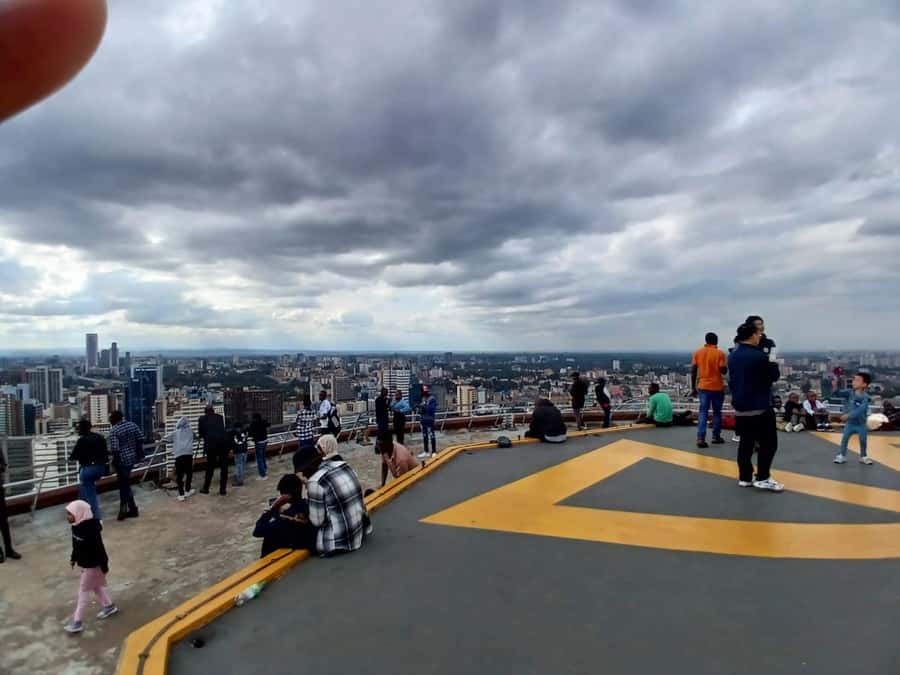
When open, the KICC rooftop viewing deck gives you a broad view over Nairobi. You can look across the city skyline and see how the central district fits together. After walking through streets and markets at ground level, the high viewpoint helps you understand the city from above.
The $5 entrance fee is separate from the $32 tour price. That is a reasonable extra if city views matter to you, but include it in your planning. Since food and drinks are also excluded, the full cost depends on what you choose to buy during the outing.
The rooftop is best treated as a bonus with strong visual appeal, not the entire reason to reserve. If weather, an event, or building access prevents the visit, much of the tour still remains: the gardens, market, archive, and street-level walk. Still, I would confirm the access situation on the day if the rooftop is a priority.
Bring a phone or camera if you like city views, but do not let the final viewpoint distract you from the guide’s explanations along the way. The strongest part of the experience is the connection between the stops, not just the final photograph.
What the $32 price really covers

At $32 per person, the tour offers more than a basic guided walk. Hotel pickup and drop-off are included, along with a guide, bottled water, and portable Wi-Fi. Those extras can make the price attractive because transport to the starting point may otherwise take time and money.
The value depends on your situation. If you are staying near central Nairobi and prefer to reach Jevanjee Gardens yourself, the included transfers may matter less. If you are unfamiliar with the city or want someone to organize the route, they add real convenience.
You should set aside extra money for three things:
- The $5 KICC rooftop entrance
- Food and drinks at City Market or afterward
- Personal purchases, including crafts or souvenirs
David’s style also suggests that the tour can be adapted around your interests. He arranged a route based on personal priorities and included a walk away from the main roads. A stop at a souvenir market did not turn into a hard-sell shopping session, which is important if you want to browse without pressure.
The overall rating is 4.3 from four reviews, which is positive but based on a small sample. I would read that as a good sign, not a guarantee. The wide range in guide feedback shows why you should pay attention to the specific guide and communicate what you want to learn.
Guide quality makes the biggest difference

This is not a tour where the route alone carries the experience. Jevanjee Gardens, City Market, the National Archives, and KICC are useful stops, but your guide connects them into a story.
Michael received particularly strong praise for his local background and explanations of Nairobi’s past. A guide who grew up in the city may also help you understand ordinary details that are easy to miss when you are only looking for monuments.
David brought a different strength. He arrived on time, asked about priorities, adjusted the plan, and added details about daily life. That flexibility suits you if you want a genuine walk rather than a fixed checklist.
The weaker feedback points to a clear booking tip: tell the provider whether you care most about history, food, architecture, photography, or everyday life. Also confirm your preferred language. A guide who knows your priorities from the beginning is more likely to spend time on the subjects you value.
Practical advice for a smoother walk
Wear comfortable shoes. This sounds obvious, but the route includes gardens, streets, a market, and a city-center approach to KICC. Proper footwear will make the day more enjoyable, especially if you are not used to walking on urban surfaces for three hours.
Wear comfortable clothes suited to a warm city walk. Carry only what you need, and avoid jewelry. The tour provides bottled water, but having a small personal bag for essentials is sensible.
Portable Wi-Fi is included, which may help with directions, messages, or quick research during the tour. You should still keep your phone secure in crowded areas and avoid spending the whole walk looking at a screen.
The tour includes hotel pickup and drop-off, but the exact timing and meeting details should be confirmed when you reserve. Reserve now and pay later is available, and cancellation is free up to 24 hours before the tour. That makes this a fairly low-risk choice if your Nairobi schedule may change.
Who should choose this Nairobi walk?
I would choose this tour if you have limited time in Nairobi and want a structured introduction to central areas. It suits first-time visitors, people who prefer walking to vehicle sightseeing, and anyone who wants a mix of public spaces, food, culture, and city views.
It is also a good fit if you enjoy asking questions and shaping a tour around your interests. The strongest guide experiences here appear to come from personal interaction, not simply following the route.
You may want a different option if you dislike city markets, cannot walk comfortably for three hours, or need guaranteed access to KICC. It may also disappoint you if you expect a long, specialist history tour at every stop. The National Archives adds useful context, but the schedule covers several locations in one outing.
Should you book Nairobi Walking Tours?
Book it if you want a practical first introduction to central Nairobi and like the idea of combining street food, Swahili phrases, local stories, and skyline views. The $32 price is fair once you factor in hotel transfers, water, Wi-Fi, and a guide, though you should add the $5 KICC fee and any food purchases.
Before confirming, state your preferred language and tell the provider what interests you most. Ask about KICC access if the rooftop is essential. If you receive a guide with Michael’s local insight or David’s flexible style, the walk could become one of the more useful ways to get your bearings in Nairobi. If the guide offers little explanation, the same route may feel more like a transfer between stops.
FAQ
How long is the Nairobi walking tour?
The tour lasts approximately three hours and includes Jevanjee Gardens, City Market, the Nairobi National Archives, and KICC.
What is included in the $32 price?
The price includes hotel pickup and drop-off, a guided tour, bottled water, and portable Wi-Fi.
Is the KICC rooftop entrance included?
No. The KICC rooftop entrance costs an additional $5 per person.
Is food included at City Market?
No. Food and drinks are not included, so you should budget separately if you want to sample street food.
What languages are available?
The tour is offered in English, Swahili, and French.
Can I cancel the booking?
Yes. You can cancel up to 24 hours in advance for a full refund. Reserve and pay later is also available.
Just added around Nairobi
- Nairobi: Giraffe Center, Elephant Orphanage and Bomas Tour★ 5.0 · 3 reviews
- Nairobi: Airport and Hotel Private Transfers.★ 4.0 · 3 reviews
- 11-Days Best of Kenya & Tanzania Big 5 Safari on a 4×4 Jeep★ 5.0 · 3 reviews
- Kitengela Anselm Hot Glass tour★ 4.5 · 3 reviews
- NAIROBI NATIONAL PARK AFTERNOON GAME DRIVE.★ 5.0 · 3 reviews
- 12-Day Tsavo west Amboseli lake Nakuru Maasai Mara safari★ 5.0 · 3 reviews
- Nairobi Down Town & Walking City Tour★ 4.8 · 3 reviews
- Carnivore Resturant Dinner Experience★ 4.0 · 3 reviews
Walking Tours, compared.

Walking Tour Through Old Town Mombasa and Fort Jesus
Read our review →

Nairobi Walking tour:Explore History Culture and Traditions
Read our review →

Nairobi City Walking Tour with Traditional Kenyan Lunch
Read our review →

Browse the lists this tour appears in