

Reviewed · HISTORICAL TOURS
Nairobi History and Modern Culture 3 Hours Tour
Nairobi opens up fast. This three-hour introduction mixes colonial landmarks, Kenyan independence stories, market life, Swahili slang, and a rooftop view from the Kenyatta International Convention Centre. I like the small-group format, advertised for up to 12 people, and the way guides such as Dennis, Simon Njuguna, and Shaz connect old buildings with present-day Nairobi. The included pickup, bottled water, fruit salad, shoe cleaning, and street photo also add useful value.
The main drawback is that this is a city-center walking tour, not a quiet sightseeing ride. You should expect traffic, persistent street soliciting in some areas, stairs at KICC, and a little uncertainty about group size because the booking information also lists a maximum of 100 people. Confirm the setup before paying if a small group matters to you.
In This Review
- Key points at a glance
- Why this Nairobi tour works best early in your stay
- Jeevanjee Gardens: Nairobi’s opening chapter
- City Market: souvenirs with a lesson attached
- Jamia Mosque and McMillan Memorial Library
- Kenyatta Avenue and the memory of war
- Sarova Stanley and Kimathi Street
- Dedan Kimathi Statue and Nairobi’s independence story
- Moi Avenue and the sound of matatu culture
- KICC: Nairobi from above
- Galton-Fenzi Memorial and the walk back
- Guides, group size, and the human side of the tour
- Safety, comfort, and what to pack
- Who should book this Nairobi introduction?
- Should you book it?
- FAQ
- How much does the Nairobi History and Modern Culture tour cost?
- How long does the tour last?
- Where does the tour start?
- Where does the tour end?
- Is pickup provided?
- Is this tour suitable for a Nairobi layover?
- How many people are in the group?
- Is the KICC entrance fee included?
- What is included in the tour?
- Can I cancel for a full refund?
Key points at a glance

- KICC rooftop views: Pay the separate entrance fee for an aerial look at Parliament, Uhuru Park, the railway, and central Nairobi.
- Market-to-monument route: Move from Jeevanjee Gardens and City Market to Jamia Mosque, historic hotels, statues, and major avenues.
- Useful first-day orientation: Guides point out eateries, hangouts, money-changing spots, tourist traps, and transport culture.
- Customizable timing: The tour can work well during a long layover or as your first Nairobi activity.
- Swahili street lesson: Pick up basic vocabulary and local slang rather than only memorizing dates and names.
- Practical extras included: Pickup and drop-off, bottled water, fruit salad, shoe cleaning, and a professional street photo are part of the package.
Why this Nairobi tour works best early in your stay

At $30 per person, this is priced as an affordable orientation rather than a full-day sightseeing excursion. You are paying for a guide, transport, local context, and a compact walk through central Nairobi. That can be a good deal if you want to understand the city before visiting museums, markets, or wildlife sites on your own.
I especially like the emphasis on current city life. You do not simply pass a statue, hear a date, and move on. The route is designed to explain how Nairobi works now, including matatu culture, restaurants, forex bureaus, street activity, and the practical issues that can catch a first-time visitor off guard.
The tour lasts about two to three hours, though the route includes a fair amount of walking. Air-conditioned transfers are provided for pickup and drop-off, and some movement between locations may be handled by vehicle. Still, one past participant described it as a three-hour walking tour with stairs at KICC, so wear comfortable shoes and do not treat the included vehicle as a substitute for walking.
Morning is the safest bet for energy. One person specifically advised taking the tour early rather than after a full day of other activities. That is sensible: the route has several short stops, but city walking, traffic, heat, and the KICC tower stairs can wear you down.
More historical sites:
- Nairobi: Historic and Modern Highlights Walking Tour
★ 4.8 · 703 reviews - Nairobi Historical Walking City Tour
★ 5.0 · 258 reviews - Full Day Nairobi Cultural and Historical Tour
★ 5.0 · 153 reviews
Jeevanjee Gardens: Nairobi’s opening chapter
The tour begins at Jeevanjee Gardens, a useful place to start because it connects Nairobi’s public life with its colonial-era street plan. You learn how the garden developed and what activities and events take place there today.
The surrounding street names also help explain the older city. This is not a long stop, only about 10 minutes, so expect a brisk introduction rather than an extended garden visit. Its value is as a starting point, giving you a basic map of central Nairobi before the route moves into markets, mosques, hotels, and government landmarks.
If you have just arrived, pay attention to the street names and directions. They will make the later walking sections easier to follow.
City Market: souvenirs with a lesson attached
City Market gets about 20 minutes, making it one of the longer stops. The guide takes you through the market’s four divisions and explains how the place developed. You also have time to browse curio shops and buy souvenirs.
This is where the tour becomes practical. A market visit can feel awkward if you do not know how local selling works, what to ask, or when to keep moving. Having a guide nearby gives you a little structure. Do not assume the short stop allows for a relaxed shopping session, though. If you want to compare many carvings, textiles, or other keepsakes, you may need to return later.
The market can also be one of the more demanding parts of the walk. Stay close to your guide, keep your belongings secure, and listen carefully to the briefing about handling unwanted attention. One negative experience described repeated solicitation in central Nairobi, including around a later market-related stop. That is not under the operator’s control, but it is a real part of the city-center setting.
Jamia Mosque and McMillan Memorial Library
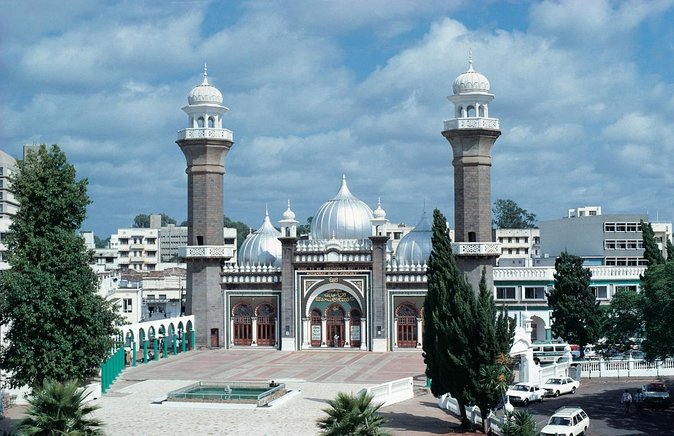
Jamia Mosque is a brief 10-minute stop where you see the mosque and learn about its activities. The visit is primarily observational, so do not expect a long interior tour or a religious lecture. As with any place of worship, follow the guide’s instructions about where you may stand and what behavior is appropriate.
Next comes McMillan Memorial Library, another 10-minute stop. The guide points out its unusual structure, explains its background, and discusses its place in Kenya’s constitution. This is a good example of the tour’s approach: buildings are not treated as decoration. You hear why they matter and how they fit into the country’s public story.
These short stops reward attention. You will not have much time to study every architectural detail, but you will leave with a clearer sense of how religion, education, colonial institutions, and national identity meet in central Nairobi.
A few more trips worth weighing up
- 3 Hours Nairobi National Museum
★ 4.0 · 4 reviews
Kenyatta Avenue and the memory of war

Kenyatta Avenue is one of the main entrances into the city center. Along this stretch, you see the Askari Monument and an obelisk honoring African war veterans. You also pass banks, forex bureaus, and restaurants.
The route gives you both a historical and practical reading of the street. The memorials point to Kenya’s military and colonial past, while the banks and currency offices matter to anyone managing money in Nairobi. Your guide can also suggest places to eat and spend time later, which is particularly useful if this is your first day in town.
Do not expect a museum-style treatment of the monuments. The stop lasts around 10 minutes. Think of it as a focused street explanation that helps you recognize important places when you return independently.
Sarova Stanley and Kimathi Street

The Sarova Stanley Nairobi is presented as the oldest hotel in the city, and the guide explains its place in Nairobi’s development. You also see shops along Kimathi Street during this roughly 10-minute section.
The hotel gives the route a change of mood. After gardens, markets, religious buildings, and memorials, you get a look at the city’s grand hotel tradition and commercial center. It is also a good chance to ask your guide about restaurants and places to meet for coffee or an evening meal.
The tour does not promise hotel entry or a long architectural visit, so keep expectations modest. You will learn about the building and see the surrounding street rather than receive a full hotel tour.
Dedan Kimathi Statue and Nairobi’s independence story

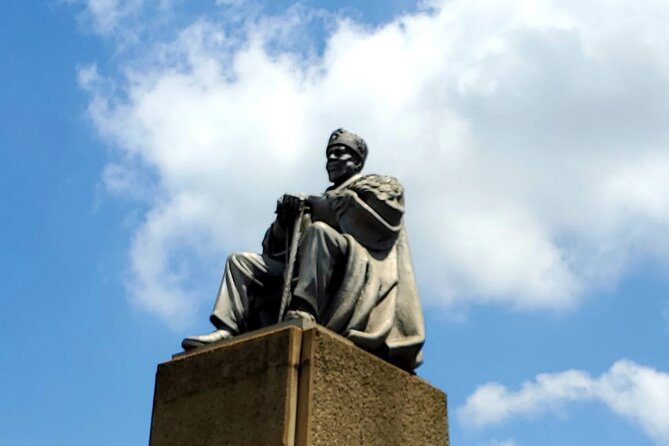
The Dedan Kimathi Statue gets only about five minutes, but the subject deserves close attention. Kimathi was an important figure in Kenya’s fight for independence and in the Mau Mau movement. The guide explains his role while also pointing out the nearby Hilton Hotel.
That pairing is revealing. You see a monument to anticolonial resistance near a major modern hotel, a small example of how Nairobi places different eras side by side. The stop is short, so ask questions while you can if Kenya’s independence struggle interests you.
This is one area where the guide’s skill matters most. Past participants praised Dennis and Simon for making the city’s history understandable and for connecting historical events with current culture. The tour is strongest when the guide adds that human connection rather than reciting names.
Moi Avenue and the sound of matatu culture

Moi Avenue is another short stop, about five minutes, focused on matatu culture and the daily movement of Nairobi. Matatus are a central part of the city’s transport identity, and seeing them in action helps you understand the streets far better than reading a paragraph about public transit.
This will not be a long vehicle tour or a controlled photo stop. You are close to traffic and city activity, so pay attention to your guide and surroundings. The benefit is immediacy: you see the pace, noise, and street habits of central Nairobi rather than a polished version made only for sightseeing.
The guide may also teach basic Swahili slang and useful vocabulary here or elsewhere along the route. That small language lesson is one of the tour’s nicest touches. Even a few words can make later interactions feel less formal and help you recognize how Nairobi residents speak in daily life.
KICC: Nairobi from above
The Kenyatta International Convention Centre is the tour’s visual payoff. You have about 30 minutes to photograph the Jomo Kenyatta statue and go up to the helipad for a wide view of the city.
The separate entrance fee is not included, so budget for that on top of the $30 tour price. The exact fee is not supplied here, so confirm it before booking or at the start of the experience. The climb includes stairs, according to one detailed account, which makes comfortable footwear important.
From the top, you can see major sights including the old British railway, Parliament buildings, Uhuru Park grounds, and Holy Family Basilica Catholic Church. This viewpoint helps organize everything you have just seen. Streets become lines, landmarks become reference points, and Nairobi’s central core finally makes sense.
I would not skip this stop simply to save the admission fee. The rooftop view is repeatedly singled out as one of the best parts of the experience. It is also the clearest reason to choose this route over a basic street walk. If weather or access affects the view, the earlier stops still carry the tour, but KICC is the highlight.
Galton-Fenzi Memorial and the walk back
The Galton-Fenzi Memorial is the final named stop. Here you learn directions and distances to major cities around the world before walking back toward Jeevanjee Gardens.
It is a small closing detail, but it gives the tour a sense of place. After spending the afternoon learning Nairobi’s streets, you finish by looking outward at the wider world. The return walk also gives you a chance to revisit the city center with a better sense of direction.
The official meeting point is CJ’s on Koinange Street, and the activity ends back there. Pickup and drop-off are offered, including airport transfers in at least one reported layover arrangement, but you should confirm the exact pickup location and timing in advance.
Guides, group size, and the human side of the tour
The strongest praise goes to the guides. Dennis, also called Denny in one account, is repeatedly described as energetic, clear, and deeply interested in Nairobi’s past and present. Simon Njuguna is praised for his humor, cultural explanations, and help during an airport layover. Shaz is also mentioned as a capable guide on a walking departure.
That matters because this tour covers many subjects quickly. The buildings themselves will not explain why a street, statue, mosque, or hotel matters. A good guide turns a short stop into a useful story and helps you avoid common tourist traps.
The experience is advertised as personalized and capped at 12 people, which would make questions and street movement easier. However, the additional booking details list a maximum of 100 participants. That may be a general platform setting rather than the normal operating size, but I would ask for confirmation if you want the promised small-group feel.
The operator also offers itinerary customization. That makes the tour a good match for a layover, especially if you have a few free hours between flights. Give the company your exact schedule early. One poor experience involved a dispute over changing the tour time, so clear communication is important when your airport connection is tight.
Safety, comfort, and what to pack
This is a central-city experience, not a resort outing. You may encounter beggars or persistent sellers, and one participant found the attention unpleasant. The guide’s advice is to ignore unwanted approaches and firmly say no if someone persists. That will not remove every difficult moment, but it is useful preparation.
Wear walking shoes, carry only what you need, and keep your phone and wallet secure. You should also bring sun protection and leave room for water, though bottled water is included. The walking portions, street crossings, market activity, and KICC stairs all favor light luggage and sensible clothing.
The tour is listed as suitable for most people and near public transportation. It is not presented as wheelchair-specific, and the stairs at KICC may matter for anyone with mobility concerns. Ask the operator about current access before booking if that affects you.
Included extras such as fruit salad, shoe cleaning, and a professional street photo are unusual at this price. They should not determine your decision, but they add a friendly local touch. The most important inclusions remain pickup, drop-off, bottled water, and the guide’s time.
Who should book this Nairobi introduction?
You should consider it if you are visiting Nairobi for the first time, have only a few hours, or want help understanding the city before exploring on your own. It is especially useful for visitors who want a mix of history, street culture, shopping, language, and practical food recommendations.
I would also recommend it for a layover, provided your schedule leaves enough margin for traffic and the tour company confirms the timing. Airport pickup and drop-off can turn an awkward wait into a real introduction to Kenya’s capital.
You may want something else if you dislike busy streets, unsolicited attention, stairs, or quick stops. History fans looking for long talks at each site may find the pace too brisk. And if you require a guaranteed tiny group, clarify the group size before booking.
At $30, the experience offers good value when you use it as an orientation. The KICC admission costs extra, but the rooftop view is worth considering as part of your total budget. The 4.7 rating from 31 ratings and 90 percent recommendation suggest a strong overall experience, while the low scores remind you that scheduling and street conditions can shape the day.
Should you book it?
Book this tour if you want to get your bearings fast, meet Nairobi through its streets, and hear the city explained by a local guide. I would choose it early in a Nairobi stay, preferably in the morning, and I would ask for Dennis or Simon if guide availability allows.
Before paying, confirm the pickup time, the actual group size, and the KICC entrance cost. If you accept that the city center can be noisy and demanding, this is a friendly, affordable way to begin understanding Nairobi beyond the usual tourist checklist.
FAQ
How much does the Nairobi History and Modern Culture tour cost?
The tour costs $30 per person. The entrance fee for the Kenyatta International Convention Centre is not included.
How long does the tour last?
The experience lasts approximately two to three hours. One detailed account describes it as a three-hour walking tour with stairs at KICC.
Where does the tour start?
The meeting point is CJ’s on Koinange Street in Nairobi, Kenya.
Where does the tour end?
The activity ends back at the meeting point.
Is pickup provided?
Yes. Pickup and drop-off are included, and air-conditioned vehicle transfers are provided.
Is this tour suitable for a Nairobi layover?
Yes. The itinerary can be customized and is described as suitable for layover schedules. Confirm your exact timing with the provider.
How many people are in the group?
The experience is advertised as a personalized small-group tour capped at 12 people. The additional booking information lists a maximum of 100 participants, so confirm the expected group size before booking.
Is the KICC entrance fee included?
No. Admission to the Kenyatta International Convention Centre is an additional cost.
What is included in the tour?
The package includes pickup and drop-off, bottled water, fruit salad, shoe cleaning, and a professional street photo.
Can I cancel for a full refund?
Yes. You can cancel at least 24 hours before the start time for a full refund. Cancellations or changes made within 24 hours are not refunded or accepted.
Just added around Nairobi
- Nairobi: Giraffe Center, Elephant Orphanage and Bomas Tour★ 5.0 · 3 reviews
- Nairobi: Airport and Hotel Private Transfers.★ 4.0 · 3 reviews
- Kitengela Anselm Hot Glass tour★ 4.5 · 3 reviews
- 11-Days Best of Kenya & Tanzania Big 5 Safari on a 4×4 Jeep★ 5.0 · 3 reviews
- 12-Day Tsavo west Amboseli lake Nakuru Maasai Mara safari★ 5.0 · 3 reviews
- NAIROBI NATIONAL PARK AFTERNOON GAME DRIVE.★ 5.0 · 3 reviews
- Nairobi Down Town & Walking City Tour★ 4.8 · 3 reviews
- Carnivore Resturant Dinner Experience★ 4.0 · 3 reviews
Historical Tours, compared.



Nairobi Walking tour:Explore History Culture and Traditions
Read our review →

Nairobi Cultural and Historical City Tour with a Local
Read our review →
Nairobi souvenir Shopping and Historical Half day Tour
Read our review →
Half-Day Cultural Tour to Bomas of Kenya in Nairobi
Read our review →
Browse the lists this tour appears in