

Reviewed · CITY TOURS
Nairobi Cultural and Historical City Tour with a Local
Nairobi reveals itself in layers. This full-day private tour links the National Museum, city-center landmarks, a women-run bead workshop, Utamaduni Craft Centre, and Bomas of Kenya into one useful introduction to Kenya’s capital. I like the mix of history and living culture, especially the chance to see artisans at work rather than only shop for finished goods. I also like the personal transport, hotel pickup, and the wide city view from the Kenyatta International Conference Center. The main drawback is the pace: eight hours is a lot of ground to cover, and some stops can feel hurried if traffic or a late start eats into the day.
The tour costs $95 per person and is private, so your group is not combined with strangers. That makes the day easier to shape around your interests, although the value depends on how much time your guide gives each stop. Lunch is extra, and the August 7th Memorial Park is optional and not included in the admission price.
In This Review
- Key points at a glance
- Why this tour works as a first day in Nairobi
- Nairobi National Museum and Ahmed the elephant
- KICC, Uhuru Park, and Nairobi’s central streets
- The August 7th Memorial Park, an optional serious stop
- KOBE TOUGH and the value of buying directly
- Utamaduni Craft Centre in Karen and Langata
- Bomas of Kenya and the final cultural performance
- Guides, transport, and the private-tour format
- Who should book this Nairobi day tour?
- Final verdict: a useful, busy introduction to Nairobi
- FAQ
- How long does the Nairobi cultural tour last?
- Is hotel pickup included?
- Is this a private tour?
- Are admission fees included?
- Is lunch included?
- What happens if the weather is poor?
Key points at a glance
- See Ahmed the elephant at the Nairobi National Museum: His protected tusks recall Kenya’s fight against the poaching crisis of the 1980s.
- Reach the top of KICC: The rooftop gives you a 360-degree view over Nairobi’s central districts and surrounding horizons.
- Meet women artisans at KOBE TOUGH: You can watch ceramic beads and leather goods move from raw material to finished object.
- Browse Utamaduni’s 18 craft shops: This former Kikuyu house holds African art, antiques, and handmade goods, with packing and shipping help available.
- Watch traditional performances at Bomas of Kenya: The program features dances from Kenya’s ethnic communities, including Samburu and Maasai performances.
- Choose a private day with local guidance: Guides such as Kelvin, Denish, Dennis, and Faith have been praised for punctuality, kindness, and useful commentary.
Why this tour works as a first day in Nairobi
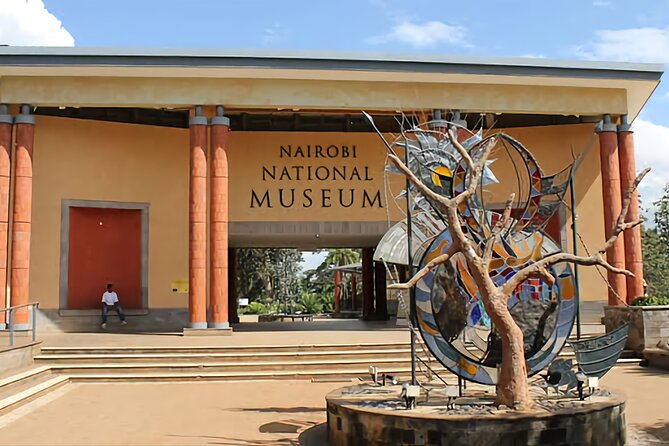
Nairobi can be hard to read from a car window. The city spreads across busy roads, office districts, green suburbs, historic sites, and cultural centers. This tour gives you a broad first look without making you arrange separate taxis, admission tickets, and guides.
The route also moves from national collections to present-day community work. You begin with museum displays and political history, then see the modern city from above, learn about a painful event at the August 7th site if you choose that stop, and finish with crafts and performance. That progression gives the day more shape than a simple drive past landmarks.
I would especially consider this tour if you have only one full day in Nairobi before a safari or onward flight. It will not give you a slow, specialist study of every site. It will give you a useful overview and help you decide where to return later.
The private format matters. You can ask your guide to explain a point again, spend longer at the museum, or adjust the day if you prefer crafts and culture over city sightseeing. Still, private does not automatically mean leisurely. One four-star account describes being moved through parts of Bomas too quickly, so tell your guide early if you want time to look closely.
More City Tours in Nairobi
- Nairobi Historical Walking City Tour
★ 5.0 · 258 reviews - Nairobi City Walking Tour with Traditional Kenyan Lunch
★ 5.0 · 106 reviews - Nairobi: Private 4-Hour City Tour
★ 4.5 · 68 reviews
Nairobi National Museum and Ahmed the elephant
The Nairobi National Museum is the strongest historical stop on the schedule. Set on Museum Hill near the city center, it presents Kenya’s cultural and natural heritage in one place. The planned visit lasts about two hours, and admission is included.
The museum’s displays give the day a necessary foundation. You will see ethnological objects, natural history material, and examples of the many communities that make up Kenya. One unusual object is a Kalenjin cloak made from Sykes monkey skins. Another is a map of Kenya formed from butterflies, an inventive display that links geography and nature.
Ahmed, the famous elephant, is one of the memorable sights. He became a national symbol during the severe poaching crisis of the 1980s and was protected around the clock under President Jomo Kenyatta’s order. Seeing his enormous tusks gives a physical sense of the pressures that shaped Kenya’s conservation work.
The museum stop has one practical weakness. The quality of interpretation may depend on the person assigned to you inside. Some guides offer helpful context, while others may mainly repeat the labels. I would ask your main guide what they can explain before entering, and I would not hesitate to request more background if a museum escort simply reads the placards.
Allow your attention to guide you. If you want every gallery, two hours may pass quickly. If you prefer a clear introduction rather than a full museum study, the time is reasonable.
KICC, Uhuru Park, and Nairobi’s central streets
The next section brings you into the city center. The Kenyatta International Conference Center, usually called KICC, is an unmistakable 28-storey landmark on Harambee Avenue. Admission is included, and the rooftop is the reason to go.
From the top, you can see Nairobi in a way that is impossible at street level. The 360-degree view shows the pattern of the central business district, major roads, open areas, and the city’s wider horizons. I like this stop because it turns a confusing urban center into something you can understand spatially.
The KICC visit lasts about 30 minutes, so take advantage of the view right away. This is a photography stop, but it is also a useful orientation point. Ask your guide to identify the districts and landmarks below rather than simply taking pictures and leaving.
The route then includes Uhuru Park, where you learn about the park’s place in Kenya’s national story. Afterward, you walk through the Central Business District while your guide discusses Nairobi before independence. The walking component is brief, but it gives the city a human scale that a vehicle tour cannot provide.
This portion can be affected by traffic and timing. Guides have been praised for pointing out sights and explaining local culture, but one critical account noted that the vehicle sometimes passed points of interest without slowing enough. If a building or street catches your eye, say so. The private setup gives you a better chance of getting that extra explanation.
The August 7th Memorial Park, an optional serious stop
The August 7th Memorial Park occupies the former site of the United States Embassy, where the 1998 bombing killed many people and injured many more. The memorial includes a museum that honors those who died and tells the stories of survivors.
This is not a light sightseeing stop. It adds difficult recent history to a day that otherwise moves between art, views, and performance. The park’s message focuses on peace and the human cost of political violence. If you want to understand Nairobi beyond its landmarks, this optional half-hour visit can be meaningful.
Admission is not included, so confirm the current fee with your guide before deciding. The stop also takes time from the later craft and Bomas visits. I would choose it if memorials and modern history matter to you. If your priority is traditional culture, you may prefer to keep the schedule moving.
The description calls this an optional tour, so do not assume it is part of every day’s route. Clarify your preference at pickup.
More historical sites:
- Nairobi: Historic and Modern Highlights Walking Tour
★ 4.8 · 703 reviews - Full Day Nairobi Cultural and Historical Tour
★ 5.0 · 153 reviews - Nairobi souvenir Shopping and Historical Half day Tour
★ 5.0 · 61 reviews - Nairobi History and Modern Culture 3 Hours Tour
★ 4.5 · 31 reviews
KOBE TOUGH and the value of buying directly
KOBE TOUGH beads and leather offers a close look at small-scale production. In about 30 minutes, you can see the stages involved in making ceramic beads and leather goods. The hands-on process is the point, not simply the chance to buy a souvenir.
The center was created by women who had worked at the Kazuri bead factory before it closed during the pandemic. KOBE TOUGH gave them a way to keep earning money for their families. It functions as a women’s empowerment center as well as a pottery and craft company.
That background changes how you see the objects. A bead is no longer just a colorful item on a shelf. It represents time, skill, and a local income stream. One particularly positive account singled out the method of forming ceramic beads as an interesting part of the day.
The visit is short, so watch the demonstration closely and ask questions while you can. You may also want to decide in advance how much shopping you want to do. Buying directly supports the workshop, but the day already includes another major craft stop.
Utamaduni Craft Centre in Karen and Langata
Utamaduni Craft Centre is a larger, more commercial stop, but it has a pleasant setting and plenty to examine. The shop occupies a converted Kikuyu house and contains 18 separate shops offering African crafts, antiques, and art.
This is the place for browsing. You may find carved objects, decorative pieces, textiles, jewelry, and other handmade goods, though the exact stock will change. Staff can help pack purchases and arrange shipping if needed, a practical benefit if you are early in a longer trip and do not want to carry fragile items.
The center also has a large garden restaurant where you can stop for refreshments. Lunch is optional and costs extra. This gives you flexibility: you can eat there, ask your guide to stop at a local restaurant, or simply keep the visit focused on crafts. One highly positive account praised a local lunch where the guide introduced the group to Kenyan food and beer, but no particular restaurant or meal is guaranteed.
I see Utamaduni as a useful contrast to KOBE TOUGH. KOBE TOUGH shows you how a small group makes its products. Utamaduni shows you a broad range of finished work in one convenient setting. If you are serious about shopping, this may be the stop that takes longer than planned. If you are not, set a time limit so the afternoon does not become one long store visit.
Bomas of Kenya and the final cultural performance
The day ends at Bomas of Kenya, with about three hours planned. Admission is included, and this is the tour’s largest cultural presentation.
Bomas preserves and presents customs from Kenya’s 53 ethnic communities. The grounds include traditional homesteads, giving you a chance to see how different communities arranged domestic spaces. The performance program includes more than 30 traditional dances, with selections changing by schedule.
The stage show is the main attraction. Samburu and Maasai warriors are among the featured performers, and the music, movement, costumes, and group formations make this a lively finish after the quieter museum and memorial stops. I like the fact that Bomas gives you more than a collection of objects. You see cultural expression in motion.
There is a tradeoff. A staged performance is designed for an audience, so it is not the same as attending a village celebration or meeting a family in its home. Bomas presents selected traditions in a clear, accessible format. For a first introduction, that can be useful. For a deeper understanding, treat the show as an entry point and ask your guide about the communities represented.
The homestead area deserves attention, too. Do not spend all your time waiting for the stage show. The buildings help connect the performances to everyday life, even though the route can feel rushed if the schedule slips. One account specifically noted being hurried through the village displays. Let your guide know you want time there.
Guides, transport, and the private-tour format
Pickup and drop-off at your hotel or residence are included, along with private transport and bottled drinking water. That is valuable in Nairobi, where moving between the city center, Museum Hill, and the Karen or Langata area can take time and planning.
Your guide may be both driver and host, or you may meet a separate guide at certain sites. Kelvin received especially strong praise for being prompt, personable, and well-informed about Nairobi and Kenyan culture. Denish, also spelled Dennis in one account, was described as courteous and attentive. Faith was praised for punctuality and helpfulness.
The varied arrangements matter. At the museum, for example, you may be introduced to a site guide rather than receive every explanation from the driver. A good driver can still add a great deal between stops, pointing out landmarks and explaining the city as you go.
This is a private activity, so only your group participates. Group discounts are offered, but the price is listed per person. At $95, the value is strongest for people who want transport, several included admissions, a full day of guiding, and the freedom of a private vehicle. It is less compelling if you want only a short city drive or plan to spend most of the day shopping.
The schedule is also ambitious. You have six different stops, optional food and memorial visits, and significant driving between zones. Start on time, keep your questions focused, and tell your guide which two or three parts matter most to you.
Who should book this Nairobi day tour?
I would recommend it to a first-time visitor who wants a broad introduction without arranging separate visits. Families, couples, and small groups can all benefit from the private vehicle and hotel pickup. It also suits anyone with a short Nairobi stay before a safari.
The tour is a good match if you enjoy:
- Museums paired with outdoor sightseeing
- City views and short walking sections
- Handmade crafts and direct artisan contact
- Traditional music and dance
- A guide who can explain what you are seeing in context
It is less suitable if you prefer a slow pace at one or two sites. The day covers a great deal, and lunch, shopping, and the optional memorial can squeeze the timetable. It is also not the right choice if your main goal is wildlife, since the schedule focuses on culture, history, crafts, and city views rather than a game drive.
At 8 hours, this is a full day. Wear comfortable shoes for the museum, city walk, and Bomas grounds. Carry room for purchases, but do not expect every stop to have unlimited browsing time.
Final verdict: a useful, busy introduction to Nairobi
I would book this tour if I wanted one well-organized day that explains Nairobi through several lenses. The museum gives you national context, KICC gives you orientation, KOBE TOUGH connects craft to livelihoods, Utamaduni offers a broad shopping stop, and Bomas brings Kenyan performance and homesteads together.
The price is fair for a private vehicle, hotel transfers, bottled water, and included entry to the museum, KICC, and Bomas. Remember to budget for lunch, gratuities, and the August 7th Memorial Park if you choose it.
Book it for range, convenience, and the chance to work with a local guide such as Kelvin, Denish, Dennis, or Faith. Skip it if you want a quiet, highly focused day or dislike fixed cultural presentations. For most first visits, the tour gives you enough history, craft, and city life to make Nairobi feel far less like a place you are merely passing through.
FAQ
How long does the Nairobi cultural tour last?
The experience lasts approximately 8 hours.
Is hotel pickup included?
Yes. Pickup and drop-off at your hotel or residence are included.
Is this a private tour?
Yes. Only your group participates in the activity.
Are admission fees included?
Admission to the Nairobi National Museum, KICC, and Bomas of Kenya is included. Admission to the August 7th Memorial Park is not included, and that visit is optional.
Is lunch included?
No. Lunch is available for purchase and is not included in the tour price.
What happens if the weather is poor?
The experience requires good weather. If it is canceled because of poor weather, you will be offered a different date or a full refund. You can also cancel for a full refund if you do so at least 24 hours before the start time.
Just added around Nairobi
- Nairobi: Airport and Hotel Private Transfers.★ 4.0 · 3 reviews
- Nairobi: Giraffe Center, Elephant Orphanage and Bomas Tour★ 5.0 · 3 reviews
- 11-Days Best of Kenya & Tanzania Big 5 Safari on a 4×4 Jeep★ 5.0 · 3 reviews
- Kitengela Anselm Hot Glass tour★ 4.5 · 3 reviews
- NAIROBI NATIONAL PARK AFTERNOON GAME DRIVE.★ 5.0 · 3 reviews
- 12-Day Tsavo west Amboseli lake Nakuru Maasai Mara safari★ 5.0 · 3 reviews
- Nairobi Down Town & Walking City Tour★ 4.8 · 3 reviews
- Carnivore Resturant Dinner Experience★ 4.0 · 3 reviews
City Tours, compared.


Tusks, Fort Jesus, Old Town, Beach and City Tour
Read our review →
Nairobi City Walking Tour with Traditional Kenyan Lunch
Read our review →

Browse the lists this tour appears in