
Reviewed · CITY TOURS
NAIROBI: MOTHERLAND GASTRONOMIC NAIROBI CITY TOUR
Nairobi tastes best one small bite at a time. I like the mix of street breakfast snacks and a proper nyama choma lunch, and I like that the route uses food to explain daily life at the City Bus Station. The small group, limited to five people, should also make it easier to ask questions and keep up with the guide.
The main thing to watch is the food-cost wording. Breakfast snacks and lunch are listed among the inclusions, but the details also say food or snacks consumed during the tour are not included. Carry cash and confirm exactly what the $55 price covers before you set out.
In This Review
- Key points to know before booking
- Why this Nairobi food tour works
- Starting at Nation Centre
- Breakfast begins with samosas and mandazi
- Lunch at a local heritage restaurant
- City Market: fruit, spices, and the color of ingredients
- City Bus Station and the snacks of daily life
- Finishing at Sarova Stanley
- What the $55 price really means
- Sharon’s personal touch
- Who should book this experience?
- Should you book the Motherland Gastronomic Nairobi City Tour?
- FAQ
- How long does the Nairobi food tour last?
- What food can I expect to try?
- Is lunch included in the price?
- Where does the tour meet?
- Is this a private tour?
- Is the tour suitable for children?
Key points to know before booking
- The food list is broad: Try samosas, mandazi, mitai, kaimati, boiled maize, Smocha, Mayai pasua, uji power, fruit, spices, fish, meat, chicken, kachumbari, and ugali.
- The tour lasts 210 minutes: You get about three and a half hours of walking, tasting, guided stops, and free time in central Nairobi.
- The City Bus Station adds local context: You learn about Nairobi’s commute system and everyday routines rather than visiting food spots in isolation.
- Sarova Stanley brings a historical finish: The century-old hotel provides a change of pace after the markets and street food.
- The group is very small: With no more than five participants and an English-speaking guide, the outing should feel personal and easy to follow.
- Guide Sharon receives especially warm praise: Her friendly, attentive manner is a major reason this tour can feel more like time spent with a local companion than a formal food lecture.
Why this Nairobi food tour works
Nairobi is not a city you understand from a single restaurant meal. Its food culture moves between quick bites, market produce, roadside cooking, family-style dishes, and old hotels tied to the city’s past.
This tour gives you a useful cross-section in a short period. You begin near Nation Centre, spend time in central Nairobi, and return to the same general starting point after sampling food and seeing several different sides of the city.
The route is especially useful early in a Kenya trip. You get a first look at local eating habits, city transport, market manners, and some Kenyan vocabulary before setting off on longer journeys elsewhere.
I also like the balance between eating and watching. You are not simply seated for three hours while plates arrive. You move through public areas, meet vendors, look at ingredients, and see how people use central Nairobi during the day.
The tour is not designed for a quiet, slow restaurant experience. It is better for you if you enjoy trying small portions, walking between stops, and asking questions as the city carries on around you.
More City Tours in Nairobi
- Nairobi Historical Walking City Tour
★ 5.0 · 258 reviews - Nairobi City Walking Tour with Traditional Kenyan Lunch
★ 5.0 · 106 reviews - Nairobi: Private 4-Hour City Tour
★ 4.5 · 68 reviews
Starting at Nation Centre
The meeting point is Nation Centre, described as a tall curved building with pillars at the entrance. You are told to look for the guide in white trousers, which is a practical detail in a busy central area.
Arrive ready to walk. Comfortable shoes matter more here than smart clothes, and you should dress for changing weather. A camera, water bottle, cash, and weather-appropriate clothing are all sensible additions.
The tour is conducted in English. Since the group is limited to five people, you should have a better chance to hear explanations and raise questions than you would on a large coach outing.
The total duration is 210 minutes. The published schedule divides the experience into several 30-minute guided sections, followed by 30 minutes of free time, but the exact rhythm may depend on food service, market activity, and the pace of the group.
That flexible quality can be a plus. Food tours often work best when you are not rushed from one counter to the next. The tradeoff is that the schedule may feel less exact than a museum tour with fixed entry times.
Breakfast begins with samosas and mandazi
The first food section focuses on familiar Kenyan breakfast-style snacks. Samosas and mandazi are the best-known names here, but the tasting may also include mitai, kaimati, and boiled maize.
Mandazi is a fried dough snack often eaten in the morning or with tea. Kaimati and mitai add more sweet and fried flavors to the table, while boiled maize gives you a simple, filling taste of a common staple.
This opening works well because it introduces you to everyday food instead of beginning with an expensive restaurant dish. You can compare textures and flavors, ask what people eat before work, and learn which snacks are meant for a quick bite.
Go with an open mind and a light appetite. The food list is long, and you will want room for later tastings. If you normally skip breakfast, do not assume that is a bad idea here, because the early snacks are part of the appeal.
The main practical concern is the inclusion wording. The experience specifically lists breakfast street snacks as included, but it also says food or snacks consumed during the tour are not included. Ask the provider what is covered and what requires separate payment, especially if you want extra portions or market purchases.
Lunch at a local heritage restaurant
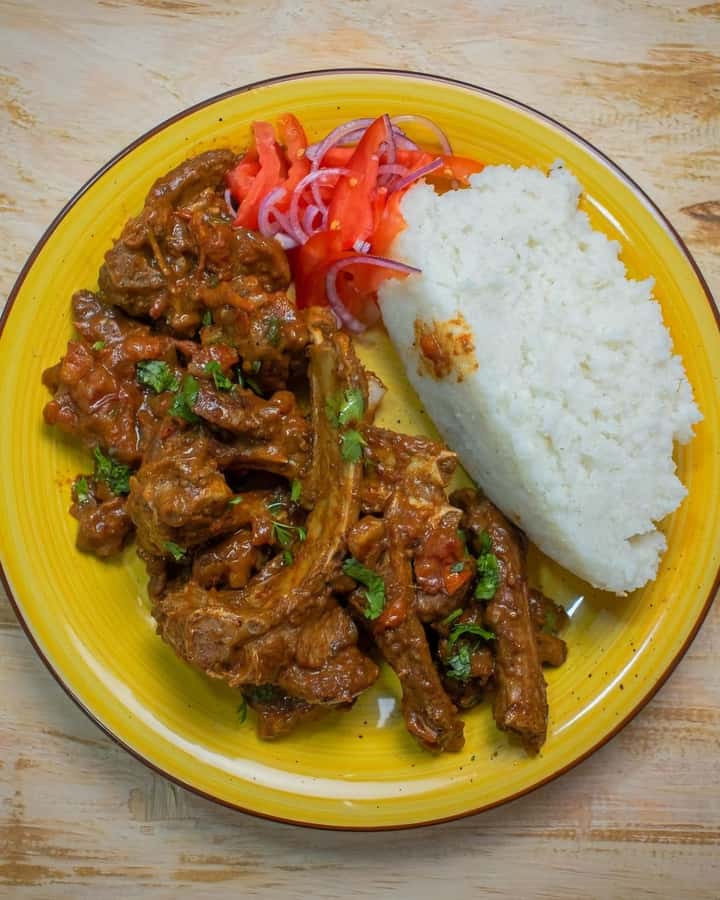
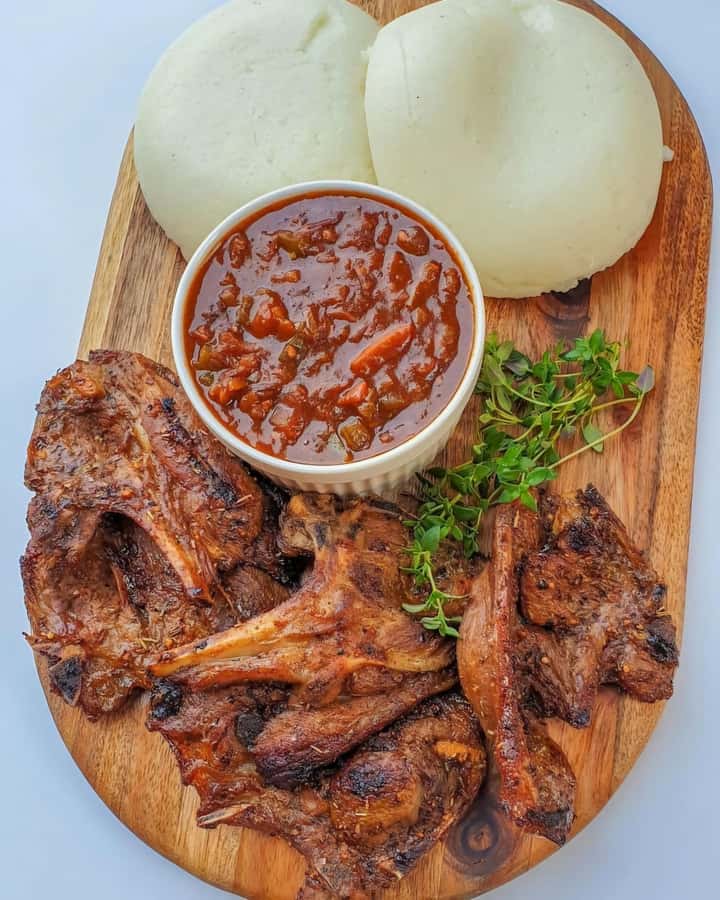
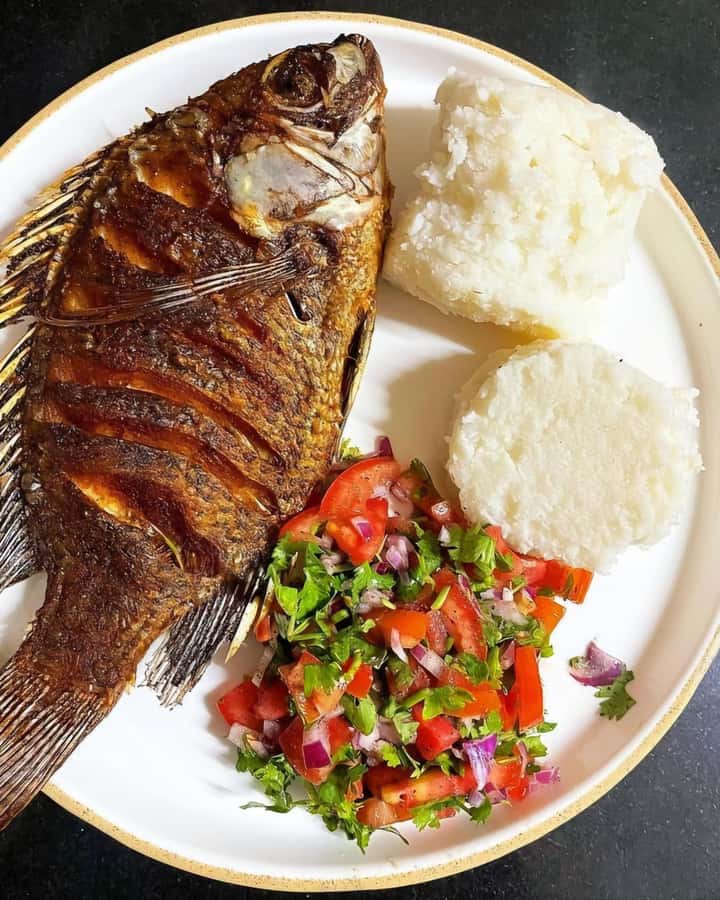
The lunch stop shifts from snack-sized tastes to a full Kenyan meal. You can expect traditionally prepared fish, meat, and chicken, served with kachumbari and ugali.
Ugali is a firm maize-based staple that is commonly used to accompany meat, fish, and sauces. Kachumbari, a fresh chopped salad, provides a sharper contrast to the heavier main dishes.
Nyama choma is also listed as part of the experience. The term refers to roasted meat and is closely associated with social meals in Kenya. Here, it gives the food tour a substantial center rather than leaving you with only fried snacks and fruit.
This is one of the strongest parts of the route for anyone who wants to understand how Kenyan meals are put together. You are not only tasting individual ingredients. You are seeing how a main dish, maize staple, and fresh salad work as one meal.
The description names fish, meat, and chicken, but it does not promise that every one of these will be served to every person at every tour. If you have dietary restrictions or avoid a particular meat, ask before booking.
The setting is described as a local heritage restaurant. That gives the meal more character than a generic modern dining room, although you should expect the focus to remain on food and local context rather than a long formal restaurant presentation.
A few more trips worth weighing up
- Nairobi National Park Half-Day Tour; Free Wi-Fi connection
★ 5.0 · 878 reviews - Nairobi: National Park & Optional Elephants & Giraffe Center
★ 4.8 · 874 reviews - NAI NAMI: Nairobi Storytelling Tour with Street Children
★ 5.0 · 792 reviews - Nairobi National Park Half-Day Game Drive
★ 4.5 · 738 reviews
City Market: fruit, spices, and the color of ingredients
The route then moves to City Market. This is where the tour becomes less about prepared dishes and more about the ingredients that support Nairobi cooking.
You can expect fresh fruits, spices, and small market foods. The value of this stop lies in seeing food before it reaches the plate. A guide can help you identify produce, explain how ingredients are used, and make sense of the displays without requiring you to shop blindly.
Carry cash if you want to make small purchases. The tour information specifically recommends it, and market stops are more enjoyable when you can buy a fruit, spice, or snack without having to search for a card machine.
Be respectful when taking photographs. Ask before photographing vendors or people, and follow the local customs and etiquette guidance supplied for the tour.
City Market may be a lively sensory stop, but it is not presented as a cooking class or a dedicated shopping excursion. If your main goal is to buy large quantities of spices or gifts, the limited tour time may feel short. If your goal is to connect the food on your plate with the ingredients around you, it should be more rewarding.
City Bus Station and the snacks of daily life
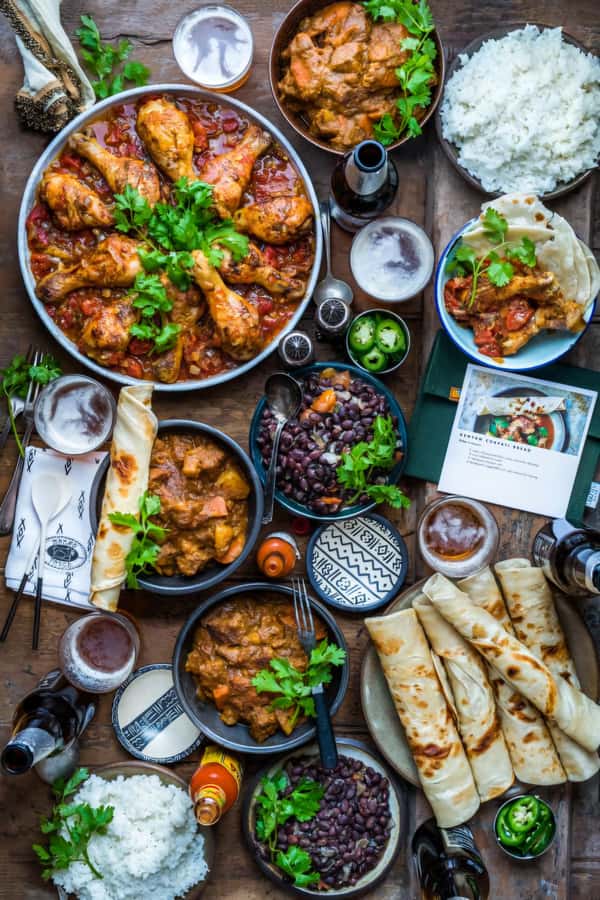
The City Bus Station is an unusual and useful stop on a food tour. Instead of treating transport as a way to move between attractions, the experience uses the station to explain Nairobi’s commute system and ordinary routines.
This is where you may sample Smocha, Mayai pasua, and uji power. Smocha combines a samosa and bread with other fillings, while Mayai pasua is a popular egg-based street snack. Uji is a porridge drink, and the name uji power suggests a filling, energizing version.
These foods matter because they fit the pace of city life. They are the kind of items you can eat on the move, between errands or during a working day. You get a better feel for Nairobi when food is connected to where people travel, work, and take short breaks.
The stop also gives you a chance to engage with vendors. That interaction is likely to be one of the most memorable parts of the outing, but it calls for patience and courtesy. Follow your guide’s lead, keep your belongings secure, and avoid blocking people who are trying to catch transport.
The bus station may feel more intense than the hotel visit later. That contrast is useful, but it also means this tour is not polished sightseeing from start to finish. You are being taken into working parts of the city, and the experience will suit you best if you welcome that.
Finishing at Sarova Stanley
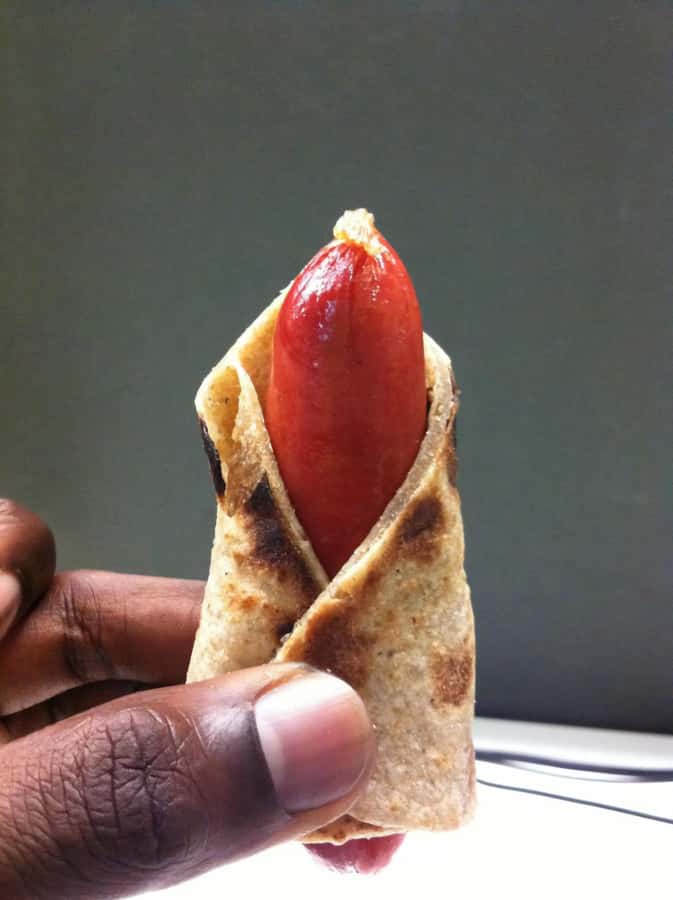
The final stop is Sarova Stanley, a legacy hotel more than a century old. After the market and bus station, the hotel offers a quieter setting and a chance to consider Nairobi’s past through its hospitality industry.
The visit is not simply an old-building photo stop. You learn about the history of Kenya and the development of Nairobi’s hotel trade as the tour winds down.
This is a smart ending. Food has already shown you the city at street level, while Sarova Stanley adds a more formal side of Nairobi’s story. Together, the stops help connect everyday meals with the city’s growth and its older institutions.
Do not expect the hotel visit to replace a full historical tour. The available details promise an introduction to the hotel’s story and Kenya’s past, not an extended architectural examination. Think of it as a final context-setting stop.
The tour then returns to Nation Centre. The route stays within central Nairobi, which keeps the experience practical for you if you are staying nearby or have another appointment later in the day.
What the $55 price really means
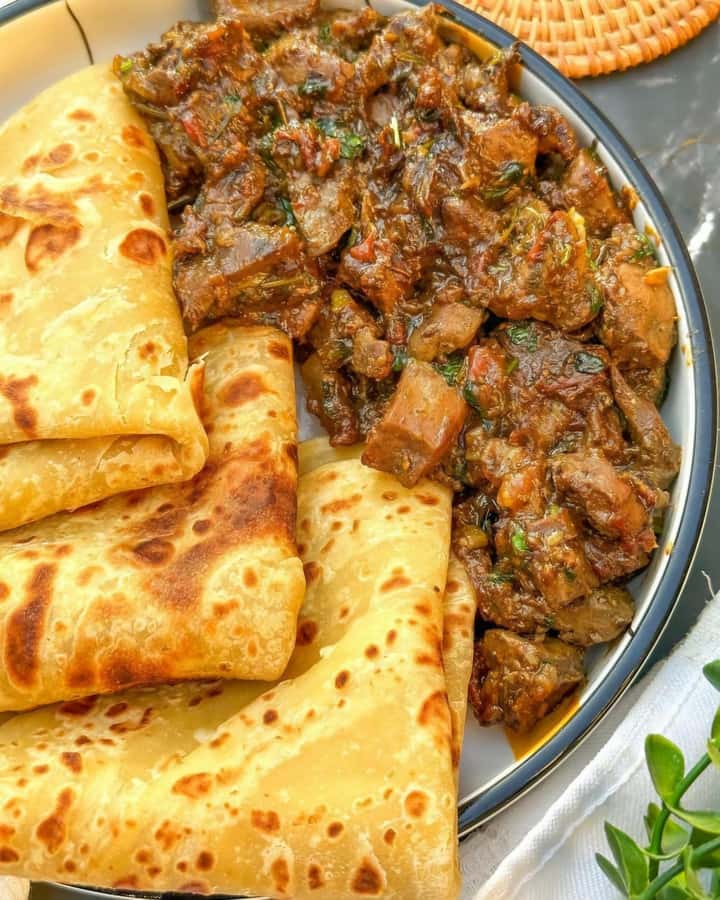
At $55 per person, the tour asks you to pay for more than food. You are also paying for a guide, a small group, a planned route, market interpretation, city context, and access to several very different settings in 210 minutes.
That can be fair value if you are new to Nairobi and want an easy introduction without planning each food stop yourself. The small group is important here. With a maximum of five people, the guide can respond to preferences and keep the pace manageable.
The price becomes harder to judge if most tastings require additional payment. The inclusions list says breakfast street snacks and nyama choma lunch are included, while the not-included section says any food or snack consumed during the tour is excluded. This is the one point I would clarify before paying.
Ask two direct questions: Which listed foods are covered by the $55 price, and how much extra cash should you bring for tastings or purchases? That simple check can prevent an unpleasant surprise.
The booking terms are flexible. You can cancel up to 24 hours before the tour for a full refund, and you can reserve now and pay later. Starting times depend on availability, so check the schedule before building the rest of your day around it.
Sharon’s personal touch
The strongest praise centers on Sharon, the guide. One verified rating describes her as warm, friendly, and attentive, with a manner that made the guest feel as if they were spending time with an old friend.
Another rating calls the experience a beautiful discovery and specifically praises Sharon’s pleasant approach. The same guest later spent more time with her for additional food, pool, and simple companionship.
That detail matters. Food tours depend heavily on the person leading them. A guide who is patient and welcoming can turn unfamiliar dishes and busy public places into comfortable discoveries. Sharon’s personal warmth appears to be one of the main reasons this experience earns such strong marks.
The overall rating is 5 out of 5 from three verified ratings. That is an excellent signal, but it is also a small sample. I would treat it as encouraging evidence about the guide’s manner, not as proof that every departure will feel exactly the same.
Who should book this experience?
I would recommend it to first-time visitors who want a quick introduction to Nairobi food and city life. It also fits solo visitors and couples who prefer a small group and want a guide to handle the route.
Food-curious visitors should enjoy the range. You can taste fried snacks, fruit, spices, street foods, a full meal, and a drinkable porridge in one outing. You do not need to already know Kenyan cuisine to take part.
It is also a good choice if you want more than a restaurant meal. The City Bus Station and City Market stops add useful context about commuting, shopping, and ordinary urban routines.
I would hesitate if you dislike walking, busy public places, or trying unfamiliar foods. The tour is not suitable for children under 10, and baby strollers are not allowed. Smoking, littering, alcohol in the vehicle, and going barefoot are also not allowed.
Wear comfortable shoes and clothes, bring a camera and water bottle, and keep some cash handy. Stay hydrated, prepare for changing weather, and follow local etiquette during market and vendor interactions.
Should you book the Motherland Gastronomic Nairobi City Tour?
Book it if you want a compact, personal introduction to Nairobi through food rather than a long list of monuments. The combination of breakfast snacks, nyama choma, City Market, the City Bus Station, and Sarova Stanley gives you a broader picture than a standard restaurant crawl.
The best reason to choose it is the guide experience, especially if Sharon leads your departure. Her warm, attentive style is praised more strongly than any single dish, and that human connection can make the difference in a short city tour.
Before booking, confirm the food inclusions in writing and plan for extra cash. If that detail is clear and you are comfortable with three and a half hours of walking and tasting, $55 is a reasonable price for a small-group introduction to central Nairobi.
FAQ
How long does the Nairobi food tour last?
The tour lasts 210 minutes, or three and a half hours. It begins and ends at Nation Centre.
What food can I expect to try?
Possible tastings include samosas, mandazi, mitai, kaimati, boiled maize, Smocha, Mayai pasua, uji power, fresh fruit, spices, fish, meat, chicken, kachumbari, ugali, and nyama choma.
Is lunch included in the price?
Nyama choma lunch is listed as included, but the tour details also state that food or snacks consumed during the tour are not included. Confirm which dishes and portions are covered before booking.
Where does the tour meet?
The meeting point is Nation Centre, a tall curved building with pillars at the entrance. The guide is described as wearing white trousers.
Is this a private tour?
It is a small-group experience limited to five participants. It is not described as a private tour.
Is the tour suitable for children?
No. The experience is not suitable for children under 10 years old. Baby strollers are also not allowed.
Just added around Nairobi
- Nairobi: Giraffe Center, Elephant Orphanage and Bomas Tour★ 5.0 · 3 reviews
- Nairobi: Airport and Hotel Private Transfers.★ 4.0 · 3 reviews
- Kitengela Anselm Hot Glass tour★ 4.5 · 3 reviews
- 11-Days Best of Kenya & Tanzania Big 5 Safari on a 4×4 Jeep★ 5.0 · 3 reviews
- 12-Day Tsavo west Amboseli lake Nakuru Maasai Mara safari★ 5.0 · 3 reviews
- NAIROBI NATIONAL PARK AFTERNOON GAME DRIVE.★ 5.0 · 3 reviews
- Nairobi Down Town & Walking City Tour★ 4.8 · 3 reviews
- Carnivore Resturant Dinner Experience★ 4.0 · 3 reviews
City Tours, compared.


Tusks, Fort Jesus, Old Town, Beach and City Tour
Read our review →
Nairobi City Walking Tour with Traditional Kenyan Lunch
Read our review →
Nairobi Cultural and Historical City Tour with a Local
Read our review →
Browse the lists this tour appears in