
Reviewed · FOOD & DRINK
Nairobi: 1 Hour Gastronomic and Street Food tour of Nairobi
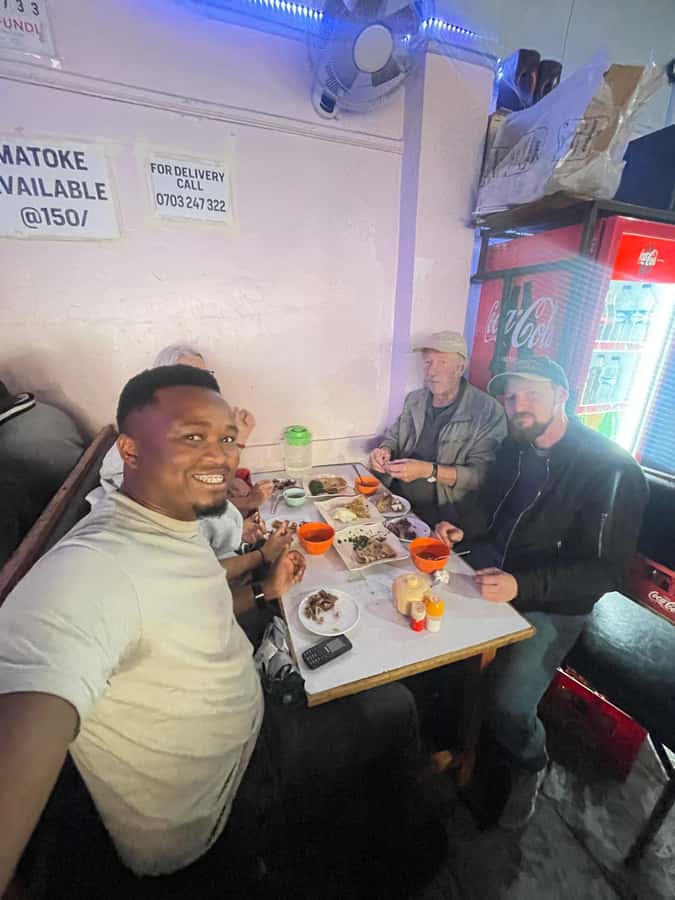
Small streets, big flavors. This one-hour Nairobi food walk links local markets, food stalls, and simple city streets with the guidance of Ishmael Nzioka. I like the small-group feel created by the close-together stops and the chance to taste several Kenyan favorites in a short time. I also like that the tour connects food with Nairobi’s daily life, not just a plate of prepared samples.
The main consideration is time. One hour passes quickly, and the $37 price does not cover the food itself. You should bring at least $20, or the equivalent in Kenyan currency, for tastings and extra purchases. If you want a slow meal or a long market visit, this is too brief. If you want a quick, friendly introduction to Nairobi’s food culture, it makes good sense.
In This Review
- Key points to know before you book
- Why this short Nairobi food walk works
- Starting at International House on City Hall Way
- Ten minutes at a Nairobi food market
- Twenty minutes of tasting local favorites
- Thirty minutes among Nairobi’s street food stalls
- Ishmael Nzioka, the guide who shapes the experience
- What the $37 price really includes
- Who should book this Nairobi experience
- Practical ways to get more from the hour
- Should you book this Nairobi food tour?
- FAQ
- How long is the Nairobi food tour?
- What is the price of the experience?
- How much extra cash should I bring?
- Where does the tour begin?
- Where does the tour finish?
- Is food included in the tour price?
- What foods might I try?
- What language is the tour offered in?
- Is the activity wheelchair accessible?
Key points to know before you book
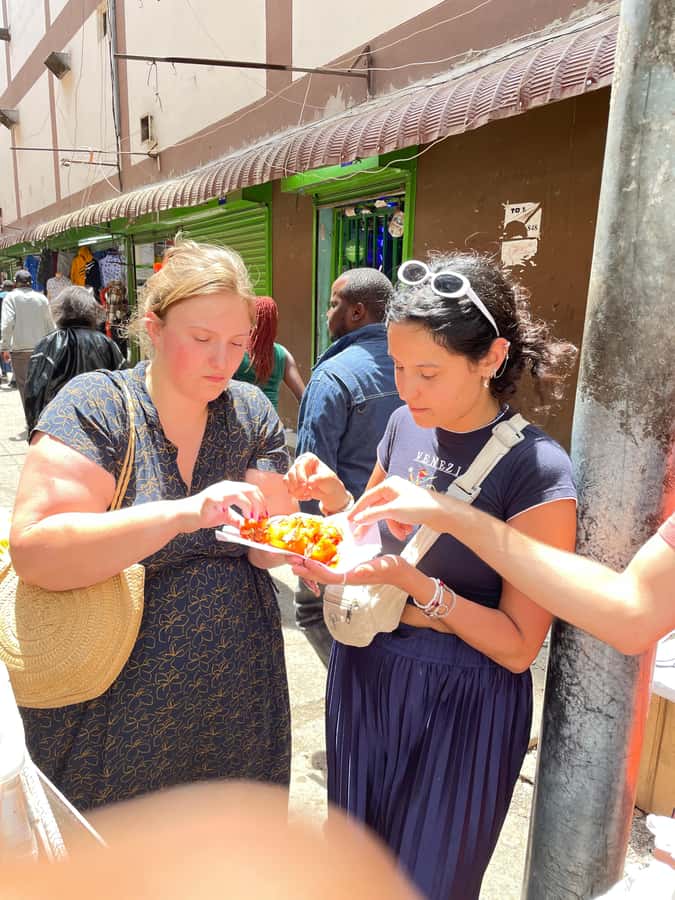
- Ishmael Nzioka leads the walk: He explains the food, local customs, and city setting in English, and he is praised for patiently answering questions.
- Three food-focused stages fit into one hour: Expect about 10 minutes at a food market, 20 minutes of tasting, and 30 minutes of street food stops.
- You pay separately for what you eat: The tour costs $37 per person, but you should carry at least $20 for food.
- The menu can cover a lot of ground: Tastings may include samosas, chapati, nyama choma, ugali, Somali food, sweets, fruit, tea, and sugarcane juice.
- The walk begins and ends near International House: Meet near the Hilton Hotel opposite International House on City Hall Way, arriving 10 minutes early.
- It works well for a first look at central Nairobi: You get food, orientation, and local advice without giving up half a day.
Why this short Nairobi food walk works
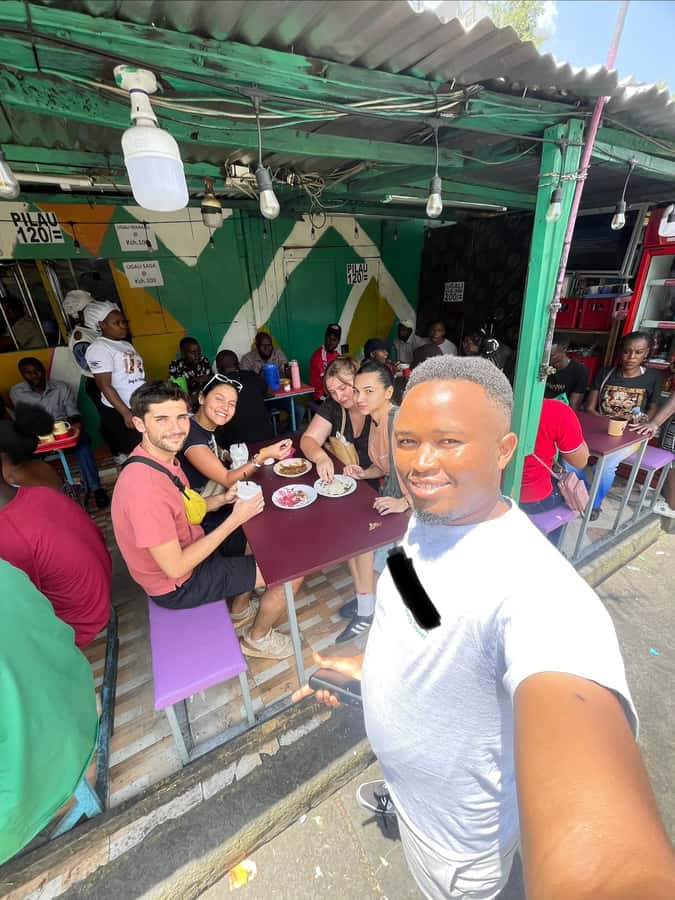
Nairobi is easier to understand when you watch people eat. A food stall can tell you about daily budgets, family habits, regional cooking, and the city’s mix of communities more clearly than a polished restaurant menu. This tour uses that idea well, taking you through central Nairobi on foot and giving you several things to taste along the way.
I see the strongest value in the combination of food and city orientation. You are not simply handed a samosa and sent on your way. Ishmael explains the cultural meaning of dishes and points out how food fits into life in Nairobi. That gives the hour more purpose, especially if you have just arrived and want a quick sense of the city.
The format is also efficient. The locations are close together, so you spend more time eating and less time waiting for transport. The short length suits a morning, a free hour between plans, or the first day of a longer Kenya trip.
Still, do not confuse this with a full lunch sitting or a long culinary class. The pace is brisk, and the exact mix of dishes may vary. The experience focuses on sampling many foods rather than spending a long time with one dish.
More food tours:
- Coffee farm tour, coffee roasting and tasting experience
★ 5.0 · 20 reviews - Purple Tea Farm Tour from Nairobi City – Specialty Tea Tasting
★ 4.5 · 12 reviews - Nairobi Food Tour – Street Food Experience Lunch
★ 4.5 · 9 reviews
Starting at International House on City Hall Way
The meeting point is International House. The practical landmark is the Hilton Hotel opposite International House on City Hall Way. Arrive 10 minutes before the start, since a city walk loses time quickly when someone is late.
The tour returns to International House, which is useful if you have plans in central Nairobi afterward. You are responsible for getting to the meeting point, so build in time for your own transport. Transport during the walking tour is not included.
Wear comfortable shoes and light, comfortable clothes. This is a walking activity, and you will be moving between a market and several food stops. Bottled water is included, but I would still carry your own water if you tend to drink often in warm weather.
Bring cash. The food allowance is separate from the $37 tour price, and the instructions recommend at least $20 for tasting portions. That money also gives you room to buy something extra if you find a snack or ingredient you want to take with you.
Ten minutes at a Nairobi food market
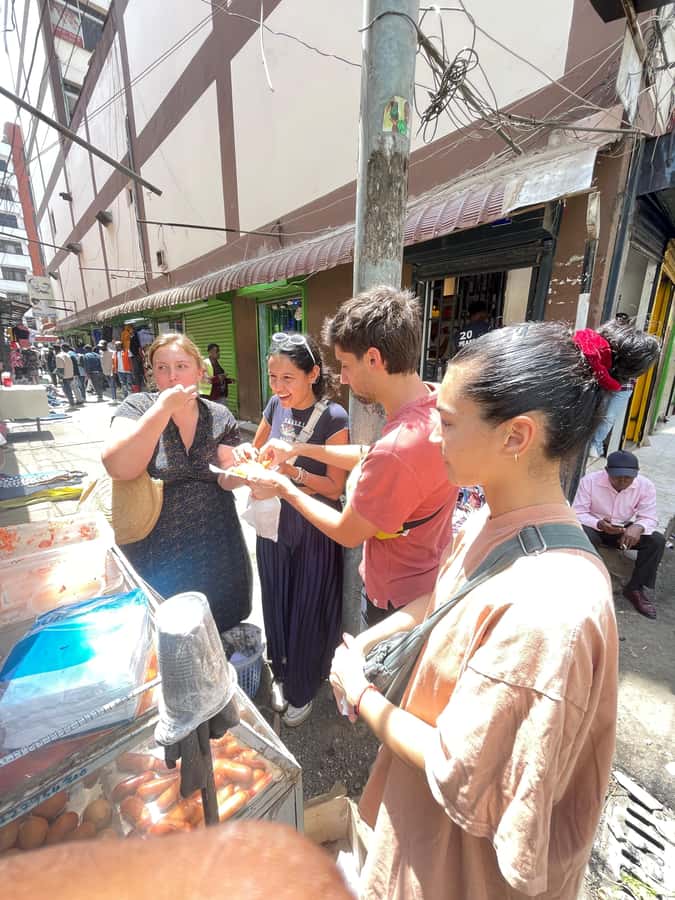
The first part lasts about 10 minutes and introduces the food setting. This is a short visit, not a long market tour, so think of it as an orientation to the local food trade rather than a detailed shopping expedition.
A market stop matters because it gives context before the tasting begins. You can see where ingredients and prepared foods fit into the city’s everyday routine. Ishmael’s role is important here. The strongest praise for the tour centers on his explanations and his ability to connect food with Nairobi’s culture and past.
You may find that the market feels more useful if you ask questions. Ask what locals commonly eat for breakfast, which foods are best shared, and how a dish changes from home cooking to street preparation. The available information does not promise a fixed market or a specific set of vendors, so keep your expectations flexible.
The 10-minute limit is both a strength and a weakness. It keeps the tour moving, but it leaves little time to browse. If you love markets and want to study ingredients, this will feel like an introduction rather than a complete visit.
Twenty minutes of tasting local favorites
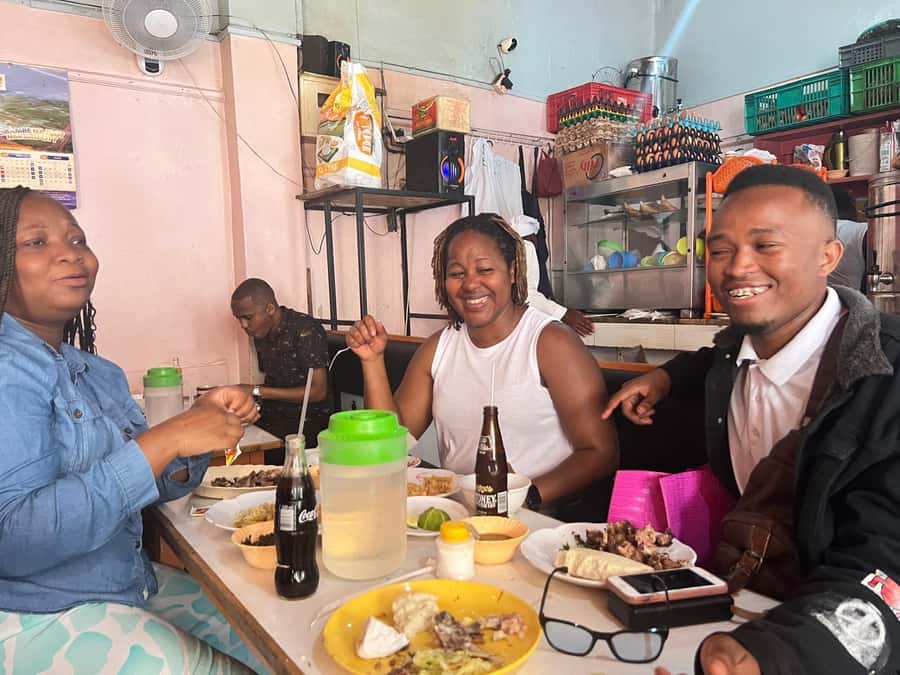
The central tasting section lasts about 20 minutes. This is where you begin trying the dishes that make the tour worthwhile. Samosas offer a crisp, familiar starting point, while chapati brings a soft, layered flatbread that appears often in Kenyan meals.
Nyama choma, or grilled meat, provides a more substantial taste. You may also encounter ugali with Kenyan barbecue, a pairing specifically described as part of the food experience. Ugali is a firm maize dish, and its plain taste makes more sense when eaten with meat or a sauce. If you have never tried it, take a small portion first and ask Ishmael how it is normally eaten.
The selection can extend beyond the headline dishes. Food mentioned for this experience includes snacks, sweets, fruit, Somali food, Kenyan tea, and fresh sugarcane juice. That range is one of the best reasons to bring the extra food money. You can sample rather than commit to one large plate.
A stop featuring Somali food is especially useful because it shows that Nairobi’s food culture is not one single tradition. The city brings together many communities, and the food stops can reflect that variety. The tour description does not guarantee every item on every departure, so treat the examples as likely possibilities, not a fixed menu.
The food is described as filling, despite the tour’s short duration. That is worth noting if you are planning it around lunch. You may finish with much more than a few token bites, but the amount depends on what is available and how much you choose to buy.
A completely different kind of day out from Nairobi:
- Nairobi National Park Half-Day Tour; Free Wi-Fi connection
★ 5.0 · 878 reviews - Nairobi: National Park & Optional Elephants & Giraffe Center
★ 4.8 · 874 reviews - NAI NAMI: Nairobi Storytelling Tour with Street Children
★ 5.0 · 792 reviews - Nairobi National Park Half-Day Game Drive
★ 4.5 · 738 reviews
Thirty minutes among Nairobi’s street food stalls
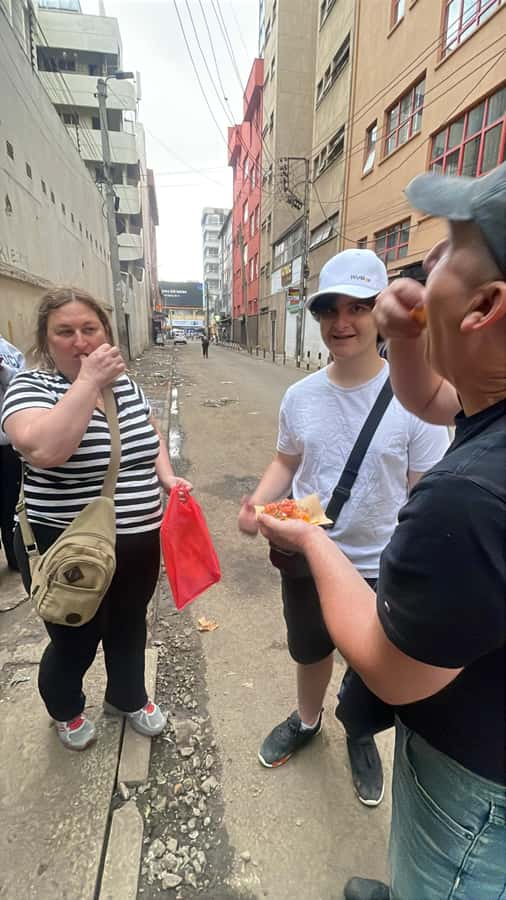
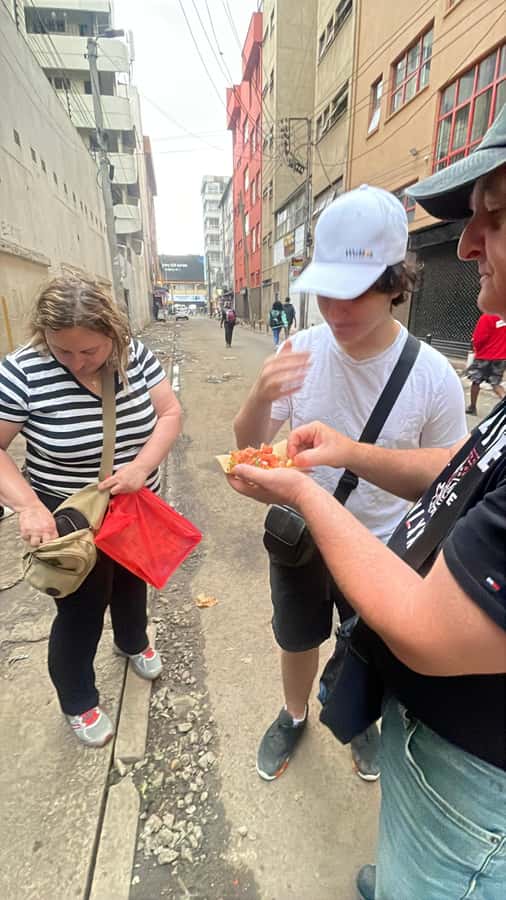
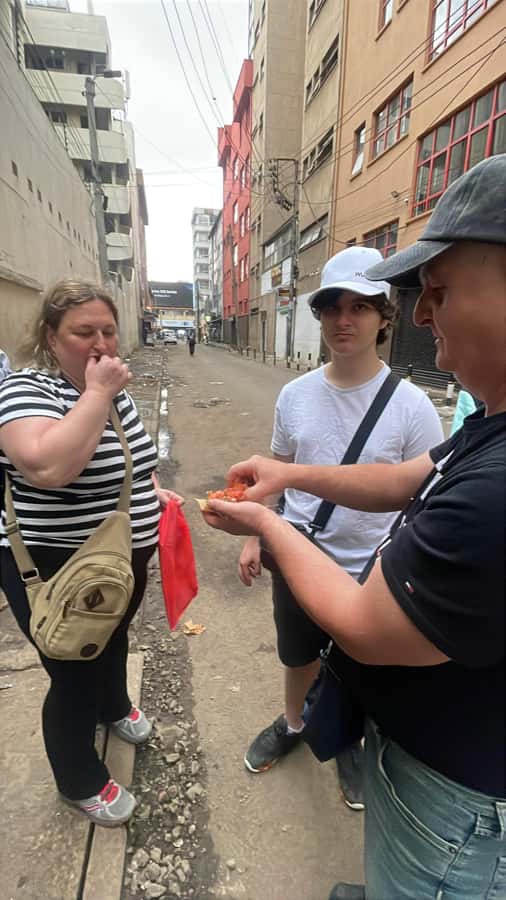
The final 30 minutes are given to street food. This is the longest part of the tour, and it is where the walking format has its clearest advantage. Instead of sitting in one restaurant, you move between nearby places and see how Nairobi eats on the go.
Expect a mix of prepared foods and quick bites. You may taste more samosas, grilled meat, chapati, sweets, fruit, or other local dishes. Kenyan tea or sugarcane juice can provide a drink between savory samples. The included bottled water is a practical extra, but it does not replace the cash you need for food.
The street-food section also gives you a chance to watch the city while you eat. You get a free city walk as part of the experience, and the route helps you become familiar with central Nairobi. It is not a dedicated sightseeing tour, but the movement between food stops adds useful orientation.
I would pay attention to the advice Ishmael gives about places to eat later. One of the most useful outcomes of a food walk is knowing where to continue after the guide leaves. Direct tips on local food and restaurants can help you avoid spending the rest of your trip guessing from hotel menus.
The drawback is that street food is not presented as a controlled restaurant meal. Your comfort depends partly on how adventurous you are with unfamiliar dishes and busy food settings. Ask questions about ingredients if you have allergies or dietary restrictions. The supplied information does not promise vegetarian, vegan, halal, or allergy-specific arrangements, so you should not assume those options are available.
Ishmael Nzioka, the guide who shapes the experience
Ishmael Nzioka is the named guide and experience provider. The clearest positive pattern is his personal approach. He is described as friendly, patient, and attentive, with a strong ability to explain both food and culture.
That matters more on a one-hour tour than it would on a long group excursion. There is no room for a flat script. A good guide has to choose useful stops, keep the walk moving, and answer questions without losing the group. Ishmael is credited with putting the route together himself, which suggests a personal connection to the places visited.
He has also handled a Sunday departure by finding typical dishes when the usual choices were less available. That does not mean every Sunday will have the same menu, but it does suggest some flexibility. Food tours depend on what vendors are serving that day, so a guide who can adjust is a real asset.
You should use the time well. Ask about the origin of a dish, how locals eat it, and where to find a good version later. The food is only half the experience. The explanations are what turn a collection of snacks into a useful introduction to Kenya.
What the $37 price really includes
At $37 per person, this is not a cheap snack run once you add the recommended $20 food budget. The total planned spend can reach about $57 per person, before transport to the meeting point and any extra purchases.
The price is easier to justify if you value the guide and the city orientation. You are paying for an English-speaking local expert, a one-hour guided walk, access to several food stops, tastings, and bottled water. You also get help choosing what to try, which can be useful when food stalls and dishes are unfamiliar.
The value is weaker if you expect the $37 to cover all food. It does not. Read the payment details carefully and keep the food cash separate. If you want souvenirs, extra portions, or take-home snacks, bring more than the recommended amount.
For a short introduction, the cost may work well as part of a larger Nairobi itinerary. You can use the tour to identify dishes and restaurants for later meals. If you already know Nairobi’s food scene or prefer to eat independently, you may find the price harder to defend.
Who should book this Nairobi experience
I would recommend it to first-time visitors who want a fast start. The tour gives you a practical look at central Nairobi, several tastes, and a local guide who can answer questions. It is also a good fit if you are curious about Kenyan food but do not know where to begin.
It suits people who like variety. You can try barbecue, flatbread, maize-based food, snacks, sweets, fruit, and drinks in one outing. It also suits anyone who enjoys learning through conversation rather than reading a menu alone.
Families and mixed-interest groups may appreciate the short length, though food preferences still matter. The activity is wheelchair accessible, which makes it more approachable for some visitors, but it remains a walking route through food streets. If mobility is a concern, contact the provider before booking to discuss the route and stops.
I would be more cautious if you need a fixed menu, a long seated meal, or firm dietary guarantees. You should also think twice if the extra food budget is not convenient. The tour fee covers the guided experience, but the tastings require additional cash.
Booking is flexible, with cancellation allowed up to 24 hours before the start for a full refund. You can also reserve and pay later, which helps if your Nairobi schedule is still changing. Check the available starting time because the activity lasts only one hour.
Practical ways to get more from the hour
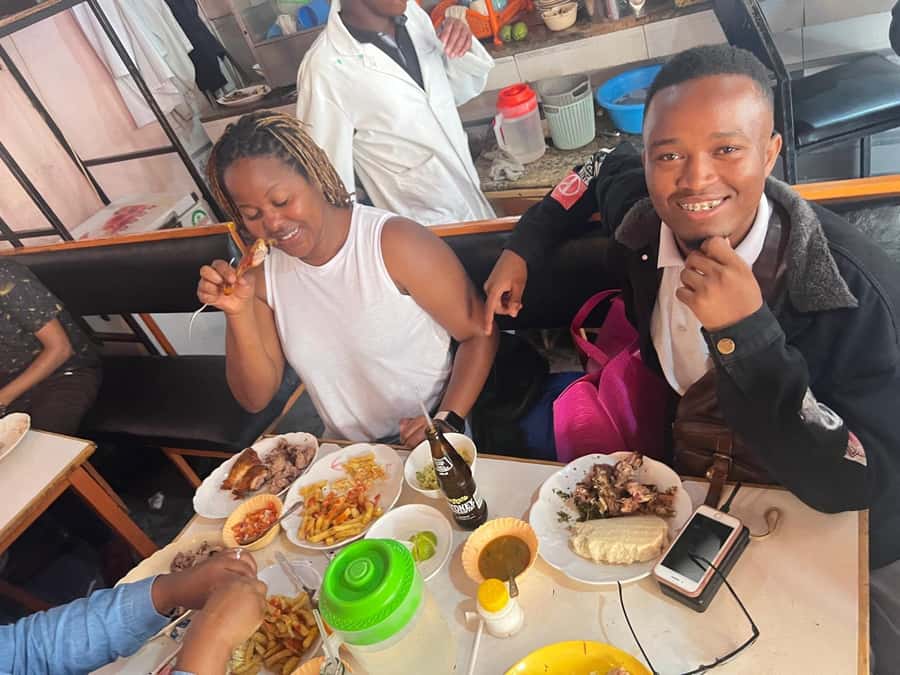
Arrive early and have your cash ready. The guide can then start on time, and you will not lose part of the market visit while sorting out payment.
Go with an open mind, but do not force yourself to eat something that concerns you. Ask what each dish contains and how it is normally eaten. You will learn more by asking one good question at each stop than by rushing through every sample silently.
If you are especially hungry, the food may be enough to fill you. If you want a full meal afterward, plan one anyway, since the selection and portion sizes can change. The tour is built around tasting many items, not promising a specific lunch.
Use the city walk as an informal orientation. Notice where you are, remember the names of recommended food places, and ask Ishmael what to try later. This is where the tour can keep paying off after the hour ends.
Should you book this Nairobi food tour?
Book it if you want a compact, social introduction to Kenyan food and like the idea of walking between several local stops. Ishmael’s friendly explanations, the broad range of possible dishes, and the chance to connect food with Nairobi’s culture make the experience more than a quick snack purchase.
Skip it if you want a long market exploration, a guaranteed menu, or food included in the headline price. At $37 plus at least $20 for tastings, it is best judged as a guided food-and-city introduction, not a bargain meal.
For a first visit to Nairobi, I think the format is useful. Keep your expectations clear, bring comfortable shoes and cash, and allow the menu to change with the day. Do that, and this one-hour walk can give you a tasty start and several ideas for eating well afterward.
FAQ
How long is the Nairobi food tour?
The tour lasts one hour. The schedule includes about 10 minutes at a Nairobi food market, 20 minutes of food tasting, and 30 minutes focused on street food.
What is the price of the experience?
The listed price is $37 per person. This does not include the money used to purchase the food tastings.
How much extra cash should I bring?
Bring at least $20, or the equivalent in local currency, for food. You should bring more if you want extra dishes, souvenirs, or take-home items.
Where does the tour begin?
The tour begins at International House in central Nairobi. The meeting point is near the Hilton Hotel opposite International House on City Hall Way.
Where does the tour finish?
The walking tour returns to International House.
Is food included in the tour price?
Food tastings are part of the experience, but you need separate money to buy the food. The tour price does not cover the recommended $20 food budget.
What foods might I try?
Possible foods include samosas, nyama choma, chapati, ugali with barbecue, Somali food, snacks, sweets, fruit, Kenyan tea, and fresh sugarcane juice. The exact selection can vary.
What language is the tour offered in?
The live tour guide speaks English.
Is the activity wheelchair accessible?
Yes. The activity is listed as wheelchair accessible. It is also a walking tour, so you may wish to confirm route details with the provider if you have specific access needs.
Just added around Nairobi
- Nairobi: Giraffe Center, Elephant Orphanage and Bomas Tour★ 5.0 · 3 reviews
- Nairobi: Airport and Hotel Private Transfers.★ 4.0 · 3 reviews
- Kitengela Anselm Hot Glass tour★ 4.5 · 3 reviews
- 11-Days Best of Kenya & Tanzania Big 5 Safari on a 4×4 Jeep★ 5.0 · 3 reviews
- 12-Day Tsavo west Amboseli lake Nakuru Maasai Mara safari★ 5.0 · 3 reviews
- NAIROBI NATIONAL PARK AFTERNOON GAME DRIVE.★ 5.0 · 3 reviews
- Nairobi Down Town & Walking City Tour★ 4.8 · 3 reviews
- Carnivore Resturant Dinner Experience★ 4.0 · 3 reviews
Food & Drink, compared.

Watamu Marine Park & Sudi Island Mangrove Forest Canoe Ride.With sea food lunch
Read our review →
Coffee farm tour, coffee roasting and tasting experience
Read our review →

Mombasa Private City Tour & Haller park Sanctuary with sea food luch
Read our review →
Purple Tea Farm Tour from Nairobi City – Specialty Tea Tasting
Read our review →
Nairobi Food Tour – Street Food Experience Lunch
Read our review →
Browse the lists this tour appears in