
Reviewed · FOOD & DRINK
Mombasa:Street food Experience
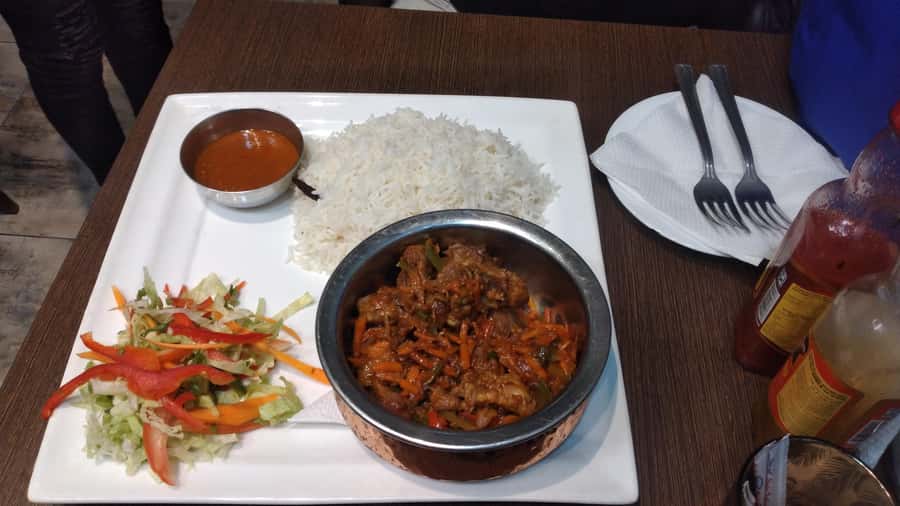
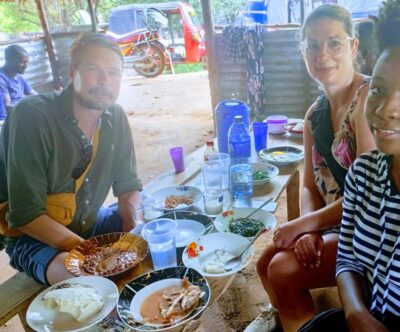
Come hungry, leave full of stories. This 150-minute walk through Mombasa Old Town brings you close to the Coast’s everyday food, from beef skewers and sugarcane juice to Swahili coffee, seafood, and cassava crisps. I like the short walking route and the fact that food and drinks are included, so you can focus on tasting rather than calculating every small purchase.
I also like the cultural angle. Your guide explains how dishes are prepared, talks about local life, and connects each bite to the people who make it. The main consideration is guide style: most feedback praises Joan and Nicole as warm, relaxed hosts, but one person found the welcome and answers dismissive. If a friendly, respectful guide matters greatly to you, keep that in mind.
In This Review
- Key things to know before you book
- Why this Old Town food walk works
- Starting at Treasury Square Roundabout
- Mshikaki, potatoes, and the first savory bites
- Sugarcane juice, Swahili coffee, and tea
- Seafood from the Coast
- Cassava crisps and the final crunch
- The guides: Joan, Nicole, and the human factor
- Is $37 good value?
- Who should book this experience?
- Practical advice for a better food walk
- Should you book the Mombasa Street Food Experience?
- FAQ
- Where does the Mombasa street food experience start?
- How long does the experience last?
- What food might I taste?
- Are food and drinks included?
- Are vegetarian, vegan, and pescatarian options available?
- Which languages does the guide speak?
- Can I cancel or pay later?
Key things to know before you book
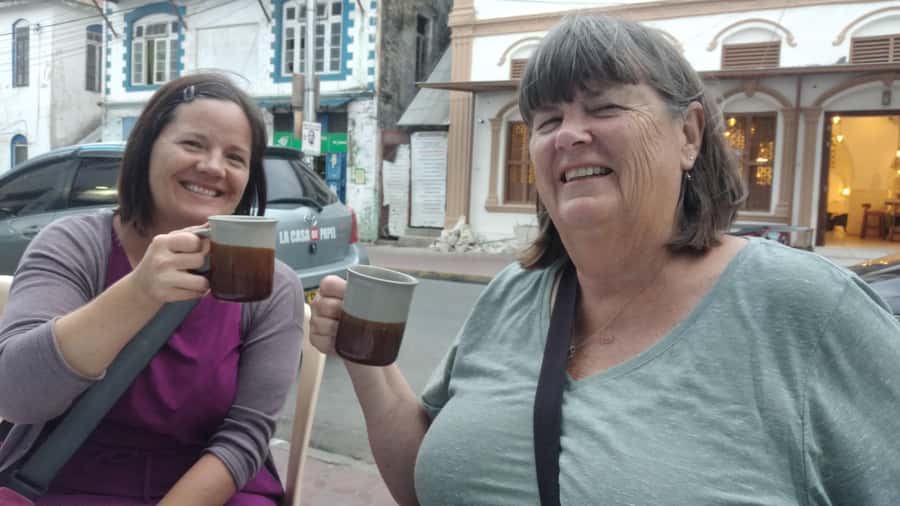
- Seven distinctly coastal tastes: Expect possible samples of mshikaki, fresh sugarcane juice, Swahili coffee, tea, potatoes, seafood, and cassava chips.
- A compact Old Town route: The walk begins at Treasury Square Roundabout and moves between nearby food stops without a long hike.
- Food and drinks are included: The $37 price covers the tasting, which makes budgeting simple.
- Seafood and dietary choices are possible: Octopus, prawns, and fish may appear, while vegetarian, vegan, and pescatarian options can be arranged.
- Come with an empty stomach: The portions are intended to add up, and one highly positive account says the guide’s selection left the group completely full.
- English and Swahili guiding: You can take the experience in either language.
Why this Old Town food walk works
Mombasa’s food is best understood at street level. A restaurant can serve a good plate, but it cannot always show you the quick exchanges, cooking methods, small snacks, and daily habits that shape the Coast’s food culture.
This experience uses walking as part of the meal. You move from one Old Town area to another, stopping for small tastes while learning about local people and their way of life. Since the stops are described as being close together, the route should feel manageable rather than like an exhausting city march.
That compact format suits you if you want a first look at Mombasa without giving up half a day. It also leaves room for a later museum visit, beach time, or a proper dinner. The trade-off is that this is not a long historical walking tour. Food is the main subject, with culture and sightseeing woven around it.
The mood is meant to be informal. The description uses Vurunyaaa, a playful expression suggesting a lively, easygoing approach. That tone may suit you if you enjoy chatting, asking questions, and trying unfamiliar food without ceremony.
A few more trips worth weighing up
- Carnivore Restaurant Nairobi Dinning experience-transport
★ 4.5 · 50 reviews - Nairobi: The Safari Cats Show Tickets & Buffet Dinner
★ 4.4 · 29 reviews - Carnivore Dinner Experience
★ 4.0 · 27 reviews
Starting at Treasury Square Roundabout
The meeting point is Treasury Square Roundabout. From there, expect a brief safety briefing before the walk begins. The opening orientation is listed as about five minutes, followed by the main food and Old Town portion.
A clear meeting point matters in a city walk, and a roundabout is easier to identify than an unnamed alley or shop. Still, you should allow enough time to reach it and confirm the exact meeting instructions when booking, since the supplied details do not include hotel pickup.
There is no drop-off included. You finish in Mombasa rather than being driven back to your accommodation, so plan to continue on foot or arrange your own transport afterward.
Mshikaki, potatoes, and the first savory bites
One of the possible first tastes is mshikaki, beef or chicken cooked on skewers. This is the kind of food that works well on a walking tour: easy to handle, filling, and strongly connected to the quick-food culture of the coast.
You may also sample viazi karai or bhajia, both potato-based favorites. The names can refer to different preparations, and the guide can explain what you are eating and how it is made. That explanation is useful because it turns a simple potato snack into a lesson in local cooking habits.
The menu is not presented as a fixed restaurant course. Your guide chooses samples according to what is available, your taste, and your capacity. That gives the experience a local, flexible feel, but it also means you should not expect every item to appear in exactly the same form every time.
Sugarcane juice, Swahili coffee, and tea
Fresh sugarcane juice, known here as juice ya miwa, adds a sweet and refreshing pause to the savory food. It is one of the most distinctive items on the route because it shows how a simple local ingredient becomes a drink sold directly on the street.
The experience also includes the chance to try kahawa, Swahili sweet coffee, along with Swahili tea. These drinks help explain the social side of food. You are not only eating to fill up. You are also seeing how drinks fit into conversation, hospitality, and daily routines.
If you normally take coffee without sugar, Swahili sweet coffee may taste different from your usual cup. That is part of the point. I would approach it as a cultural sample rather than as a search for your preferred café order.
The same applies to tea. You can ask the guide about the ingredients and preparation, and the tour specifically promises explanations about how the food is made. If you enjoy taking ideas home from a trip, these drink stops may be especially useful because they are easier to recreate than a complex seafood dish.
More food tours:
- Watamu Marine Park & Sudi Island Mangrove Forest Canoe Ride.With sea food lunch
★ 4.5 · 31 reviews - Swahili Street Food Tour
★ 5.0 · 7 reviews - Coffee farm tour, coffee roasting and tasting experience
★ 5.0 · 20 reviews - Purple Tea Farm Tour from Nairobi City – Specialty Tea Tasting
★ 4.5 · 12 reviews
Seafood from the Coast
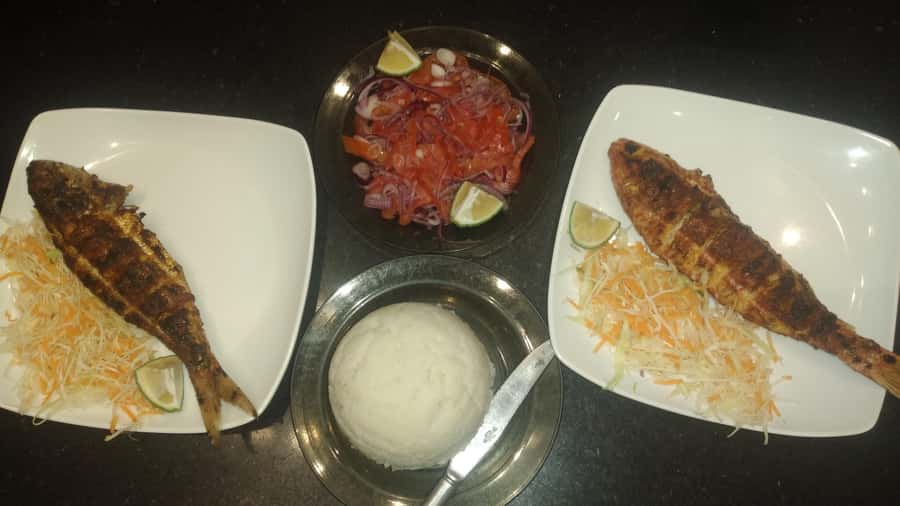
The seafood portion may include octopus, prawns, or fish. This is an important part of the experience because Mombasa’s coastal setting is reflected directly on the plate, not just in the city’s views or history.
You should tell the guide in advance if you have a seafood allergy or strongly dislike seafood. The provider asks for allergy information ahead of time and says that alternative samples can be arranged. That is helpful, but you should still communicate clearly before the walk rather than waiting until you reach a food stop.
The seafood also brings the most uncertainty to the menu. You may receive octopus, prawns, fish, or another available choice rather than all three. Think of the list as a guide to the possible tasting rather than a guaranteed seven-course menu.
For a pescatarian, this can be one of the strongest parts of the outing. For a vegetarian or vegan, the guide says options are available, including the non-seafood snacks and drinks, but you should share your requirements in advance so the route can be planned around them.
Cassava crisps and the final crunch
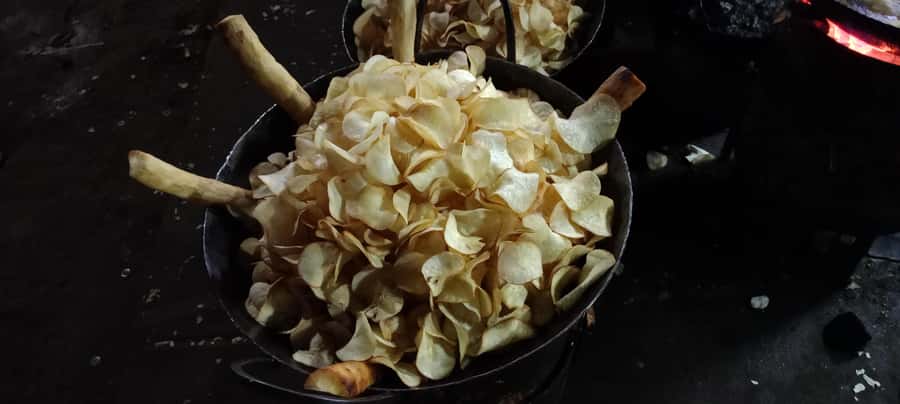
Kachiri, described as cassava chips or crisps, offers another taste of the Coast’s everyday ingredients. Cassava is a useful food in many parts of Africa, and sampling it in crisp form gives you a different texture from the potatoes earlier in the walk.
This is also the kind of small detail that makes a food tour worthwhile. You may already know chips, skewers, tea, or juice. The value comes from seeing which local ingredients are used, how they are seasoned, and where they fit into ordinary life.
By the end, the different samples should add up to a substantial meal. One account says Joan selected so much food that the group was completely full afterward. That is a practical reason to follow the advice not to eat heavily before arriving.
The guides: Joan, Nicole, and the human factor
The quality of a food walk depends heavily on the person leading it. Joan is repeatedly described as relaxed, easy to talk to, and good at sharing information while walking. Nicole is also praised for making the experience feel like eating with a friend and for discussing cultural subjects in a natural way.
Those are valuable traits on this particular tour. The route is not built around grand monuments or a formal lecture. Much of the experience comes from asking questions, stopping to taste something, and learning why it matters. A guide who listens can turn an ordinary snack into a memorable conversation.
The feedback is not perfectly uniform. One person felt uncomfortable with the guide’s opening comment and felt that questions were treated too lightly. That is a real consideration, especially if you want patient answers about ingredients, spices, or customs.
I would not let one poor interaction erase the strong pattern of positive comments, but I would keep your expectations realistic. This is an informal experience, and the tone may be casual rather than polished. If you prefer a structured culinary class with measured demonstrations, printed recipes, and a formal teaching style, this may not be the right fit.
Is $37 good value?
At $37 per person, the price is reasonable if you make full use of the tasting. All food and drinks are included, which matters in a street-food setting. You do not need to keep pulling out cash for every skewer, cup, or packet of crisps, and you can try several items without guessing how much the final bill will be.
The price also pays for more than food. You are getting a guided walk, local interpretation, help choosing what to try, and an introduction to Old Town life. If you bought only one snack and one drink independently, you would spend less, but you would not receive the same explanation or route.
Value depends on appetite and curiosity. If you want a large, clearly defined meal with guaranteed dishes, the flexible format may feel less satisfying. If you want a range of tastes and enjoy learning as you go, the included samples make the cost easier to justify.
The 150-minute duration is another plus. It is long enough to cover several stops but short enough to fit around a wider Mombasa schedule. The listing also gives a three-hour estimate for the main walking and food portion, so allow a little flexibility rather than planning your next activity down to the minute.
Who should book this experience?
I would recommend it to first-time visitors who want an approachable introduction to Mombasa. It gives you food, a short walk, local conversation, and a chance to see how people eat outside hotel dining rooms.
It is also a good match for people who like sampling rather than ordering one large dish. The menu covers meat, seafood, potatoes, cassava, coffee, tea, and juice, so you can compare several flavors during one outing.
Families and groups may like the relaxed pace, provided everyone is comfortable walking between street stops and trying food in informal settings. The route is short, but you should still wear comfortable shoes and expect to be outdoors.
Vegetarians, vegans, and pescatarians are not excluded. The provider specifically says alternatives are available, but you need to give advance notice. The same rule applies to allergies.
I would be more cautious if you have a very limited diet, dislike street food, or want exact control over ingredients and preparation. The experience is built around local samples, so flexibility is part of the deal.
Practical advice for a better food walk
Arrive hungry, but not uncomfortable. The provider specifically advises you not to eat a lot beforehand, and that advice makes sense when the route can include seven different food and drink categories.
Tell the guide about allergies before the experience begins. Do not rely on trying to explain a serious allergy at the food stall. Advance notice gives the guide a better chance to choose safe alternatives.
Keep an open mind about portion sizes. Some samples may be small bites, while others may be filling enough to count as part of a meal. The overall amount can vary according to your appetite and what is available.
Ask questions about preparation. The experience promises practical explanations, and that is one of the best reasons to choose it over simply buying food on your own. You may leave with ideas for making a drink, snack, or dish at home.
You should also remember that the tour ends in Mombasa, with no drop-off. Arrange your onward plans before you start, especially if you need to reach a hotel or another scheduled activity.
Cancellation is flexible: you can cancel up to 24 hours before the experience for a full refund, and you can reserve now and pay later. Starting times depend on availability, so check the selected date before committing your afternoon.
Should you book the Mombasa Street Food Experience?
Book it if you want a short, food-led introduction to Old Town and value conversation as much as eating. The strongest reasons are the broad sample list, included drinks, manageable walking distance, and guides such as Joan and Nicole, who are praised for making the outing friendly and informative.
Skip it if you need a formal cooking lesson, a fixed menu, or a perfectly consistent guiding style. The food selection can change, and the informal approach will not suit everyone.
For most curious eaters, $37 is a fair price for two and a half hours of local tastes and context. Just arrive hungry, share dietary needs early, and treat the route as a guided introduction to Mombasa’s food culture rather than a restaurant meal with guaranteed courses.
FAQ
Where does the Mombasa street food experience start?
It starts at Treasury Square Roundabout in Mombasa.
How long does the experience last?
The stated duration is 150 minutes, or two and a half hours. The main walking, food, sightseeing, and market portion is also described as taking about three hours, so allow some flexibility.
What food might I taste?
Possible samples include mshikaki beef or chicken skewers, fresh sugarcane juice, Swahili sweet coffee, Swahili tea, viazi karai or bhajia potatoes, seafood such as octopus, prawns, or fish, and kachiri cassava chips or crisps.
Are food and drinks included?
Yes. All food and drinks are included in the $37 per person price.
Are vegetarian, vegan, and pescatarian options available?
Yes. Vegetarian, vegan, and pescatarian options are available. You should tell the provider about your dietary needs in advance.
Which languages does the guide speak?
The live guide can conduct the experience in English or Swahili.
Can I cancel or pay later?
You can cancel up to 24 hours in advance for a full refund. The experience also offers reserve now and pay later booking.
Just added around Mombasa
- 3 Days Private Tour of Mombasa★ 4.5 · 3 reviews
- Mombasa: Wasini Dolphin Tour★ 3.2 · 3 reviews
- 1-Day Tsavo East Safari From Mombasa★ 5.0 · 3 reviews
- 2 Days Salt Lick Safari Tour★ 4.5 · 3 reviews
- Mombasa: Discovery Day Tour and Haller Park★ 4.1 · 3 reviews
- Private Tour of Tsavo East National Park from Mombasa★ 5.0 · 3 reviews
- Mombasa: Historical Guided city tour. Old town, Fort Jesus★ 4.2 · 3 reviews
- Airport Transfers to Watamu and Malindi★ 3.5 · 3 reviews
Food & Drink, compared.

Watamu Marine Park & Sudi Island Mangrove Forest Canoe Ride.With sea food lunch
Read our review →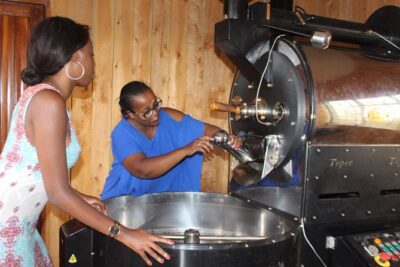
Coffee farm tour, coffee roasting and tasting experience
Read our review →
Mombasa Private City Tour & Haller park Sanctuary with sea food luch
Read our review →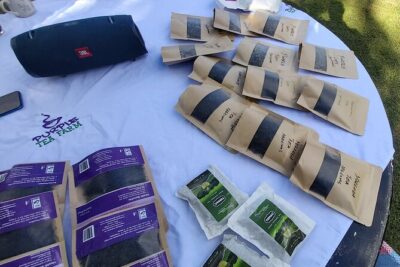
Purple Tea Farm Tour from Nairobi City – Specialty Tea Tasting
Read our review →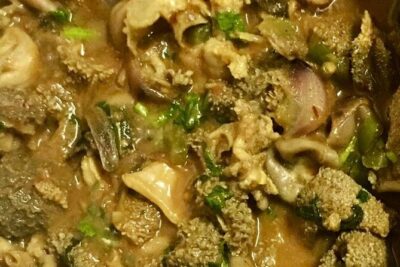
Nairobi Food Tour – Street Food Experience Lunch
Read our review →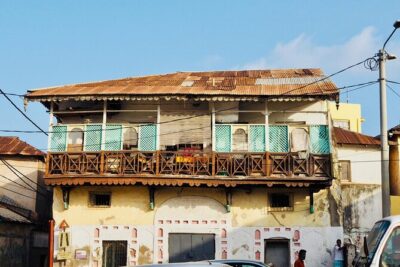
1 Hour Gastronomic and Street Food tour of Nairobi
Read our review →Browse the lists this tour appears in