
Reviewed · FOOD & DRINK
Swahili Street Food Tour
Come hungry, leave better oriented. This four-hour Mombasa food tour combines six local food stops with Swahili history, Old Town architecture, market life, and stories about daily life on Kenya’s coast. I like that the food is not treated as a separate show. You eat while moving through the places where local dishes, drinks, and trade traditions belong.
I also like the choice of breakfast, lunch, or evening departures, since you can fit the tour around a beach stay or a day of sightseeing. The main thing to consider is the price: at $55 per person, it is not the cheapest way to buy street food, though the fee includes all food, drinks, and transportation during the tour.
In This Review
- Key points at a glance
- Starting at Fort Jesus in Mombasa
- Old Town: food beside Swahili streets
- Six vendors, six chances to taste Mombasa
- Breakfast, lunch, or evening: choosing the right slot
- Hawa and Havah bring the cultural side forward
- Architecture and daily life between bites
- Is $55 a fair price?
- Who will enjoy this Mombasa food tour?
- Practical details before you book
- Should you book the Swahili Street Food Tour?
- FAQ
- Where does the Swahili Street Food Tour start?
- Where does the tour end?
- How long does the tour last?
- How many food vendors will I visit?
- Are food and drinks included in the price?
- What is the cancellation policy?
Key points at a glance
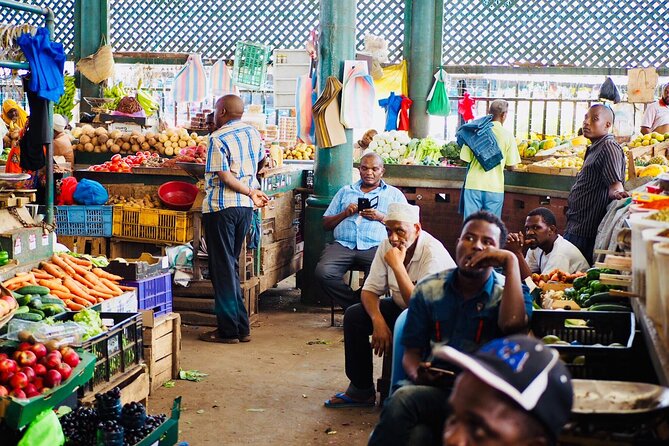
- Six local vendors in four hours: You get a broad tasting rather than one sit-down meal.
- Fort Jesus meeting point: The guide begins with an overview of this major Mombasa landmark before heading into Old Town.
- Three time slots: Choose breakfast, lunch, or evening, depending on your schedule and appetite.
- Swahili culture with every stop: Food is paired with local history, architecture, markets, and everyday customs.
- Small group limit: The tour accepts no more than 10 people, which should make questions and vendor visits easier.
- Food, drinks, and tour transport included: The $55 price covers the main costs once the tour starts.
Starting at Fort Jesus in Mombasa
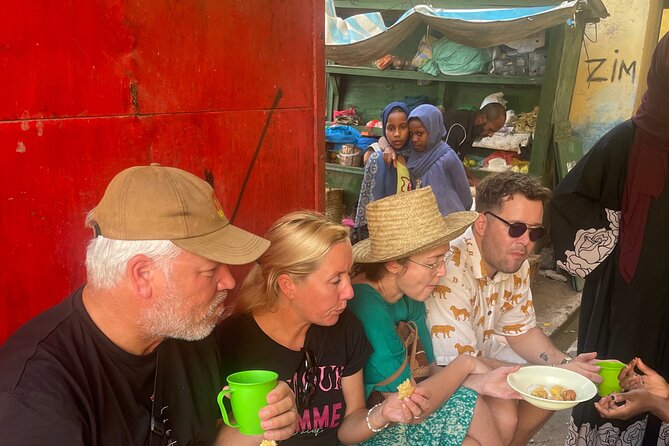
The tour begins at Fort Jesus Museum, P. O. Box 82412, Mombasa, Kenya. You do not go inside the fort as part of this experience. Instead, your guide gives you an introduction to its past and importance before leading you toward the first food stop.
That opening is useful. Fort Jesus is not just a convenient landmark for meeting. It gives you a quick frame for understanding Mombasa as a coastal city shaped by trade, migration, faith, and outside powers. You get the setting before the food begins, rather than eating your way through town without knowing why the streets look and feel as they do.
I would arrive ready to listen for directions and local context, not expecting a full fort visit. If you want to tour the museum interior, plan that separately. The food tour itself uses the fort as a starting point and returns there at the end.
The meeting point also helps with orientation. Mombasa Old Town can feel confusing at first, with narrow streets, old buildings, and plenty of activity. Starting at a fixed landmark gives you a clear place to find your guide and a familiar spot to return to after four hours.
More food tours:
- Watamu Marine Park & Sudi Island Mangrove Forest Canoe Ride.With sea food lunch
★ 4.5 · 31 reviews - Mombasa:Street food Experience
★ 4.7 · 14 reviews - Coffee farm tour, coffee roasting and tasting experience
★ 5.0 · 20 reviews
Old Town: food beside Swahili streets
From Fort Jesus, the experience moves into Old Town. This is where the tour earns its keep. You are not simply handed a plate and told what it contains. You walk through a local area while learning how food fits into Swahili culture and coastal life.
The available description does not name every dish or vendor, so I would avoid booking this expecting a fixed menu. The appeal is the range of tastes across six stops. You may try traditional delicacies, local drinks, market foods, and items prepared or sold by different vendors. The exact selection can change with the time slot and what is available that day.
That flexibility is part of the charm of street food. A restaurant menu can promise the same meal every afternoon. A market and neighborhood food route show you what people are buying and eating at that time. You get a more direct look at local food habits, though you also give up some control over the exact menu.
The guide also helps bridge the gap between unfamiliar food and familiar categories. You can ask how something is prepared, when people eat it, and what makes it part of the coastal diet. Those explanations are often more useful than a long list of ingredients.
Six vendors, six chances to taste Mombasa
The tour visits six local vendors during each four-hour slot. That is a generous number for a half-day outing. You should expect small tastings rather than six full meals, but even modest portions can add up quickly when you are eating at repeated stops.
I like this format because it lets you compare. One vendor may show you a snack, another a traditional dish, and another a drink or sweet. You get to notice how food changes from one stall or shop to the next, and you can ask the guide to point out the difference between similar flavors or cooking styles.
The food is included in the ticket, as are drinks. That makes the price easier to judge. You are not paying $55 and then adding cash at every stop. The listed fee also includes transportation during the tour, so you are not left calculating small fares as the group moves around.
Still, keep your appetite in check before the first stop. A heavy breakfast could make a breakfast tour less enjoyable, while arriving without having eaten anything may make you rush through the early tastings. Since there are six stops, pacing matters.
The tour is also a good first-day activity for an independent visit to Mombasa. You can use it to identify foods and neighborhoods you may want to revisit later. If you already know Old Town well and mainly want a specific restaurant meal, this broad tasting format may feel less focused.
Breakfast, lunch, or evening: choosing the right slot
You can book the tour in three time periods: breakfast, lunch, or evening. Each choice changes the rhythm of the outing.
A breakfast departure suits an early start and gives you food before a longer day of sightseeing. It may also be the best choice if you prefer to explore Old Town before the rest of your schedule fills up. You should expect the food selection to match what is available earlier in the day, though the exact dishes are not specified.
The lunch slot is likely the easiest fit for many schedules. You can pair it with morning sightseeing and use the tour as your main midday meal. Because the experience lasts about four hours, do not place a tight appointment immediately afterward.
The evening option gives the streets a different feel and may work well after a day near the coast. It also means you should leave room for several tastings instead of planning a large dinner right after. The tour ends back at Fort Jesus, so you will have a known return point when the outing finishes.
The best choice depends less on which meal sounds most exciting and more on how you plan your day. I would pick lunch for a first visit, breakfast if I wanted an early cultural start, and evening if I wanted food to anchor the end of the day.
A completely different kind of day out from Mombasa:
- Walking Tour Through Old Town Mombasa and Fort Jesus
★ 5.0 · 393 reviews - Mombasa: Kisite Park Private Cruise with Breakfast and Lunch
★ 4.7 · 181 reviews - Mombasa City Tour
★ 5.0 · 170 reviews - Mombasa: Tusks, Fort Jesus, Old Town, Beach and City Tour
★ 4.7 · 137 reviews
Hawa and Havah bring the cultural side forward
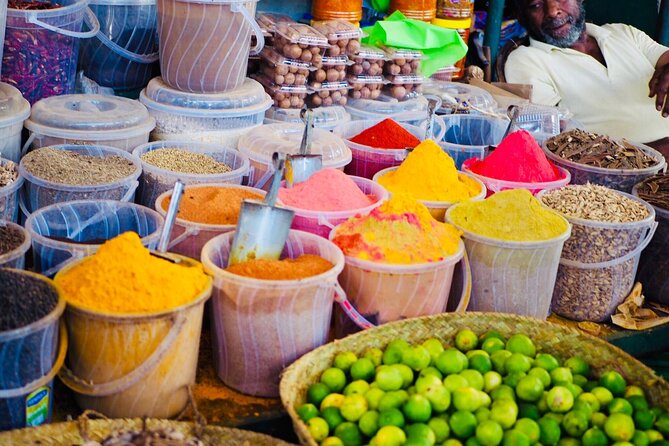
The guide is central to this experience. Names in the available feedback appear as Hawa and Havah, likely referring to the same guide with two spellings. The praise focuses on her ability to explain Mombasa’s history, local culture, architecture, and food in a way that ties the subjects together.
That combination matters. A food tour can become a string of snacks with little connection between them. Here, the guide is expected to explain why the buildings, markets, vendors, and dishes belong in the same story.
I would make use of the guide rather than simply following along. Ask about the foods you like, the customs connected to them, and where you might find similar items later. The strongest part of the tour appears to be the conversation and interpretation, not simply the number of tastings.
The small maximum of 10 people supports that style. A group of this size should be easier to keep together in Old Town, and you have a better chance of hearing the guide and asking questions. It is not a private tour, so the experience will still depend on the group’s pace and interests.
Architecture and daily life between bites
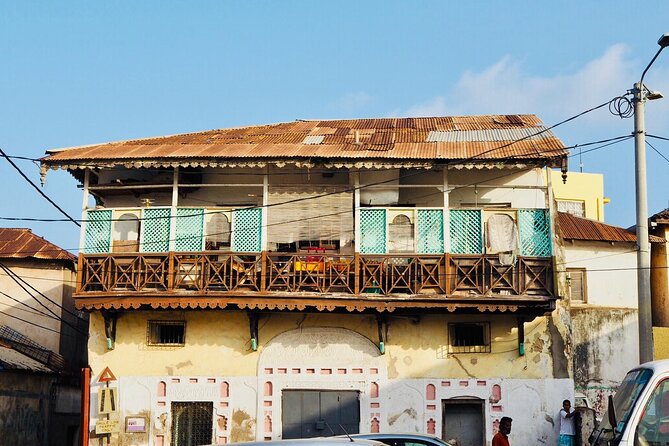
The walk through Old Town adds value beyond the food. The guide discusses Swahili architecture and the way of life around the streets, so you see more than storefronts and market stalls.
The tour does not provide a separate architecture visit or a formal walking lecture. Instead, the buildings and streets become part of the route. That is a practical approach for people who want a sense of place without committing to a full history tour.
Pay attention between tastings. Look at how shops open onto the street, how vendors arrange their goods, and how the neighborhood functions as a lived-in area rather than a display for sightseeing. The food gives you a reason to pause, while the guide provides the context.
This is also where expectations matter. You are not getting a detailed museum tour of Fort Jesus or a complete course in Kenyan history. You are receiving a food-centered introduction to Mombasa, with cultural and architectural details added along the way. For a four-hour outing, that balance makes sense.
Is $55 a fair price?
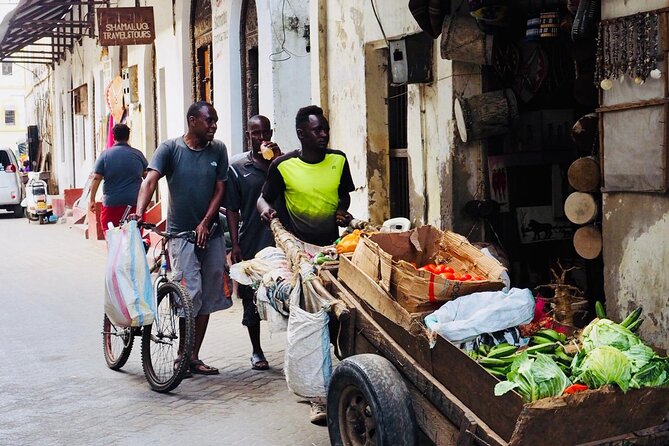
The cost is $55 per person. That is more than you would spend buying one or two snacks on your own, but the comparison is not quite fair. The ticket includes six vendor visits, all food, drinks, transportation during the tour, and a guide who connects the stops to Mombasa’s culture.
The value is strongest if you want help finding local food and understanding what you are eating. Without a guide, you might save money but miss the background, struggle to choose between unfamiliar options, or pass by vendors without knowing what is worth trying.
The price is less compelling if your main goal is simply to eat as cheaply as possible. You are paying for access, explanation, planning, and convenience. You are also paying for a half-day of structured activity, not just calories.
I would compare it with the cost of a normal guided excursion in Mombasa, not just the price of street snacks. On that basis, $55 is reasonable for a small-group, food-focused introduction, especially since the extra charges for food and transport are already covered.
Who will enjoy this Mombasa food tour?
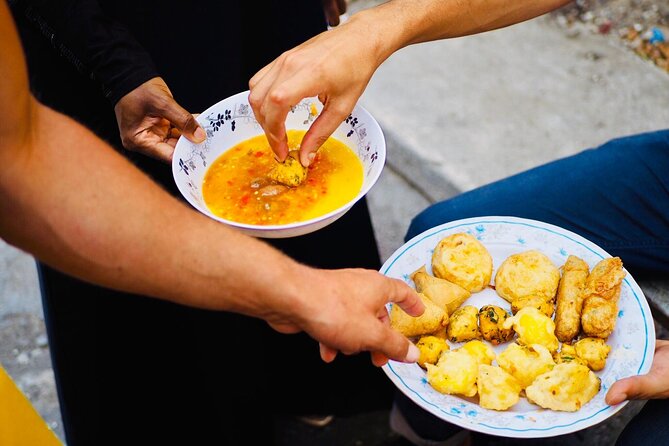
I would recommend it most strongly to first-time visitors who want an easy introduction to Old Town. You get a fixed meeting point, a guide, a small group, six tastings, and a return to where you began.
It also suits curious eaters who prefer variety to one long restaurant meal. You can sample several local specialties and learn which flavors appeal to you before ordering independently later.
People interested in culture will get more from it than people looking only for a quick meal. The food is the hook, but the guide’s explanations about history, architecture, and daily life are a major part of the experience.
Families may find the format useful because the tasting structure breaks the outing into manageable stops, and service animals are allowed. Most people can participate, and the route is near public transportation. The supplied information does not describe the amount of walking or specific dietary accommodations, so ask before booking if you have mobility or food restrictions.
I would be more cautious if you need a precise menu, dislike group schedules, or want a private culinary class. The six stops and dishes can vary, and the tour is designed around local vendors rather than a controlled restaurant setting.
Practical details before you book
The tour lasts about four hours and ends at Fort Jesus, the same point where it starts. That return makes planning easier, but you should still leave breathing room afterward because the duration is approximate.
A mobile ticket is provided, and confirmation arrives at booking. The group maximum is 10 people. The tour is near public transportation, though the information does not specify a particular bus stop or route.
Free cancellation is available if you cancel at least 24 hours before the local start time. Cancel within 24 hours, or make changes inside that window, and you should not expect a refund.
Since the tour is booked around 30 days ahead on average, I would reserve early if your Mombasa dates are fixed. That is especially sensible if you want a particular breakfast, lunch, or evening slot.
Should you book the Swahili Street Food Tour?
Book it if you want more than a meal. The best reason to choose this tour is the mix of six local tastings and clear cultural context. You get a guided introduction to Old Town, a look at everyday food life, and the chance to ask questions while the dishes are in front of you.
The main caution is that $55 is a planned excursion price, not a bargain street-food budget. You also will not enter Fort Jesus, and the exact foods are not guaranteed in advance.
For a first visit to Mombasa, I think the balance is good. Choose the time slot that fits your day, arrive hungry but not starved, and treat the outing as both a meal and an orientation walk. If you want a reliable way to start understanding Swahili food and Old Town, this is a sensible choice.
FAQ
Where does the Swahili Street Food Tour start?
It starts at Fort Jesus Museum in Mombasa, Kenya.
Where does the tour end?
The experience ends back at the Fort Jesus meeting point.
How long does the tour last?
The tour lasts approximately four hours.
How many food vendors will I visit?
Each breakfast, lunch, or evening slot includes visits to six local vendors.
Are food and drinks included in the price?
Yes. The tour price includes all food and drinks during the experience, along with transportation during the tour.
What is the cancellation policy?
You can receive a full refund by canceling at least 24 hours before the local start time. Cancellations and changes made less than 24 hours before the start are not accepted for a refund.
Just added around Mombasa
- 3 Days Private Tour of Mombasa★ 4.5 · 3 reviews
- Mombasa: Wasini Dolphin Tour★ 3.2 · 3 reviews
- 1-Day Tsavo East Safari From Mombasa★ 5.0 · 3 reviews
- 2 Days Salt Lick Safari Tour★ 4.5 · 3 reviews
- Mombasa: Discovery Day Tour and Haller Park★ 4.1 · 3 reviews
- Private Tour of Tsavo East National Park from Mombasa★ 5.0 · 3 reviews
- Mombasa: Historical Guided city tour. Old town, Fort Jesus★ 4.2 · 3 reviews
- Airport Transfers to Watamu and Malindi★ 3.5 · 3 reviews
Food & Drink, compared.

Watamu Marine Park & Sudi Island Mangrove Forest Canoe Ride.With sea food lunch
Read our review →
Coffee farm tour, coffee roasting and tasting experience
Read our review →

Mombasa Private City Tour & Haller park Sanctuary with sea food luch
Read our review →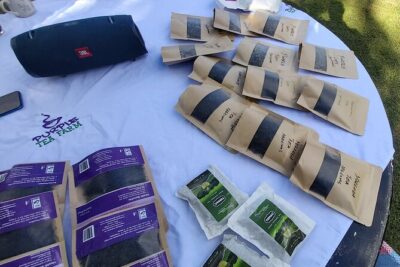
Purple Tea Farm Tour from Nairobi City – Specialty Tea Tasting
Read our review →
Nairobi Food Tour – Street Food Experience Lunch
Read our review →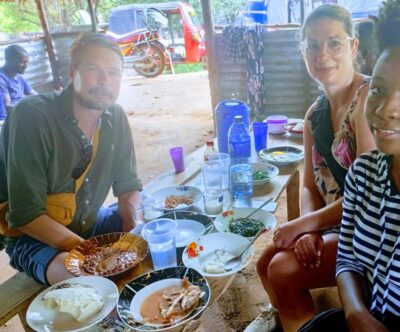
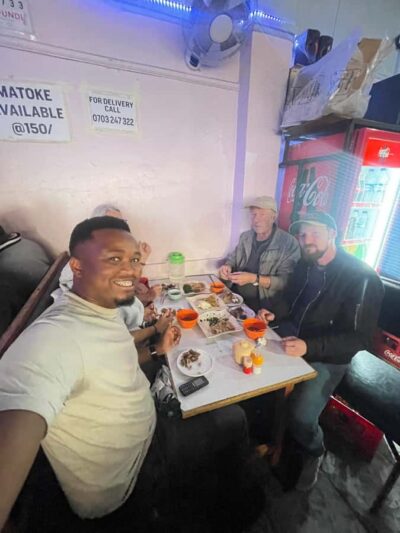
1 Hour Gastronomic and Street Food tour of Nairobi
Read our review →Browse the lists this tour appears in