
Reviewed · COFFEE & TEA FARM TOURS
Coffee farm tour, coffee roasting and tasting experience
Coffee starts with a tree. This two-hour visit to All Seasons Coffee gives you a close look at how Kenyan coffee moves from plant to cup, without turning the lesson into a dry lecture. I like the small group of no more than 10 people, and I like that you roast beans yourself and take some home. The main drawback is the final road to the farm, which can be rough and harder to navigate than the city portion of the trip.
The $35 price is fair for the amount packed into two hours, especially if your booking includes round-trip transport from Nairobi. Guides Stanley and Duncan earn repeated praise for their warmth, humor, and clear explanations, while Susan, the operator, is noted for helpful communication. Bring comfortable shoes, allow time for the drive, and remember that this is a working family farm, not a polished coffee theme park.
In This Review
- Key points to know before you go
- Why a Nairobi coffee farm visit is worth your time
- Arriving at All Seasons Coffee outside Nairobi
- Walking among coffee trees with a family story
- From coffee tree to processing stage
- Roasting your own beans to take home
- Fresh Arabica coffee and simple refreshments
- What the $35 price really covers
- The guides make the two hours work
- Who should book this coffee experience
- Practical details that can affect your day
- Should you book the All Seasons Coffee tour?
- FAQ
- How long does the coffee farm tour last?
- Where does the tour take place?
- How many people can join the tour?
- Is transportation from Nairobi included?
- What activities are included?
- Are food and drinks included?
- Can I cancel for a full refund?
Key points to know before you go

- A farm with more than a century of coffee production: Some of the trees have been producing for over 100 years, giving the visit a real sense of continuity.
- You roast coffee with your own hands: The roasting is not just a demonstration. You prepare beans that you can take home.
- A true small-group format: The maximum is 10 people, which gives you room to ask questions and get help during the roasting session.
- Fresh coffee closes the experience: After the farm walk and processing talk, you drink freshly brewed Arabica coffee with snacks and refreshments.
- Transport needs careful checking: Hotel pickup and drop-off are included only if you select that option. If not, transportation to and from the farm is your responsibility.
- The setting offers a quiet break from Nairobi: The farm provides open, peaceful surroundings outside the city, though the final stretch of road may be rough.
Why a Nairobi coffee farm visit is worth your time
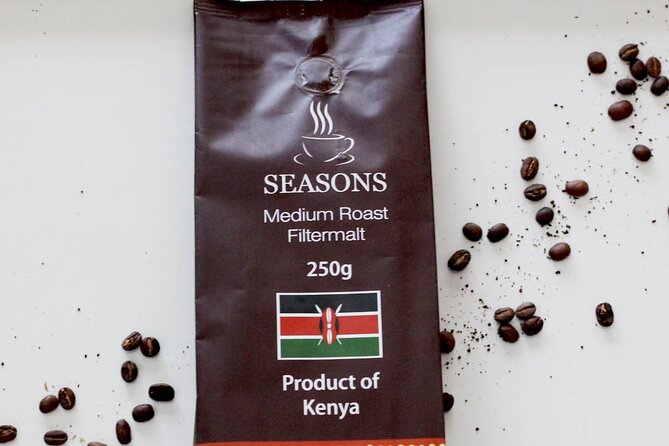
Nairobi is often treated as a base for wildlife excursions, but Kenya’s coffee story deserves attention too. This tour gives you a look at an important part of the country’s farming economy and shows why a finished cup involves far more work than most coffee drinkers see.
I especially like the farm-to-cup structure. You begin with coffee trees, then hear about processing, roast beans yourself, and finish by drinking the result. That order makes sense. Each stage answers the next question in a natural way.
The visit also feels more personal than a large factory tour. With a maximum of 10 people, you are not simply standing at the back of a crowd. You can ask Stanley or Duncan about cultivation, coffee varieties, roasting, and Kenya’s coffee industry. Their approach seems suited to both serious coffee fans and people who simply enjoy a good morning cup.
The current rating is 5 out of 5 from 20 ratings, with all recommending the experience. That is a small sample, but the praise is unusually consistent. The strongest themes are the guides, the useful explanations, the chance to roast your own beans, and the quality of the coffee served at the end.
More Coffee & Tea Farm Tours in Nairobi
- Nairobi Coffee Farm and Factory Tour
★ 5.0 · 87 reviews - Nairobi: Coffee Factory and Farm Tour with Transfer
★ 4.5 · 60 reviews - Nairobi to Kiambethu Tea Farm Tour
★ 5.0 · 51 reviews
Arriving at All Seasons Coffee outside Nairobi
The experience takes place at All Seasons Coffee, outside Nairobi. You leave the city behind and reach a quieter farm setting, which gives the outing a useful change of pace. This is not a quick café stop in central Nairobi. You are visiting a place where coffee trees grow and where the process can be explained in its proper setting.
If you choose the transport option with round-trip transfers, the outing is much simpler. Check the booking details carefully, because hotel pickup and drop-off are not included in every option. If transport is not selected, you must arrange your own way to and from the farm.
The last part of the road deserves attention. One person specifically found the final stretch difficult because of its condition. That does not make the tour a poor choice, but it does mean you should allow flexibility and avoid planning a tight connection afterward. If you are arranging your own transport, confirm the meeting details before setting out.
Children can take part, but they must be accompanied by an adult. Most people can participate, and the activity is suitable for a wide range of ages. Since part of the visit takes place outdoors on a farm, comfortable shoes are a sensible choice.
Walking among coffee trees with a family story
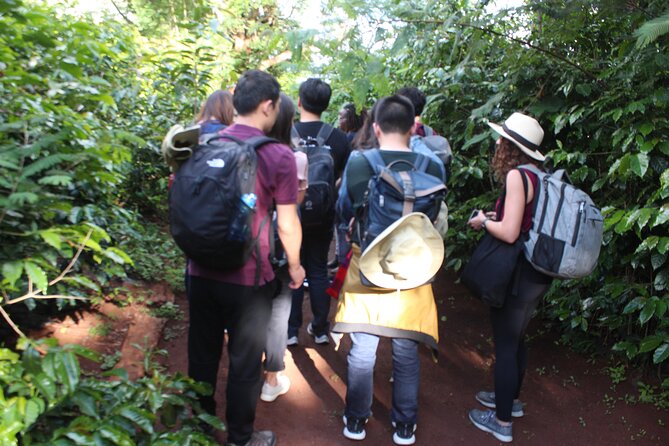
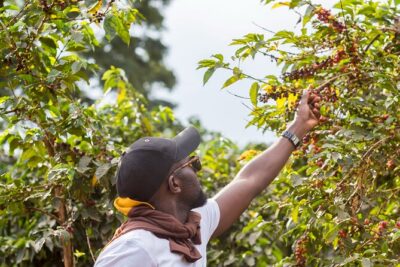
The first part of the visit is a walk through the farm. You see coffee trees up close and learn how they grow, rather than viewing coffee only as a roasted product in a bag.
One especially interesting detail is the age of the farm. The trees have been producing for more than 100 years, and the property has a long family connection to coffee in Kenya. That detail gives the visit more weight. You are not just looking at plants placed for a tour. You are seeing a family operation with generations of experience behind it.
The tour does not appear to promise an enormous plantation or a long agricultural trek. The farm walk is part of a compact two-hour experience, so expect a focused introduction rather than an all-day field study. That is a benefit if you have limited time in Nairobi, but coffee specialists seeking a full production audit may find the visit fairly introductory.
I would pay attention to the explanations about the coffee plant itself. A good guide can help you understand how much of the final taste begins before roasting, in the way coffee is grown, harvested, and handled. Duncan and Stanley are particularly well regarded for making those explanations easy to follow and enjoyable.
From coffee tree to processing stage
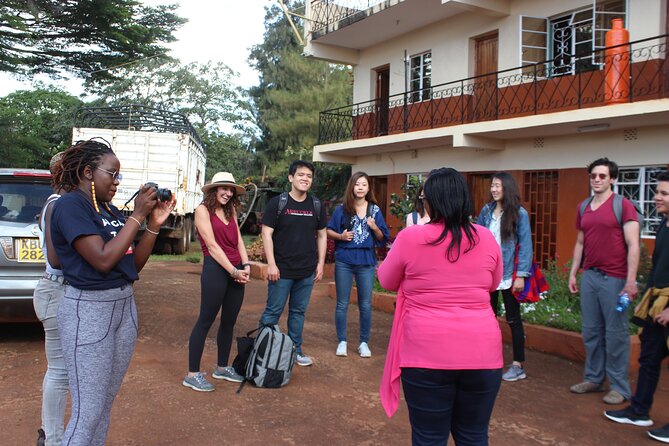
After the farm walk, the tour turns to processing. You get an explanation of how coffee moves from the plant toward the finished bean, with attention to the steps between harvesting and roasting.
This is one of the most useful parts for anyone who drinks coffee regularly but has never seen production up close. The coffee bush is only the beginning. Processing affects what happens later in the cup, and the guide connects the agricultural work with the finished drink.
The visit also includes information about coffee varieties and Kenya’s coffee industry. One guide is praised for explaining both plantation work and different kinds of coffee, while another is described as offering a broad understanding of Kenya and coffee. That combination matters. You are learning about a farm, but also about the place coffee holds in the country’s economy and culture.
Do not expect a technical training course for professional roasters. The supplied details describe a practical, accessible tour, not a certification class. If you already work as a barista, you may know some of the roasting basics, but the farm setting can still give you a stronger respect for the labor behind each bean.
A completely different kind of day out from Nairobi:
- Nairobi National Park Half-Day Tour; Free Wi-Fi connection
★ 5.0 · 878 reviews - Nairobi: National Park & Optional Elephants & Giraffe Center
★ 4.8 · 874 reviews - NAI NAMI: Nairobi Storytelling Tour with Street Children
★ 5.0 · 792 reviews - Nairobi National Park Half-Day Game Drive
★ 4.5 · 738 reviews
Roasting your own beans to take home
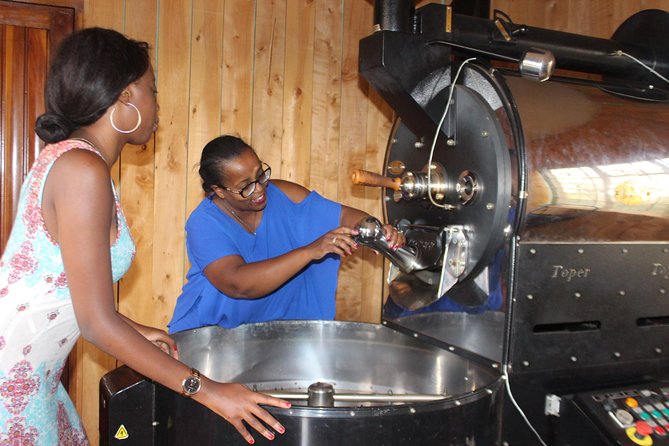
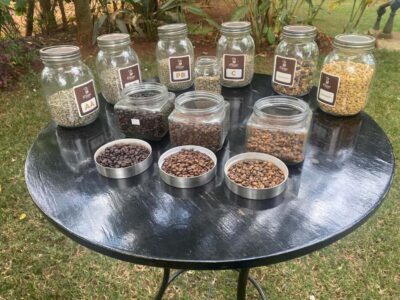
The hands-on roasting session is the tour’s best feature. You get to roast some coffee yourself, then take the beans home. This changes the tone of the visit from a demonstration into an activity you will remember.
For coffee drinkers, the value is clear. You can connect the smell, color, and texture of the beans with the explanation you have just heard. You also leave with a small personal souvenir that is more meaningful than a standard gift-shop purchase.
The roasting is done as part of a guided session, so you should have a chance to ask questions and receive help. A group of 10 or fewer keeps this manageable. In a larger group, the same activity could become a quick turn at a table. Here, the small size should give you a better opportunity to take part.
Keep your expectations practical. The tour does not state how much roasted coffee each person takes home, nor does it specify the exact roasting equipment or method. You can count on the activity, but not on a particular quantity or roasting style unless the operator confirms it before booking.
This is also where the guides’ personalities matter. Stanley is repeatedly praised as an excellent host, and Duncan is described as friendly, entertaining, and well informed. A hands-on activity benefits from a calm guide who explains what you are doing instead of rushing everyone through it.
Fresh Arabica coffee and simple refreshments

The final stage is the tasting. You sit down with freshly brewed coffee and refreshments after seeing the beans grow, learning about processing, and roasting some yourself.
The coffee served is Arabica, and the comments about its flavor are strongly positive. Coffee is included in the price, along with tea, bottled water, light refreshments, and snacks. That makes the ending feel complete rather than tacked on.
I like the order of events here. Tasting comes after the practical work, so you have a better sense of what you are drinking. You can think about the difference between a bean at the farm and coffee in the cup. Even if you are not a dedicated coffee enthusiast, that comparison gives the final drink more interest.
The refreshments are described as light snacks, not a full meal. Do not arrive expecting lunch. If you need a substantial meal, plan one before or after the tour. Bottled water is included, which is useful during the farm walk, but you may still prefer to carry extra water if the day is warm.
The quiet surroundings also help. After time in Nairobi, sitting with a fresh cup in a peaceful farm setting can be a welcome pause. The experience is not only about coffee facts. It gives you a slower two hours and a chance to meet people connected with the farm.
What the $35 price really covers
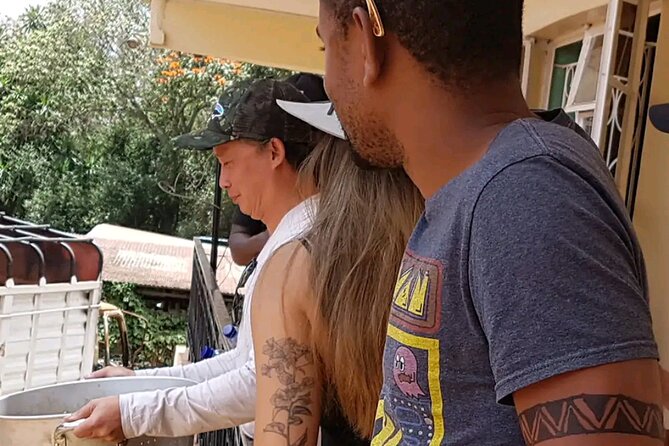
At $35 per person, this is a reasonably priced short excursion, especially for anyone who would otherwise need to organize a separate trip outside Nairobi. You receive the farm walk, the processing explanation, the roasting activity, coffee tasting, snacks, bottled water, and applicable taxes and fees.
The value depends most on the transport option. If round-trip transfers from Nairobi are included in the version you choose, the price covers both the activity and much of the practical work of reaching the farm. If transfers are not selected, you must add your own transportation costs and effort.
The small group also improves the value. A private tour would cost more, while a large group could feel less personal. A limit of 10 people is a useful middle ground. You get a social experience without losing the chance to ask questions or participate in roasting.
The strongest value is for people who want more than a cup of coffee in a café. You are paying for access to a working farm, an explanation of the production chain, and an activity you cannot recreate easily on your own in Nairobi.
The guides make the two hours work
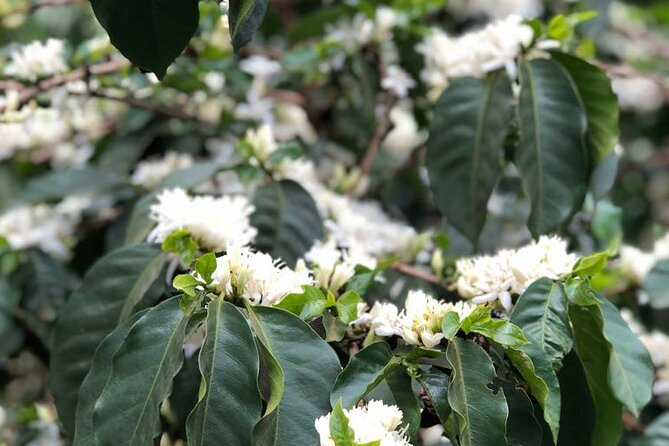
The people leading the visit are a major part of its appeal. Stanley is praised for his hospitality and for explaining coffee planting, varieties, and production. Duncan receives similar praise for his humor, warmth, and ability to make the subject enjoyable.
Susan, the operator and owner, is also noted for clear communication and a helpful attitude when a visitor was running late. That does not guarantee every future interaction will be identical, but it suggests the operation pays attention to guests before they arrive as well as during the visit.
The best guide-led experiences do not bury you in facts. They help you see why the facts matter. Here, the guides connect the trees, processing, roasting, and final cup in a way that suits both beginners and coffee lovers.
A barista from the United Kingdom described leaving with greater respect for every bean. That reaction points to the tour’s deeper strength. It can change a familiar daily habit into something you understand better.
Who should book this coffee experience
I would recommend this tour to you if coffee is part of your daily routine and you want to know how it is made. It is also a good choice if you have already visited Nairobi’s main sights and want a quieter outing with a local agricultural focus.
It suits couples, families with an adult accompanying children, solo visitors, and small groups of friends. The small capacity makes it easier to enjoy as a personal experience, while the social setting keeps it from feeling too formal.
You do not need to be a coffee expert. The explanations are designed to be friendly and understandable, and the roasting session gives beginners something concrete to do. Coffee professionals may appreciate the farm context, though they should not expect an advanced technical course.
I would think twice if you have very limited mobility or dislike uneven outdoor settings, since the experience includes a farm walk and the final access road may be rough. The supplied information says most people can participate, but it does not provide detailed accessibility information.
Practical details that can affect your day
The duration is about two hours. That is long enough to cover the main stages without taking over your entire Nairobi schedule. Still, include extra time for transport, especially if you are using the optional transfers or dealing with the rough final road.
A mobile ticket is provided, so you can keep confirmation on your phone. Booking confirmation is received at the time of booking. Free cancellation is available if you cancel at least 24 hours before the local start time. Cancellations or changes made inside that window are not accepted for a refund.
The experience is commonly booked about 18 days ahead. That is useful planning information if your Nairobi dates are fixed, especially since the group is limited to 10 people. I would reserve ahead rather than wait until the last morning.
The tour includes local taxes and handling charges, so the advertised $35 price is not hiding a separate tax line. The main extra to watch is transportation if your chosen option does not include pickup and drop-off.
Should you book the All Seasons Coffee tour?
Yes, if you want a compact, personal look at Kenyan coffee rather than another city sightseeing stop. The farm setting, century-old trees, hands-on roasting, and final Arabica tasting give the two hours a clear purpose.
The tour is especially good value when round-trip Nairobi transport is selected. It is less convenient if you must arrange your own ride, and the rough final road means you should not build a tight schedule around the visit.
Book it for the chance to roast your own coffee, meet guides such as Stanley and Duncan, and understand the work behind a Kenyan cup. Skip it only if you are looking for a large commercial plantation, a full meal, or advanced professional roasting instruction.
FAQ
How long does the coffee farm tour last?
The experience lasts approximately two hours.
Where does the tour take place?
It takes place at All Seasons Coffee, a working coffee farm outside Nairobi, Kenya.
How many people can join the tour?
The group has a maximum of 10 participants.
Is transportation from Nairobi included?
Round-trip transfers from Nairobi are available when you select that option. Hotel pickup and drop-off are not included if you book an option without transportation.
What activities are included?
You walk through the coffee farm, learn about coffee processing, roast some coffee yourself, take the roasted coffee home, and drink freshly brewed coffee.
Are food and drinks included?
Yes. The experience includes coffee and/or tea, bottled water, snacks, and light refreshments.
Can I cancel for a full refund?
Yes, if you cancel at least 24 hours before the experience start time. Cancellations or changes made less than 24 hours before the start time are not accepted for a refund.
More Food Tours
- Purple Tea Farm Tour from Nairobi City – Specialty Tea Tasting
★ 4.5 · 12 reviews - Nairobi Food Tour – Street Food Experience Lunch
★ 4.5 · 9 reviews - Nairobi: 1 Hour Gastronomic and Street Food tour of Nairobi
★ 5.0 · 6 reviews - Riara tea farm tour with lunch and tea tasting from Nairobi
★ 5.0 · 3 reviews
More Coffee Experiences
- Coffee Farm Village & Factory Half Day Tour with Pick-Up
★ 5.0 · 33 reviews - Nairobi: Guided Coffee Farm Tour with Tastings
★ 5.0 · 24 reviews - Private Half-Day Tour in Fairview Coffee Farm from Nairobi
★ 5.0 · 13 reviews - Nairobi: Beads Factory Tour with Pickup & Coffee
★ 5.0 · 7 reviews
Just added around Nairobi
- Nairobi: Giraffe Center, Elephant Orphanage and Bomas Tour★ 5.0 · 3 reviews
- Nairobi: Airport and Hotel Private Transfers.★ 4.0 · 3 reviews
- Kitengela Anselm Hot Glass tour★ 4.5 · 3 reviews
- 11-Days Best of Kenya & Tanzania Big 5 Safari on a 4×4 Jeep★ 5.0 · 3 reviews
- 12-Day Tsavo west Amboseli lake Nakuru Maasai Mara safari★ 5.0 · 3 reviews
- NAIROBI NATIONAL PARK AFTERNOON GAME DRIVE.★ 5.0 · 3 reviews
- Nairobi Down Town & Walking City Tour★ 4.8 · 3 reviews
- Carnivore Resturant Dinner Experience★ 4.0 · 3 reviews
Coffee & Tea Farm Tours, compared.
Coffee Farm Village & Factory Half Day Tour with Pick-Up
Read our review →
Private Day Trip to Kiambethu Tea Farm in Limuru from Nairobi
Read our review →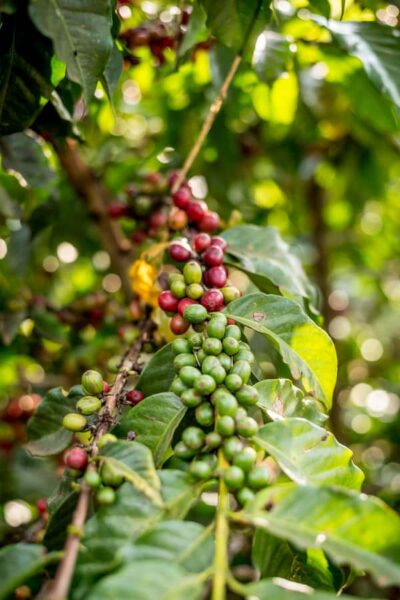
Browse the lists this tour appears in