
Reviewed · MAASAI VILLAGE VISITS
Maasai Village: Cultural Experience of The Maasai Tradition
Meet Kenya beyond the city. This six-hour day trip from Nairobi offers a close look at Maasai customs through fire-making, beadwork, cooking, songs, and conversation. I like the hands-on format, especially learning to prepare ugali with local women and trying the traditional method of starting a fire without matches. I also like the small group size, limited to 10 people, and the friendly guides, including Jen and Ben, who have earned strong praise for their warm, helpful approach.
The main caution is expectation-setting. You may picture a large Maasai settlement, but the visit can feel more like a small family compound with a few huts. The $55 price also excludes a $30 admission fee per person, so you should budget $85 before adding food, drinks, or personal purchases.
In This Review
- Key points at a glance
- From Nairobi streets to open Kenyan scenery
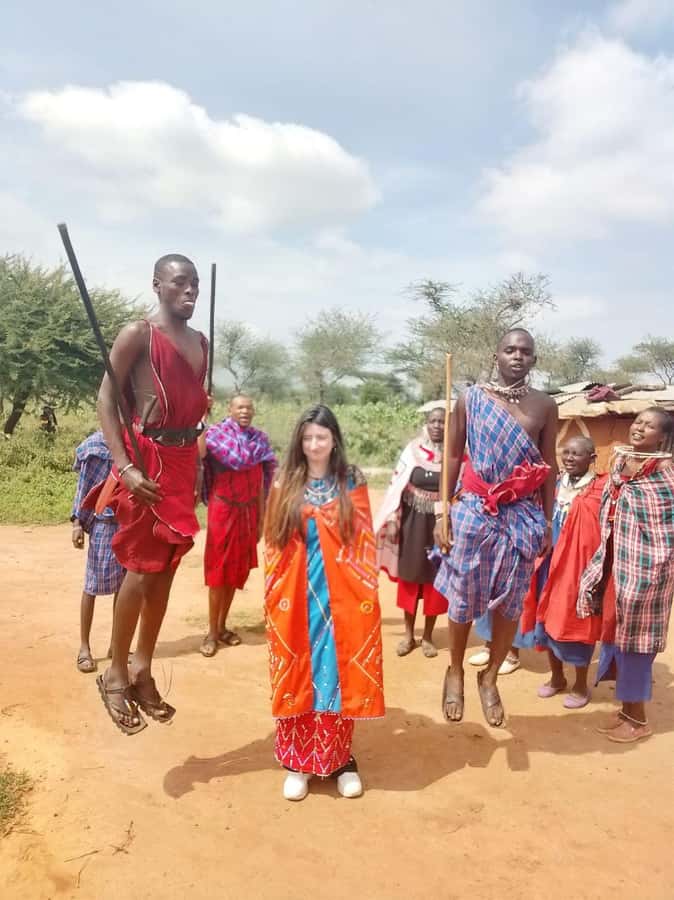
- A welcome of song, movement, and jumping
- Fire-making without matches
- Cooking ugali with local women
- Beadwork with meaning, not just shopping
- Inside a manyatta hut
- Stories about cattle, families, and belief
- What the $55 price really covers
- How the experience handles authenticity
- Guides, group size, and the social side
- Who should book this Maasai village visit?
- Should you book it?
- FAQ
- How long does the Maasai village experience last?
- What is the price per person?
- Does the tour include Nairobi hotel pickup and drop-off?
- How is the pickup time arranged?
- What language does the guide speak?
- What activities are included?
- Is a meal included?
- Can I buy Maasai jewelry?
- Is a livestock-market visit guaranteed?
- Is the experience suitable for wheelchair users?
Key points at a glance
- Traditional fire-making: Try to create a fire without matches using Maasai techniques.
- Cooking with local women: Prepare ugali, a staple Kenyan dish, under local guidance.
- Songs and jumping dance: Receive a lively welcome from Maasai warriors and women.
- Small-group format: The group is limited to 10 people, which helps with questions and conversation.
- Possible livestock-market visit: On select days, you may see cattle, goats, and sheep traded at a major market.
- Extra admission cost: The advertised $55 price does not include the separate $30 village entry fee.
From Nairobi streets to open Kenyan scenery
Your day begins with pickup anywhere within Nairobi. After booking, you provide the pickup address, then receive a confirmed time and meeting point. That flexibility is useful if you are staying in a hotel, guesthouse, or another location inside the city.
The drive is part of the experience, not just a transfer. You leave the city behind and pass through changing Kenyan scenery on the way toward the village. One person described the drive to the village as taking about two hours, so you should expect a substantial amount of time in the vehicle during this six-hour outing.
That travel time has a practical effect. This is not a quick cultural stop squeezed between Nairobi attractions. The road journey takes up a meaningful part of the day, but it also gives your English-speaking driver a chance to explain Kenyan cultures and ecosystems along the way.
I would bring water, sunscreen, and a hat even though bottled water is included. Comfortable shoes matter more than smart clothes. High heels are not suitable, and bare feet are not allowed.
More Maasai village visits:
- Nairobi: Day Tour to Amboseli National Park & Maasai Village
★ 4.5 · 310 reviews - Masai village Day Tour Experience
★ 5.0 · 284 reviews - Maasai Village Experience Day Tour
★ 5.0 · 72 reviews
A welcome of song, movement, and jumping
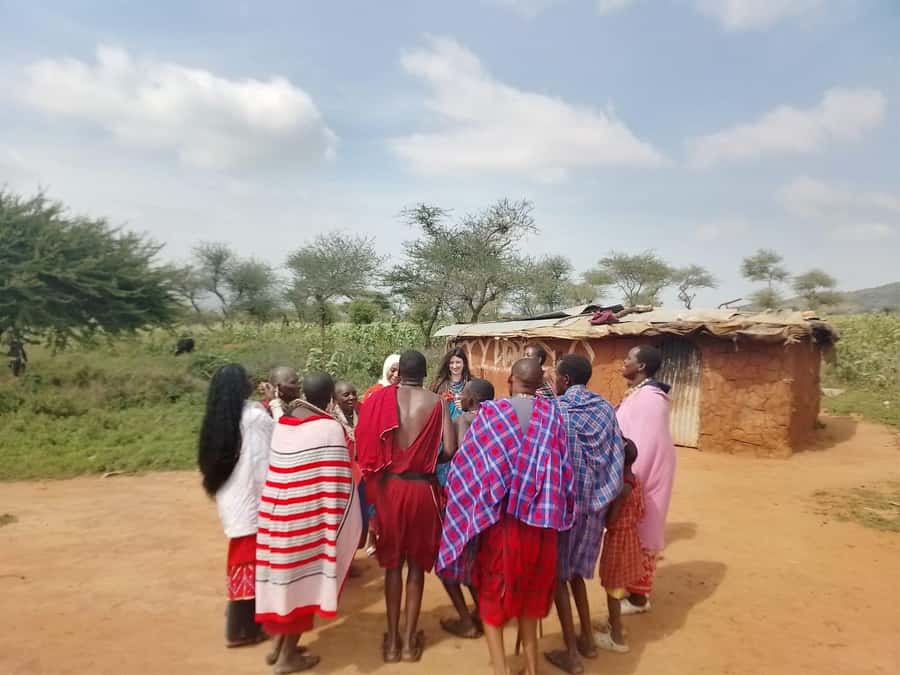
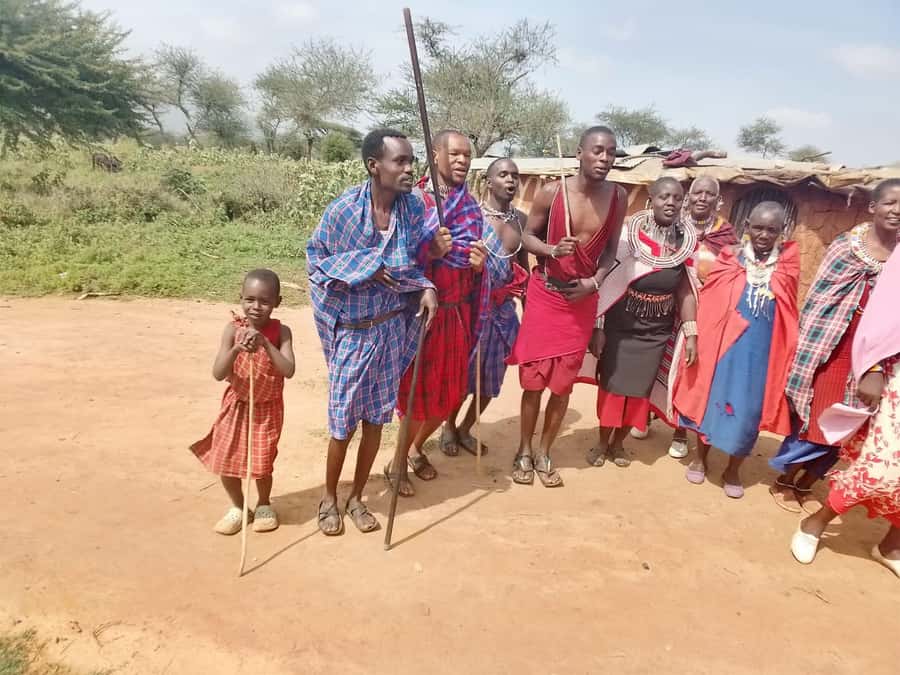
At the village, the welcome begins with Maasai songs and a jumping dance performed by warriors and women. It is an energetic introduction, and it gives you an immediate sense of how music, movement, and public ceremony fit into Maasai cultural life.
The jumping is likely to be one of the most memorable photo opportunities of the day. Photography is part of the social experience, and you are told that pictures are allowed. Still, I would treat the camera as a tool, not the main event. Watch first, ask questions, and take photographs respectfully.
The welcome can feel theatrical because it is prepared for visitors. That does not make it meaningless, but it is worth understanding the setting. You are seeing a cultural presentation arranged for a visiting group, not simply arriving unnoticed during an ordinary village gathering.
This distinction matters because the experience has received mixed reactions. Some people found the songs, dance, and jumping ceremony lively, friendly, and unforgettable. Others felt the visit was commercialized. I would approach it as a personal cultural exchange with traditional elements, rather than as a completely private look at everyday Maasai life.
Fire-making without matches
The fire-making activity is one of the strongest parts of the visit because it turns explanation into action. You learn how to produce a fire with traditional techniques rather than watching a guide perform the whole task while you stand back.
This kind of activity makes the lesson easier to remember. You see the materials, observe the method, and then try it yourself. It also opens the door to a wider discussion of daily life, cooking, warmth, and the practical skills needed in a setting without modern kitchen equipment.
Do not expect a polished workshop with everyone succeeding on the first attempt. The point is to understand the process and feel the difficulty of the task. The activity works best if you are willing to be patient and laugh at your own lack of bushcraft.
Cooking ugali with local women

You also get to prepare ugali with local women. Ugali is a staple Kenyan dish, and this cooking session gives the visit a domestic side that the dance presentation cannot provide.
Cooking alongside local residents allows for more natural conversation. You can ask about how the dish is prepared and how cooking fits into daily routines. The information provided does not say that a full meal is included, so do not treat this as lunch. Meals and extra drinks are listed as additional costs.
I like this part because food gives you an easy way to connect. You do not need specialist knowledge or a long list of questions. You can simply follow the instructions, help with the preparation, and talk while the dish comes together.
If you have dietary concerns, the available details do not explain how they are handled. Ask the provider before booking if the cooking activity needs to be adapted for you.
A few more trips worth weighing up
- Nairobi National Park Half-Day Tour; Free Wi-Fi connection
★ 5.0 · 878 reviews - Nairobi: National Park & Optional Elephants & Giraffe Center
★ 4.8 · 874 reviews - NAI NAMI: Nairobi Storytelling Tour with Street Children
★ 5.0 · 792 reviews - Nairobi National Park Half-Day Game Drive
★ 4.5 · 738 reviews
Beadwork with meaning, not just shopping
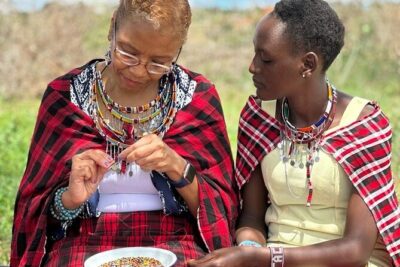
Maasai beadwork is presented as more than a souvenir craft. The jewelry carries importance within Maasai identity, and you have the chance to make a simple piece yourself while learning about the skill involved.
The small scale of the activity should suit anyone who enjoys working with their hands. It also offers a quieter contrast to the singing and jumping. You can focus on color, pattern, and technique while asking about the role beadwork plays in Maasai life.
Handmade jewelry is available for purchase, with proceeds going directly to the village. That makes buying a piece a more useful choice than purchasing a generic souvenir elsewhere, but you should still buy only what you genuinely want. The activity should not turn into pressure to spend.
The wording about money is important here. Optional donations and gifts are also possible, and these are described as direct support without exploitation. You remain in control of what you give. A respectful visit does not require a donation, and you should not feel obliged to make one.
Inside a manyatta hut
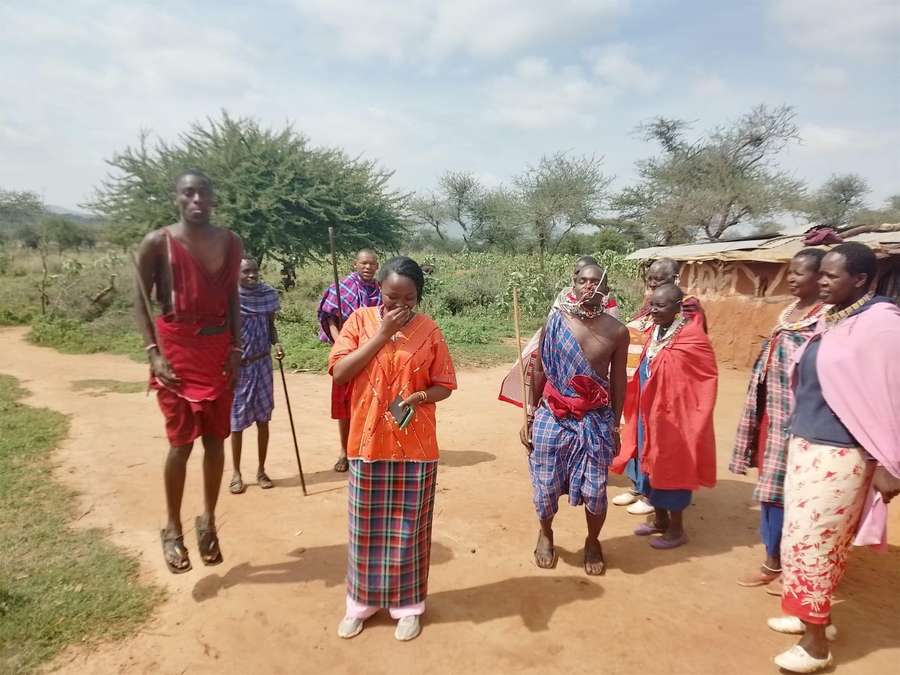
The visit includes an opportunity to enter a traditional manyatta, a Maasai hut made from mud, sticks, and cow dung. This is one of the most useful parts of the day for understanding how construction materials become a home.
You learn how the hut is built, how families are structured, and how daily tasks are carried out. A manyatta is not simply a scenic backdrop for photographs. It is a practical space shaped by local materials, family needs, and available resources.
The hut visit also helps correct a common mistake in cultural sightseeing. It is easy to look at a traditional home and focus only on its unusual appearance. The better question is how people use the space and why it is built that way. The guide’s explanation should help you make that shift.
At the same time, the physical setting may not suit everyone. The experience involves walking, social interaction, and entering traditional structures. The information provided gives conflicting access details: one section says wheelchair accessible, while another says it is not suitable for wheelchair users or people with mobility impairments. I would contact Great Moments Safaris Kenya before booking if access is important to you.
Stories about cattle, families, and belief
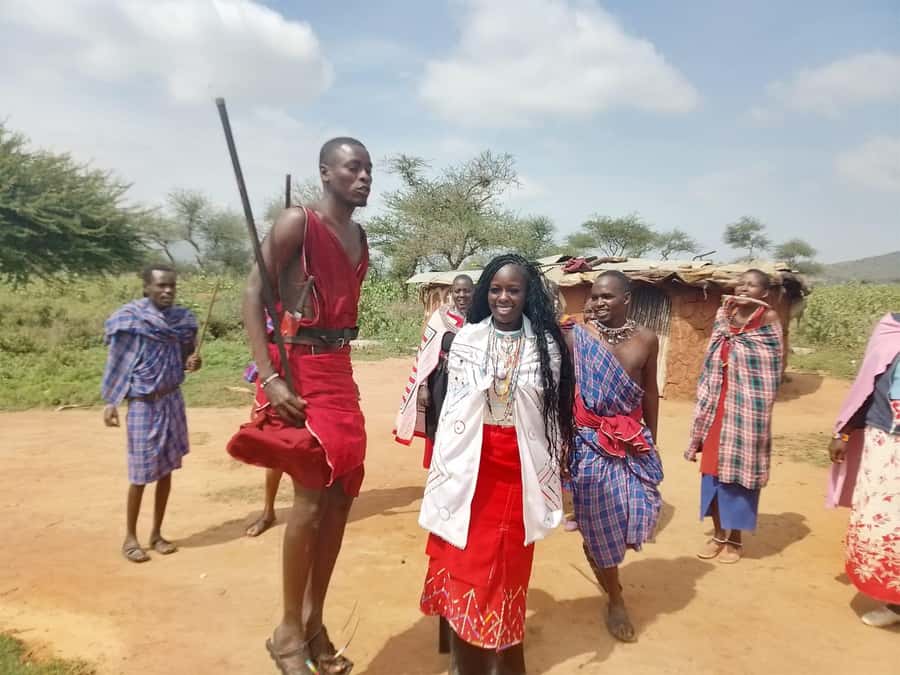
The visit includes stories passed down through generations, with discussion of Maasai customs and beliefs. These stories give context to the activities, so the day is not limited to demonstrations and photographs.
The guide can help connect the visible parts of the visit with wider patterns of Maasai life. You may learn how families are organized, how cattle fit into community life, and why particular customs continue to matter.
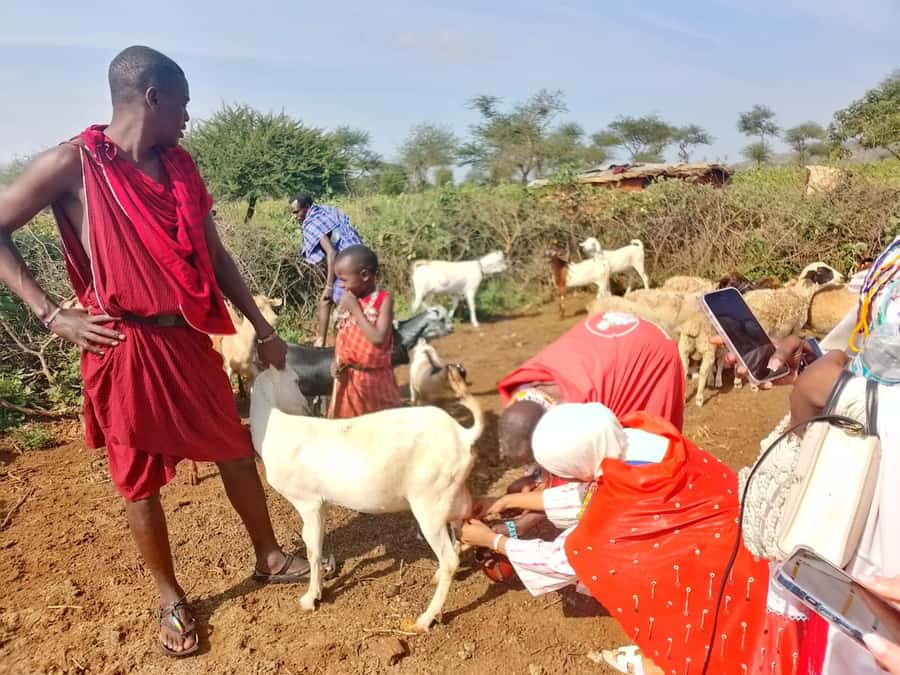
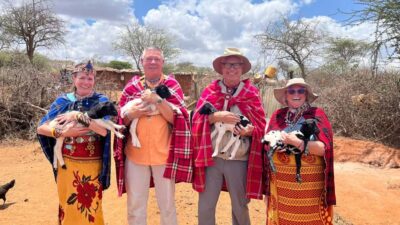
On select days, the schedule may include one of Kenya’s largest livestock markets. At the market, Maasai herders trade cattle, goats, and sheep. This adds an economic side to the visit and shows that Maasai life is not only about ceremonies, clothing, or huts.
The market visit is not guaranteed every day, so you should not book solely for that feature. If it matters to you, ask whether your date includes it. If it does, expect a more active public setting than the village compound, with trade and social contact at the center.
What the $55 price really covers
The advertised price is $55 per person. It includes hotel pickup and drop-off within Nairobi, bottled water, an English-speaking driver, a guided cultural visit, and the activities involving cooking, beadwork, and fire-making.
There is also a separate $30 admission fee per person. That brings the basic cost to $85 before meals, extra drinks, jewelry, donations, or other personal expenses. This extra charge should be part of your decision from the start, not a surprise at the entrance.
At $85, the value depends on what you want from a cultural outing. The price makes more sense if you value private transport from Nairobi, a small group, several hands-on activities, and direct contact with local residents. It makes less sense if you expect a long, independent visit to a large village where you can quietly observe daily life without a prepared program.
The group limit of 10 is a real advantage. A smaller party gives you a better chance to ask questions and take part in the activities without being lost in a crowd. It may also make the social side easier, since the experience is built around conversation rather than simply following a guide from one viewing point to another.
How the experience handles authenticity
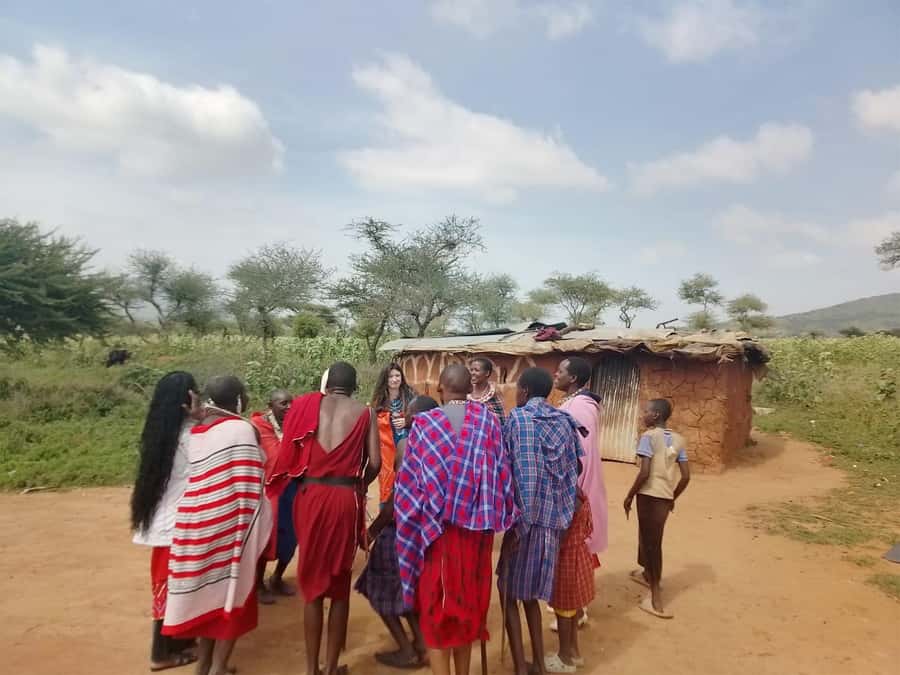
The word authentic needs care here. You are visiting a secluded Maasai setting described as less affected by mass tourism, but the program is still organized for visitors. There is a welcome dance, a planned series of activities, jewelry for sale, and a separate entrance fee.
That structure does not automatically make the visit false. Cultural programs can provide income and give local people control over how they present parts of their heritage. The key is to arrive with realistic expectations and respect the people hosting you.
Some parts may feel staged, especially the opening dance. Other parts, such as making a fire, cooking ugali, entering a manyatta, and talking about family life, can feel more personal and informative. The balance will depend on the guide, the group, and the mood of the day.
The experience received an overall rating of 4.6 from 12 reviews, but the range is worth noting. Strong praise centers on the guides, friendly welcome, cultural explanation, and memorable ceremonies. Lower scores focus on the small size of the settlement, the added admission cost, and a sense that the visit was too commercial.
That mix gives you a useful warning: book this for contact and participation, not for a carefully controlled glimpse of an untouched community.
Guides, group size, and the social side
The driver and guide speak English. After booking, you communicate with the provider about your pickup address and receive the exact pickup time and location.
Jen and Ben are specifically praised for being friendly, accommodating, and focused on making the day work well. Ben is also singled out as both a strong guide and a pleasant companion. Guide quality matters on a visit like this because the same activities can feel rushed or thoughtful depending on how well the stories are explained.
The social side is central. You will take part in conversations, photographs, demonstrations, and group activities. This is not a quiet outing for someone who prefers to observe from a distance.
If you enjoy asking questions and trying unfamiliar tasks, you are likely to get more from the day. If you dislike public participation or feel uncomfortable with cultural photography, you may find the format demanding.
Who should book this Maasai village visit?
I would recommend it to first-time visitors to Nairobi who want a manageable introduction to Maasai traditions without arranging transport themselves. It suits people who enjoy cultural activities, small groups, cooking, crafts, and direct conversation.
It is also a good match for families and curious adults who prefer learning by doing. The fire-making and beadwork give children and adults something concrete to focus on, while the stories and hut visit add context.
I would be more cautious if your main goal is to see a large working village or observe everyday life without a visitor program. The settlement may be small, and the organized welcome can feel commercialized to some people.
Plan carefully if you have limited mobility. The information about wheelchair access conflicts, so ask for a clear answer before paying. Wear flat, comfortable shoes, bring sun protection, and leave room in your budget for the $30 admission fee.
Should you book it?
Book this experience if you want an active, social introduction to Maasai culture and you are comfortable with a prepared visitor program. The best reasons to go are the small group, hands-on activities, friendly guides such as Jen and Ben, and the chance to support local beadwork and village activities directly.
Skip it if you expect a large village, a fully uncommercialized encounter, or a long meal included in the price. The extra admission cost changes the value calculation, and the two-hour drive to the village means you should be happy spending much of your six-hour day on the road and in social activities.
For the right person, this can be a memorable addition to a Nairobi stay. Just arrive ready to participate, ask respectful questions, and see it as a hosted cultural exchange rather than an untouched window into private life.
FAQ
How long does the Maasai village experience last?
The experience lasts six hours, including transportation from Nairobi and the cultural activities.
What is the price per person?
The listed price is $55 per person. A separate $30 admission fee per person is not included.
Does the tour include Nairobi hotel pickup and drop-off?
Yes. Pickup and drop-off are provided from any location within Nairobi.
How is the pickup time arranged?
After booking, you provide your Nairobi address. The provider then confirms your pickup time and exact meeting point.
What language does the guide speak?
The driver and guide speak English.
What activities are included?
Activities include traditional fire-making, ugali cooking with local women, Maasai beadwork, songs, a jumping dance, stories, and a visit to a manyatta hut.
Is a meal included?
No. Meals and extra drinks are not included.
Can I buy Maasai jewelry?
Yes. Handmade Maasai jewelry is available for purchase, with proceeds going directly to the village.
Is a livestock-market visit guaranteed?
No. The market visit takes place on select days only.
Is the experience suitable for wheelchair users?
The information is inconsistent. One section describes it as wheelchair accessible, while another says it is not suitable for wheelchair users or people with mobility impairments. Contact Great Moments Safaris Kenya before booking if you need accessible arrangements.
Just added around Nairobi
- Nairobi: Giraffe Center, Elephant Orphanage and Bomas Tour★ 5.0 · 3 reviews
- Nairobi: Airport and Hotel Private Transfers.★ 4.0 · 3 reviews
- Kitengela Anselm Hot Glass tour★ 4.5 · 3 reviews
- 11-Days Best of Kenya & Tanzania Big 5 Safari on a 4×4 Jeep★ 5.0 · 3 reviews
- 12-Day Tsavo west Amboseli lake Nakuru Maasai Mara safari★ 5.0 · 3 reviews
- NAIROBI NATIONAL PARK AFTERNOON GAME DRIVE.★ 5.0 · 3 reviews
- Nairobi Down Town & Walking City Tour★ 4.8 · 3 reviews
- Carnivore Resturant Dinner Experience★ 4.0 · 3 reviews
Maasai Village Visits, compared.

Day Tour to Amboseli National Park & Maasai Village
Read our review →

Day Trip: Amboseli National Park & Maasai Village – Nairobi
Read our review →
Day Trip to Maasai Mara Reserve & Maasai village
Read our review →
3days/2nights group joining Masai Mara with Masai Village Visit
Read our review →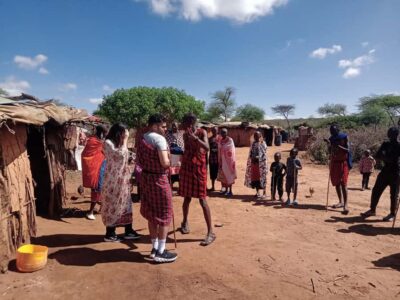
Kenya: Maasai Village Visit with Traditional Dance Show
Read our review →Browse the lists this tour appears in