
Reviewed · MAASAI VILLAGE VISITS
From Nairobi: Maasai village and cultural experience
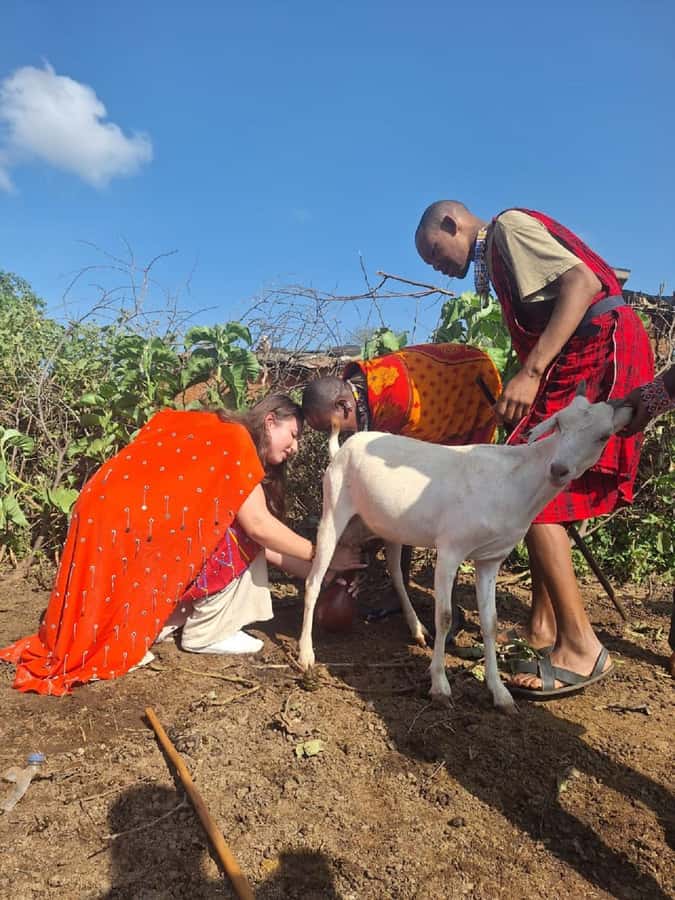
Tradition comes alive outside Nairobi. This half-day outing takes you toward Kajiado and Bisil, where a Maasai community welcomes you with songs, dancing, and the famous adumu jumping dance. You then walk through a real manyatta, learn how mud-thatched homes are built, watch a traditional fire-making demonstration, and meet Maasai women who display their beadwork.
I like the clear focus on daily life rather than a quick photo stop. I also like that the village chief explains the culture in excellent English, a detail confirmed by Aliya from Saudi Arabia after her January 2026 visit. The main consideration is price: the advertised $50 per person does not include the $30 Maasai guide and entry fee, so the practical cost is closer to $80 before food or drinks.
In This Review
- Key Things To Know Before You Go
- Why This Maasai Visit Works
- Leaving Nairobi for Kajiado and Bisil
- The First Welcome: Songs, Dancing, and Adumu
- Inside a Manyatta and Its Mud-Thatched Homes
- Traditional Fire Making With Maasai Warriors
- Meeting Maasai Women Through Beadwork
- What You Will Learn About Maasai Life
- Is $50 Good Value?
- Timing, Comfort, and Group Size
- The Return to Nairobi
- Who Should Book This Experience?
- Should You Book the Maasai Village Visit?
- FAQ
- How long does the Maasai village experience last?
- Where does the tour take place?
- Is pickup from Nairobi included?
- Is transportation provided?
- What happens during the Maasai welcome?
- Will I visit a real Maasai homestead?
- Is there a traditional fire-making demonstration?
- Can I buy Maasai jewelry?
- Is food included?
- What extra fee should I expect?
Key Things To Know Before You Go
- The village welcome includes adumu, the well-known Maasai jumping dance, along with traditional songs and dances.
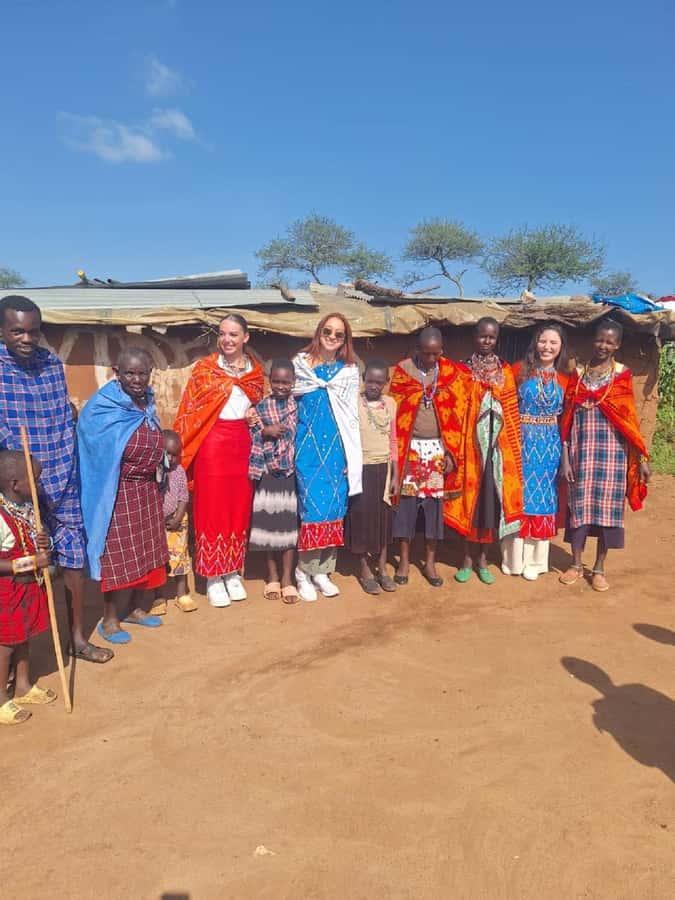
- You visit a working manyatta, with a guided look at mud-thatched homes and how they are constructed.
- The fire-making demonstration uses traditional methods, giving you a simple, memorable look at practical Maasai skills.
- Maasai women present handcrafted beadwork and jewelry, with colors that carry meaning within their culture.
- The tour lasts five to six hours, including pickup from Nairobi, the drive to Bisil, the village visit, and the return trip.
- The $50 price needs careful reading, since entry and the Maasai guide cost an additional $30 per person.
Why This Maasai Visit Works
A Maasai cultural visit can easily become a staged performance with little room for real conversation. This experience has more substance because it combines presentation with a walk through the homestead, an explanation of house building, fire making, and time with the women who create beadwork.
I like the balance. The songs and dance give the welcome energy, but the quieter sections are likely to teach you more. Seeing a manyatta and hearing how the homes are made connects the customs to ordinary needs such as shelter, family life, and community organization.
The visit also gives you a chance to ask questions. The village chief explains the culture in English, which matters because a good interpreter can turn a colorful display into a useful lesson. Aliya, who rated the experience five out of five, specifically praised the chief’s clear English and the chance to explore Maasai life.
You should still keep your expectations sensible. This is a five to six hour excursion from Nairobi, not a long cultural program or an overnight stay. The information provided does not promise a full meal, extended craft workshop, or wildlife viewing. You are coming for a focused introduction to Maasai traditions.
More Maasai village visits:
- Nairobi: Day Tour to Amboseli National Park & Maasai Village
★ 4.5 · 310 reviews - Masai village Day Tour Experience
★ 5.0 · 284 reviews - Maasai Village Experience Day Tour
★ 5.0 · 72 reviews
Leaving Nairobi for Kajiado and Bisil
Your driver and guide collect you from your selected pickup point in Nairobi. Airport pickup is also included, which can help if you are starting or ending your Kenya visit near the airport. The vehicle is air-conditioned and bottled water is supplied, welcome comforts for a half-day drive outside the city.
The route takes you toward Kajiado and Bisil in central Kenya. The drive is part of the experience, with scenic views along the way and an off-road section included in the program. Since the total duration is five to six hours, the transfer takes up a meaningful part of your outing, but that is normal for a village visit outside Nairobi.
I would treat the drive as a chance to shift pace. Nairobi is busy and urban. Bisil offers a very different setting, one connected to Maasai homes, cattle, family, and community customs. The tour description does not give an exact distance or a fixed departure time, so check availability carefully and allow flexibility around your Nairobi plans.
A private or small-group booking is available. That matters here. Cultural visits are better when you can hear the guide, ask questions, and avoid being rushed from one activity to the next. A small group may also make conversation with the community feel more natural than a large coach arrival.
The First Welcome: Songs, Dancing, and Adumu
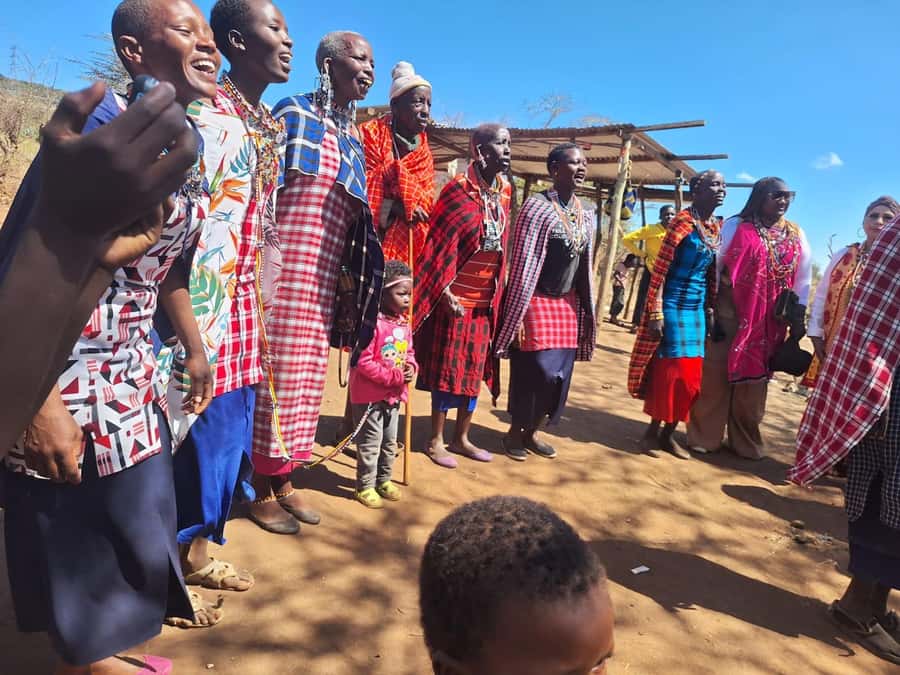
The village welcome is the most theatrical part of the visit. You are greeted with traditional songs and dances, including adumu, the famous jumping dance associated with Maasai warriors.
This opening gives the experience a strong sense of occasion. You are not simply walking into a homestead unnoticed. The community has prepared to receive you, and the music and movement introduce the group with warmth and pride.
I like this part, but I would remember that a performance is still a performance. Enjoy it, watch closely, and avoid treating it as a backdrop for nonstop photographs. The value comes from seeing the dance in its cultural setting and then learning what it means, not only from watching people jump.
The welcome also sets up the rest of the visit. After the songs and dancing, the focus shifts from public ceremony to homes, tools, stories, and crafts. That change in pace is useful. It keeps the experience from becoming one long show.
Inside a Manyatta and Its Mud-Thatched Homes
The guided walk through the homestead is the heart of the tour. A manyatta is a Maasai settlement, and you will see how the houses are built using mud and thatching.
The construction demonstration gives you something solid to think about. Instead of hearing broad statements about tradition, you can connect the culture to physical buildings and practical skills. The homes show how local materials and community knowledge shape everyday life.
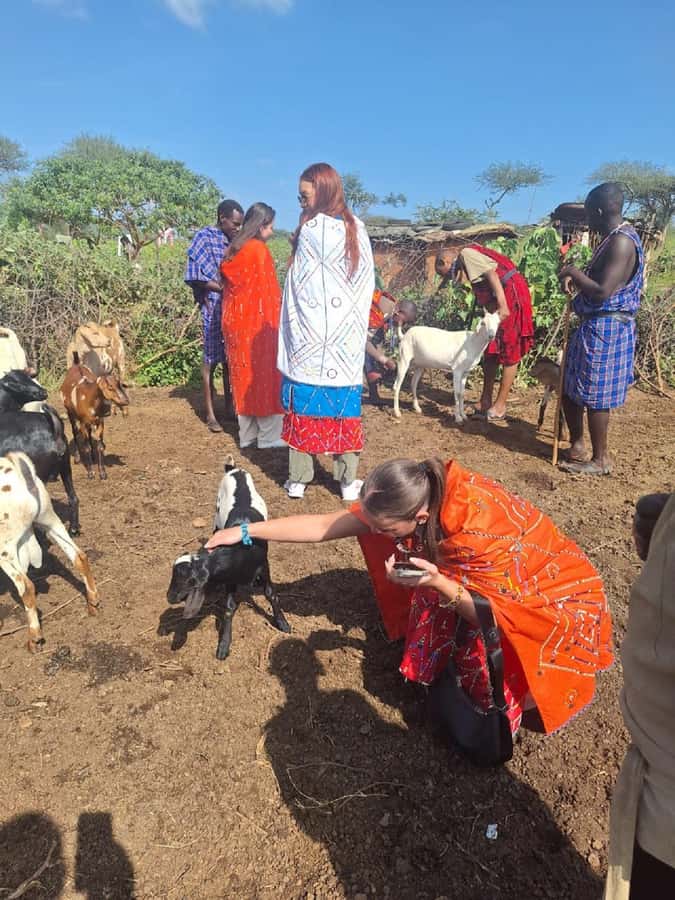
The guide also shares stories passed down through generations. The supplied information does not specify every story or explain the full layout of the settlement, so you should use this time to ask direct questions. Ask how the homes are built, who takes part in the work, how long construction takes, and what the different areas of the homestead are used for. The exact answers will come from the local guide rather than from a generic script.
This is also the part where respectful behavior matters most. You are entering a real community, not an outdoor museum. Listen before taking photographs, follow the guide’s instructions, and remember that people’s homes deserve the same courtesy you would expect in Nairobi.
A few more trips worth weighing up
- Nairobi National Park Half-Day Tour; Free Wi-Fi connection
★ 5.0 · 878 reviews - Nairobi: National Park & Optional Elephants & Giraffe Center
★ 4.8 · 874 reviews - NAI NAMI: Nairobi Storytelling Tour with Street Children
★ 5.0 · 792 reviews - Nairobi National Park Half-Day Game Drive
★ 4.5 · 738 reviews
Traditional Fire Making With Maasai Warriors
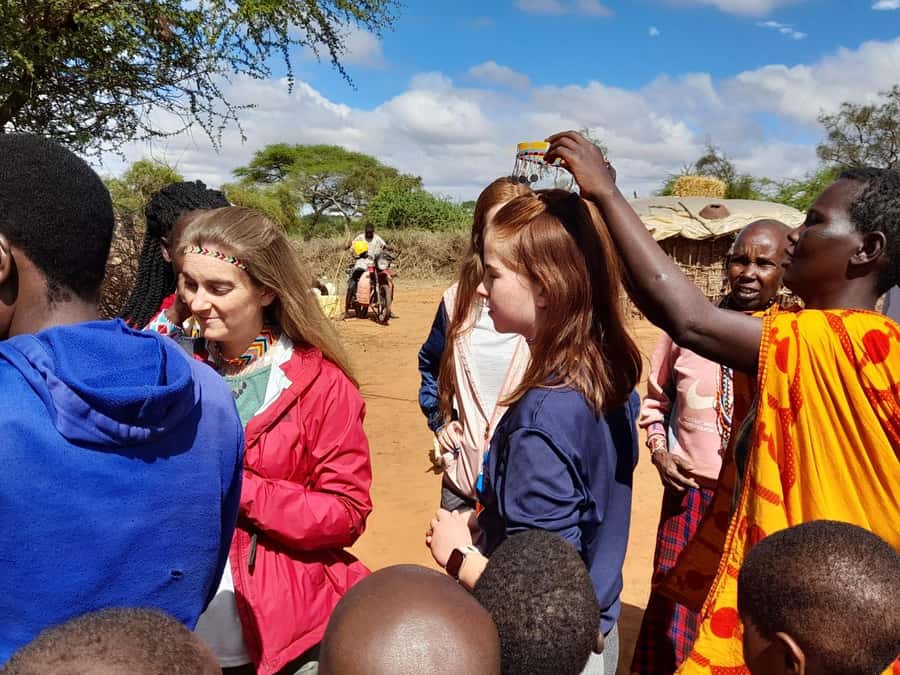
The fire-making demonstration is a small activity with a big payoff. Maasai warriors show how to make fire using traditional methods, turning a familiar modern convenience into a test of patience, technique, and teamwork.
I like demonstrations such as this because they explain more than words can. Fire connects to cooking, warmth, protection, and survival. Even if the demonstration is brief, it gives you a practical example of how knowledge is passed along.
The experience is not presented as a hands-on workshop, so do not assume you will make the fire yourself. You will watch the warriors demonstrate the process and explain aspects of their way of life. Their discussion also covers the Maasai connection to cattle, nature, and community.
That wider context is important. The tour is not only about unusual customs. It shows how different parts of Maasai life fit together. Cattle, the natural world, family, and community are presented as connected subjects rather than isolated facts.
Meeting Maasai Women Through Beadwork

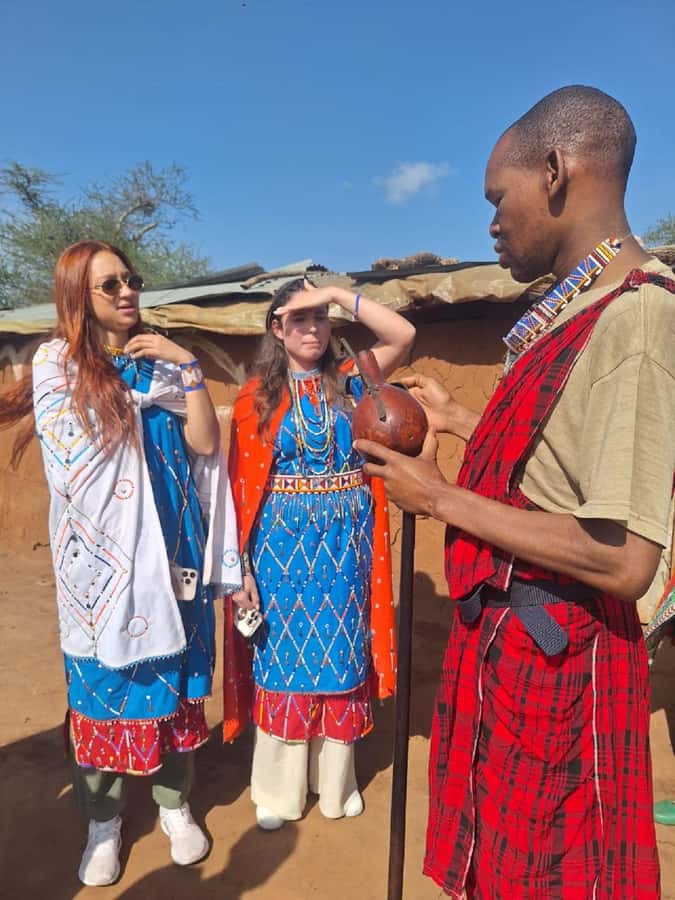
The beadwork section offers a different perspective from the warrior demonstrations and dancing. Maasai women display handcrafted jewelry and explain the importance of the colors used in the designs.
Each piece is presented as more than decoration. The colors carry meaning and connect the jewelry to identity and culture. That gives you a better reason to look closely at the patterns, rather than simply choosing the brightest necklace.
You can browse and buy handcrafted jewelry during the visit. Cash is listed as an item to bring, so plan accordingly. The tour does not specify accepted currencies, payment methods, or exact prices for individual pieces. Carrying cash is the safest option, but you should confirm the amount and currency before setting out.
Buying beadwork can be a useful part of the cultural exchange if you approach it respectfully. Ask about the meaning of a color or design, and listen to the explanation. A piece becomes more memorable when you know something about the person who made it and the ideas behind it.
The information does not promise a formal craft lesson, so think of this as a chance to meet the women, see their work, and shop directly, not as a jewelry-making class.
What You Will Learn About Maasai Life
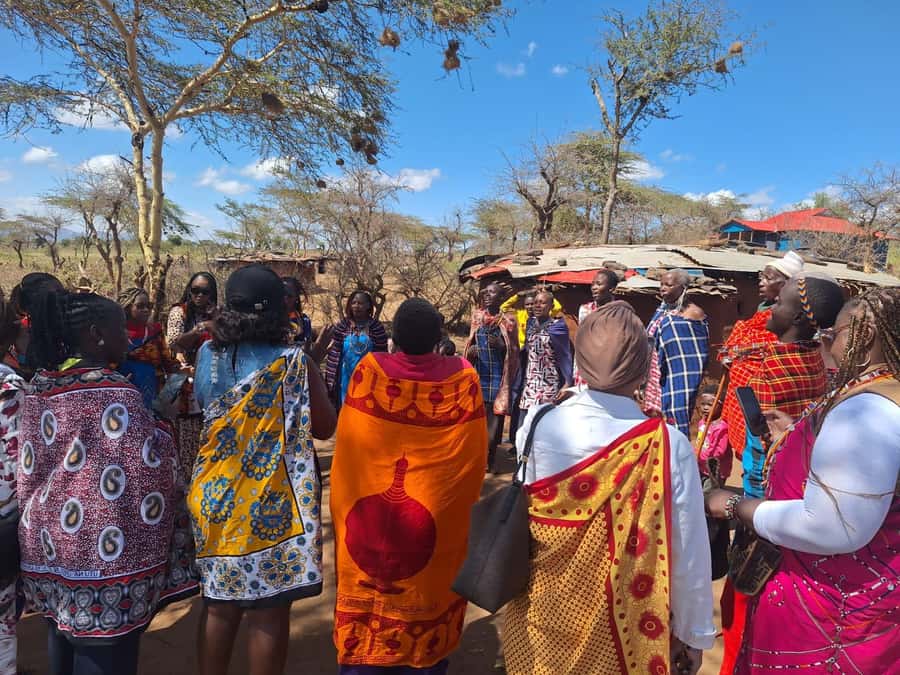
The guides discuss Maasai traditions, customs, and the community’s connection to cattle and nature. The tour also touches on courage, family, and the passing of knowledge through generations.
The strength of the visit is its range. In a few hours, you see public dance, domestic architecture, a practical skill, and artistic work. Each part offers a different window into the community.
At the same time, a five to six hour visit can only introduce the subject. You will not leave knowing every detail of Maasai social structure or history. The best approach is to see this as a first meeting, then ask thoughtful questions instead of expecting a complete course.
The village chief’s English is an important practical advantage. Aliya’s five-star account specifically praised how clearly he explained everything. You may still have a separate Maasai guide, since the guide and entry fee are listed as an extra charge, so confirm who will lead the village portion when you book.
Is $50 Good Value?
The advertised price is $50 per person, but the extra $30 for the Maasai guide and entry fee changes the calculation. That brings the stated activity cost to about $80 per person before food, drinks, or optional purchases.
For that amount, you receive a driver and guide, an air-conditioned vehicle, bottled water, the Nairobi transfer, and a cultural visit lasting five to six hours. Airport pickup is also included. The value is strongest if you want a private or small-group experience and prefer a direct village visit over a large organized program.
The price is less attractive if you expect meals, an extended workshop, or a full-day excursion. Food and drinks are not included, and alcoholic drinks are available to purchase separately. No meal is promised, so eat beforehand or ask the operator what food options exist on your chosen departure.
I would also budget for beadwork if you want to buy jewelry. That purchase is optional and separate from the tour. Bring cash, as specifically advised, and clarify all additional charges before departure.
Timing, Comfort, and Group Size
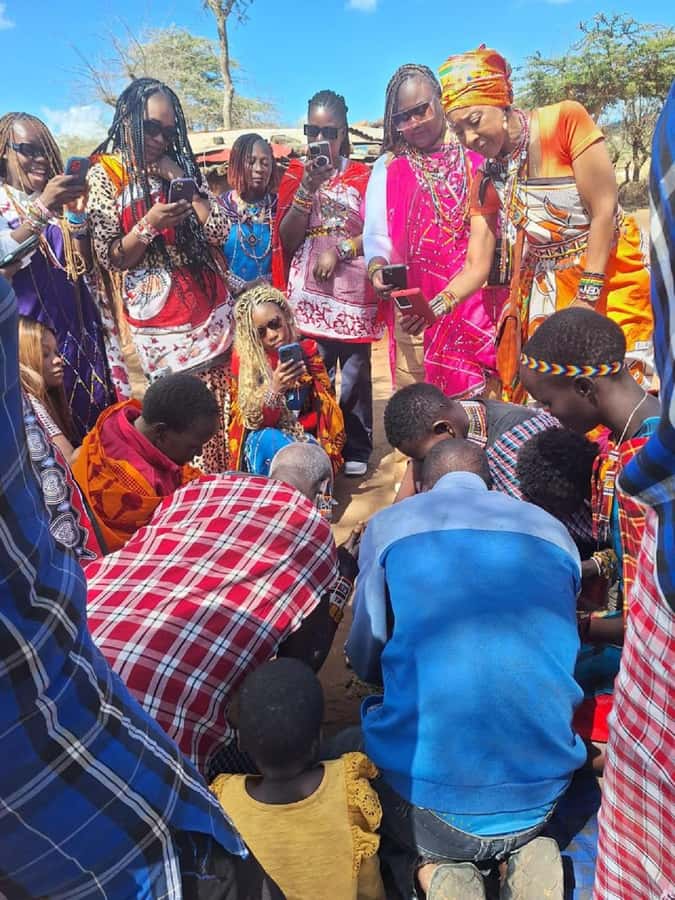
The five to six hour length makes this workable as a half-day plan from Nairobi. It still takes enough time that you should avoid placing a tightly scheduled attraction immediately afterward, especially because the exact start time depends on availability.
The air-conditioned vehicle and bottled water make the road portion easier. The program includes a guided walk through the homesteads and an off-road section, so wear comfortable clothing and shoes suitable for walking on uneven ground. The supplied information does not specify the exact walking distance or surface, so practical footwear is the sensible choice.
Wheelchair access is listed, but the information does not explain which parts of the village route are accessible or how the off-road section is handled. If you use a wheelchair, contact the operator before booking and ask for a clear description of the vehicle, village paths, and house access.
Private and small-group options are available. I would choose a smaller arrangement if your budget allows. You will have more room for questions, and the cultural exchange should feel less hurried.
The Return to Nairobi
After the visit in Bisil, you return to Nairobi. The scheduled route is simple: pickup, drive to Bisil, village activities, and the trip back.
There is no separate wildlife safari included, and the experience does not promise a visit to a national park. That is worth noting because Kenya tours often combine culture and animals. Here, the purpose is the Maasai community itself.
The return ride gives you time to think about what you saw. The best memories may not be the opening dance. They may be the house-building explanation, the fire-making method, or the meaning attached to a bead color.
Who Should Book This Experience?
I would recommend this outing to you if you want a direct introduction to Maasai culture during a short stay in Nairobi. It suits people who enjoy meeting local communities, listening to explanations, seeing traditional skills, and supporting craft sales.
It also fits first-time visitors who do not have time for a longer trip into Kenya. The five to six hour schedule gives you a cultural experience without requiring an overnight stay.
Families may appreciate the mix of music, dancing, buildings, fire making, and jewelry. The program has several different elements, so it is not dependent on one long lecture.
I would be more cautious if you want a quiet, self-guided village visit. The welcome includes a dance show, and the experience is organized around demonstrations and guided interaction. It may also disappoint you if your main goal is wildlife, since no animals or park entry are included.
Should You Book the Maasai Village Visit?
Book it if you want a focused, accessible introduction to Maasai life near Nairobi and you are comfortable with a hosted cultural experience. The strongest elements are the manyatta visit, the clear English explanation from the village chief, the traditional fire making, and the chance to learn about beadwork directly from Maasai women.
Before paying, confirm the full cost. The $50 headline price does not include the $30 Maasai guide and entry fee, and food and drinks are separate. Also confirm your pickup point, start time, group size, and what the wheelchair-accessible option covers.
With those details clear, this is a worthwhile choice for a short Kenya itinerary. It offers more than a dance performance, while still keeping the program manageable for a half-day from Nairobi.
FAQ
How long does the Maasai village experience last?
The experience lasts approximately five to six hours, including the journey from Nairobi, the village visit, and the return to Nairobi.
Where does the tour take place?
The experience takes you from Nairobi toward Kajiado and Bisil in central Kenya, where you visit a Maasai village.
Is pickup from Nairobi included?
Yes. Driver pickup is included from the selected pickup location. Airport pickup is also included.
Is transportation provided?
Yes. The tour includes an air-conditioned vehicle, a driver and guide, and bottled water.
What happens during the Maasai welcome?
You are welcomed with traditional songs and dances, including the Maasai adumu jumping dance.
Will I visit a real Maasai homestead?
Yes. The program includes a visit to a manyatta, with a guided walk through the homesteads and an explanation of how mud-thatched houses are built.
Is there a traditional fire-making demonstration?
Yes. Maasai warriors demonstrate how to make fire using traditional methods.
Can I buy Maasai jewelry?
Yes. Maasai women display handcrafted beadwork and jewelry, and you can browse and shop during the visit.
Is food included?
No. Food and drinks are not included. Alcoholic drinks are available to purchase separately.
What extra fee should I expect?
The $50 per person price does not include the Maasai guide and entry fee, which are listed as $30 per person. Bring cash, especially if you want to buy beadwork.
Just added around Nairobi
- Nairobi: Giraffe Center, Elephant Orphanage and Bomas Tour★ 5.0 · 3 reviews
- Nairobi: Airport and Hotel Private Transfers.★ 4.0 · 3 reviews
- Kitengela Anselm Hot Glass tour★ 4.5 · 3 reviews
- 11-Days Best of Kenya & Tanzania Big 5 Safari on a 4×4 Jeep★ 5.0 · 3 reviews
- 12-Day Tsavo west Amboseli lake Nakuru Maasai Mara safari★ 5.0 · 3 reviews
- NAIROBI NATIONAL PARK AFTERNOON GAME DRIVE.★ 5.0 · 3 reviews
- Nairobi Down Town & Walking City Tour★ 4.8 · 3 reviews
- Carnivore Resturant Dinner Experience★ 4.0 · 3 reviews
Maasai Village Visits, compared.

Day Tour to Amboseli National Park & Maasai Village
Read our review →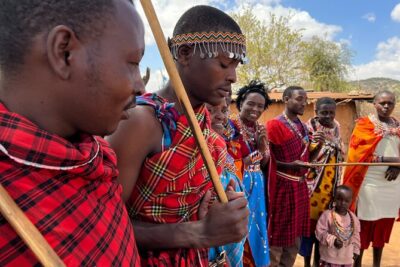


Day Trip: Amboseli National Park & Maasai Village – Nairobi
Read our review →
Day Trip to Maasai Mara Reserve & Maasai village
Read our review →
3days/2nights group joining Masai Mara with Masai Village Visit
Read our review →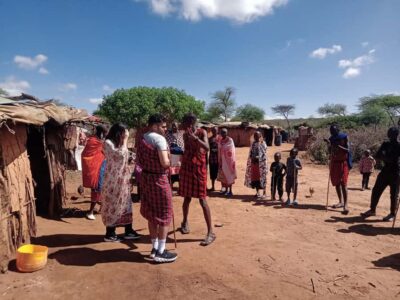
Kenya: Maasai Village Visit with Traditional Dance Show
Read our review →Browse the lists this tour appears in