

Reviewed · WALKING TOURS
Nairobi city walking tour
See Nairobi one street at a time. This three-hour private walk with Michael offers a useful introduction to the city center, mixing Kenyan history with landmarks, markets, and everyday city life. I like the compact route from Jeevanjee Gardens to the Kenyatta International Conference Centre, and I like that the tour includes time for souvenirs and simple Swahili words rather than treating Nairobi as a museum.
The strongest praise is for Michael’s friendly guidance, clear historical explanations, and ability to make people feel safe. The main consideration is mobility: this is a walking tour with no wheelchair access, and the KICC entrance fee of 500 KSh is extra.
In This Review
- Key points at a glance
- Starting among the trees at Jeevanjee Gardens
- Reading Nairobi through its old buildings
- Kipande House and the story behind identity
- Soldiers of War and public memory
- McMillan Memorial Library and the Nairobi Gallery
- Shopping at City Market and Maasai Market
- Finishing above Nairobi at KICC
- What Michael adds to the experience
- Is $17 a fair price?
- Practical comfort and accessibility notes
- Who will enjoy this Nairobi walk?
- Should you book the Nairobi city walking tour?
- FAQ
- Where does the Nairobi walking tour start?
- How long does the tour last?
- Where does the tour finish?
- What languages does the guide speak?
- Is the tour private?
- Is the KICC entrance fee included?
- Is bottled water included?
- Can I cancel for a full refund?
- Is the tour suitable for wheelchair users?
Key points at a glance
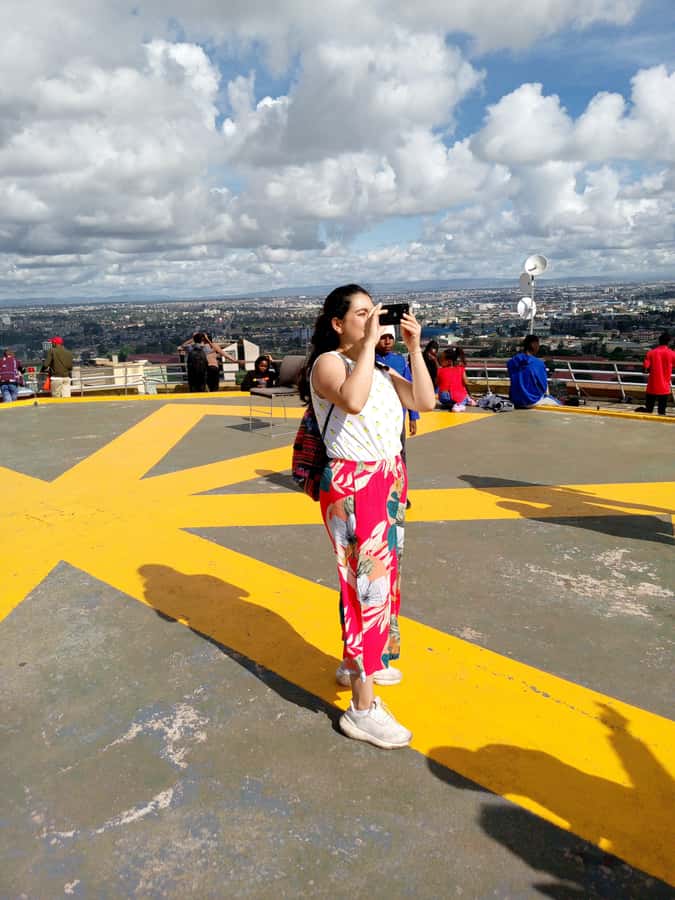
- Three hours on foot: The route begins at Jeevanjee Gardens and takes you through Nairobi’s central business district.
- Michael as your guide: He leads the private tour in English or Swahili and explains how Nairobi grew into Kenya’s capital.
- Historic city buildings: Kipande House, McMillan Memorial Library, the Nairobi Gallery, and Soldiers of War add depth to the walk.
- Markets included: City Market and Maasai Market provide time for souvenirs, handmade goods, photos, and browsing.
- KICC finish: The tour ends at the Kenyatta International Conference Centre, with a 500 KSh entrance fee paid separately.
- Good introductory value: At $17 per person, the tour is priced as an affordable way to get your bearings in central Nairobi.
Starting among the trees at Jeevanjee Gardens
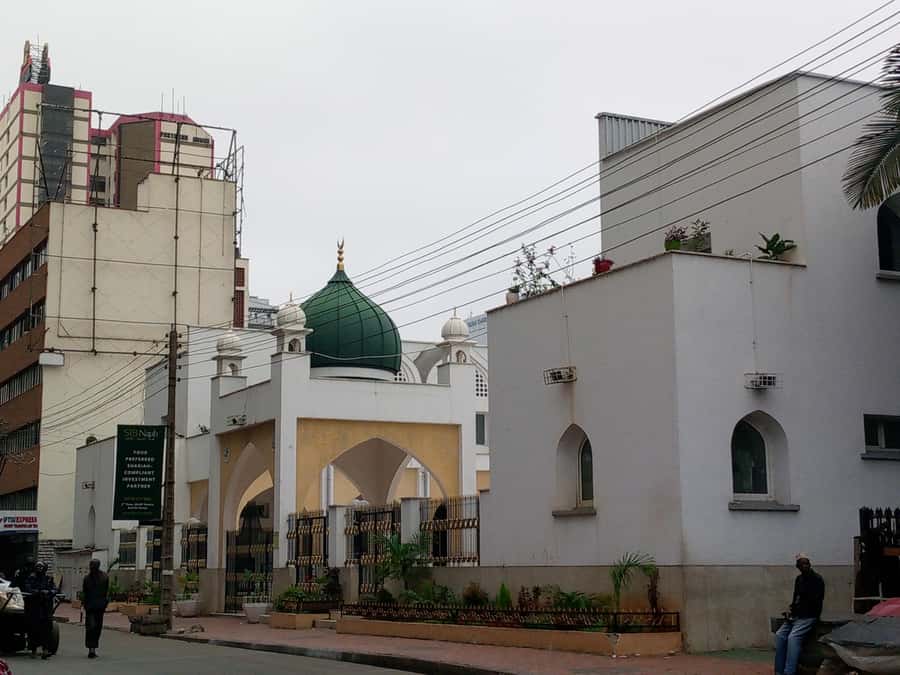
Your walk begins at Jeevanjee Gardens, a practical meeting point in central Nairobi. From here, Michael introduces the city’s past and explains how Nairobi developed into Kenya’s capital.
That opening matters. Nairobi can feel like a fast-moving modern city at first glance, but its central streets contain layers of colonial administration, Kenyan independence, commerce, public memory, and daily life. A guide gives those buildings a voice instead of leaving you to guess what they once were.
I like starting in a public garden rather than at a shopping center or hotel. It gives the tour a clear beginning and lets you move into the city gradually. You will spend most of the experience walking, so comfortable shoes are important.
The tour is a private group experience. That should appeal to couples, families with older children, friends, or solo visitors who want to ask questions without keeping up with a large group. The description does not specify a maximum group size, so you should confirm the exact arrangement when booking if group size is important to you.
More City Tours in Nairobi
- Nairobi Historical Walking City Tour
★ 5.0 · 258 reviews - Nairobi City Walking Tour with Traditional Kenyan Lunch
★ 5.0 · 106 reviews - Nairobi: Private 4-Hour City Tour
★ 4.5 · 68 reviews
Reading Nairobi through its old buildings
Much of the tour’s value comes from the way Michael links buildings to Kenya’s past. You will pass landmarks left from the colonial period and hear how they were used then, along with how Kenyan people use them today.
That approach is more useful than collecting a string of building names. Nairobi’s central district is a working part of the city, not a preserved historical quarter. A good explanation helps you see why an old government building, library, or civic site still matters in a modern capital.
The tour includes Kipande House, one of the city’s named historic sites. You will also see the Nairobi Gallery and McMillan Memorial Library. The supplied route describes guided sightseeing at several points, with some stops allowing a visit, a photo, or time to browse.
The exact time spent at each building may vary. The overall plan gives the walk three hours, but the experience is not presented as a series of long indoor museum visits. Expect the city streets and exterior views to be central to the experience.
Kipande House and the story behind identity
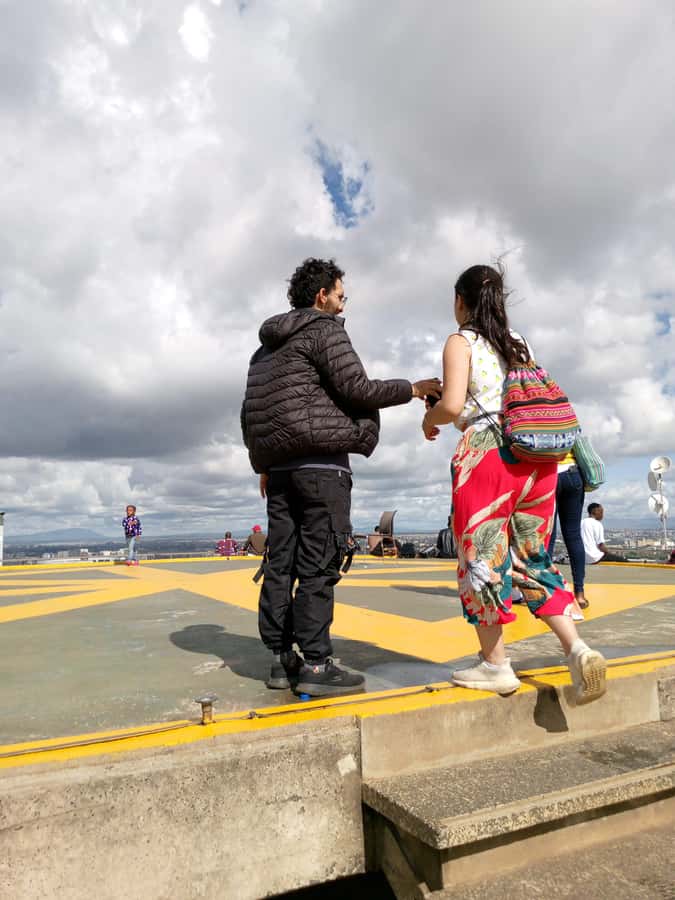
Kipande House is one of the more distinctive stops because its name connects to a difficult part of Kenya’s colonial past. The guide’s role here is especially useful, since the significance of historic sites is not always obvious from the street.
You can expect Michael to explain the building’s place in Nairobi’s development and how colonial systems affected Kenyan people. The supplied description does not provide a detailed script, so I would treat this as a chance to ask questions rather than expect a formal museum presentation.
This is one reason I prefer a local walking guide to sightseeing alone. You are not simply looking at old walls. You can ask how a place fits into Kenya’s wider story and how its use has changed.
Soldiers of War and public memory
Soldiers of War is another stop included in the walk. The name suggests a site connected to military memory, but the available details do not specify the exact monument or the full story presented there.
That is worth keeping in mind. You will receive a guided explanation, but this tour is not advertised as a specialist military-history visit. If this stop interests you, ask Michael for more context about the people or events it remembers.
Still, its inclusion gives the route a broader range. The walk is not only about grand civic buildings and shopping. It also touches on the way Kenya remembers conflict and service in public spaces.
More Walking Tours in Nairobi
- Nairobi: Historic and Modern Highlights Walking Tour
★ 4.8 · 703 reviews - Nairobi Downtown Walking Tour
★ 4.7 · 208 reviews - Nairobi Walking Tour: Downtown & City Tour
★ 4.8 · 32 reviews - Day tour to Hells Gate, Lake Naivasha and Crescent Island Walk
★ 5.0 · 26 reviews
McMillan Memorial Library and the Nairobi Gallery
McMillan Memorial Library adds another layer to the route. Libraries often reveal how a city values learning, records, and public access, and this stop gives Michael a natural way to discuss Nairobi beyond politics and commerce.
The Nairobi Gallery offers a different kind of pause. You will have the chance to see another important city institution, though the information provided does not confirm a separate entrance ticket, opening hours, or the length of an indoor visit.
I would ask at the start how much time is planned for each stop. The route includes many points of interest in three hours, so some may be viewed from outside or treated as short guided stops. That is not a flaw if you want a broad first look, but it matters if you are hoping for extended museum visits.
Shopping at City Market and Maasai Market
The market portions are among the most practical parts of the tour. City Market is included as a place to shop for souvenir goods, while Maasai Market provides another opportunity to browse, take photos, and buy handmade artifacts.
A guided market visit can be useful for a first-time shopper. You can learn what kinds of goods are available, ask about local crafts, and get help understanding the setting. The description does not promise fixed prices or a special shopping discount, so you should still decide what you want to spend before buying.
I like that shopping is included but does not appear to take over the entire experience. You get cultural and historical stops first, then time to browse. If you dislike shopping, you can treat the markets as a chance to observe city life and take photographs rather than feeling obliged to purchase something.
Keep your expectations sensible. This is not described as a craft workshop, and you are not promised a detailed explanation of how every item is made. It is a guided market visit with time for souvenirs and handmade goods.
Finishing above Nairobi at KICC

The route finishes at the Kenyatta International Conference Centre. The plan allows a visit, guided sightseeing, free time, and a break of about 30 minutes, with sunset listed as a possible part of the stop.
This is a strong ending because it changes the pace. After walking through streets and markets, you get time to pause and look across the city from the conference center. The view is likely to be one of the tour’s most memorable moments, though the exact visibility and sunset conditions depend on the day.
The KICC entrance fee is not included. The additional charge is 500 KSh, so add that to the advertised $17 price when working out your budget. You should also bring your own bottle of water, since water is excluded.
The route information also shows later sightseeing and a return to Jeevanjee Gardens. Because the tour description presents KICC as the finish while also listing return activity, ask Michael to confirm the exact end point for your booking. That small check can help if you have dinner, a transfer, or another appointment afterward.
What Michael adds to the experience
The guide is central here. Michael is specifically named, and the strongest comments about the tour focus on his historical explanations, safety, and friendly manner.
One verified booking described him as an excellent guide who shared interesting facts about Kenya and Nairobi while helping the group feel safe. Another described the walk as a great experience with a guide who knew the subject well, while two shorter reviews praised the tour’s history and overall quality.
Those comments are consistent with what this tour promises: a personal introduction rather than a scripted hop-on, hop-off route. Michael also teaches some Swahili words, which is a small but welcome touch. Even a few greetings or useful phrases can make your time in Nairobi feel more connected to the place.
The guide speaks English and Swahili. If you have a particular interest in colonial buildings, independence, markets, architecture, or city development, tell him early. A private group gives you a better chance to shape the conversation.
Is $17 a fair price?
At $17 per person, this is a low-cost way to spend three hours with a local guide in central Nairobi. The value is strongest if you want orientation, history, markets, and practical sightseeing in one outing.
The price includes the local guide and visits or stops connected with City Market, McMillan Memorial Library, Kipande House, Soldiers of War, and Maasai Market. The KICC entrance fee and bottled water cost extra.
For me, the main value is not the number of landmarks. It is the connection between them. You can begin to understand how Nairobi grew, see traces of its colonial past, hear Kenyan history explained in person, and finish with a city view.
The price is less attractive if you want long indoor visits or a highly specialized history tour. Three hours is enough for a useful introduction, but not enough for every landmark to receive a detailed treatment. Think of it as a first look that can help you plan the rest of your time in Nairobi.
Practical comfort and accessibility notes
This is a walking tour, so plan for several hours on city streets and at public sites. Wear comfortable shoes and carry water, since a bottle is not provided.
The experience is not suitable for wheelchair users or people with visual impairments. Baby strollers and crutches are not allowed, and alcohol and drugs are prohibited.
The supplied information does not give a full distance, elevation profile, restroom plan, or weather policy. If you need those details, contact the provider before booking. The route includes a KICC stop and market visits, so your comfort with ordinary city walking will matter.
The tour is offered in English and Swahili. It is a private group experience, which makes it a good fit if you want a more personal pace or prefer not to join strangers.
Free cancellation is available up to 24 hours before the tour for a full refund. You can also reserve and pay later, which is useful when your Nairobi schedule is still changing.
Who will enjoy this Nairobi walk?
I would recommend this tour to first-time visitors who want an introduction to central Nairobi without paying for a long private sightseeing day. It also suits anyone who enjoys learning through streets, public buildings, markets, and conversation.
The tour works particularly well for:
- History-minded visitors who want context for colonial-era buildings and Kenya’s development.
- Solo visitors and couples who value a private guide and the chance to ask questions.
- Shoppers who want time at City Market and Maasai Market.
- Short-stay visitors who need a three-hour orientation to central Nairobi.
- Photographers who want landmarks, market scenes, and possible sunset views from KICC.
I would hesitate if you cannot walk comfortably, use a wheelchair, or need a tour built around long indoor visits. I would also look for a different experience if your main goal is wildlife, food tasting, or a full-day excursion outside Nairobi, since this tour stays focused on the city center.
Should you book the Nairobi city walking tour?
Book it if you want an affordable, focused introduction to Nairobi with a guide who has been praised for making the walk feel safe and explaining Kenyan history clearly. The combination of Jeevanjee Gardens, historic buildings, markets, Swahili phrases, and the KICC viewpoint gives you more than a simple stroll.
Before paying, remember the practical extras: bring water and allow 500 KSh for KICC. Ask about the exact final meeting point and how much time will be spent inside each site, especially if you want more than exterior sightseeing.
For a first day in Nairobi, I think this is a sensible choice. It gives you a foundation, a few useful local impressions, and enough free time afterward to decide what deserves a closer look.
FAQ
Where does the Nairobi walking tour start?
The tour starts at Jeevanjee Gardens in central Nairobi.
How long does the tour last?
The main guided walking tour lasts three hours. The KICC portion is listed with an additional break and visit time of about 30 minutes within the route details.
Where does the tour finish?
The route is described as ending at the Kenyatta International Conference Centre, while the detailed schedule also lists a return to Jeevanjee Gardens. Confirm the exact end point with the provider before booking.
What languages does the guide speak?
The tour is available in English and Swahili.
Is the tour private?
Yes. It is offered as a private group experience.
Is the KICC entrance fee included?
No. The KICC entrance fee is 500 KSh per person and is paid separately.
Is bottled water included?
No. You need to bring or buy your own bottle of water.
Can I cancel for a full refund?
Yes. You can cancel up to 24 hours in advance for a full refund.
Is the tour suitable for wheelchair users?
No. The experience is not suitable for wheelchair users or people with visual impairments. Baby strollers and crutches are also not allowed.
Just added around Nairobi
- Nairobi: Giraffe Center, Elephant Orphanage and Bomas Tour★ 5.0 · 3 reviews
- Nairobi: Airport and Hotel Private Transfers.★ 4.0 · 3 reviews
- 11-Days Best of Kenya & Tanzania Big 5 Safari on a 4×4 Jeep★ 5.0 · 3 reviews
- Kitengela Anselm Hot Glass tour★ 4.5 · 3 reviews
- 12-Day Tsavo west Amboseli lake Nakuru Maasai Mara safari★ 5.0 · 3 reviews
- NAIROBI NATIONAL PARK AFTERNOON GAME DRIVE.★ 5.0 · 3 reviews
- Nairobi Down Town & Walking City Tour★ 4.8 · 3 reviews
- Carnivore Resturant Dinner Experience★ 4.0 · 3 reviews
Walking Tours, compared.

Walking Tour Through Old Town Mombasa and Fort Jesus
Read our review →

Nairobi Walking tour:Explore History Culture and Traditions
Read our review →

Nairobi City Walking Tour with Traditional Kenyan Lunch
Read our review →

Browse the lists this tour appears in