
Reviewed · WALKING TOURS
Lamu Old Town Walking Tour
Lamu reveals itself on foot. This $20 walking tour takes you through narrow lanes, coral-built homes, carved wooden doors, craft workshops, the seafront, and major landmarks with an English-speaking local guide. I like the focus on everyday Lamu, especially the stops at wood-carving, silversmithing, and weaving workshops.
I also like that the guide does more than point out buildings. You can ask about Swahili music, food, local customs, sailing, fishing, Takwa Ruins, and places to stay. The main consideration is that entrance fees to Lamu Fort and the museums are not included, and the short tour cannot cover every corner in detail.
In This Review
- Key points about this Lamu walking tour
- Why Lamu is best understood on foot
- Starting at Lamu Town Square
- Lamu Fort and the town’s changing rulers
- Lamu Museum and a palace turned museum
- Market streets and the working side of Lamu
- Carved doors, coral houses, and local workshops
- Swahili music and the Lamu seafront
- The Donkey Sanctuary and everyday Lamu
- What $20 really buys you
- Guide Kassim and the personal side of the walk
- Timing, group size, and practical planning
- Who should book this Lamu walk?
- Should you book the Lamu Old Town Walking Tour?
- FAQ
- How much does the Lamu Old Town Walking Tour cost?
- How long does the tour last?
- Where does the tour start?
- Where does the tour end?
- Are museum and fort entrance fees included?
- What places are included in the walking route?
- Is the tour conducted in English?
- How many people can join the tour?
- What happens if bad weather cancels the tour?
Key points about this Lamu walking tour

- A $20 introduction to Lamu: The price covers a local guide for roughly two hours, making this a useful first look at the town.
- Historic buildings and working crafts: You may see Lamu Fort, Lamu Museum, the German post office, carved doors, weaving, silversmithing, and wood-carving shops.
- The tour begins and ends at Lamu Town Square: The listed meeting point is PWJ2+FWW, Lamu, Kenya.
- A small group of up to 15 people: This is more manageable than a large coach-style outing, especially in narrow lanes.
- Practical local advice: Guide Kassim is praised for helping with shortcuts, souvenir shopping, food, accommodation, and extra activities.
- A strong current rating: The experience has a 5 out of 5 rating from 24 ratings, with 100 percent recommending it.
Why Lamu is best understood on foot
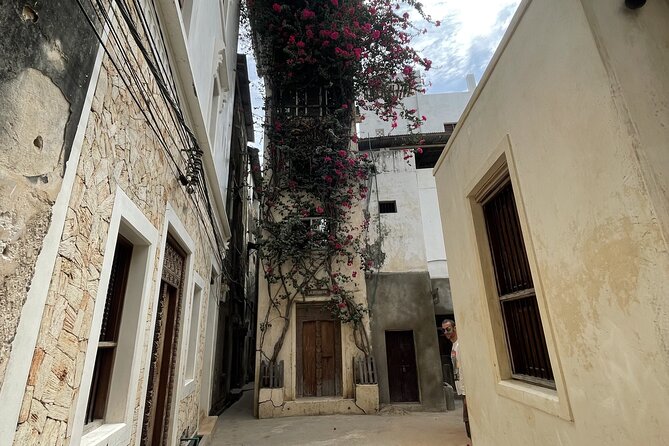
Lamu Old Town is not a place you appreciate by rushing from one sight to the next. Its character is in the details: a carved door, a coral wall, a shaded lane, a small workshop, or a view opening toward the water.
That is why a walking tour makes sense here. The route takes you through the old town’s narrow streets and corners, where a guide can explain what you are seeing as the buildings pass close around you. You will not simply collect photographs of monuments. You will get a basic introduction to the people, trades, music, and Swahili culture that give the town its identity.
The tour lasts about two hours, though the general experience is described as two to three hours. That is enough time for an overview, but not enough for a slow visit inside every museum or a long stop at every workshop. I would treat it as an orientation walk that helps you decide what deserves more of your time later.
The group can reach a maximum of 15 people. That matters in Lamu, where a big group would have trouble moving through the tight lanes without getting in the way. A smaller party should also make it easier to hear the guide and ask questions.
More walking tours:
- Nairobi: Historic and Modern Highlights Walking Tour
★ 4.8 · 703 reviews - Walking Tour Through Old Town Mombasa and Fort Jesus
★ 5.0 · 393 reviews - Nairobi Historical Walking City Tour
★ 5.0 · 258 reviews
Starting at Lamu Town Square
The meeting point is Lamu Town Square, listed at the location code PWJ2+FWW. The activity returns to this same meeting point, which is useful if you want to continue exploring independently afterward.
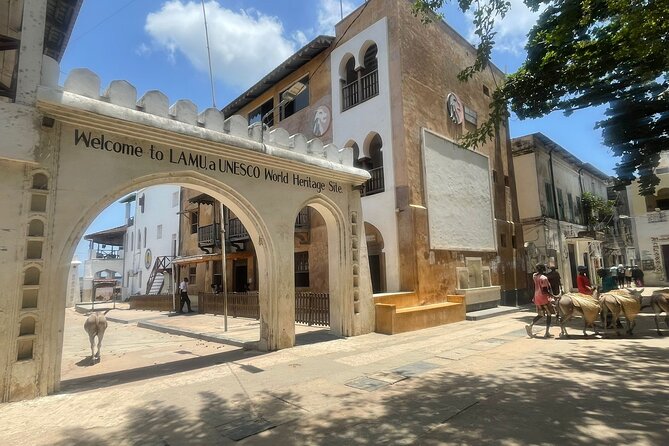
The opening part of the walk introduces the basic shape of Lamu Old Town. You can expect to pass coral-built houses, old streets, local shops, and doors decorated with wood carving. These doors are not just pretty details. They show the care that goes into the town’s traditional architecture and provide an easy way to notice differences from one building to the next.
Your guide can also explain how Lamu combines several cultural influences. The tour specifically covers Swahili culture and music, along with the work of local craftspeople. I would keep your eyes up and down during this part. The most interesting details may be at eye level on a doorway or tucked into a small side street rather than marked by a large sign.
The walking pace should suit most people, since the tour is designed around the old town itself and not a long transfer between distant attractions. Still, the information does not specify the exact walking distance or the condition of every street. If you have mobility concerns, contact the operator before booking. Most people can participate, and service animals are allowed.
Lamu Fort and the town’s changing rulers
Lamu Fort is one of the main landmarks on the route. The building helps explain the changing political story of the town, though you need to pay separately if you want to enter.
The fort was first connected with the Oman King, when it served as a palace. During British rule, it was later used as the headquarters of the Imperial British East African Company. It was eventually converted into a museum.
Outside, you can see cannons linked to the bombing of the Sultanate at Witu. That detail gives the fort more weight than a simple photo stop. It points to the conflicts and power shifts that affected the coast and its rulers.
The tour includes the chance to see the fort, but entrance is not part of the $20 cost. This is important when you compare the price with a ticketed sightseeing program. You are paying for the guide and the walking experience, then deciding for yourself if the interior visit is worth the added fee.
I like this arrangement for independent visitors because it keeps the base price low. If you want a very short introduction, you can focus on the exterior and continue walking. If the fort interests you, you can pay for entry and spend more time there.
Lamu Museum and a palace turned museum
The museum is another central stop. Its building began as a palace for the Oman King, then served the British during their control of the area before becoming a museum.
That sequence makes the building itself part of the story. You are not entering a modern exhibition hall designed only to display objects. You are seeing a former royal and administrative space that changed use as control of the town changed hands.
Entrance to the museum is not included. The tour information does not give the separate admission price, so you should carry extra money if you expect to go inside. The guide can point out the museum and explain its place in Lamu, while you decide how much time and money to spend on the interior.
A good way to use this stop is to listen first, then choose. If you are interested in architecture, colonial-era administration, or coastal culture, the museum may deserve a longer visit. If you prefer street life and craft workshops, the exterior explanation may be enough for this short walk.
A completely different kind of day out from Kenya:
- Nairobi National Park Half-Day Tour; Free Wi-Fi connection
★ 5.0 · 878 reviews - Nairobi: National Park & Optional Elephants & Giraffe Center
★ 4.8 · 874 reviews - NAI NAMI: Nairobi Storytelling Tour with Street Children
★ 5.0 · 792 reviews - Nairobi National Park Half-Day Game Drive
★ 4.5 · 738 reviews
Market streets and the working side of Lamu

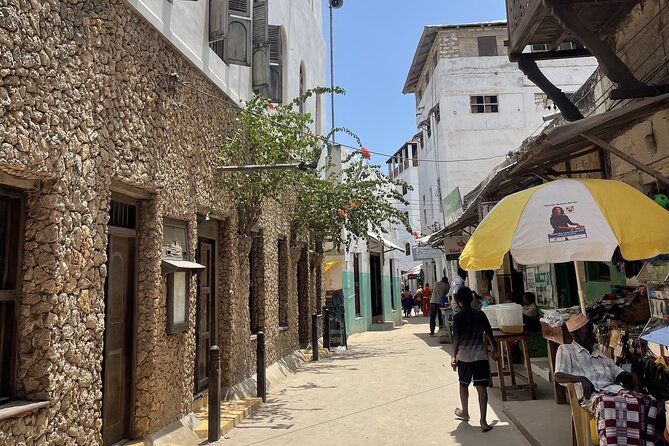
Lamu Market is included among the places you can see. Markets are often where a town feels most immediate, and this stop gives the tour a welcome break from formal monuments.
The market can help you understand what people buy, sell, and use in daily life. The supplied details do not promise a food tasting or a shopping allowance, so do not book this expecting a guided meal or a set souvenir purchase. You can ask the guide for advice about local products and the best places to look for souvenirs.
That practical help is one of the tour’s stronger points. Kassim is praised for recommending good places to buy souvenirs and for helping with shortcuts to different locations. Those small suggestions can save you time, especially if you have only a short stay in Lamu.
The guide also offers recommendations for local food and Swahili cuisine. This does not mean a meal is included. It means you can ask where to eat after the walk, which is useful when you want something more local than a generic hotel menu.
Carved doors, coral houses, and local workshops
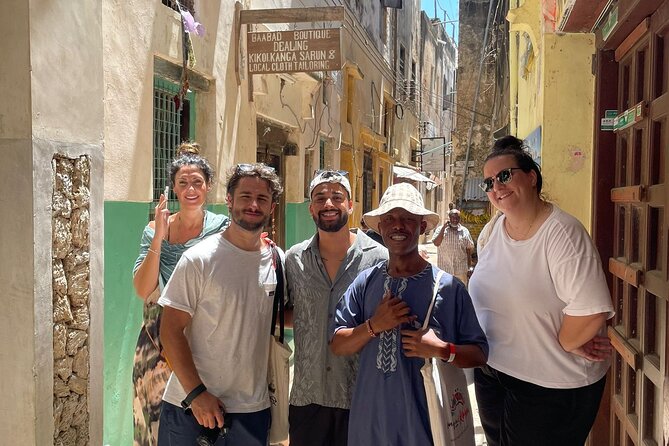
The tour gives unusual attention to the crafts that shape Lamu’s visual character. You may visit or pass working shops connected with wood carving, silversmithing, and weaving.
Wood carving is especially easy to spot in the old town’s doors. A guide can help you understand the designs and the skill behind them rather than leaving you with only a photograph. The same applies to silversmithing and weaving. These are not simply souvenir categories. They are local skills and products that connect the town’s built environment with its working economy.
The information calls the textile work wave knitting. Since the exact technique is not explained, I would ask the guide to show you how it is done and what the finished products are used for. That kind of question can turn a quick workshop stop into one of the more memorable parts of the walk.
Keep your expectations sensible. The tour does not promise a private demonstration, a hands-on lesson, or a shopping credit. You may see local working shops and learn about their products. If you purchase anything, that cost is your own.
Swahili music and the Lamu seafront

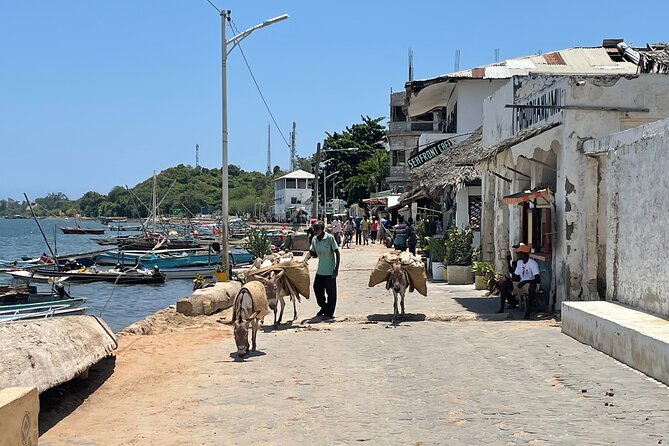
The route also reaches the Lamu seafront, where you can enjoy views along the water and learn about traditional Swahili music. This changes the feel of the tour after the close lanes and shaded streets.
The seafront offers a more open setting and gives you a chance to pause. It also helps explain why Lamu developed as a coastal town with connections across the region. The supplied information does not promise a boat ride or a music performance, so consider this an opportunity to hear about local music and enjoy the waterfront rather than a scheduled concert.
The guide can point you toward other activities if you want more time on the water. Sailing tours and fishing tours are suggested as options, along with advice about reaching Takwa Ruins. Those activities are not included in the walking tour, but the recommendations may help you plan the rest of your stay.
This is one reason I would book the walk near the beginning of a Lamu visit. You can use the guide’s suggestions to shape the following days, instead of discovering too late that you should have allowed time for a particular outing.
The Donkey Sanctuary and everyday Lamu
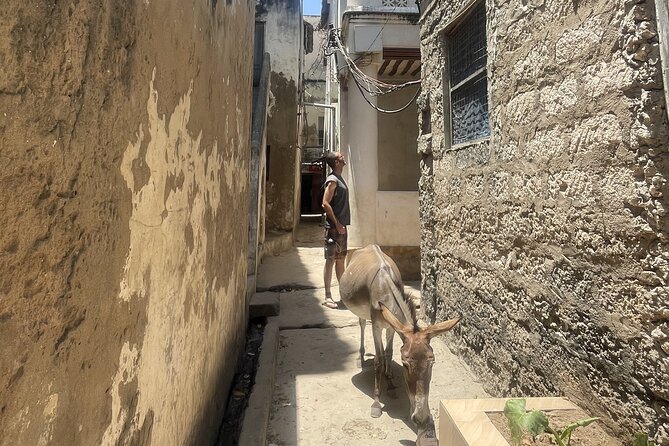
The Donkey Sanctuary is listed among the attractions on the route. Its presence adds a useful everyday element to the tour. Lamu is not presented only as a collection of old buildings and museum exhibits. Animals, shops, markets, homes, and working streets are part of the town’s daily rhythm too.
The available information does not describe a formal animal-care presentation or a set time at the sanctuary. I would expect the guide to point it out and provide context during the walk. If this is your main reason for booking, ask how much time the route normally allows there.
The same advice applies to the German post office and the Swahili house museum. Both are included as places you may see, and the Swahili house is noted for its distinctive architecture. The tour brings these pieces together in one route, which is convenient if you do not know the town well.
What $20 really buys you
At $20 per person, this is a fairly modestly priced introduction to Lamu Old Town. The value comes from the guide’s time, local explanations, and practical advice rather than from included admissions or transport.
You are not paying for a full-day excursion, a meal, a boat trip, or museum tickets. You are paying for roughly two hours of guided walking through places that can be more meaningful when someone explains them. For a first afternoon in town, that is a sensible use of money.
The price is strongest if you plan to ask questions. Ask about the carved doors. Ask where to eat Swahili food. Ask how to reach Takwa Ruins. Ask which sailing or fishing activities fit your schedule. The guide’s usefulness increases when you treat the walk as a conversation, not just a procession.
The cost is less attractive if you only want to see the outside of a few landmarks and do not need local advice. You can walk through parts of Lamu Old Town independently, but you may miss the background that connects the palace, fort, museum, crafts, music, and seafront.
Guide Kassim and the personal side of the walk
The named guide connected with the experience is Kassim. He is praised for going beyond the basic route, helping with shortcuts, suggesting places to buy souvenirs, and speaking in a friendly, approachable way.
That kind of help can matter more than a long speech about dates and rulers. A good local guide helps you make sense of the town at street level and gives you options for the rest of your visit. Kassim’s role appears to include recommendations for restaurants, accommodation, sailing, fishing, and Takwa Ruins.
The guide is fluent in English, so you can ask direct questions about culture, music, local products, and the history of the buildings. The experience currently carries a 5 out of 5 rating from 24 ratings, and all listed recommendations are positive. That is a small sample, but it does support the view that the guide’s personal service is a major strength.
Timing, group size, and practical planning
The listed operating schedule runs from Monday through Wednesday, 8:00 AM to 5:00 PM, for the period shown as February 3, 2024 through June 17, 2026. Confirm the available start time when you book, since the information provided does not show a daily departure schedule.
The experience is booked an average of 17 days ahead. That is a useful planning signal if your dates are fixed. I would not leave it until the last minute if you specifically want Kassim or need a particular morning or afternoon time.
Confirmation is provided when you book, and the tour uses a mobile ticket. It begins and ends at Lamu Town Square. There is no transportation component listed, so plan to reach the meeting point yourself.
The experience requires good weather. If poor weather forces cancellation, you can receive a different date or a full refund. You can also cancel for a full refund up to 24 hours before the start time. Inside that 24-hour window, the payment is not refunded and changes are not accepted.
Who should book this Lamu walk?
I would recommend it to first-time visitors who want a clear introduction before exploring alone. It also suits anyone interested in Swahili culture, architecture, local crafts, markets, and the relationship between Lamu’s old buildings and its present-day life.
It is a good choice if you want advice about food, accommodation, souvenirs, sailing, fishing, or Takwa Ruins. The guide’s recommendations can help you plan beyond the two-hour route.
You should think twice if you want a long museum visit, a boat trip, a meal, or a detailed specialist tour focused on one subject. Those are not included. You will also need to pay separately for entry to the fort and museum.
Should you book the Lamu Old Town Walking Tour?
Book it if you want an affordable, personal introduction to Lamu with a guide who can connect landmarks to local culture and practical travel advice. The combination of narrow streets, carved doors, coral houses, workshops, market life, historic buildings, music, and the seafront gives you a useful first picture of the town.
I would book early, especially if your dates are fixed, and keep extra money available for museum or fort admission. For $20, this is best viewed as a well-priced orientation walk, with the added benefit of guidance from Kassim on what to do next.
FAQ
How much does the Lamu Old Town Walking Tour cost?
The tour costs $20 per person.
How long does the tour last?
The walk lasts approximately two hours, with the overall experience described as taking two to three hours.
Where does the tour start?
It starts at Lamu Town Square, listed at PWJ2+FWW, Lamu, Kenya.
Where does the tour end?
The activity ends back at the meeting point at Lamu Town Square.
Are museum and fort entrance fees included?
No. Entrance fees to Lamu Fort and the museums are not included in the tour price.
What places are included in the walking route?
The route may include Lamu Market, Lamu Town Square, Lamu Fort, Lamu Museum, the Donkey Sanctuary, the Lamu seafront, the German post office, a Swahili house museum, and local weaving, silversmithing, and wood-carving shops.
Is the tour conducted in English?
Yes. The guide is fluent in English.
How many people can join the tour?
The maximum group size is 15 people.
What happens if bad weather cancels the tour?
If poor weather causes a cancellation, you can receive a different date or a full refund. You can also cancel up to 24 hours before the start time for a full refund.
Just added around Kenya
- Nairobi: Giraffe Center, Elephant Orphanage and Bomas Tour★ 5.0 · 3 reviews
- Nairobi: Airport and Hotel Private Transfers.★ 4.0 · 3 reviews
- Kitengela Anselm Hot Glass tour★ 4.5 · 3 reviews
- 11-Days Best of Kenya & Tanzania Big 5 Safari on a 4×4 Jeep★ 5.0 · 3 reviews
- NAIROBI NATIONAL PARK AFTERNOON GAME DRIVE.★ 5.0 · 3 reviews
- 12-Day Tsavo west Amboseli lake Nakuru Maasai Mara safari★ 5.0 · 3 reviews
- Nairobi Down Town & Walking City Tour★ 4.8 · 3 reviews
- Private 3 Day Tsavo East Safari from Mombasa★ 5.0 · 3 reviews
Walking Tours, compared.

Walking Tour Through Old Town Mombasa and Fort Jesus
Read our review →

Nairobi Walking tour:Explore History Culture and Traditions
Read our review →

Nairobi City Walking Tour with Traditional Kenyan Lunch
Read our review →

Browse the lists this tour appears in