Reviewed · TOURS
Swahili Carved Doors Tour by Woman Woodcarver: Lamu Island
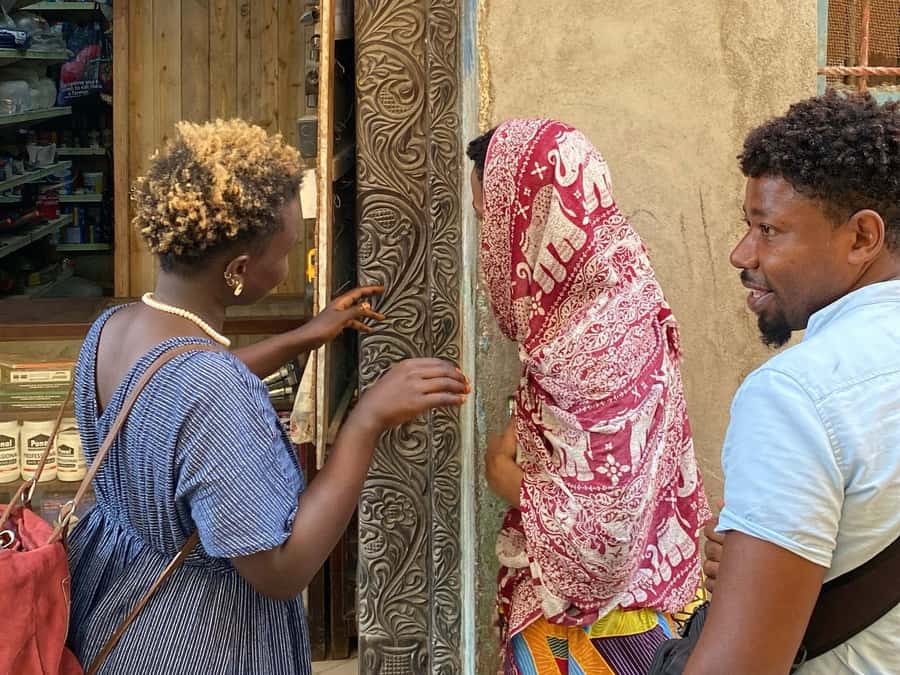
Swahili doors tell Lamu’s story. This walking tour brings you into Lamu Old Town with Almasi, the island’s only woman woodcarver, to study carved doorways, old designs, and the customs behind them. I like the personal guiding and the chance to learn directly from someone who practices the craft. I also like that the tour reaches beyond the obvious streets and includes quieter corners of the Old Town.
The main consideration is the walking time and afternoon heat. The experience is listed as three hours, though the included description also refers to a two-hour walking tour, so clarify the exact schedule when booking. Water, a hat, and good shoes will make the outing much more comfortable.
In This Review
- Key points at a glance
- Why Lamu’s doors deserve a tour of their own
- Meeting Almasi at the start of the walk
- Reading the doors in Lamu Old Town
- The stories behind Swahili carving styles
- A UNESCO setting with a human scale
- Timing, heat, and the afternoon start
- The possible extension to Shela
- What the $40 price buys you
- Who will enjoy this most
- Booking details worth knowing
- FAQ
- How long does the Swahili Carved Doors Tour last?
- Where does the tour begin?
- What language is the tour offered in?
- Is the tour private?
- Is the route wheelchair accessible?
- What should I bring?
- Should you book this Lamu doors tour?
Key points at a glance
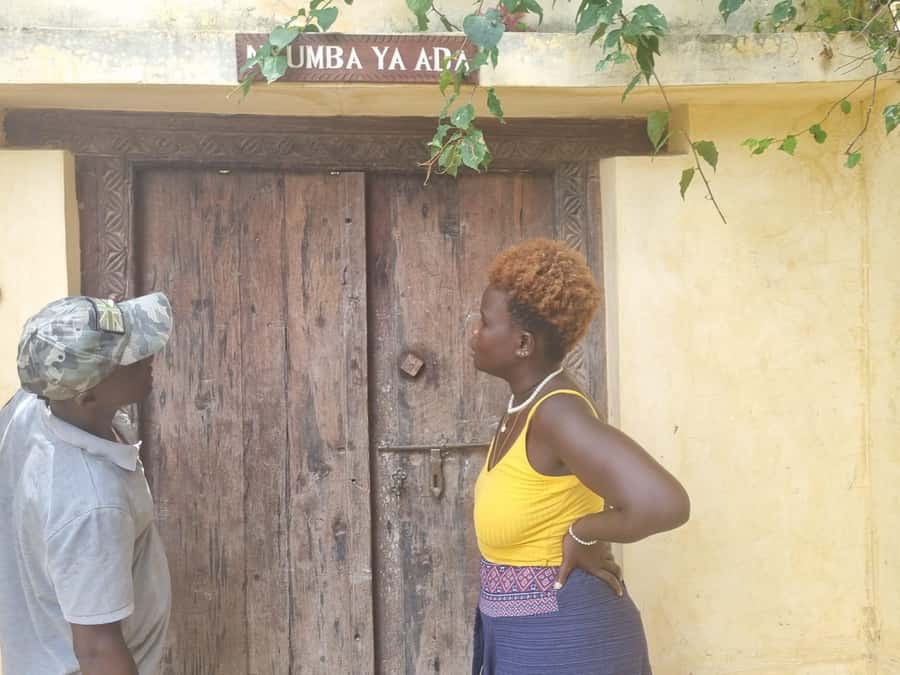
- Meet Almasi, Lamu’s only woman woodcarver: Her own work gives the tour a direct link to the craft, not just a general history lesson.
- Study doors in Old Town: You will see carved examples along main streets, back lanes, and narrow passageways.
- Learn to read the designs: Almasi explains different styles, origins, motifs, and the stories passed through generations.
- Walk through a UNESCO World Heritage Site: The setting adds architectural and cultural context to every stop.
- Private and flexible: Pickup can be arranged at the town square or another preferred location, with English or Swahili guiding.
- Optional Shela extension: A separate walk can take you to carved doors in Shela, about three kilometers from Lamu Town.
Why Lamu’s doors deserve a tour of their own
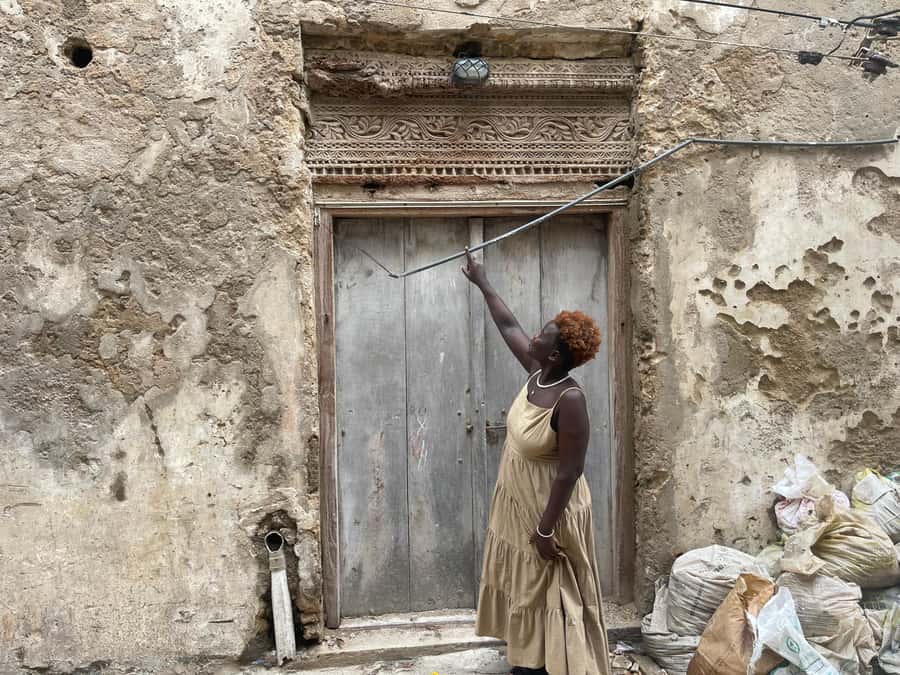
Lamu’s carved doors are more than attractive entrances. They are part of the town’s architecture, social history, and Swahili identity. A quick walk through Old Town will show you plenty of wooden doors, but without context, the details can blur together. This tour gives you a way to slow down and notice how the carving styles differ.
That is the useful part of having a woodcarver as your guide. Almasi does not simply point to an old doorway and name it. She explains how designs developed, what separates one style from another, and how the craft has continued through generations. You begin to look at the workmanship rather than treating each door as a photo backdrop.
I especially like the focus on traditional skills. Lamu is not presented as a museum frozen in time. Instead, you get a link between the old doors around town and a living person who works in wood today. That makes the experience more personal than a standard architectural walk.
Other Kenya trips travellers book alongside this one:
- Nairobi National Park Half-Day Tour; Free Wi-Fi connection
★ 5.0 · 878 reviews - Nairobi: National Park & Optional Elephants & Giraffe Center
★ 4.8 · 874 reviews - NAI NAMI: Nairobi Storytelling Tour with Street Children
★ 5.0 · 792 reviews
Meeting Almasi at the start of the walk
The tour normally begins at Lamu Town’s square, although you can request another pickup point when booking. That flexibility is useful because you do not need to spend extra time finding a meeting spot in an unfamiliar part of town.
Almasi guides in English or Swahili. Her manner is one of the strongest reasons to choose this experience. The four available ratings are all five out of five, and the praise is consistent: she is warm, engaging, passionate about her work, and easy to spend time with. One visitor particularly appreciated her care after a hot walk, including an unexpected glass of refreshing sugarcane juice.
That small detail says something practical about the tone of the tour. It is not only a formal lecture about doors. You are spending time with a local craftswoman who wants you to understand why the work matters. Her enthusiasm appears to be a major part of the experience.
This is a private group tour, so it should suit you if you prefer asking questions at your own pace. You can stop to study a carving, ask about a motif, or return to a point that was not clear. The tradeoff is that a private experience costs more per person than a large group walk, though the $40 price remains reasonable for a three-hour specialist tour.
Reading the doors in Lamu Old Town
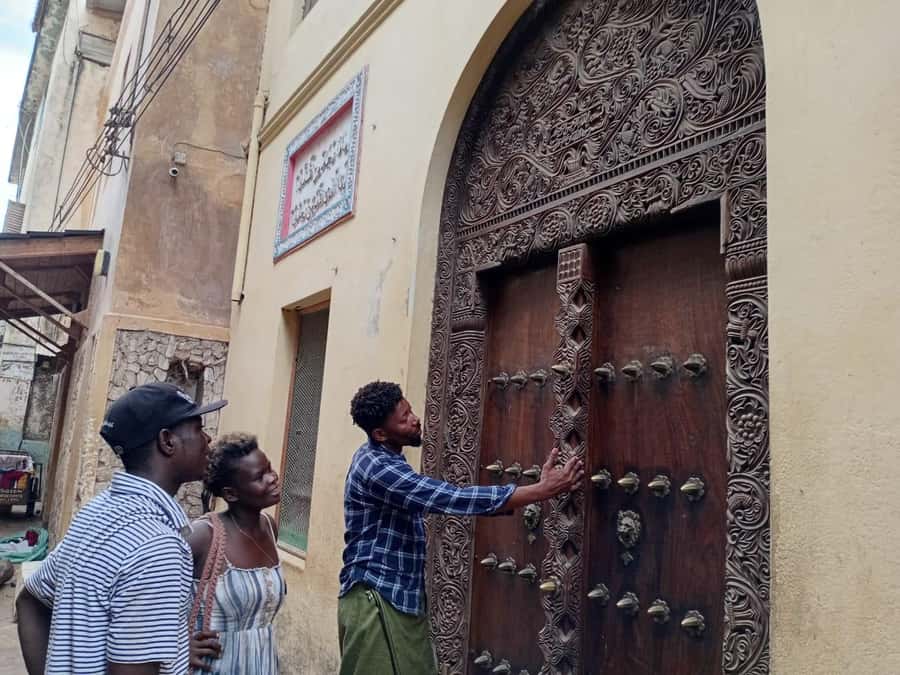
Once the walk begins, you move through the main streets and back streets of Lamu Old Town. The route is built around looking closely at carved entrances and understanding their place in the town’s architecture.
The most rewarding stops will likely be the ones where you can compare several doors. Almasi explains the different designs and carving styles, helping you notice the small changes in pattern, form, and workmanship. You may find that one door feels restrained while another is covered with more elaborate detail. The point is not simply to decide which one is prettiest. It is to learn what those differences reveal about Swahili woodcarving.
The old lanes also matter. A door seen from a passing vehicle gives you only a moment. On foot, you can take time with the timber, carving, surrounding walls, and proportions of the entrance. The slow pace suits anyone who enjoys old buildings and traditional ways of working.
You should also expect an urban walking tour rather than a workshop. The information provided focuses on viewing doors and learning their stories, not on carving your own piece. If you want a hands-on craft lesson, ask before booking so you know exactly what is included.
The stories behind Swahili carving styles
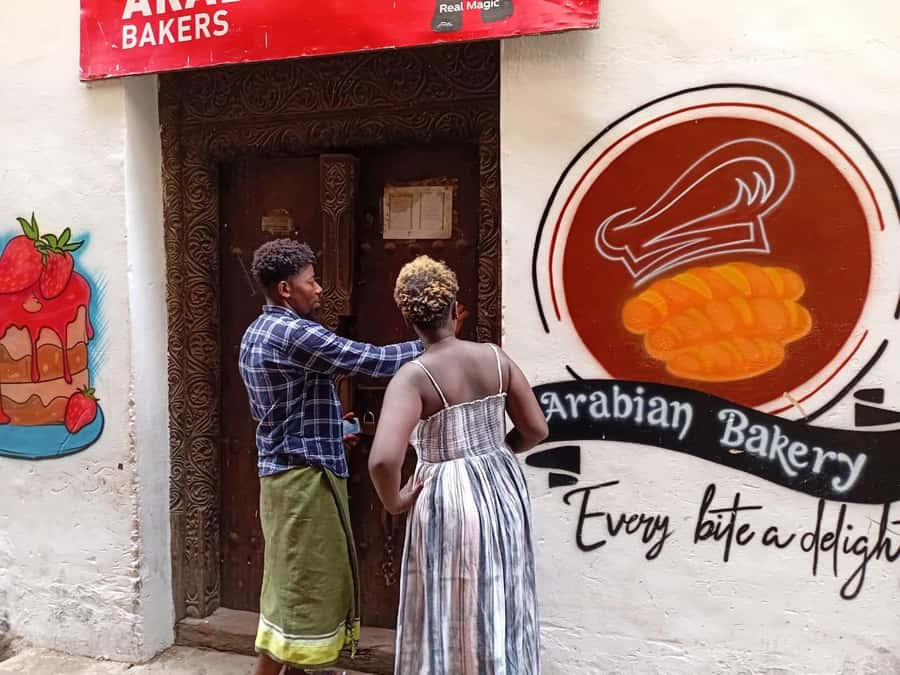
A good door tour teaches you how to see. Instead of photographing every entrance in the same way, you learn to compare designs and identify different styles.
Almasi discusses the origins and histories of the door designs found in Lamu. She also connects the craft to stories passed through generations. That adds human meaning to the woodwork. The carvings are not just decorative flourishes added to old buildings. They are part of a long tradition shaped by local culture and skilled artisans.
The tour is especially well suited to curious people who like to ask why. Why does one design use a certain pattern? How does one carving style differ from another? What does the workmanship tell you about the people who made and maintained these doors? The experience is designed for that kind of attention.
You will not receive a thick academic lecture, and that is probably a benefit for most people. The walk is described as pleasurable and leisurely, with the information woven into what you are seeing. You get useful background without losing sight of the doors themselves.
A completely different kind of day out from Kenya:
- Nairobi National Park Half-Day Game Drive
★ 4.5 · 738 reviews - Nairobi: Historic and Modern Highlights Walking Tour
★ 4.8 · 703 reviews - Safari Tour; Nairobi National Park
★ 4.5 · 594 reviews - 3 Days Masai Mara Group Joining
★ 5.0 · 486 reviews
A UNESCO setting with a human scale
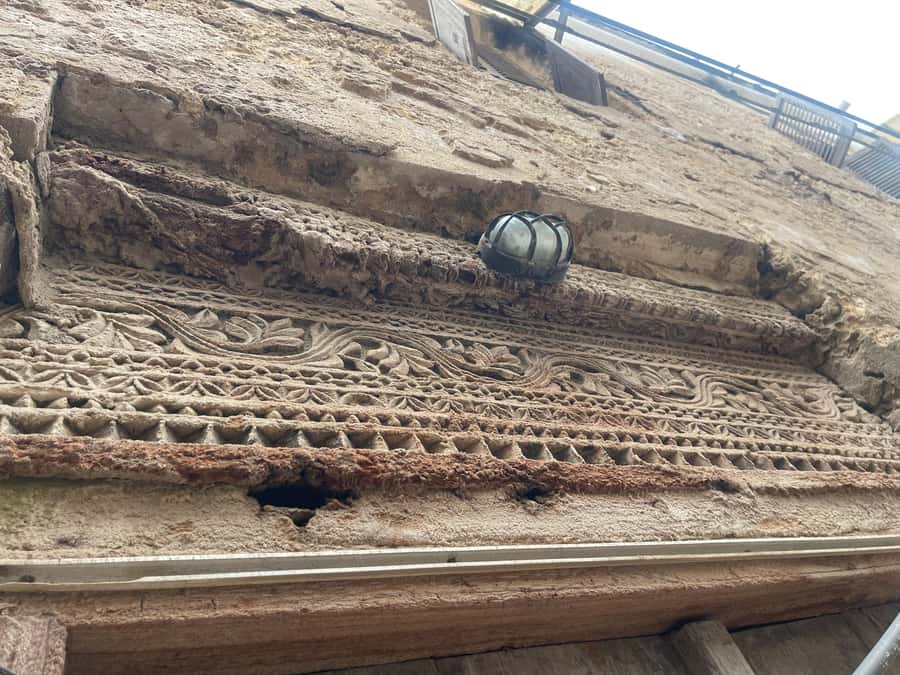
Lamu Old Town is a UNESCO-listed World Heritage Site, but the designation alone does not explain why the place is worth your time. The tour gives you a focused way to experience the town’s architecture.
A formal heritage label can sometimes make an old district feel distant or overly grand. Here, the emphasis stays close to the street. You look at doorways, walk through alleys, and hear about the people who shaped the craft. That human scale helps the old town feel lived in rather than simply preserved for display.
The tour also offers a useful counterpoint to sightseeing that rushes from one landmark to another. You are asked to slow down and notice beauty that can be easy to miss. This makes it a good choice after you have seen the main sights of Lamu and want a more specific subject to guide your walk.
The route is described as wheelchair accessible. Still, anyone who needs precise information about surfaces, turning space, or the easiest pickup point should contact the provider before arrival. Accessibility is listed, but detailed route measurements are not provided.
Timing, heat, and the afternoon start
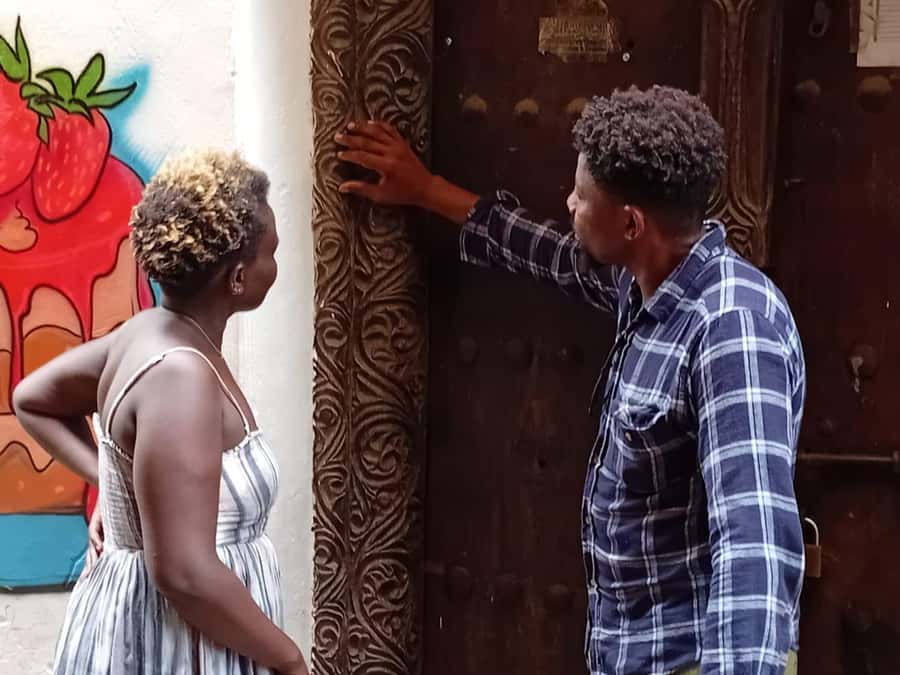
The usual start time is 3 p.m. That is a sensible choice for a walking tour in a warm coastal setting, since the strongest midday sun should have eased. Even so, three hours on foot can feel long if you arrive without water or sun protection.
Bring:
- Comfortable walking shoes
- Drinking water
- A hat or cap
- A camera
- Light snacks if you want them
Small shops around town can provide minor purchases and refreshments, but food and drinks are not included in the tour. The sugarcane juice mentioned by one participant was a kind personal gesture, not something you should assume is part of the price.
The tour depends on weather. During the rainy period of May, June, and July, the walk is scheduled for times when rain is not falling. You can also request a different starting time in advance. That matters if the standard afternoon slot conflicts with your plans or if you prefer to avoid the hottest part of the day.
Because the activity is outdoors, check the forecast and keep your schedule slightly flexible. Lamu generally has favorable weather for much of the year, but a walking tour is less enjoyable when rain turns the route into a race for shelter.
The possible extension to Shela
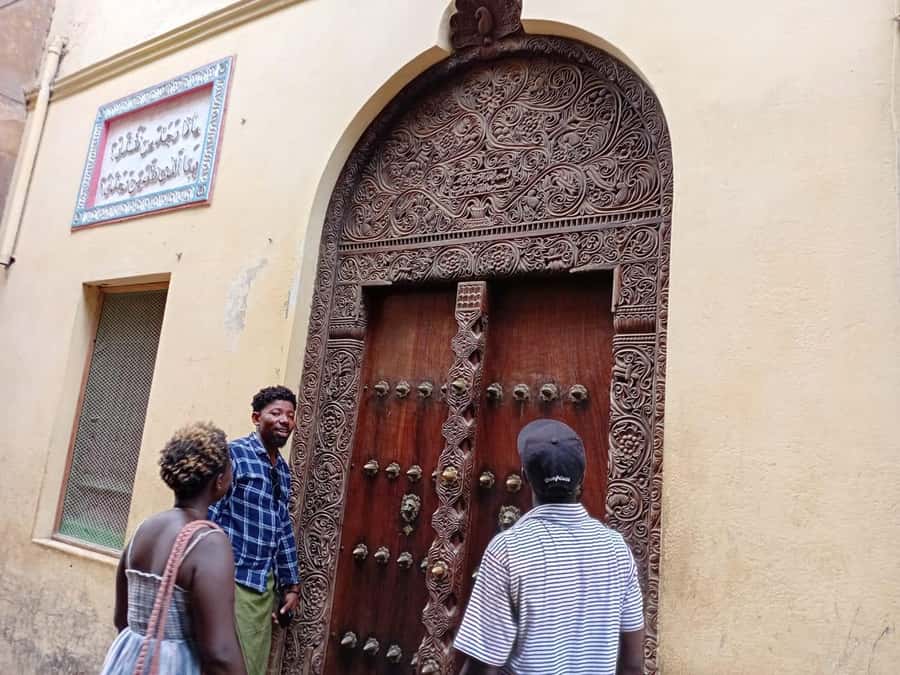
The main experience focuses on Lamu Old Town. You can also ask for an additional walk in Shela, about three kilometers from Lamu Town, to see more Swahili carved doors.
This extension could appeal to you if doors are the main reason you booked. It gives you another area for comparison and may help show how the craft appears in different parts of the island. You should confirm the added timing and any extra cost before booking, since the provided details identify Shela as an additional tour but do not state those terms.
Do not treat Shela as a minor detour if you are planning a tightly timed day. The distance and extra walking could make the full outing longer than the standard Old Town visit. If you want a relaxed first experience, start with Old Town and add Shela only if your schedule allows.
What the $40 price buys you
At $40 per person, this is not the cheapest way to walk around Lamu. You could see doors independently for nothing. The value comes from interpretation, access to a specialist guide, and the chance to understand what you are looking at.
A self-guided walk may give you attractive photographs, but it will not necessarily help you identify carving styles or connect the doors with Swahili culture. Almasi’s role changes the experience from visual sightseeing into a focused cultural lesson.
The private group format improves that value if you are traveling with family or friends. You are not paying for a large crowd or a generic route. You are paying for a personal conversation with someone closely connected to the craft.
The price is less compelling if you are only looking for a quick photo walk or have little interest in architecture, old objects, or traditional skills. Three hours is a long time to spend on doors if the subject does not appeal to you. For the right audience, though, the cost is fair, particularly because the tour supports the island’s only woman woodcarver.
Who will enjoy this most
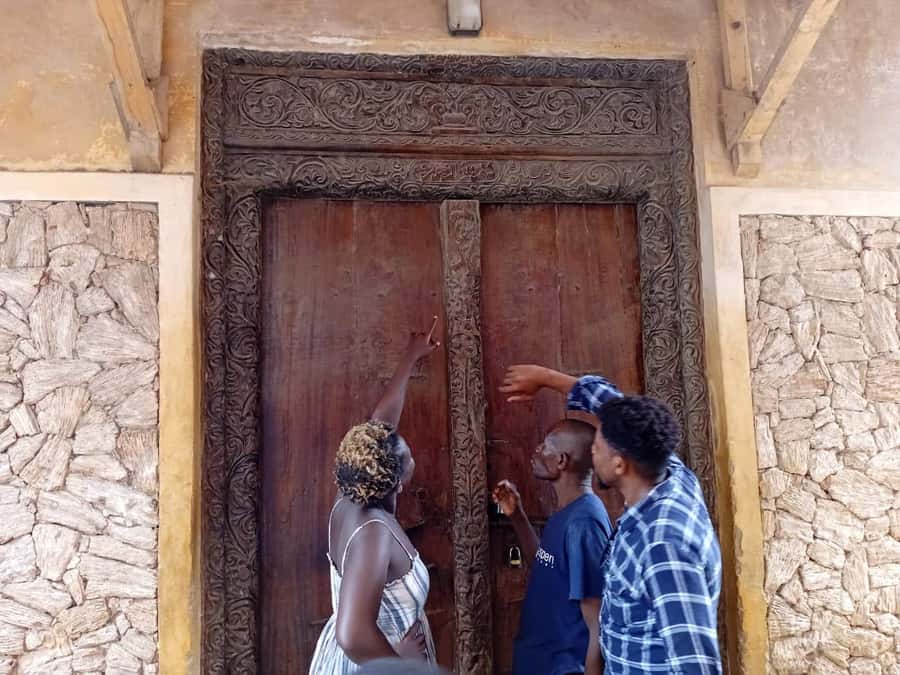
I would choose this tour if you like:
- Traditional crafts and handmade work
- Architecture with a clear cultural story
- Slow walks through historic districts
- Small private experiences
- Meeting local people who practice the traditions they explain
- Photography based on detail rather than sweeping views
It also suits repeat visitors who have already explored Lamu’s basic sights. Instead of simply seeing Old Town again, you get a fresh subject and a reason to look more carefully.
Families with older children may find the walk engaging if the children enjoy patterns, buildings, or stories. Very young children may find three hours of architectural stops tiring, though the private format gives you more control over the pace.
You should think twice if you dislike walking in warm weather, want a fast itinerary, or expect a practical carving workshop. This is a viewing and interpretation tour, not a class in using carving tools.
Booking details worth knowing
The standard duration is three hours, with afternoon departures from 3 p.m. The included description also refers to a two-hour walking tour, so ask the provider to confirm whether the two-hour figure refers to walking time within a three-hour appointment.
Pickup is not included as hotel transport. You choose the preferred meeting point, such as the town square, or request another location when booking. Food and drinks are also separate.
The experience is available in English and Swahili. It is offered for a private group and is described as wheelchair accessible. Free cancellation is available up to 24 hours before the start time for a full refund, and you can reserve now and pay later.
Those terms are useful if your Lamu plans may change. Still, the most important preparation is simple: wear shoes made for walking, carry water, and leave enough space in your day for an unhurried route.
FAQ
How long does the Swahili Carved Doors Tour last?
The experience is listed as three hours. The included tour description also mentions a two-hour walking tour, so confirm the exact walking and total appointment times when booking.
Where does the tour begin?
The tour can begin at Lamu Old Town’s town square or at another pickup point you request. Indicate your preferred location when booking.
What language is the tour offered in?
The live guide conducts the tour in English or Swahili.
Is the tour private?
Yes. The experience is offered for a private group.
Is the route wheelchair accessible?
Yes, the tour information describes all routes as wheelchair accessible.
What should I bring?
Bring comfortable walking shoes, water, a camera, and a hat or cap for sun protection. Food and drinks are not included, although shops in the town can provide minor refreshments.
Should you book this Lamu doors tour?
Book it if you want to understand Lamu through its woodwork rather than simply pass through its old streets. Almasi’s personal story, friendly manner, and craft experience give the walk a strong sense of purpose. The most highly praised qualities are her warmth, passion, and ability to explain the designs clearly.
The tour is a good $40 investment for anyone who values local expertise and patient sightseeing. Bring water, expect heat, and confirm the two-hour versus three-hour timing. If carved doors leave you cold, choose another Lamu activity. If you enjoy old buildings, handmade traditions, and conversations with people who keep those traditions alive, this is one of the more distinctive walks you can take on the island.
Just added around Kenya
- Nairobi: Airport and Hotel Private Transfers.★ 4.0 · 3 reviews
- Nairobi: Giraffe Center, Elephant Orphanage and Bomas Tour★ 5.0 · 3 reviews
- 11-Days Best of Kenya & Tanzania Big 5 Safari on a 4×4 Jeep★ 5.0 · 3 reviews
- Kitengela Anselm Hot Glass tour★ 4.5 · 3 reviews
- NAIROBI NATIONAL PARK AFTERNOON GAME DRIVE.★ 5.0 · 3 reviews
- 12-Day Tsavo west Amboseli lake Nakuru Maasai Mara safari★ 5.0 · 3 reviews
- Nairobi Down Town & Walking City Tour★ 4.8 · 3 reviews
- Private 3 Day Tsavo East Safari from Mombasa★ 5.0 · 3 reviews
Tours, compared.

Nairobi National Park Half-Day Tour; Free Wi-Fi connection
Read our review →
NAI NAMI: Nairobi Storytelling Tour with Street Children
Read our review →


Elephant Orphanage and Giraffe Center Tour with Options
Read our review →
Walking Tour Through Old Town Mombasa and Fort Jesus
Read our review →
Day Tour to Amboseli National Park & Maasai Village
Read our review →