
Reviewed · WALKING TOURS
Mombasa Old Town Walking Tour
Mombasa rewards curious walkers. This four-hour tour links the city’s famous Tusks with Old Town lanes, the Old Port, fish stalls, and the Spice Market. I especially like the clear route and the chance to explore with Raphael, whose warm, informed guiding earned especially strong praise. I also like that one liter of drinking water is included, a small but useful touch in Mombasa’s heat.
The main caution is physical: narrow streets, market walking, and several hours on your feet can be tiring. The tour is described as wheelchair accessible, yet it is not suitable for people with mobility impairments, so you should confirm the route before booking if uneven surfaces or extended walking are a concern.
In This Review
- Key things to know before you go
- Why this Mombasa walk is worth your morning
- Starting at the Mombasa Tusks at 8am
- Old Town streets reward a slow pace
- Government Square adds civic history
- The Old Port shows Mombasa’s trading identity
- Fish Market brings the city close
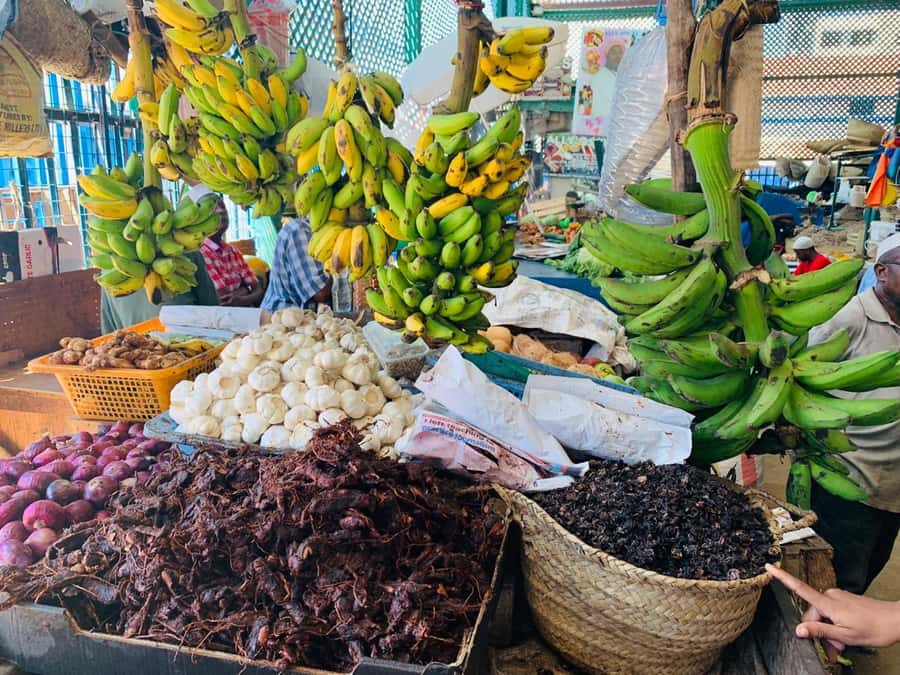
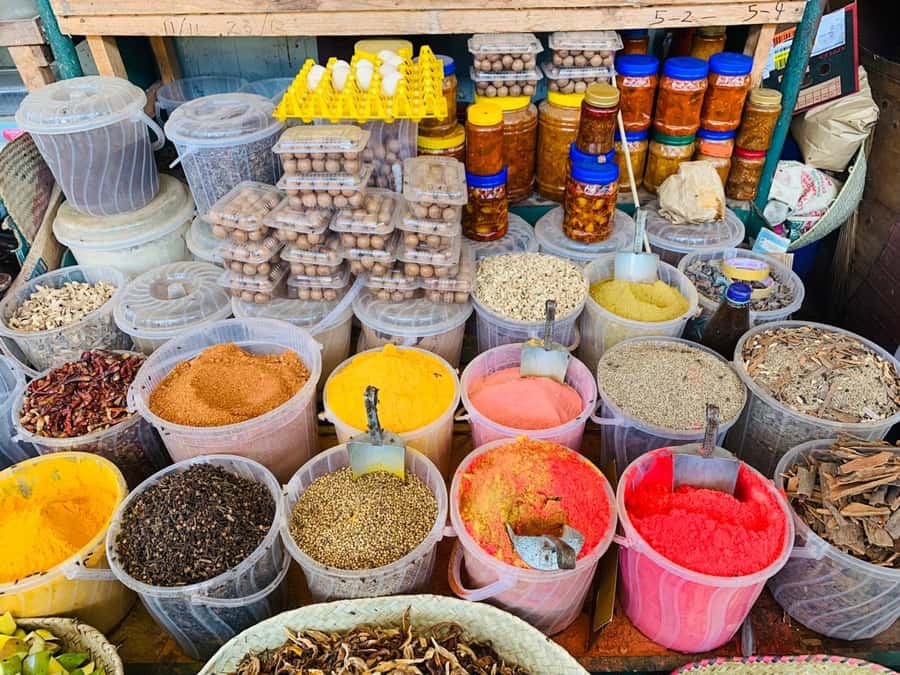
- The Spice Market is the most colorful stop
- Finishing at Mombasa Market
- What Raphael adds to the experience
- Is $30 a fair price?
- Practical limits and who should book
- Should you book the Mombasa Old Town Walking Tour?
- FAQ
- Where does the Mombasa Old Town Walking Tour start?
- Where does the tour finish?
- How long does the tour last?
- What language is the tour conducted in?
- Is drinking water included?
- Are Fort Jesus, spices, and lunch included?
Key things to know before you go
- Raphael is the guide to know: He is praised for being professional, fun, and well informed about both Mombasa and Kenya.
- The route covers major sights: You visit the Mombasa Tusks, Government Square, the Old Port, Fish Market, Spice Market, and Mombasa Market.
- The morning timing helps: Starting at 8am gives you a cooler part of the day for walking.
- It costs $30 per person: That is fair if you value guided context, local orientation, and a planned route through Old Town.
- Bring Kenyan shillings: Market purchases and spices are not included.
- Expect moderate walking: Comfortable shoes, water, sun protection, and a flexible pace matter here.
Why this Mombasa walk is worth your morning
Mombasa Old Town is best understood on foot. Cars can take you past its streets, but they cannot give you the same sense of its narrow lanes, market activity, old buildings, and shifting coastal atmosphere. This tour gives you a practical way to see the main sights without spending your morning guessing which turn leads somewhere worthwhile.
The route begins at Pembe Za Ndovu, better known as the Mombasa Tusks. From there, you walk into Old Town with a guide who supplies the background that buildings and streets cannot provide on their own. You are not simply checking off landmarks. You are learning how the port, markets, public buildings, and old streets fit together.
I think the tour works best for a first visit to Mombasa. It gives you an introduction to the city’s past and present, then leaves you at Mombasa Market, where you can continue exploring or arrange your next stop. The four-hour length is long enough to feel substantial without taking the whole day.
The experience is conducted in English. Basic English is recommended, since much of its value comes through the guide’s explanations and conversation.
More walking tours:
- Walking Tour Through Old Town Mombasa and Fort Jesus
★ 5.0 · 393 reviews - Mombasa: Guided Nature Walk Amongst Giraffes
★ 4.8 · 48 reviews - Mombasa walking tour
★ 4.9 · 28 reviews
Starting at the Mombasa Tusks at 8am
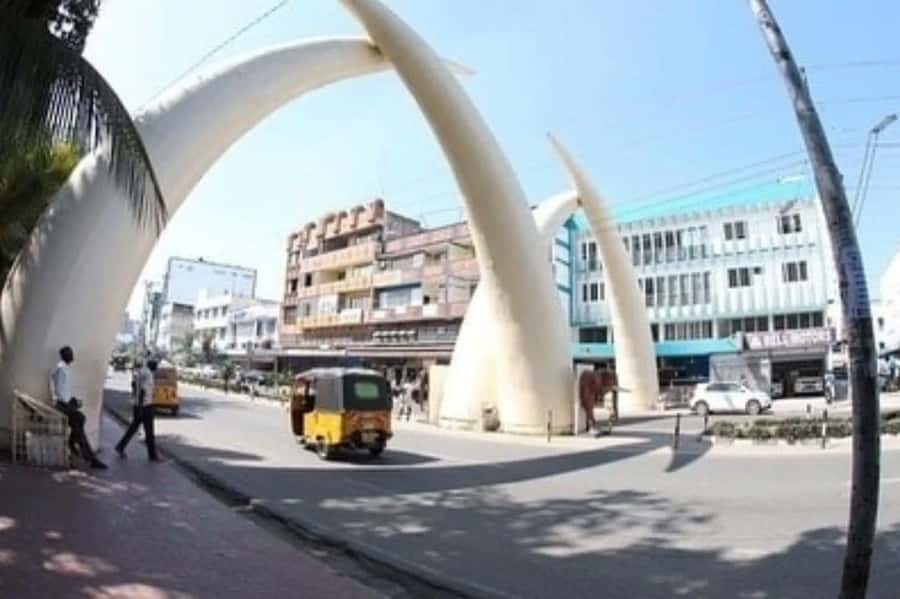
The meeting point is Pembe Za Ndovu, the large tusk-shaped monument known as the Mombasa Tusks. This is a useful starting place because it is easy to identify and provides an immediate introduction to Mombasa’s public landmarks.
Your guide, Raphael, is scheduled to meet you there at 8am. The early start is sensible. Mombasa can be hot, and beginning in the morning gives you a better chance of enjoying the walk before the strongest midday sun.
The Tusks also offer a natural opening for the city’s story. Your guide can connect the monument to Mombasa’s role as a coastal port and to the movement of people, goods, and cultures through the city. The supplied tour information does not specify the exact historical talk at this point, so you should think of it as the orientation stop rather than a formal museum visit.
From here, the group walks toward Old Town. There is no sightseeing vehicle included, and that is part of the point. You see the city at street level, with time to notice doorways, building fronts, sounds, and daily activity that would pass quickly from a car window.
Old Town streets reward a slow pace
The Old Town section is the heart of the experience. You follow Raphael through narrow streets and alleyways, with stops at important public and port-related places along the way.
This kind of walking tour is valuable because Old Town is not presented as a single attraction with one entrance. Its character comes from the connection between many smaller details. A guide helps you understand what you are seeing and keeps the route moving when the streets begin to feel like a puzzle.
The pace may vary with the group. The tour is advertised as about three to four hours, with four hours given as the planned duration. That flexibility is useful in a market district, where a small group may move faster than a larger one or pause longer for explanations and photographs.
You should wear light clothing and sturdy, comfortable walking shoes. Sandals may be fine for some people, but the safest choice is footwear that will not make narrow-street walking uncomfortable. A hat, sunglasses, and sunscreen are sensible. The tour includes one liter of drinking water, but bringing your own bottle is still recommended.
Government Square adds civic history
Government Square provides a change of mood from the narrow lanes. Here, the focus shifts toward the city’s public and administrative side.
A stop like this matters because it broadens the tour beyond markets and photographs. Mombasa is not only a port and trading center. It is also a working city with institutions, civic spaces, and layers of authority shaped by its long coastal connections.
Raphael’s role is especially important here. One of the strongest points in the available feedback is his ability to explain not only Mombasa but places across Kenya. That suggests the tour may be useful if you want a wider national context rather than a string of isolated facts.
Do not expect a long indoor visit at this stop. The tour description presents Government Square as part of a guided walk, not as a ticketed attraction with a scheduled interior tour. Its value is in seeing the setting and hearing how it fits into the city.
A few more trips worth weighing up
- Mombasa: Kisite Park Private Cruise with Breakfast and Lunch
★ 4.7 · 181 reviews - Mombasa City Tour
★ 5.0 · 170 reviews - Mombasa: Tusks, Fort Jesus, Old Town, Beach and City Tour
★ 4.7 · 137 reviews - Half-Day Scenic Bike Tour
★ 5.0 · 75 reviews
The Old Port shows Mombasa’s trading identity
The route continues to the Old Port, one of the most meaningful stops for understanding Mombasa. The port helps explain why this city has long been connected to the wider Indian Ocean world.
Your guide can give the waterfront and surrounding streets a sense of purpose. Goods, food, spices, and people did not arrive here by accident. The port helped shape the city’s culture and its connections far beyond Kenya.
The tour does not include a boat ride or a separate port activity. You are visiting the area on foot, listening and observing. That makes the stop straightforward, but it also keeps the tour focused on orientation rather than entertainment.
I like this part of the route because it ties together the later market visits. Once you have seen the port, the Fish Market and Spice Market make more sense. They are not random shopping stops. They are part of a city shaped by trade.
Fish Market brings the city close
The Fish Market is likely to be one of the more sensory sections of the walk. You can expect the sights and smells of a working food market, along with the chance to see a more everyday side of Mombasa.
This is not a polished attraction. That is precisely why it can be useful. A market gives you a look at ordinary commerce and local routines, though it may feel busy or intense if you prefer quiet sightseeing.
A respectful attitude matters here. Follow your guide’s advice, ask before photographing people, and avoid treating the market like a stage set. The tour information specifically asks you to respect local customs, traditions, and landmarks, and that is good practical advice.
The Fish Market is also a reason to bring only what you need. Keep your phone and cash secure, and use Kenyan shillings for purchases. You are not required to buy anything, but having local currency gives you the option to stop for small items if something catches your eye.
The Spice Market is the most colorful stop
The Spice Market gives the tour its strongest shopping element. You can expect fragrant stalls, colorful displays, and the chance to see products linked to Mombasa’s long trading culture.
Spices bought here are not included in the $30 tour price. That is normal, but it is worth planning for. Bring cash in Kenyan shillings, and treat any purchase as optional rather than part of the guided service.
I would approach the market with curiosity and a little restraint. Look carefully, ask questions, and compare prices before buying. You do not need to turn the stop into a shopping mission. The main value is seeing the market and learning how it fits into the city’s commercial life.
This is also a good place for photographs, but ask permission where appropriate. Bright displays are easy to photograph. People are not automatically part of the scenery.
Finishing at Mombasa Market
The tour ends at Mombasa Market. That finish is convenient because you are left in another active commercial area rather than returned to the starting point.
This gives you some freedom. You can continue looking around, buy spices or other goods, or make your own plans from there. The trade-off is that transportation back to your hotel is not listed as part of the experience, so you should be ready to arrange your next move independently.
Ending at a market also makes the tour feel more like an introduction than a sealed excursion. You finish with a useful sense of direction and several possible ways to continue your day.
The route does not include lunch. If you want a meal afterward, plan to find it separately. The tour’s morning timing should leave room for lunch after the walk, but the exact schedule can change with group size and pace.
What Raphael adds to the experience
Guide quality can make or break a city walk, and Raphael receives the clearest praise in the available feedback. He is described as professional, fun, and able to share information about Mombasa and Kenya more broadly.
That combination matters. A guide who only lists dates can make four hours feel long. A guide who can explain the connection between landmarks, daily life, and national history makes the streets easier to read.
The tour is designed around commentary, so you should expect Raphael to be central to the experience. If you enjoy asking questions, this is likely to suit you. If you prefer to wander alone with a camera and little conversation, a self-guided visit may be a better fit.
The strongest comments also describe the tour as a good way to spend a morning. One booking included a visit from Diani and appreciated seeing the ferry crossing as part of the wider day. The ferry is not listed as a scheduled tour stop, so do not book this walk expecting a ferry excursion. The useful point is that it can fit into a larger coastal itinerary.
Is $30 a fair price?
At $30 per person, this is not the cheapest possible way to walk through Mombasa. You could visit some areas on your own and spend less. The question is what you want your money to buy.
Here, the price covers a four-hour guided route, historical and cultural commentary, the main listed landmarks, and one liter of water. For a first visit, that is reasonable value if you want someone else to handle the route and explain what you are seeing.
The price is less attractive if you mainly want shopping time or photographs. Market purchases, Fort Jesus entry, and lunch are extra. Fort Jesus is not included, and the route information does not promise entry there, so you should budget separately if you want to visit it.
A 4.8 rating from four ratings supports the idea that the service is performing well, though the sample is small. I would treat that as encouraging rather than final proof. The specific praise for Raphael is more useful than the number alone because it tells you what seems to make the tour work.
Practical limits and who should book
This is a good choice for adults and older children who can walk comfortably for several hours and enjoy guided city sightseeing. Children under five are not suitable for the tour.
The experience is not suitable for people with mobility impairments or hearing impairments according to the supplied conditions. It is also described as wheelchair accessible, which creates an important point to clarify before booking. Narrow streets and moderate physical activity may limit how practical the route is for some wheelchair users, so contact the provider for precise route details.
You should also consider the heat. Lightweight clothing, water, a hat, sunscreen, and sunglasses are not decorative packing advice here. They can determine whether the last hour feels enjoyable or exhausting.
Bring a camera or phone, but protect it and remain considerate at markets. Bring Kenyan shillings for optional purchases. Keep an open mind, since some of the most useful parts of the walk may be ordinary streets and working markets rather than grand monuments.
Booking is flexible: you can cancel up to 24 hours in advance for a full refund, and you can reserve now and pay later. Confirm your meeting instructions before the date, especially since the starting point is specifically Pembe Za Ndovu.
Should you book the Mombasa Old Town Walking Tour?
I would book this tour if you want a guided first look at Mombasa and value stories as much as sightseeing. The route covers the city’s main public, port, and market areas in one morning, and Raphael’s strong personal praise is a real advantage.
I would skip it if you dislike market environments, cannot walk comfortably for several hours, or want a tour that includes Fort Jesus, lunch, transport, or shopping costs. Those extras are not part of the $30 price.
For most able walkers spending time on Kenya’s coast, this is a sensible introduction to Mombasa. Wear good shoes, start with an appetite for context, and leave room in your day after the final market stop.
FAQ
Where does the Mombasa Old Town Walking Tour start?
The tour starts at Pembe Za Ndovu, also called the Mombasa Tusks.
Where does the tour finish?
The walk finishes at Mombasa Market.
How long does the tour last?
The planned duration is four hours, though the walk may take about three to four hours depending on group size and pace.
What language is the tour conducted in?
The tour is conducted in English, so basic English proficiency is recommended.
Is drinking water included?
Yes. One liter of drinking water is included, though you are also advised to bring a water bottle for hydration.
Are Fort Jesus, spices, and lunch included?
No. Fort Jesus entry fees, spices purchased at the Spice Market, and lunch are not included.
Just added around Mombasa
- 3 Days Private Tour of Mombasa★ 4.5 · 3 reviews
- Mombasa: Wasini Dolphin Tour★ 3.2 · 3 reviews
- 1-Day Tsavo East Safari From Mombasa★ 5.0 · 3 reviews
- 2 Days Salt Lick Safari Tour★ 4.5 · 3 reviews
- Mombasa: Discovery Day Tour and Haller Park★ 4.1 · 3 reviews
- Private Tour of Tsavo East National Park from Mombasa★ 5.0 · 3 reviews
- Mombasa: Historical Guided city tour. Old town, Fort Jesus★ 4.2 · 3 reviews
- Airport Transfers to Watamu and Malindi★ 3.5 · 3 reviews
Walking Tours, compared.
Walking Tour Through Old Town Mombasa and Fort Jesus
Read our review →
Nairobi Walking tour:Explore History Culture and Traditions
Read our review →
Nairobi City Walking Tour with Traditional Kenyan Lunch
Read our review →

Browse the lists this tour appears in