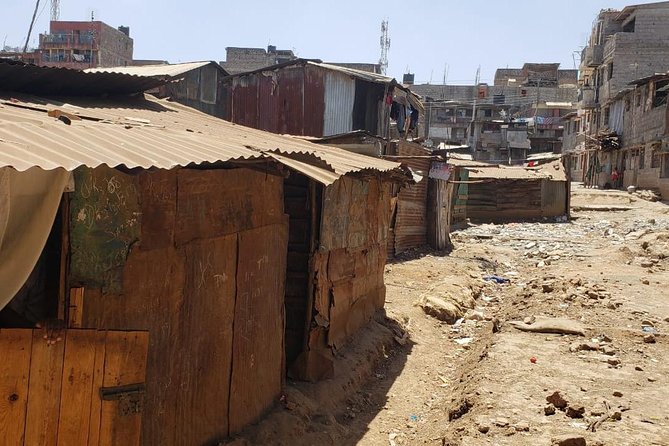
Reviewed · TOURS
Mathare Community Slum Tour
Mathare asks you to listen closely. This private, community-led tour offers a direct look at one of Nairobi’s oldest informal settlements, with local residents explaining daily life, public health challenges, and community efforts. I like the small private format and the chance to hear personal stories rather than simply pass through by vehicle. I also like that the tour includes visits with local mothers and time in craft shops, giving you a human connection and a practical way to support local makers.
The main caution is communication. One booking resulted in no response through WhatsApp, both before and on the day, despite payment in full. I would confirm the meeting details well ahead of time and keep the provider’s contact information handy. The tour is inexpensive at $25.65 per person, but reliable coordination matters just as much as the price.
In This Review
- Key Points About the Mathare Tour
- Why a Community-Led Visit Changes the Experience
- Starting at Ushindi East Avenue
- Walking Through Mathare With Local Residents
- Home Visits and the Stories Behind the Statistics
- HIV, Public Health, and Difficult Conversations
- Beadwork, Craft Shops, and Buying With Purpose
- Is $25.65 Good Value?
- The Communication Problem You Should Take Seriously
- Who Will Enjoy This Mathare Visit?
- Should You Book the Mathare Community Slum Tour?
- FAQ
- Where does the Mathare Community Slum Tour begin?
- Where does the tour end?
- How long does the tour last?
- How much does the tour cost?
- Is the tour private?
- What does the tour include?
- Is bottled water provided?
- Can I cancel for a full refund?
- Does the tour operate every day?
Key Points About the Mathare Tour

- Community-led access: Local community members guide you through Mathare and share their own experiences.
- Private two-hour format: Only your group takes part, allowing a more personal visit than a large organized outing.
- Home visits with local mothers: The itinerary includes a chance to enter local homes and hear directly from residents.
- Public health focus: HIV and other health crises are discussed as part of Mathare’s wider social story.
- Craft shopping included: You can stop at local craft shops and buy handmade beadwork and other items.
- Simple practical setup: The tour begins and ends at Ushindi East Avenue, and bottled water is provided.
Why a Community-Led Visit Changes the Experience
A Mathare tour can easily become a distant look at poverty. This one is designed to put local people at the center. That difference matters. Instead of receiving only a guide’s general explanation, you meet community members who can speak about their own lives, pressures, and hopes.
I appreciate that the format is private. Your group does not have to keep pace with a large crowd, and the visit can feel more focused. The supplied description does not promise a fixed script or a named guide, so the exact tone may vary. Still, the community-led structure gives the experience a clear purpose: listen first, take photographs carefully, and treat the neighborhood as a home rather than a backdrop.
Mathare is described as Kenya’s oldest informal settlement and its largest informal settlement. Those labels give the visit some national context, but the most useful part is not the superlative. It is the chance to understand how people live, work, organize, and care for one another in a place often reduced to a headline.
A few more trips worth weighing up
- Nairobi National Park Half-Day Tour; Free Wi-Fi connection
★ 5.0 · 878 reviews - Nairobi: National Park & Optional Elephants & Giraffe Center
★ 4.8 · 874 reviews - NAI NAMI: Nairobi Storytelling Tour with Street Children
★ 5.0 · 792 reviews
Starting at Ushindi East Avenue

The tour starts at Ushindi East Avenue in Nairobi and returns to the same meeting point. That simple arrangement is helpful because you are not left wondering where the visit finishes or how to collect your belongings afterward.
The meeting point is near public transportation, according to the supplied details. No pickup service is listed, so you should plan to reach Ushindi East Avenue on your own. Give yourself extra time to find the exact start point, especially if you are unfamiliar with Nairobi or are relying on public transport.
The tour operates from 7:00 AM to 5:00 PM, Monday through Sunday, during the stated operating period. The actual visit lasts about two to three hours, with the main description calling it a private two-hour tour. In practice, I would keep a three-hour window free so you are not rushing to your next appointment.
Because the meeting point is also the end point, the tour does not function as a sightseeing transfer across Nairobi. Think of it as a focused community visit, not a general city tour.
Walking Through Mathare With Local Residents
The central part of the visit is a walking tour of Mathare. You will spend time in the settlement, hear about the community, and see the setting in which daily life takes place.
The description does not provide a precise route, so I would not expect a fixed list of streets or landmarks. That can be a benefit. A community-led visit may respond to local conditions and the people available to speak with that day. It also means you should remain flexible about the order and length of each stop.
The experience is best suited to someone who wants context and conversation. If you prefer a polished sightseeing route with a long list of monuments, this is not that kind of outing. The value comes from the people you meet and the issues discussed, not from checking off attractions.
I would also approach the visit with care. A slum tour can raise ethical questions, especially around photography and entering private spaces. The itinerary includes a visit inside the homes of local mothers, which may offer a rare and personal view of family life. You should follow the guide’s direction, ask before taking photographs, and remember that a home visit is a privilege, not an entitlement.
Home Visits and the Stories Behind the Statistics
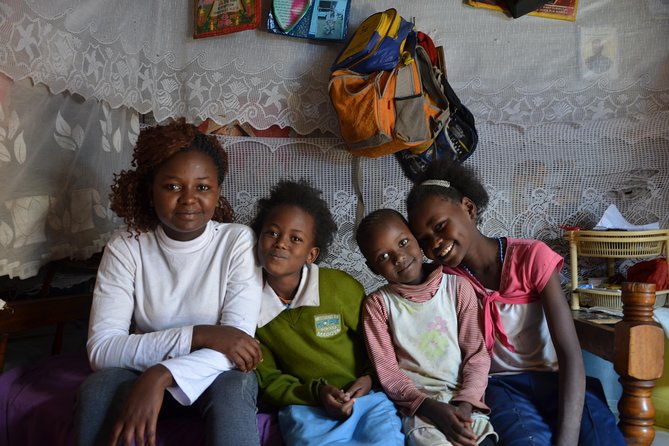
The home visits are likely to be the most personal part of the experience. Local mothers are included among the community members you may meet, and the visit gives you a chance to hear about life from people rather than from statistics alone.
The supplied information does not identify the mothers or promise a specific conversation, so I would avoid arriving with expectations of a particular story. Instead, listen carefully to whatever the hosts choose to share. Their perspective may help you understand family responsibilities, health concerns, work, and the practical choices people make in difficult conditions.
This portion of the tour also calls for respectful behavior. Keep your questions polite and avoid treating personal hardship as entertainment. The best approach is simple: listen, ask only when invited, and let the host control what is discussed.
For me, this is where the community-led model has its greatest value. The visit is not only about seeing Mathare. It is about meeting people who live there and recognizing that the neighborhood is made up of households, relationships, and individual stories.
A completely different kind of day out from Nairobi:
- Nairobi National Park Half-Day Game Drive
★ 4.5 · 738 reviews - Nairobi: Historic and Modern Highlights Walking Tour
★ 4.8 · 703 reviews - Safari Tour; Nairobi National Park
★ 4.5 · 594 reviews - 3 Days Masai Mara Group Joining
★ 5.0 · 486 reviews
HIV, Public Health, and Difficult Conversations
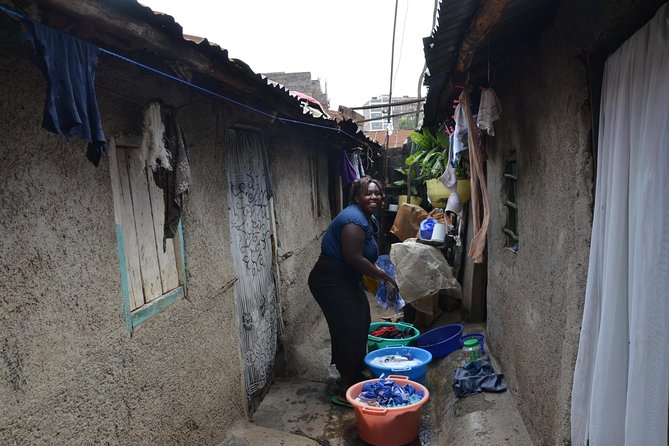
The tour addresses HIV and other public health crises affecting the community. This adds serious context to the walk and helps explain why health services, education, prevention, and support matter in an informal settlement.
You should expect the subject to be sensitive. The description does not provide a lecture outline, so the exact depth of the discussion may differ. Still, the inclusion of public health issues makes the tour more than a visual visit. It asks you to consider the systems that shape daily life, including access to care and the effects of wider health emergencies.
I value this part because it gives you something to think about after the tour ends. Mathare is not presented only as a place of hardship or as a photo opportunity. Health challenges are discussed as part of the community’s wider reality, alongside the people and local efforts that respond to them.
The experience may suit adults and older teenagers who can handle direct conversation about illness, poverty, and social pressure. If you are looking for a light morning activity, the subject matter may feel heavy. That is not a fault, but it is worth knowing before you book.
Beadwork, Craft Shops, and Buying With Purpose

The itinerary includes stops at local craft shops, where you can browse handmade beadwork and other crafts. This gives the tour a practical ending and lets you support local makers through a purchase.
I like this feature because it connects sightseeing with a direct economic choice. You do not have to buy anything, but if you find beadwork or another item you like, your money goes toward a local shop rather than only toward a tour operator.
The supplied details do not state the exact products, prices, or payment methods. Bring an open mind and do not assume that every item will suit your budget. Ask about prices before buying, and choose something because you genuinely want it, not because you feel pressured by the setting.
Shopping should remain secondary to the visit. The important point is that the craft stop gives you a chance to interact with local work and take home a small reminder of Mathare. It should not turn the community into a marketplace.
Is $25.65 Good Value?

At $25.65 per person, this is a low-cost private experience for a two-hour visit. The value depends less on the number of sights and more on the access, time, and personal contact included.
You are paying for a community-led walk, local conversations, home visits, public health discussion, craft stops, and bottled water. Since the tour is private, your group does not share the scheduled activity with other customers. That can make the price attractive if you want a focused visit and are traveling with companions.
The tour does not include a long list of extras. There is no stated hotel pickup, meal, transport across Nairobi, or admission to a separate attraction. You should judge the price as payment for a guided community experience, not as an all-inclusive city excursion.
For one person, $25.65 is a reasonable outlay for a dedicated two-hour activity. For a group, the private format may improve the value because you receive more direct attention than you might in a large group. I would book it for the access and conversations, not for the bottled water or shopping alone.
The Communication Problem You Should Take Seriously
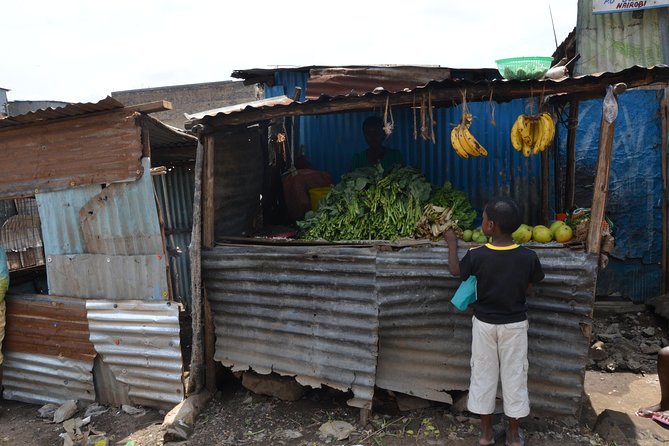
The most important warning concerns contact before the tour. One person reported trying to reach the organization through WhatsApp a day before the visit and again on the scheduled day, with no response. The booking had already been paid in full.
That report does not prove that every booking will have a problem, and the overall rating is listed as 4.6 out of 5 from nine ratings. Still, a missed connection is a serious issue when you are trying to find a meeting point in an unfamiliar part of Nairobi.
I would take three simple steps:
- Confirm the start time and Ushindi East Avenue meeting point before the 24-hour cancellation deadline.
- Save the provider name, Jijenge Community Slum Tours, and all contact details offline.
- If you do not receive a response, contact the booking platform promptly rather than waiting until the meeting time.
Free cancellation is available if you cancel at least 24 hours before the start time. Changes or cancellations made inside that window are not accepted for a refund. The activity also depends on good weather and a minimum number of participants, although a private booking may still be subject to the provider’s operating requirements. If the tour is canceled for weather or insufficient participation, you are offered another date, another experience, or a full refund.
Who Will Enjoy This Mathare Visit?
I would recommend this tour to you if you want a direct community experience and are willing to listen to difficult stories. It fits visitors who prefer local contact over a polished sightseeing program, and it works well for a private group that wants a slower, more personal visit.
It may also suit people interested in public health, social issues, community development, and ethical tourism. The home visit and discussion of HIV make the experience more serious than a simple neighborhood walk.
I would think twice if you want guaranteed names, a fixed route, detailed transport arrangements, or a highly predictable schedule. Those details are not supplied. I would also avoid booking at the last minute, given the communication concern and the need to reach a specific meeting point.
Wear practical clothing and behave modestly, although the supplied information does not set a dress code. Carry your phone with the mobile ticket available, and keep the schedule open for the full two to three hours. Bottled water is provided, which is useful during a walking visit, but you should not expect meals or other refreshments.
Should You Book the Mathare Community Slum Tour?
Book it if you want a small, personal, community-led visit that treats Mathare as a living neighborhood rather than a distant sight. The private format, home visits, health discussions, and craft stops offer more substance than a quick drive past an informal settlement.
Do not book it solely because the price is low. You need to be comfortable with serious topics, respectful around private homes, and patient if the visit does not follow a rigid sightseeing script. Most important, confirm the arrangements early and keep a record of your communication.
For the right visitor, $25.65 is fair value for two hours of direct local contact. I would consider it a worthwhile Nairobi experience, with the clear proviso that dependable pre-tour communication should be verified before you set out.
FAQ
Where does the Mathare Community Slum Tour begin?
The tour begins at Ushindi East Avenue, Nairobi, Kenya.
Where does the tour end?
The activity ends back at the meeting point on Ushindi East Avenue.
How long does the tour last?
The tour lasts approximately two to three hours. It is described mainly as a private two-hour experience.
How much does the tour cost?
The listed price is $25.65 per person.
Is the tour private?
Yes. Only your group participates in this private activity.
What does the tour include?
The tour includes a community visit, a walking tour of Mathare, meetings with local community members, a possible visit inside local mothers’ homes, craft shopping, discussion of HIV and other public health crises, and bottled water.
Is bottled water provided?
Yes. Complimentary bottled water is included.
Can I cancel for a full refund?
Yes. You can receive a full refund if you cancel at least 24 hours before the experience start time. Cancellations or changes made less than 24 hours before the start time are not refunded or accepted.
Does the tour operate every day?
The stated opening hours are Monday through Sunday, from 7:00 AM to 5:00 PM, during the listed operating period.
Just added around Nairobi
- Nairobi: Giraffe Center, Elephant Orphanage and Bomas Tour★ 5.0 · 3 reviews
- Nairobi: Airport and Hotel Private Transfers.★ 4.0 · 3 reviews
- Kitengela Anselm Hot Glass tour★ 4.5 · 3 reviews
- 11-Days Best of Kenya & Tanzania Big 5 Safari on a 4×4 Jeep★ 5.0 · 3 reviews
- 12-Day Tsavo west Amboseli lake Nakuru Maasai Mara safari★ 5.0 · 3 reviews
- NAIROBI NATIONAL PARK AFTERNOON GAME DRIVE.★ 5.0 · 3 reviews
- Nairobi Down Town & Walking City Tour★ 4.8 · 3 reviews
- Carnivore Resturant Dinner Experience★ 4.0 · 3 reviews
Tours, compared.

Nairobi National Park Half-Day Tour; Free Wi-Fi connection
Read our review →
NAI NAMI: Nairobi Storytelling Tour with Street Children
Read our review →


Elephant Orphanage and Giraffe Center Tour with Options
Read our review →
Walking Tour Through Old Town Mombasa and Fort Jesus
Read our review →
Day Tour to Amboseli National Park & Maasai Village
Read our review →