
Reviewed · COFFEE & TEA FARM TOURS
Kiambethu Tea Farm Tour & Lunch From Nairobi
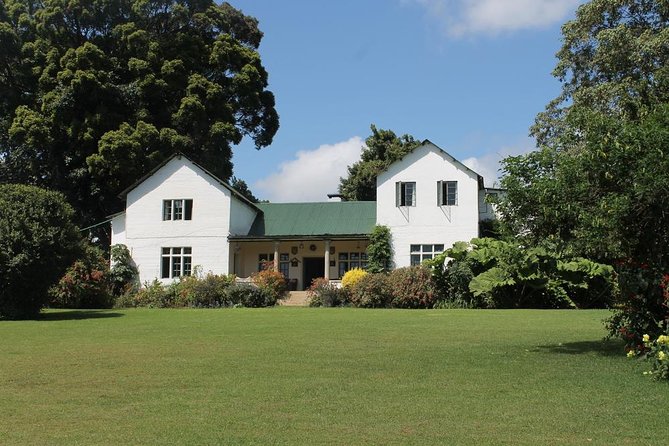
Tea tells a bigger story here. Kiambethu Farm gives you a quiet country outing from Nairobi, combining settler history, tea growing, forest walking, wildlife, and a home-cooked lunch in one six-hour experience. You begin with pickup from your Nairobi hotel or accommodation, reach the estate around 11am, and spend the heart of the day at a family-run farm founded in 1910.
I like the personal welcome from Marcus and Fiona, including homemade biscuits and tea, and I like that the visit goes beyond a quick plantation photo stop. You also get a walk through preserved indigenous forest, where colobus monkeys may appear. The main consideration is price: at $125 per person, this is not a cheap half-day outing, and a group of up to 100 people could feel less intimate than the farm setting suggests.
In This Review
- Key points at a glance
- Why Kiambethu feels different from a standard tea stop
- Leaving Nairobi and reaching the farm
- Tea at the main house with Marcus and Fiona
- Tea gardens and the old indigenous forest
- A three-course lunch made from local produce
- Is $125 a fair price?
- Who will enjoy this farm visit most?
- Practical details before you book
- My verdict on Kiambethu Tea Farm
- FAQ
- How long is the Kiambethu Tea Farm tour?
- What time does pickup begin?
- Is hotel pickup included?
- Is lunch included?
- Can I see colobus monkeys?
- Does the farm tour operate every day?
- What is the cancellation policy?
Key points at a glance
- Family history since 1910: Learn how one estate fits into Kenya’s settler past and the growth of tea as a major export crop.
- Tea, biscuits, and lunch included: Your visit begins with tea and homemade biscuits, then ends with a three-course meal using fresh, locally sourced ingredients.
- Colobus monkey country: The garden and old indigenous forest offer your best chance to spot the estate’s resident colobus monkeys.
- Pickup from Nairobi: Hotel or accommodation pickup and return are included, saving you the trouble of arranging separate transport.
- A full six-hour outing: The farm visit itself lasts about four hours, with the remaining time covering transport from Nairobi.
- Strong guest rating: The experience has a 4.9 rating from seven reviews, including praise for the beautiful setting and its special character.
Why Kiambethu feels different from a standard tea stop
Many tea visits focus on fields, factory machinery, and a tasting. Kiambethu adds a human story. The farm has been owned and operated by the same family since 1910, so the visit connects the crop to the people and social changes around it.
That matters because tea in Kenya is not just a drink served at the end of lunch. It became one of the country’s largest export crops, and the farm visit explains how that happened. You hear about settler culture, the early days of the estate, and the tea-making process in a setting where the subject is still part of daily farm life.
I also like the balance between indoor conversation and time outside. You are not expected to sit through a long lecture and then rush away. There is time to stroll around the house and gardens, walk through the tea grounds, enter the preserved forest, and sit down for a proper meal.
The experience is best understood as a country house visit with tea at its center. It is not a major wildlife safari, and it is not presented as a factory tour. Choose it for atmosphere, family history, food, and an easy break from Nairobi.
More Coffee & Tea Farm Tours in Nairobi
- Nairobi Coffee Farm and Factory Tour
★ 5.0 · 87 reviews - Nairobi: Coffee Factory and Farm Tour with Transfer
★ 4.5 · 60 reviews - Nairobi to Kiambethu Tea Farm Tour
★ 5.0 · 51 reviews
Leaving Nairobi and reaching the farm
Pickup begins around 9:30am from your Nairobi hotel or accommodation. The listed arrival time at Kiambethu is 11am, so the morning transfer takes a meaningful part of the outing. That is useful to know when planning your day. This is not a quick suburban attraction that you can fit between two other Nairobi appointments.
Hotel pickup and drop-off are included, which adds real value to the $125 price. You do not need to arrange a separate driver for the trip, and the return to your hotel or residence is also covered. The exact pickup time can depend on your location, so keep the morning open rather than scheduling an early activity immediately before it.
The experience lasts about six hours in total. The farm portion is described as roughly four hours, including the welcome, talk, walks, and lunch. The remaining time allows for transport to and from Nairobi.
Group size can reach 100 people. That maximum is large for a visit built around a private family estate, so the feel may depend on the number booked that day. A smaller group should make it easier to hear the guide and enjoy the house and garden at a relaxed pace. A larger group could make the walks and meal feel more organized than personal.
Tea at the main house with Marcus and Fiona
Arrival is at the main house around 11am. Marcus and Fiona welcome you with homemade biscuits and tea, then introduce the farm and explain how tea is made.
This opening is one of the strongest parts of the visit. Tea is not treated as a prop for photographs. You begin by drinking it, hearing the family story, and learning how the crop fits into the farm’s identity. The homemade biscuits add a simple, personal touch before the larger meal later in the day.
The conversation covers settler life and culture in Kenya as well as the development of tea. That gives you context before you walk through the estate. You can better understand why the tea gardens look the way they do and why so much of the original forest was cleared for farming.
The guiding style is described as entertaining and comical. That is a welcome detail, since historical talks can become dry if they rely only on dates and names. Here, the guide’s personality appears to be part of the appeal.
I would pay attention during this opening rather than treating it as background entertainment. It provides the framework for the rest of the visit: the house represents the family story, the tea fields show the working crop, and the forest shows what remains from the earlier environment.
Tea gardens and the old indigenous forest
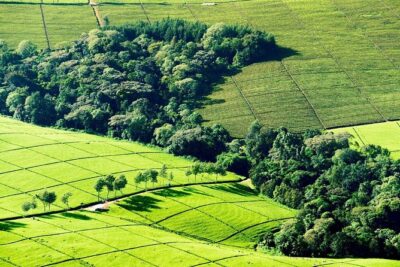
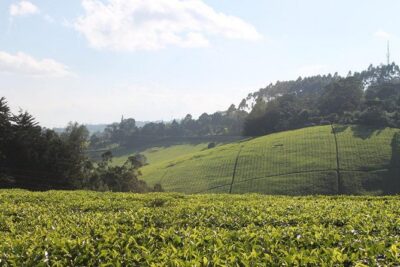
After the introduction, you can stroll through the gardens around the house and walk in the tea gardens. The estate also preserves a section of indigenous forest, much of which was cleared to make room for tea farms.
That forest walk gives the outing more variety than a simple plantation tour. You see the cultivated side of the estate, then move into an older natural area. The contrast helps explain the cost of agricultural expansion without turning the visit into a formal environmental lecture.
The forest is known for its colobus monkey population. You may catch glimpses of the monkeys from the garden or during the walk, but this is not a guaranteed wildlife sighting. Keep that distinction in mind. The experience offers a chance to see them, not a safari-style promise that they will appear on cue.
The colobus monkeys are an especially appealing feature for anyone who wants a small wildlife element without spending a full day in a national park. You still get a farm visit and a meal even if the animals stay out of sight.
Wear something suitable for walking and expect the visit to move between garden paths, tea-growing areas, and forest. The supplied information does not specify trail conditions, so comfortable footwear is the sensible choice. You should also allow time to pause and look around rather than treating the walk as a fast transfer from one activity to the next.
A completely different kind of day out from Nairobi:
- Nairobi National Park Half-Day Tour; Free Wi-Fi connection
★ 5.0 · 878 reviews - Nairobi: National Park & Optional Elephants & Giraffe Center
★ 4.8 · 874 reviews - NAI NAMI: Nairobi Storytelling Tour with Street Children
★ 5.0 · 792 reviews - Nairobi National Park Half-Day Game Drive
★ 4.5 · 738 reviews
A three-course lunch made from local produce
The tour ends with a relaxed three-course lunch. Ingredients are freshly sourced, and much of the produce is locally sourced. This is more than a convenient meal attached to the tour. It is part of the farm-to-table character that makes the visit feel connected to its setting.
I like that lunch comes after the history and walks. You have time to settle into the place before sitting down, and the meal gives the outing a calm finish rather than sending you straight back to Nairobi after the forest.
Lunch and afternoon tea at Kiambethu Estate are included. The inclusion makes the price easier to understand, especially when combined with private transport from Nairobi and an English-speaking guide. Personal expenses, extra drinks, telephone calls, tips, insurance, laundry, communication charges, and souvenir photos are not included.
The food is described as fresh and locally sourced, but a detailed menu is not provided. If you have dietary needs, ask about them when booking rather than assuming the menu can be changed. The tour information confirms a three-course lunch, not the exact dishes or beverage choices.
This meal also gives you a chance to slow down. Nairobi can be noisy and busy, and the farm visit works partly because it changes the pace of the day. The lunch is not an afterthought. It is the point at which the house, gardens, tea, and family story come together.
Is $125 a fair price?
At $125 per person, Kiambethu is best judged as a full guided day component rather than a basic farm admission ticket. You are paying for hotel pickup and drop-off, an English-speaking professional guide, the farm visit, the history talk, tea, homemade biscuits, a three-course lunch, the tea gardens, and the forest walk.
That package offers reasonable value if you want a planned outing and do not want to negotiate separate transport from Nairobi. The meal and afternoon tea also reduce the number of extra costs during the day.
The value is weaker if your main goal is to see large numbers of animals or watch a detailed tea factory production line. Neither is the central promise here. The attraction is the combination of family ownership, settler history, cultivated tea, preserved forest, possible colobus sightings, and food.
The group maximum of 100 is worth considering. A large group could make the price feel less satisfying if you expect an intimate private-house visit. Before booking, I would check the expected group size if that matters to you.
Group discounts are offered, which may help if you are booking with family or friends. The experience is also booked about nine days ahead on average, so leaving it until the last minute may not be wise if your Nairobi schedule is tight.
Who will enjoy this farm visit most?
I would recommend Kiambethu to you if you enjoy places that explain how people, crops, and local history connect. It suits visitors who prefer a gentle cultural outing to a packed schedule of monuments and vehicle rides.
It is also a good fit for:
- People who want a break from Nairobi without arranging their own transport
- Anyone interested in Kenya’s settler past and tea industry
- Food-focused visitors who value a fresh, three-course lunch
- Families and groups looking for an easy guided day outside the city
- Nature lovers who would enjoy a forest walk and a chance to see colobus monkeys
- Visitors who appreciate a traditional house and garden setting
The tour may be less suitable if you want a very small group, a strenuous hike, or guaranteed wildlife viewing. It also may not be the best choice for someone who only wants to taste tea and return quickly. The schedule gives the farm time to tell its story.
Most people can participate, according to the tour information. Still, the walk includes gardens, tea areas, and indigenous forest, so you should consider your own comfort with walking and ask the operator if you need more detail about the paths.
Practical details before you book
The experience does not operate on Mondays, Christmas Day, or New Year’s Day. The start time is 9:30am for pickup, with arrival at the estate around 11am.
Confirmation is provided when you book, and mobile tickets are available. Free cancellation applies when you cancel at least 24 hours before the local start time. Cancellations or changes made inside that 24-hour window are not accepted for a refund.
Bring room in your schedule for the return journey. The advertised six-hour duration is approximate, and transport time forms part of the day. Pickup and drop-off are available from a Nairobi hotel or residence, which is convenient, but you should give accurate accommodation details when arranging the booking.
An English-speaking professional guide is included. The guides are described as experienced in African wildlife, culture, and tour guiding, while the farm welcome is handled by Marcus and Fiona. That combination gives you both a local estate story and a broader cultural explanation.
My verdict on Kiambethu Tea Farm
Kiambethu earns its strong 4.9 rating from the way it brings several modest pleasures together. The setting is beautiful, the family welcome feels distinctive, and the visit gives you more than a quick cup of tea. Marcus and Fiona, the homemade biscuits, the tea gardens, preserved forest, possible colobus monkeys, and three-course lunch create a day with a clear sense of place.
The main weakness is the cost, especially if the group is large or your main interest is wildlife. You are paying for a carefully arranged cultural and food experience, not a low-cost plantation entry or a full safari.
I would book this tour if you have a free day in Nairobi and want history, countryside, tea, and lunch in one organized outing. I would skip it only if you need a private, small-group experience or want guaranteed animal sightings. For a slower day with a family story at its center, Kiambethu is a thoughtful choice.
FAQ
How long is the Kiambethu Tea Farm tour?
The experience lasts approximately six hours. The farm visit itself is listed at about four hours, with the remaining time covering transport from Nairobi.
What time does pickup begin?
The listed start time is 9:30am. Arrival at Kiambethu Tea Estate is around 11am.
Is hotel pickup included?
Yes. Pickup from your Nairobi hotel or accommodation and drop-off at your hotel or residence are included.
Is lunch included?
Yes. The tour includes a three-course lunch and afternoon tea at Kiambethu Estate. Homemade biscuits and tea are served when Marcus and Fiona welcome you.
Can I see colobus monkeys?
The farm gardens and preserved indigenous forest are known for their colobus monkey population. Sightings are possible, but the tour information does not guarantee that you will see them.
Does the farm tour operate every day?
No. Kiambethu is closed every Monday, Christmas Day, and New Year’s Day.
What is the cancellation policy?
You can cancel at least 24 hours before the experience’s local start time for a full refund. Cancellations or changes made less than 24 hours before the start time are not accepted for a refund.
More Farms
- Coffee Farm Village & Factory Half Day Tour with Pick-Up
★ 5.0 · 33 reviews - Private Day Trip to Kiambethu Tea Farm in Limuru from Nairobi
★ 5.0 · 31 reviews - Nairobi: Guided Coffee Farm Tour with Tastings
★ 5.0 · 24 reviews - Day Tour To Kiambethu Tea Farm in Limuru
★ 5.0 · 22 reviews
More Lunch Experiences
- Nairobi City Walking Tour with Traditional Kenyan Lunch
★ 5.0 · 106 reviews - Nairobi: Tea Farm Day Trip with Lunch at kiambethu
★ 4.0 · 21 reviews - The Carnivore Restaurant Experience in Nairobi: Lunch or Dinner
★ 4.5 · 21 reviews - Nairobi City Orientation Guided Tour with Lunch at Carnivore
★ 4.6 · 20 reviews
Just added around Nairobi
- Nairobi: Giraffe Center, Elephant Orphanage and Bomas Tour★ 5.0 · 3 reviews
- Nairobi: Airport and Hotel Private Transfers.★ 4.0 · 3 reviews
- Kitengela Anselm Hot Glass tour★ 4.5 · 3 reviews
- 11-Days Best of Kenya & Tanzania Big 5 Safari on a 4×4 Jeep★ 5.0 · 3 reviews
- 12-Day Tsavo west Amboseli lake Nakuru Maasai Mara safari★ 5.0 · 3 reviews
- NAIROBI NATIONAL PARK AFTERNOON GAME DRIVE.★ 5.0 · 3 reviews
- Nairobi Down Town & Walking City Tour★ 4.8 · 3 reviews
- Carnivore Resturant Dinner Experience★ 4.0 · 3 reviews
Coffee & Tea Farm Tours, compared.
Coffee Farm Village & Factory Half Day Tour with Pick-Up
Read our review →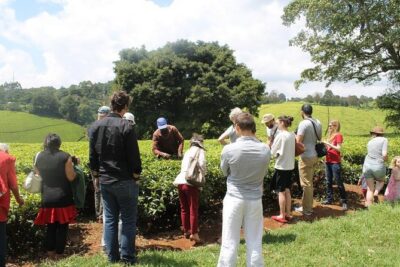
Private Day Trip to Kiambethu Tea Farm in Limuru from Nairobi
Read our review →
Browse the lists this tour appears in