
Reviewed · GIRAFFE CENTRE VISITS
giraffe feeding
Giraffes come close enough for a gentle greeting. This three-hour outing from Diani Beach offers two clear pleasures: feeding and touching giraffes and walking among animals in a small conservation sanctuary. I also like the easy hotel pickup, multilingual guiding, and included park fees. The main concern is value, since the $115 price can feel high for roughly two hours inside the sanctuary.
The experience begins at 10:00 and usually reaches Bora Bora Wildlife Sanctuary after a short drive of about 15 to 20 minutes. Guides such as Adam and Kelvin have earned warm praise for being helpful and friendly, while language support is available in English, French, German, Polish, Spanish, and Italian. Still, the outing may finish before 13:00, so check the actual time you will spend at the park.
In This Review
- Key points to know before booking
- A short morning from Diani Beach
- First stop: the sanctuary briefing
- Walking among giraffes, zebras and warthogs
- Ostriches, peacocks and other wildlife
- What the guide adds to the visit
- Is $115 per person fair?
- Who will enjoy this most?
- Practical tips for a smoother visit
- Should you book the giraffe feeding?
- FAQ
- Where does the giraffe feeding experience take place?
- How long does the experience last?
- What animals can I see?
- Can I feed all the animals?
- Is hotel transportation included?
- Which languages are available for the guided tour?
- Are food and drinks included?
Key points to know before booking
- Giraffe feeding is the main event: The closest and most memorable animal encounter is with the giraffes, where you can feed them and take photographs.
- A compact 31-acre sanctuary: You walk through a small wildlife center rather than a large open safari park.
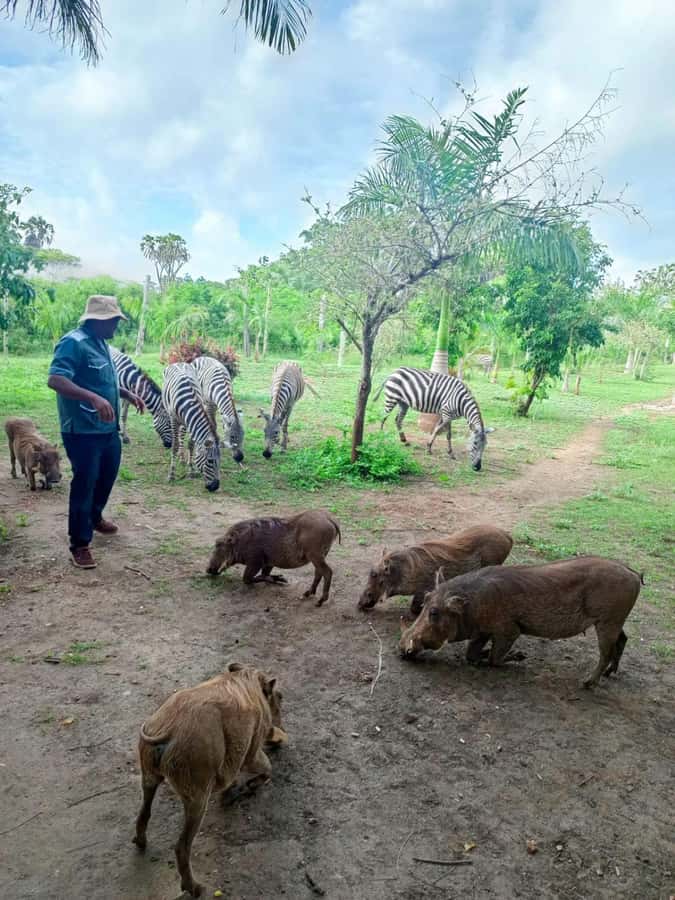
- Several animals in one visit: The route may include zebras, warthogs, monitor lizards, wild boars, hinge-backed tortoises, peacocks, Maasai ostriches, buffaloes, and Nile crocodiles.
- Hotel transfers are included: Pickup and return within the Diani Beach area make this simple if you do not want to arrange local transport.
- Actual feeding can vary: The advertised experience includes several animals, but some outings focus mainly on giraffes and ostriches, with zebras seen or touched rather than fed.
- Price is the big question: You are paying for convenience, a guide, transfers, and language help, but the cost may not suit anyone seeking a longer safari.
A short morning from Diani Beach
The day starts with pickup from your hotel or booked accommodation at 10:00. The drive to Bora Bora Wildlife Sanctuary is short, normally around 15 to 20 minutes, which is useful if you want an animal experience without giving up most of your beach day.
That short transfer is one of the tour’s practical strengths. You do not need to find the sanctuary, negotiate with a tuk tuk driver, or arrange a vehicle to wait while you walk around. The return transfer is included too, along with park fees, government taxes, and the guide.
Transport quality may vary. One person described the vehicle as low, hot, and difficult to see out of, with fans and air conditioning not working well on the return ride. That may not be every vehicle, but it is worth keeping in mind, especially for the warm midday journey back to the coast.
You may also arrive earlier than expected. The advertised schedule runs from 10:00 to 13:00, but one outing ended with a hotel return around 11:50. If you have a lunch booking or another activity later, that early finish helps. If you are paying for three hours and expect a full morning, it can feel disappointing.
More Giraffe Centre visits:
- Nairobi: National Park & Optional Elephants & Giraffe Center
★ 4.8 · 874 reviews - Elephant Orphanage and Giraffe Center Tour with Options
★ 4.5 · 457 reviews - Nairobi National Park, Elephant Orphanage and Giraffe Centre
★ 4.6 · 365 reviews
First stop: the sanctuary briefing
On arrival, you check in and receive a short introduction to the 31-acre sanctuary. This briefing explains the site’s background and the role of conservation before the walking portion begins.
The size matters. You are not entering a vast national park with long drives and a chance of spotting animals at a distance. Bora Bora Wildlife Sanctuary is a compact place where the animals are easier to see and the encounters are more direct.
That makes the visit especially suitable for families, children, photographers, and anyone with only a short stay at Diani Beach. You spend less time riding around and more time looking at animals from close range.
The trade-off is authenticity. Many of the animals are in managed enclosures or a controlled sanctuary setting, not roaming freely across a huge natural area. If your main goal is a classic Kenyan safari with wide open spaces and unpredictable sightings, this will feel like a different kind of outing.
I would think of it as a wildlife encounter and conservation visit, not as a substitute for a full safari.
Walking among giraffes, zebras and warthogs
The guided walk takes about two hours, although the exact length appears to vary. Your guide leads you around the sanctuary, points out the animals, and explains why conservation work matters.
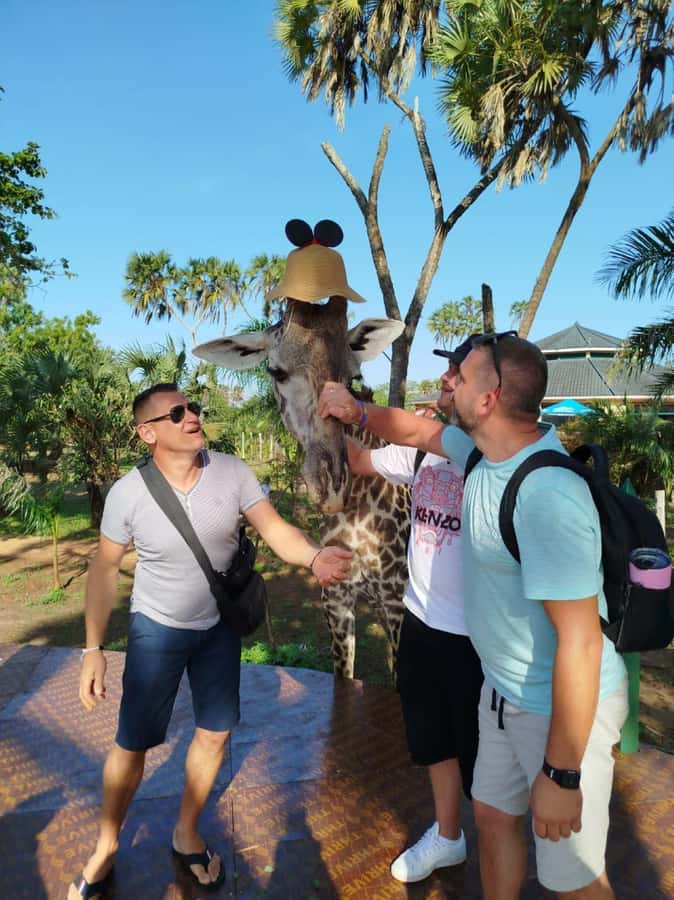
The giraffes are the clear highlight. You can feed them, get close for photographs, and in some cases gently touch them. The feeding experience is simple but effective: the animals’ height, patterned coats, and calm presence make the encounter memorable even if you have seen giraffes from a safari vehicle before.
Several people particularly enjoyed the chance to stroke and feed the giraffes. If that is your main reason for booking, the tour has a strong chance of delivering the moment you want.
The zebras add another close-range encounter. The experience description includes feeding them, but the actual animal interactions are not always identical. On one visit, the main feeding involved the giraffes and ostrich, while the zebras were available to touch. I would treat the full list as the sanctuary’s animal collection, not a promise that you will feed every species.
Warthogs, wild boars, monitor lizards, and hinge-backed tortoises may also appear along the route. These smaller animals help break up the giraffe focus and give the walk more variety. They are not as dramatic as the tall giraffes, but they show you a wider range of African wildlife.
The guide’s role is important here. A good guide turns a simple walk into a useful lesson by identifying animals and answering questions. French, German, Spanish, Italian, Polish, and English guiding is offered, which can make the visit easier for families or couples who prefer not to rely on English.
Ostriches, peacocks and other wildlife
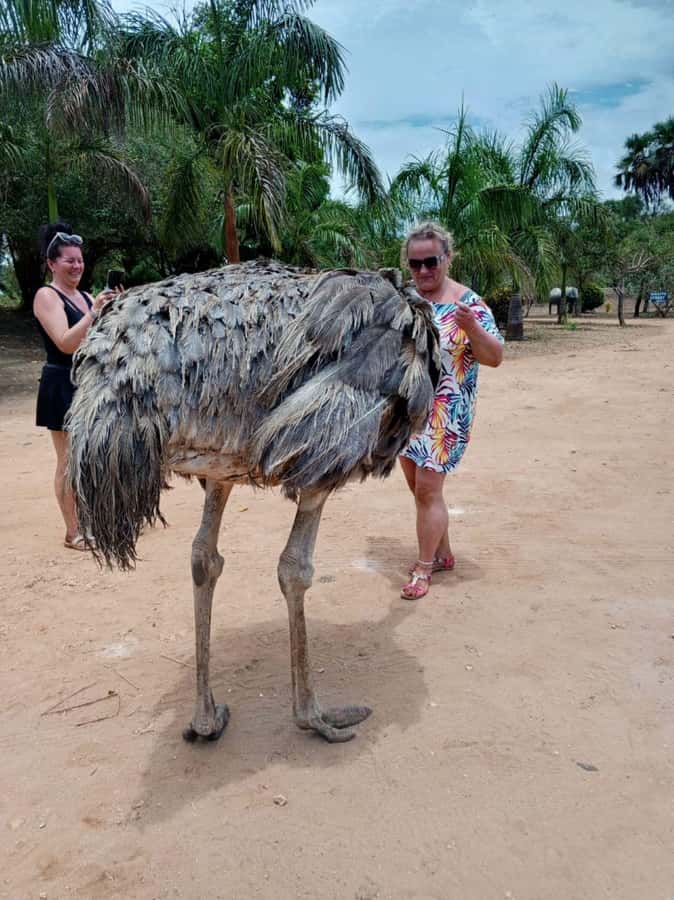
The sanctuary also provides a chance to see Maasai ostriches and peacocks. Ostriches are particularly interesting because their size and behavior are easier to appreciate on foot than from a moving vehicle.
The Maasai ostrich is a memorable sight, but do not assume the same feeding sequence every time. Animal interaction depends on the guide, timing, and what is available during your visit. The giraffe encounter is the safest reason to book, while the ostrich and zebra moments are welcome additions.
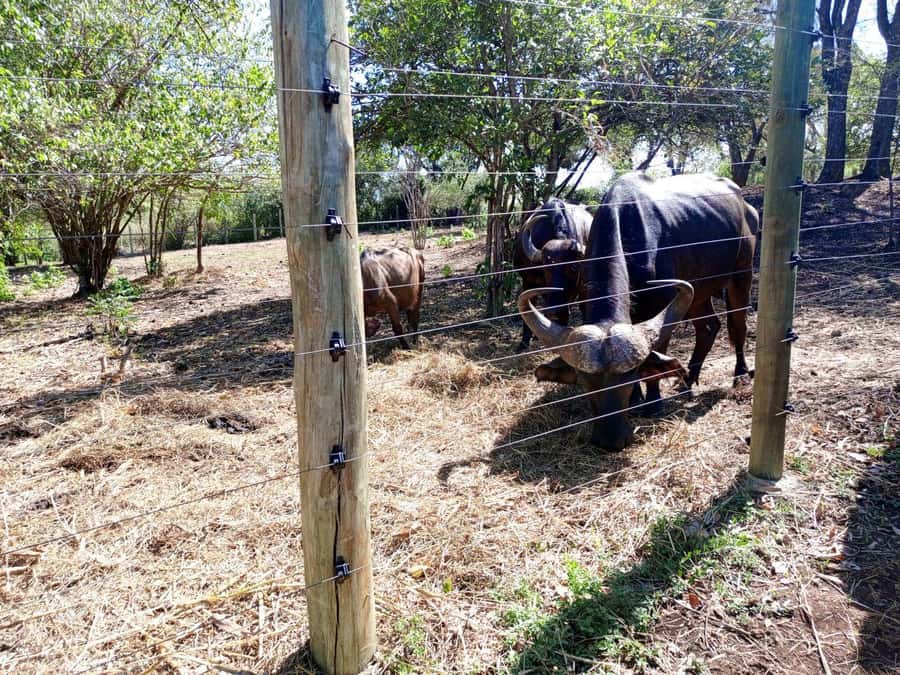
The stated animal list also includes Cape buffaloes and Nile crocodiles. These add variety, but the supplied details do not promise a particular viewing distance, length of time, or special presentation for them. You may see them as part of the guided walk rather than receive a separate activity built around each species.
That distinction is useful. The tour gives you a broad introduction to animals in the sanctuary, but it is not a three-hour sequence of individual animal shows. Some stops will be brief, and the main focus remains the giraffes.
A few more trips worth weighing up
- PILLI PIPA DHOW, the genuine product, snorkeling tour to Kisite Marine Park
★ 4.5 · 217 reviews - Full-Day Special Wasini Island Tour with Snorkeling and Lunch
★ 4.5 · 184 reviews - Full Day Dolphin Watching with Snorkeling in Wasini
★ 5.0 · 88 reviews - Diani Beach: Glass Boat Cruise to Robinson Island
★ 4.6 · 69 reviews
What the guide adds to the visit
The tour is fully guided inside the sanctuary. Your guide helps you follow the route, identifies animals, and answers questions. Language support is offered in six languages, which is a real advantage if you want more than a quick photo stop.
The individual service can be a strong point. Adam and Kelvin were praised for being kind and helpful during pickup and return, while another outing had a friendly French-speaking guide. A guide also helped translate questions into German on one visit.
In some cases, the local sanctuary guide leads the actual walk, with the tour guide translating or assisting. That arrangement can work well, especially when the translation is clear and the guide stays engaged.
One caution is that the quality of explanations may depend on the individual guide. A short walk through a small sanctuary needs good commentary to feel worthwhile. If the guide is active and informative, you learn more about the animals and conservation. If the guiding is brief, the visit can feel like a series of animal photo stops.
There was also one complaint about pressure to buy items during the outing. I would not treat that as part of the core animal experience, but it is a reason to be firm and polite if you do not want to purchase anything. The best version of this tour keeps the focus on the animals and the conservation setting.
Is $115 per person fair?
At $115 per person, this is not a cheap short excursion. The fee covers hotel transfers within Diani Beach, park entry, government taxes, and guiding. It also buys convenience and the chance to book a multilingual service rather than arranging everything locally.
Those inclusions have real value. If you are staying at Diani Beach, you can be collected from your accommodation, enjoy the walk, and return without sorting out transport. For a family with limited time, that ease may justify paying more.
Still, the numbers deserve a close look. The paid experience lasts about three hours from pickup to return, with around two hours at the sanctuary in the planned schedule. Some outings have finished closer to two hours total. At that price, a short visit can feel expensive, especially if the vehicle is uncomfortable or the guide offers limited explanation.
Local self-arranged transport may cost less. One direct comparison put sanctuary entry at about 2,000 Kenyan shillings per adult, with a tuk tuk arranged to wait for roughly 3,000 Kenyan shillings, followed by the possibility of adding a guide. Exact local prices can change, and arranging this yourself may be less convenient, but the comparison shows why the package price may raise questions.
I would pay the premium if you value hotel pickup, language support, and a simple booking process. I would look for a cheaper local arrangement if you are comfortable organizing a tuk tuk and do not need a private transfer package.
Food and drinks are not included. Since the outing is short, this is not a major problem, but bring water or arrange it at your hotel before departure.
Who will enjoy this most?
This experience suits you if you want a close animal encounter without committing to a full-day safari. It works well for families, first-time visitors to Kenya, photographers seeking close giraffe portraits, and beach visitors who want a morning activity.
It is also a good match if you care more about direct contact and easy access than about seeing animals in a large natural area. The giraffe feeding gives you a clear, memorable focus, and the rest of the walk adds variety.
You may want to skip it if you expect an expansive safari, long viewing time, or animals moving freely across open country. The sanctuary is only 31 acres, and the visit may feel contained.
I would also think twice if price matters more than convenience. The high cost is the most consistent weakness, and the shorter-than-expected duration can make the value feel thin.
Practical tips for a smoother visit
Wear light clothing and comfortable shoes for the walking route. The tour involves about two hours on foot inside the sanctuary, so sandals that are fine for the beach may not be ideal.
Keep your camera ready for the giraffe feeding. This is the moment most likely to become the highlight of your morning, and you will want both portrait shots and wider pictures showing the animal’s full height.
Ask at pickup how long you are expected to remain at the sanctuary. The planned return is around 13:00, but earlier finishes have occurred. Knowing the likely timing helps you judge the price and plan lunch.
If you need a particular language, confirm it when booking. English, French, German, Polish, Spanish, and Italian are listed, but the exact guide available on a given day may differ.
Bring water, since drinks are not included. Also keep a little flexibility in your schedule rather than booking another activity immediately after 13:00.
Cancellation is flexible: you can cancel up to 24 hours before the activity for a full refund. You can also reserve and pay later, which helps if your beach plans are still changing.
Should you book the giraffe feeding?
Book it if your priority is feeding giraffes near Diani Beach with minimal fuss. The short transfer, included fees, multilingual support, and friendly guides such as Adam and Kelvin make the outing easy. The giraffe encounter is genuinely appealing, and the zebras, ostriches, warthogs, tortoises, and birds give the walk more than one point of interest.
Do not book it expecting a full safari or automatic feeding of every animal listed. The sanctuary is compact, the schedule may finish early, and $115 per person is a serious price for a short managed wildlife visit.
My advice is simple: choose this package for convenience and the close giraffe contact. If you are comfortable arranging your own tuk tuk and guide, compare that cost first. For a beach holiday with limited time, the tour can be worthwhile, but only if you accept that the giraffe encounter is the main attraction.
FAQ
Where does the giraffe feeding experience take place?
It takes place at Bora Bora Wildlife Sanctuary in Kenya’s Coast Province, about 15 to 20 minutes by vehicle from Diani Beach.
How long does the experience last?
The planned duration is three hours, with pickup at 10:00 and a return around 13:00. Some outings have ended earlier, so the actual time can vary.
What animals can I see?
The sanctuary may include Maasai giraffes, zebras, African warthogs, monitor lizards, wild boars, hinge-backed tortoises, Maasai ostriches, peacocks, Cape buffaloes, and Nile crocodiles.
Can I feed all the animals?
The experience includes opportunities to feed giraffes, zebras, warthogs, monitor lizards, wild boars, and hinge-backed tortoises, but the exact interactions can vary. Some visits focus mainly on giraffes and ostriches, with zebras available to touch.
Is hotel transportation included?
Yes. Pickup and return transfers are included for hotels and booked accommodation within the Diani Beach area.
Which languages are available for the guided tour?
Live guiding is available in English, French, German, Polish, Spanish, and Italian.
Are food and drinks included?
No. Food and drinks are not included in the $115 price, so arrange them separately.
Just added around Diani Beach
- Overnight Safari to Tsavo East with Pick Up From Mombasa★ 5.0 · 3 reviews
- Mombasa: Snorkeling, Dolphin watching, seafood lunch.★ 4.5 · 3 reviews
- 1 Day Red Elephant Safari starting from Diani beach.★ 5.0 · 3 reviews
- Kaya Kinondo Sacred Forest Guided Tour★ 4.4 · 3 reviews
- Mombasa City Tour – Fort Jesus, Old Town, Spice Town & Craft★ 5.0 · 3 reviews
- 4-Day Safari to Tsavo and Amboseli from Diani Beach★ 5.0 · 3 reviews
- Diani: Wasini Island Dolphin Watching and Snorkeling Tour★ 4.2 · 3 reviews
- (2 Days, 1 Night) Day & Night Game Drive Tsavo East National Park★ 5.0 · 3 reviews
Giraffe Centre Visits, compared.
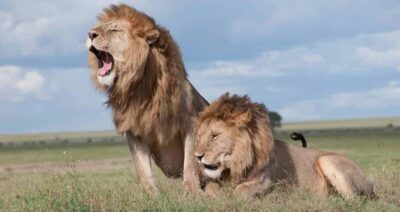
National Park & Optional Elephants & Giraffe Center
Read our review →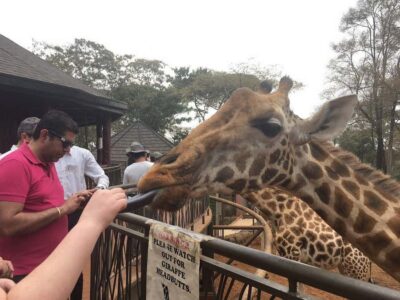
Elephant Orphanage and Giraffe Center Tour with Options
Read our review →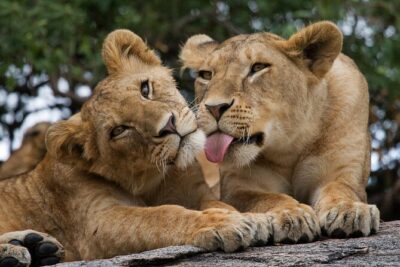
Nairobi National Park, Elephant Orphanage and Giraffe Centre
Read our review →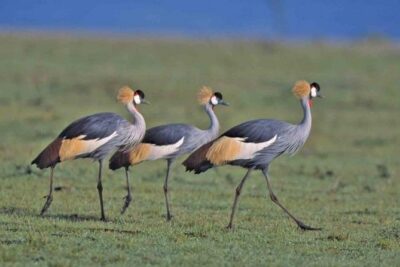
Tour: Giraffe Center and Nairobi National Park
Read our review →
Day tour to Giraffe Center and Karen Blixen Museum
Read our review →Browse the lists this tour appears in