
Reviewed · CANOES & KAYAKS
Diani: Sunset Canoe Tour along the River with Mangroves
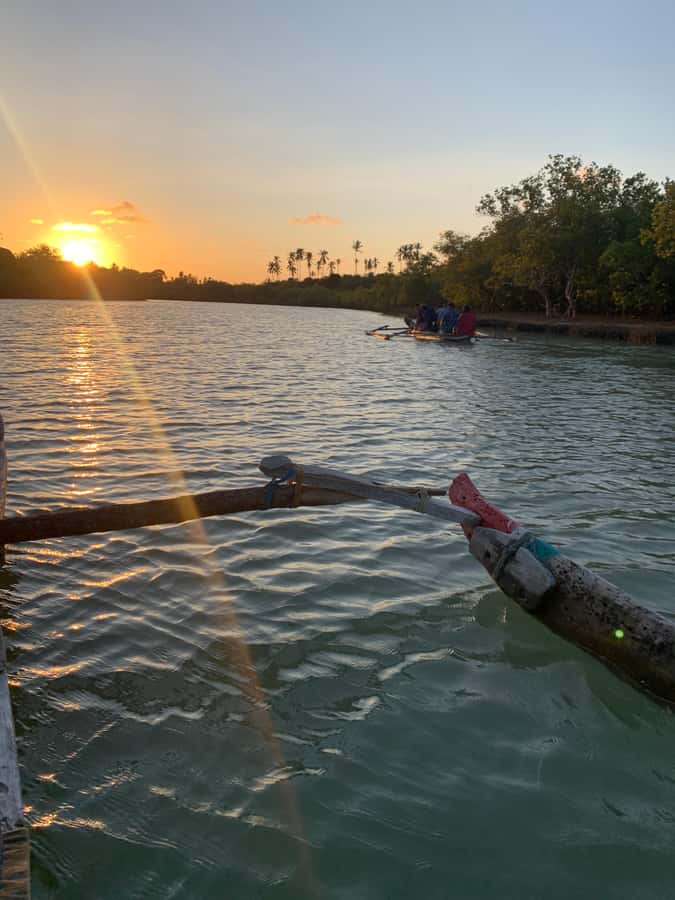
The river turns golden at dusk. I like the quiet, human-powered canoe and the chance to learn about mangroves, birds, and village life from Omari, a local guide who cares deeply about this place. The main consideration is simple: you must arrange your own transport to Kongo Mosque, and the canoe trip is best suited to people comfortable with basic outdoor conditions.
This is a small-scale Diani experience rather than a polished boat cruise. You help support a local captain, community projects, and mangrove planting while spending two gentle hours on the water. Bring sandals, sun protection, a waterproof bag, and your own drink or snack, since there is no mention of refreshments being provided.
In This Review
- Key points to know before you go
- A quiet side of Diani at Kongo Mosque
- Paddling where the river meets the sea
- Why Omari makes the difference
- Mangroves, birds, crabs, and local life
- The sunset stop at Kongo River Beach
- A low-impact outing with a real purpose
- What to bring for a comfortable trip
- Who will enjoy this canoe trip most?
- Price, timing, and practical value
- Should you book the Diani sunset canoe tour?
- FAQ
- How long does the Diani sunset canoe tour last?
- Where does the canoe tour start?
- Is transport to Kongo Mosque included?
- Who guides the canoe tour?
- What should I bring?
- Can I cancel or pay later?
Key points to know before you go
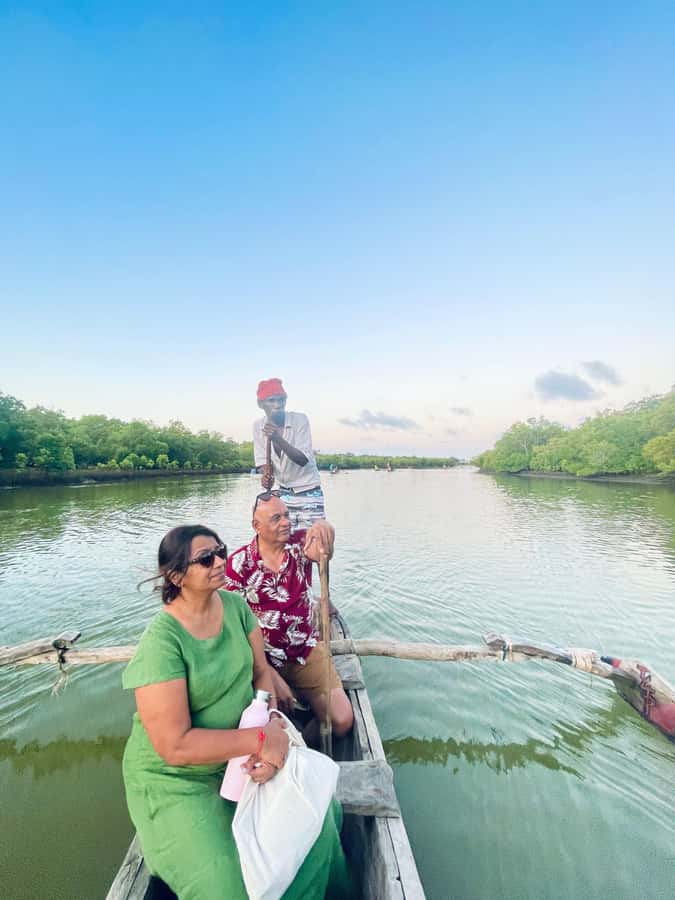
- The canoe has no engine: Your captain rows, and you can help paddle if you wish, so the trip is quiet and free of fuel fumes.
- Omari is the heart of the experience: His local knowledge covers mangrove plants, birds, animals, river life, and the people who live nearby.
- Sunset is part of the timing: The route includes time at Kongo River Beach to watch the light fade over the creeks.
- Birdwatchers should bring patience: Previous outings have produced sightings of birds, crabs, fish, and reptiles.
- Your money stays close to home: Local canoe hire, captain wages, mangrove planting, and community support are built into the experience.
- The meeting point is Kongo Mosque: Go to the barrier leading into the parking area at Kongo River, and ask for Omari if needed.
A quiet side of Diani at Kongo Mosque
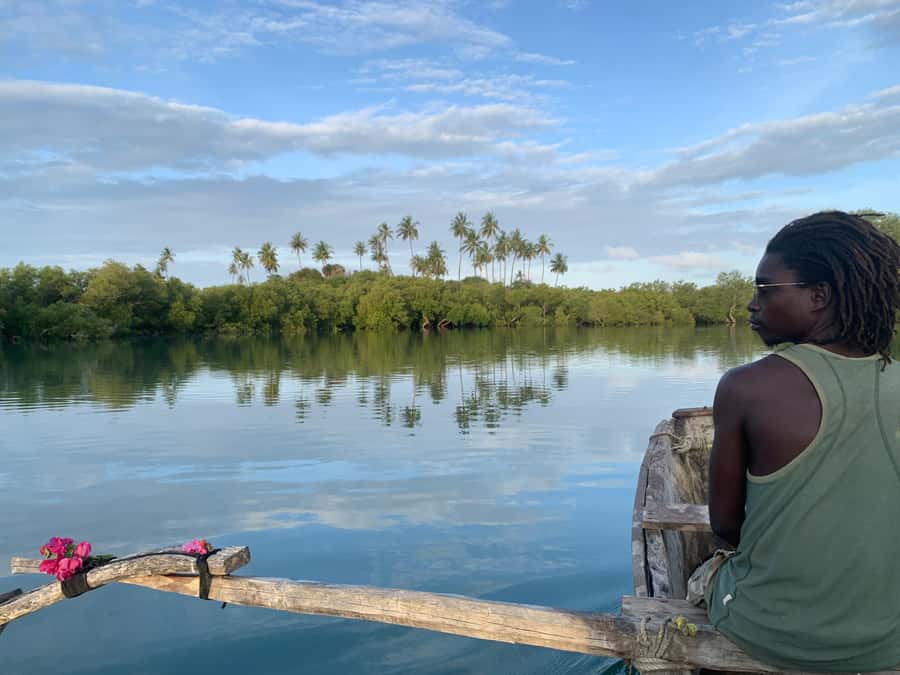
Diani is famous for its beach, but this outing takes you toward the meeting point of river and sea. You begin at Kongo Mosque, a useful landmark near Kongo River Beach. The instructions are practical: go to the barrier leading into the parking area and ask for Omari, who is known in the area.
That local connection matters. You are not simply being put into a canoe and sent along a waterway. The guide is from the surrounding area and speaks English and Swahili. His role combines captain, naturalist, storyteller, and local contact.
I like the lack of fuss here. There is no engine noise, no exhaust drifting across the water, and no promise of a grand production. You arrive at a beach, meet a local guide, and begin a slow trip through the creeks.
Give yourself enough time to reach Kongo Mosque. Transport to and from the starting point is not included, so you need to arrange that part yourself. The meeting instructions are clear, but you should not expect a hotel pickup unless you organize it separately.
A few more trips worth weighing up
- Diani Beach: Kongo River Sunset Experience in a canoe
★ 4.4 · 31 reviews - Diani: Sunset Cruise along Kongo River on Wooden Canoe boat
★ 4.6 · 20 reviews - Sunset Canoe Tour on a River within the Mangroves
★ 4.5 · 12 reviews
Paddling where the river meets the sea
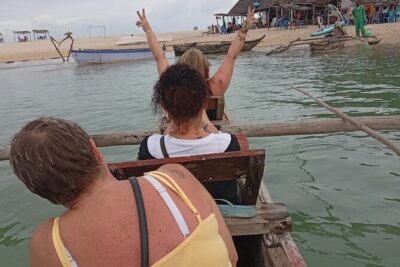
The canoe is powered by human effort. The captain rows, and you can take a turn if you wish. That makes the trip feel close to the water and gives you time to notice details that are easy to miss from a motorboat.
A quiet canoe also suits the setting. Mangrove creeks are places for listening. You might hear birds before you see them, notice crabs near the muddy edges, or spot fish and reptiles in the water. The exact sightings will depend on the tide, light, weather, and a little luck, so this is not a guaranteed wildlife checklist.
The route is guided for about two hours. The schedule includes time at Kongo River Beach for sunset, with the light changing over the mangrove channels. The sunset portion is listed as about 30 minutes, giving you a chance to stop watching the clock and simply enjoy the view.
I would think of this as a gentle nature outing, not a demanding paddling trip. The canoe moves at an easy pace, and the guide handles the main work. Still, you should be ready for an open-air activity around water, with no promise that you will stay completely dry or perfectly comfortable at every moment.
Why Omari makes the difference
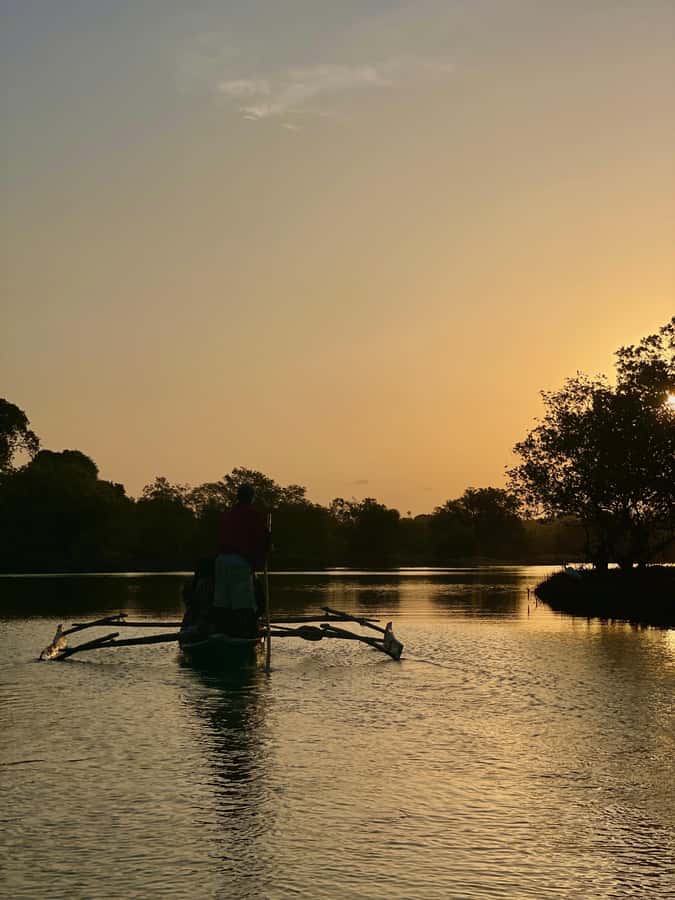
The strongest part of this experience is the guide. Omari is especially focused on protecting the mangroves around his home, and that concern shapes the way he presents the area.
You can ask about plants, birds, animals, the river, and local life. His knowledge is not limited to a short speech at the start. He has answered detailed questions, helped with photography, and taken care to position people for better sunset pictures.
That last point is useful if you carry a camera. One outing focused on bird photography, and Omari made a special effort to help the photographer get satisfying views. Another person appreciated that he took several nice pictures during the trip. You should still bring your own phone or camera, but you may also find the guide willing to help with photos.
The experience works best when you speak with him. Ask questions. Point out a bird or plant. Tell him if you want to focus on photography, local culture, or the sunset. A guide with a personal connection to the area can give the same route a lot more meaning.
Mangroves, birds, crabs, and local life
Mangroves are more than attractive trees beside the water. Their tangled roots create shelter for small creatures and help protect the shoreline. The canoe route gives you a close view of this ecosystem, while the guide explains how plants and animals fit into it.
You may see birds along the creeks, along with crabs, fish, and reptiles. One nature-focused outing produced an impressive range of sightings, but conditions will vary. Do not book this expecting a wildlife park with guaranteed appearances. Book it because you want time in a natural area and enjoy paying attention.
The cultural side is just as important. The route passes near villages that rely on the area for income, and the trip includes a chance to meet local people. This does not turn the outing into a formal village tour. Instead, it gives you a glimpse of the communities connected to the river.
I appreciate that the cultural element is tied to real local work. The canoe and captain are hired locally, and the money can support employment, healthcare, and education. You are not only purchasing scenery. You are helping keep a community-based activity in use.
A completely different kind of day out from Diani Beach:
- PILLI PIPA DHOW, the genuine product, snorkeling tour to Kisite Marine Park
★ 4.5 · 217 reviews - Full-Day Special Wasini Island Tour with Snorkeling and Lunch
★ 4.5 · 184 reviews - Full Day Dolphin Watching with Snorkeling in Wasini
★ 5.0 · 88 reviews - Diani Beach: Glass Boat Cruise to Robinson Island
★ 4.6 · 69 reviews
The sunset stop at Kongo River Beach
The sunset is the visual payoff, but it is not the whole reason to book. After the quiet route through the creeks, the changing light gives the water, trees, and sky a softer appearance.
The schedule includes around 30 minutes at Kongo River Beach for sunset. That time is valuable for photographs, but it also creates a natural pause. You can have a drink or small snack, both of which you should bring yourself, and watch the final light without rushing back immediately.
Sunset times change through the year, and the exact departure time depends on availability. Check the available start times when booking. The point is to reach the right section of the river as the day fades, not to follow a fixed morning or midday schedule.
Your best photos may come after the sun has dropped rather than at the exact moment it touches the horizon. The soft afterglow can last, and Omari may help you stay in a good position until the light is gone. Bring a waterproof bag for your camera and other valuables.
A low-impact outing with a real purpose
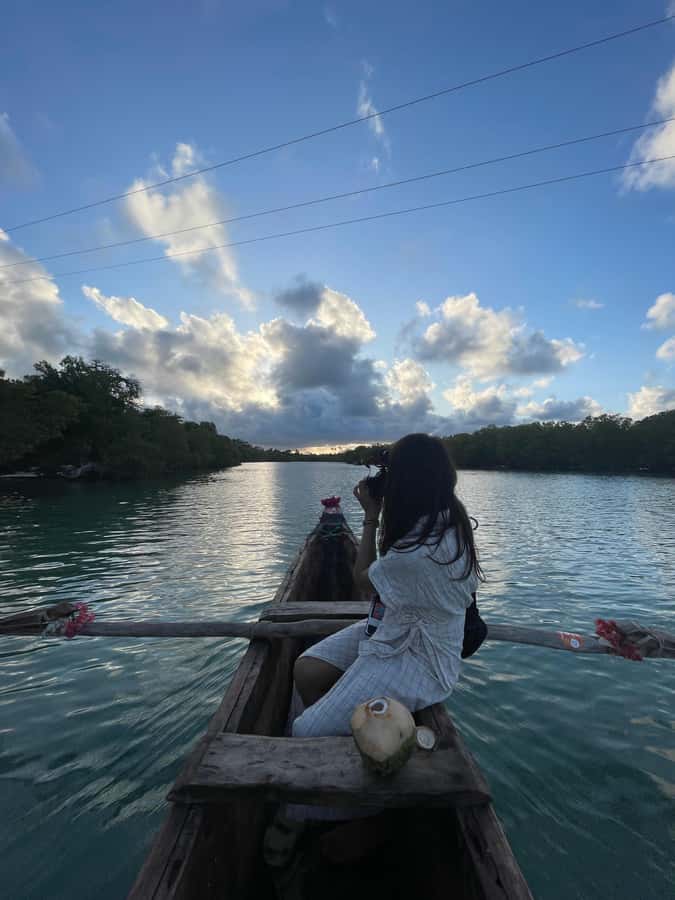
The canoe uses no engine. That is good for the sound of the experience and better for the water than a fuel-powered boat. You hear the paddle and the natural sounds around you instead of an engine working through the creeks.
The activity also includes mangrove planting. The information provided does not explain the exact planting procedure or how many trees each person plants, so you should treat it as a practical conservation element rather than a full restoration workshop.
The wider impact is clear. Villages near this area rely on income from the river and mangroves, and the trip supports a local captain and canoe hire. Funds can also help with healthcare, employment, and education.
For me, that makes the $28 price easier to understand. You are paying for a two-hour guided outing, but the value is not only measured in minutes on the water. You receive local interpretation, a cultural connection, sunset time, and a direct contribution to a community-based activity.
It is still fair to keep expectations in check. This is not a luxury cruise with meals, hotel transport, or a large crew. You pay less because the experience is simple. For people who value local contact and a quiet setting, that simplicity is the point.
What to bring for a comfortable trip
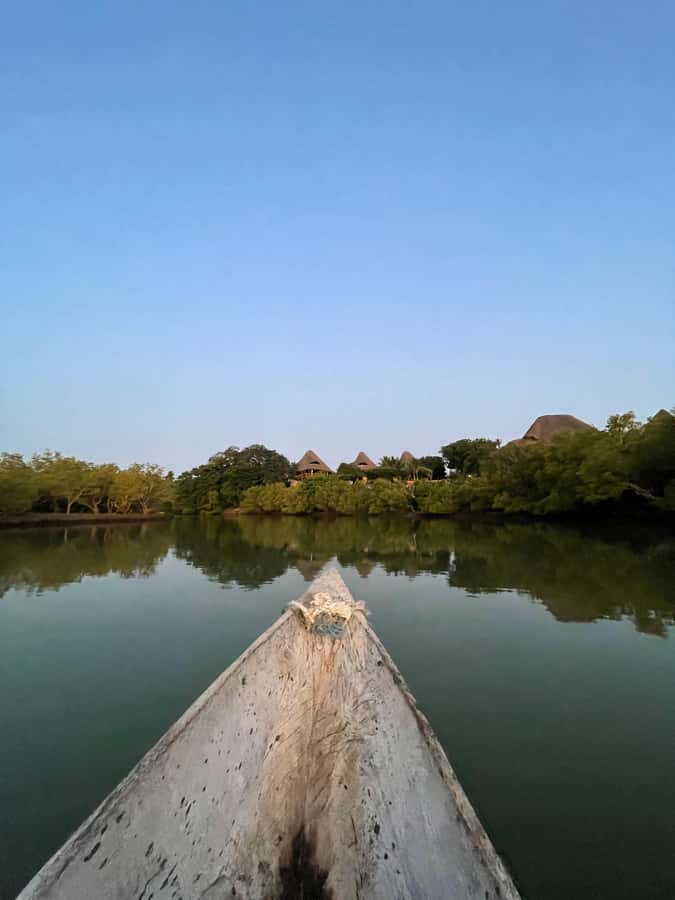
Wear comfortable clothing and sandals or shoes that are easy to remove. The advice to bring removable footwear suggests that you may need to deal with sand, shallow water, or a beach launch.
Pack sunscreen even if the tour begins late in the day. The sun can remain strong before sunset, and there may be little shade while you wait or paddle.
A waterproof bag is especially important. Keep phones, cameras, wallets, and other items protected from splashes and damp surfaces. Bring your own drinks and snacks if you want them, since they are not included.
I would also bring a small camera cloth and avoid carrying more than you need. A canoe has limited space, and a quiet trip is easier to enjoy when you are not managing a large bag.
The activity is not suitable for people over 80. Everyone joins at their own risk, and the organizer accepts no responsibility for accidents, injuries, or lost items. That makes sensible footwear, careful handling of valuables, and honest consideration of your comfort important.
Who will enjoy this canoe trip most?
Couples get a peaceful sunset setting without the formality of a dinner cruise. The quiet water, shared canoe, and fading light make this a natural choice for a relaxed evening.
Families and friends may enjoy the small sense of adventure. You can help row, look for wildlife, and ask questions about the river. The activity is not described as a children’s program, though, so adults should judge whether younger members of their group are comfortable around water and outdoor conditions.
Solo visitors also have a good reason to consider it. The trip is calm, and Omari’s knowledge gives you plenty to talk about. If you like nature photography or learning about local ecology, you may find the two hours especially rewarding.
Birdwatchers should bring patience and realistic expectations. The area can produce birds, crabs, fish, and reptiles, and Omari has strong knowledge of the local species. Sightings are never guaranteed, but the guide can help you notice more than you would on your own.
This is less suitable if you want speed, luxury, or a tightly packaged sightseeing schedule. It also may not suit anyone who dislikes basic boats, sand, changing weather, or being responsible for personal belongings.
Price, timing, and practical value
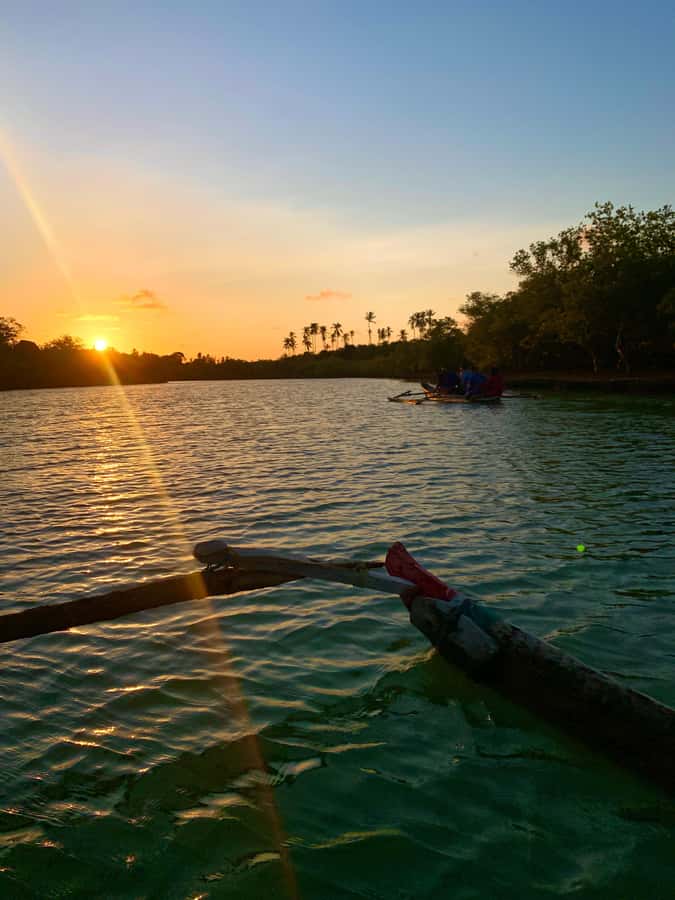
At $28 per person, this is a modestly priced outing for Diani. The fee includes the guided canoe tour, local guide and captain, sunset sailing, mangrove planting, cultural contact, and teaching about history, birds, and the ecosystem.
Transport is the main extra cost. You need to get to Kongo Mosque and return from there. Since no group size or transfer price is provided, I would confirm your transport plan before booking.
The duration is two hours, with the sunset stop listed at roughly 30 minutes. Check the available starting times because the best experience depends on reaching the river at the right time of day.
The booking terms are flexible. You can cancel up to 24 hours before the activity for a full refund, and you can reserve now and pay later. Those terms help if your Diani plans are still moving around.
The overall rating is 4.8 from 65 reviews, and the praise is remarkably consistent around three points: Omari’s friendly care, his strong nature knowledge, and the peace of the river. That pattern tells you where the value lies. The guide and setting matter more here than equipment or luxury.
Should you book the Diani sunset canoe tour?
Book it if you want a quiet, local experience that links nature, community, and sunset in one short outing. The strongest reasons are Omari’s personal connection to the mangroves, the no-engine canoe, the chance to learn about birdlife, and the direct support for local people.
I would especially recommend it to couples, solo nature lovers, families with a sense of adventure, and anyone who wants a slower evening away from the main beach scene. Bring a drink, a snack, removable footwear, sunscreen, and a waterproof bag.
Skip it if you need hotel transport, guaranteed wildlife sightings, or a polished cruise with food and formal facilities. For everyone else, $28 buys a thoughtful two hours on the water and a better understanding of a part of Diani that many people never see.
FAQ
How long does the Diani sunset canoe tour last?
The activity lasts two hours. The schedule includes about 30 minutes at Kongo River Beach to watch the sunset.
Where does the canoe tour start?
You meet at Kongo Mosque, by the barrier leading into the parking area at Kongo River. Ask for Omari if you need help finding the meeting point.
Is transport to Kongo Mosque included?
No. Transport to and from the starting location is not included, so you need to arrange your own way there and back.
Who guides the canoe tour?
The guide and captain is Omari, a local guide who speaks English and Swahili and has strong knowledge of the mangroves, birdlife, animals, plants, and local area.
What should I bring?
Bring sandals or shoes that are easy to remove, sunscreen, comfortable clothes, a waterproof bag, and your own drinks or snacks if you want them.
Can I cancel or pay later?
You can cancel up to 24 hours in advance for a full refund. You can also reserve your place and pay later.
Just added around Diani Beach
- Overnight Safari to Tsavo East with Pick Up From Mombasa★ 5.0 · 3 reviews
- Mombasa: Snorkeling, Dolphin watching, seafood lunch.★ 4.5 · 3 reviews
- 1 Day Red Elephant Safari starting from Diani beach.★ 5.0 · 3 reviews
- Kaya Kinondo Sacred Forest Guided Tour★ 4.4 · 3 reviews
- Mombasa City Tour – Fort Jesus, Old Town, Spice Town & Craft★ 5.0 · 3 reviews
- 4-Day Safari to Tsavo and Amboseli from Diani Beach★ 5.0 · 3 reviews
- Diani: Wasini Island Dolphin Watching and Snorkeling Tour★ 4.2 · 3 reviews
- (2 Days, 1 Night) Day & Night Game Drive Tsavo East National Park★ 5.0 · 3 reviews
Canoes & Kayaks, compared.
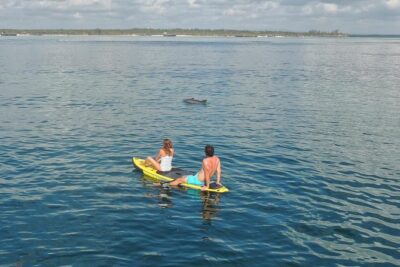
Watamu Marine Park & Sudi Island Mangrove Forest Canoe Ride.With sea food lunch
Read our review →
Sunset Cruise along Kongo River on Wooden Canoe boat
Read our review →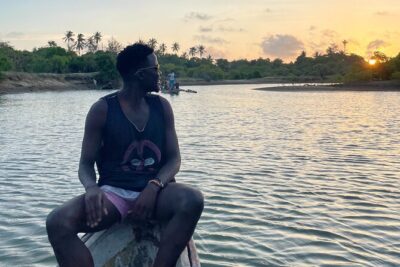
Sunset Canoe Tour on a River within the Mangroves
Read our review →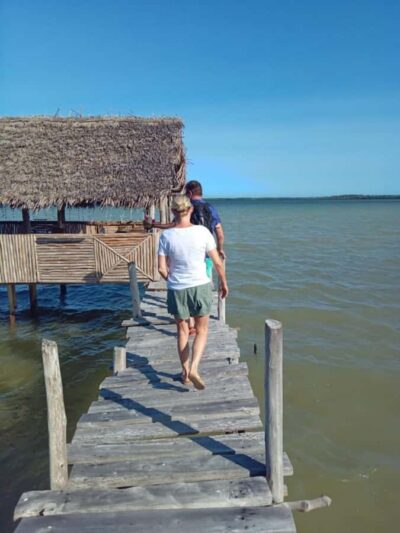
Browse the lists this tour appears in