
Reviewed · NAIROBI TOURS
Cook and enjoy African meals with Moreen
Come hungry, leave connected. This Nairobi food experience combines a local market visit with a cooking lesson at Moreen Imari’s home, giving you a close look at Kenyan food from shopping basket to dining table. I like the chance to choose fresh ingredients in a real neighborhood market, and I like that the meal is prepared and eaten in a homely family setting rather than a formal cooking studio.
Moreen’s lively hosting is another strong point. She explains the background of the food while you work, and the meal can include Kenyan favorites such as ugali, pilau, sukuma wiki, and chapati. The main consideration is practical: transportation is not included, and the experience is not suitable for wheelchair users or people with mobility impairments.
In This Review
- Key details before you book
- Starting near Nairobi’s local market
- Shopping for the meal in Kayole
- Arriving at Moreen’s home
- Learning the stories behind Kenyan dishes
- The hands-on cooking session
- Sitting down to eat together
- What $59 gets you
- Who will enjoy this experience most
- Practical planning for a smoother day
- Is Cook and Enjoy African Meals with Moreen worth booking?
- FAQ
- Where does the experience take place?
- What food can I expect to cook?
- Can I request a specific meal?
- Is transportation included?
- What is included in the $59 price?
- What languages does Moreen speak?
- Can I cancel for a refund?
Key details before you book
- Shop in Kayole: You meet Moreen near a local market in Nairobi, with Kayole identified as the market district.
- Cook in a family home: After shopping, you travel to Moreen’s home for the preparation and meal.
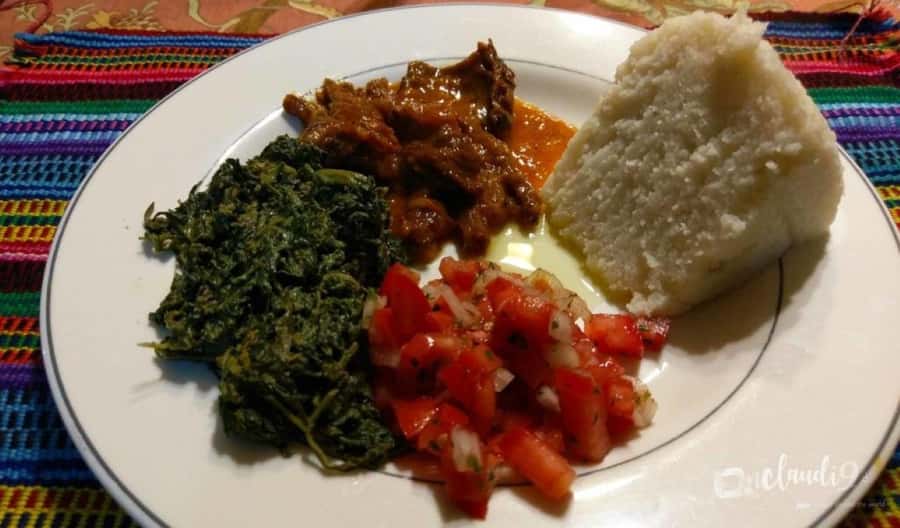
- Expect classic Kenyan dishes: Ugali, pilau, sukuma wiki, and chapati have all been part of the menu.
- Ask about food preferences: Moreen is happy to accommodate special requests when possible.
- Plan for a full day: The experience includes meeting, market shopping, travel, cooking, and eating.
- Budget $59 per person: Soda, fruit, water, the host, and cooking lessons are included, but transportation is not.
Starting near Nairobi’s local market
The day begins at a central meeting point in Nairobi, where you meet Moreen before heading by car to the market. The market is described as being in the Kayole district, giving you a chance to see a part of Nairobi beyond the usual sightseeing route.
This first stage matters because the ingredients are not simply laid out for you in a classroom. You help select what will go into the meal. You can look at the produce, handle the shopping, and see how everyday Kenyan cooking begins with what is available locally.
I like this approach because it gives the food a clear setting. A dish such as sukuma wiki is more meaningful when you have just helped choose the greens. Chapati feels less like a restaurant side dish when you have seen the ingredients being gathered for a shared meal.
The market visit also gives you a natural way to talk with Moreen. She can explain the ingredients as you shop and help you understand which foods are common in Kenyan homes. The supplied information does not promise a guided history of every market stall, so you should think of this as practical food shopping with local context, not a formal market lecture.
A few more trips worth weighing up
- Nairobi National Park Half-Day Tour; Free Wi-Fi connection
★ 5.0 · 878 reviews - Nairobi: National Park & Optional Elephants & Giraffe Center
★ 4.8 · 874 reviews - NAI NAMI: Nairobi Storytelling Tour with Street Children
★ 5.0 · 792 reviews
Shopping for the meal in Kayole
The shopping portion is flexible according to the meal you choose. You select the ingredients needed for that meal, then continue to Moreen’s home once the market visit is complete.
That flexibility is useful if you already know there is a particular Kenyan dish you want to learn. Felix and his wife had a menu that included ugali, pilau, sukuma wiki, and chapati, while Moreen was also willing to consider special requests. If you have a strong preference, mention it before or at the start of the activity so the cooking plan can be arranged around it.
You should also keep your expectations sensible. This is not described as a food tour with tastings at many stalls. The market serves the cooking class, so its main purpose is to help you buy the ingredients for your meal.
The experience may appeal to you if you prefer ordinary local life to polished tourist displays. You are not only watching Kenyan food being made. You are seeing the first practical step, choosing the food that will later appear on the table.
Arriving at Moreen’s home

After the market, you travel to Moreen’s home for the cooking session. The setting is an apartment shared with her family, and the atmosphere is one of the experience’s biggest strengths.
That home setting changes the tone. You are not standing behind a demonstration counter while an instructor does everything. You are welcomed into a family space and given the chance to take part at your own pace. You can help with the cooking whenever you want, which makes the class suitable for curious beginners as well as people who already cook.
Moreen’s family may also be part of the day. Felix specifically enjoyed spending time with Moreen, her husband, and the wider family. Julia likewise found the family welcoming, and Valerie felt included as part of the household.
For me, this is the heart of the experience. The dishes matter, but so does the shared table at the end. A cooking class in a private home can feel more personal than a standard group lesson, though it also means you should be comfortable with a less formal setting.
Learning the stories behind Kenyan dishes
Moreen talks about the food while you prepare it, including the origins of the ingredients and dishes. The information provided does not give a fixed script or a detailed history lesson, so expect conversation woven into the cooking rather than a long presentation.
That informal style can be a plus. You learn while chopping, stirring, shaping, and cooking. Food history becomes connected to something you can smell and taste, not just something you hear and forget.
The possible menu includes several important Kenyan staples:
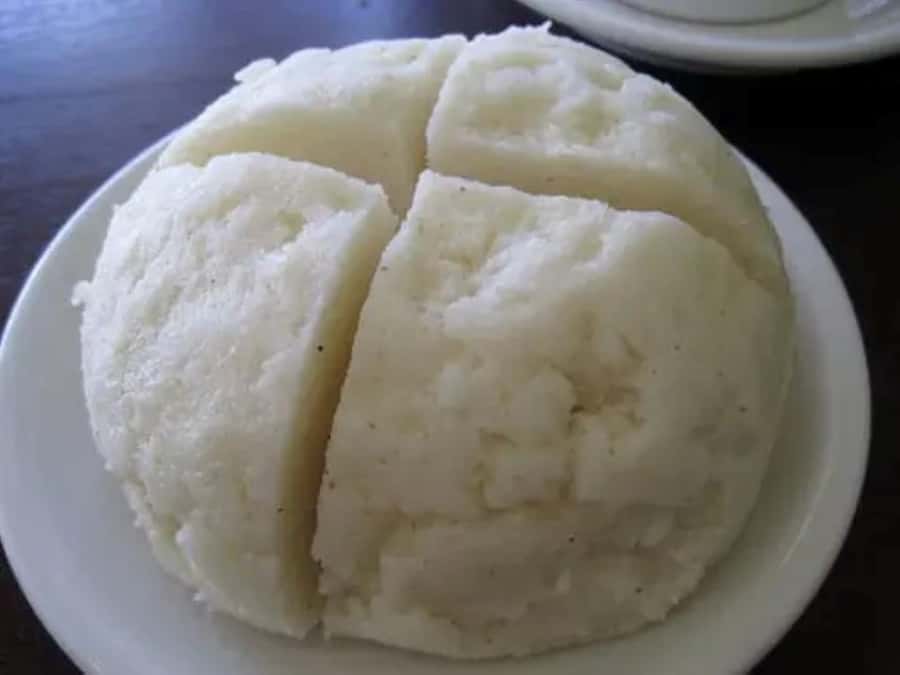
- Ugali: A firm maize-based dish often served as an accompaniment.
- Pilau: A seasoned rice dish with fragrant spices.
- Sukuma wiki: Cooked leafy greens commonly served with other foods.
- Chapati: Flatbread prepared as part of the meal.
The exact dishes may depend on your chosen meal and the available ingredients. You should not assume that every listed dish will appear every time, but these foods show the kind of cooking you may learn.
I especially like that the meal is not reduced to one famous dish. A plate with ugali, pilau, greens, and chapati lets you experience different textures and cooking methods. It also gives you a better sense of how a Kenyan home meal can come together.
A completely different kind of day out from Nairobi:
- Nairobi National Park Half-Day Game Drive
★ 4.5 · 738 reviews - Nairobi: Historic and Modern Highlights Walking Tour
★ 4.8 · 703 reviews - Safari Tour; Nairobi National Park
★ 4.5 · 594 reviews - 3 Days Masai Mara Group Joining
★ 5.0 · 486 reviews
The hands-on cooking session
The cooking is designed as a shared activity. Moreen guides you through the preparation, explains what you are doing, and lets you assist as much as you like.
That last point is important. Some cooking classes are really demonstrations with a token stirring job. Here, the supplied details indicate that you can take an active role during the preparation. You may find the work simple at times, but that is part of the value. Everyday cooking is often built from basic techniques repeated with care.
The class should suit you if you like learning by doing. It is less ideal if you want a tightly timed professional kitchen lesson or a polished culinary performance. The family-home format favors conversation, participation, and comfort over speed.
The cooking also offers a useful way to ask questions. You can ask Moreen about an ingredient as you use it, or about the role of a dish on the table. Since she speaks English and Swahili, English-speaking visitors have a clear way to follow the lesson.
Sitting down to eat together
Once the food is ready, you eat together at the dining table in Moreen’s apartment. This shared meal is more than a final reward for finishing the cooking. It is where the day’s separate parts come together.
You have visited the market, chosen the ingredients, prepared the dishes, and then tasted the result in the same household. That sequence makes the meal feel earned and personal.
The food is described as delicious, and the strongest praise centers on both taste and company. Valerie enjoyed the cooking and the people. Julia found the meal memorable and the family especially welcoming. Felix described the food as delicious and valued the interaction with the whole family.
The included refreshments are simple but useful: soda, fruit, and water are provided. They add to the meal without suggesting that this is a formal restaurant lunch with a long drinks menu. If you have dietary requirements, the activity details do not spell out a policy, so ask Moreen before booking rather than assuming every request can be met.
What $59 gets you
At $59 per person, this experience is priced above a basic meal but includes much more than food. You are paying for Moreen’s time, the market visit, the cooking lesson, the ingredients selected for the meal, and the personal setting at her home. Local host services, water, fruit, soda, and cooking instruction are included.
The value is strongest if you care about contact with local life. You get a market stop, a lesson, and a shared meal in one day. You also receive context about the ingredients and dishes, which is difficult to get from simply ordering Kenyan food at a restaurant.
The price is less compelling if your only goal is to eat cheaply. A restaurant meal will cost less in many cases, and this experience requires a larger time commitment. You are paying for participation and connection, not just a plate of food.
Transportation is the main extra cost to plan for. A car ride is part of the day, but transportation itself is listed as not included. Confirm how you will reach the meeting point and how the travel between the market and home will be handled before you set your budget.
Who will enjoy this experience most
I would recommend this to you if you enjoy food, conversation, and ordinary neighborhood settings. It is particularly well suited to people who want to meet a local host and understand Kenyan cooking through direct participation.
It should also work well for couples. Felix and his wife appreciated the relaxed time with Moreen and her family, and the shared meal gives a couple plenty of space to enjoy the day together.
You may also like it if you are new to Kenyan cuisine. The menu can introduce you to several staples at once, while Moreen’s explanations help connect each dish to its ingredients and preparation.
This is not the right pick for every visitor. The experience is not suitable for wheelchair users or people with mobility impairments. The activity information also lists it as not suitable for people over 95 and separately for people over 70, so older visitors should confirm eligibility before booking. Sharp objects and weapons are not allowed, smoking indoors is prohibited, and explosive substances are forbidden.
Practical planning for a smoother day
Treat this as a full-day activity rather than a quick cooking class. The schedule includes meeting Moreen, traveling to the market, shopping, traveling to her home, preparing food, and eating together.
Wear clothing that allows you to move comfortably during cooking. The information does not provide a dress code, but a hands-on food session is better suited to practical clothes than anything formal.
If you have a dish in mind, raise the request early. Moreen has accommodated special meal requests, but the market shopping depends on what you decide to prepare. A clear conversation at the beginning can help avoid disappointment.
You can reserve now and pay later, which is helpful if your Nairobi plans are still changing. Cancellation is allowed up to 24 hours before the activity for a full refund. Those terms make it easier to fit the cooking day into a busy Kenya trip.
Is Cook and Enjoy African Meals with Moreen worth booking?
I would book this experience if you want a personal introduction to Kenyan food rather than a standard restaurant meal. The best parts are clear: shopping for ingredients in Kayole, cooking with Moreen, learning about the food as you work, and sitting down with her family afterward.
Book it with realistic expectations. This is a home-based food experience, not a formal culinary school. You will need to arrange for transportation, accept a less predictable family setting, and be comfortable with the mobility limits.
At $59 per person, the value comes from the complete day and the human contact. If you want food, family welcome, and a closer look at daily life in Nairobi, Moreen’s cooking session is a strong choice.
FAQ
Where does the experience take place?
The experience begins at a central meeting point in Nairobi, continues at a local market in the Kayole district, and finishes at Moreen’s home.
What food can I expect to cook?
Possible dishes include ugali, pilau, sukuma wiki, and chapati. The meal may depend on your choice and the ingredients selected at the market.
Can I request a specific meal?
Yes. Moreen is happy to accommodate special requests when possible. It is best to discuss your preference before the shopping and cooking begin.
Is transportation included?
No. Transportation is not included, although the experience involves a car ride to the local market and travel onward to Moreen’s home.
What is included in the $59 price?
The price includes local host services, cooking lessons, soda, fruit, and water.
What languages does Moreen speak?
Moreen speaks English and Swahili.
Can I cancel for a refund?
Yes. You can cancel up to 24 hours in advance for a full refund.
Just added around Nairobi
- Nairobi: Giraffe Center, Elephant Orphanage and Bomas Tour★ 5.0 · 3 reviews
- Nairobi: Airport and Hotel Private Transfers.★ 4.0 · 3 reviews
- Kitengela Anselm Hot Glass tour★ 4.5 · 3 reviews
- 11-Days Best of Kenya & Tanzania Big 5 Safari on a 4×4 Jeep★ 5.0 · 3 reviews
- 12-Day Tsavo west Amboseli lake Nakuru Maasai Mara safari★ 5.0 · 3 reviews
- NAIROBI NATIONAL PARK AFTERNOON GAME DRIVE.★ 5.0 · 3 reviews
- Nairobi Down Town & Walking City Tour★ 4.8 · 3 reviews
- Carnivore Resturant Dinner Experience★ 4.0 · 3 reviews
Nairobi Tours, compared.

Nairobi National Park Half-Day Tour; Free Wi-Fi connection
Read our review →
National Park & Optional Elephants & Giraffe Center
Read our review →
NAI NAMI: Nairobi Storytelling Tour with Street Children
Read our review →