
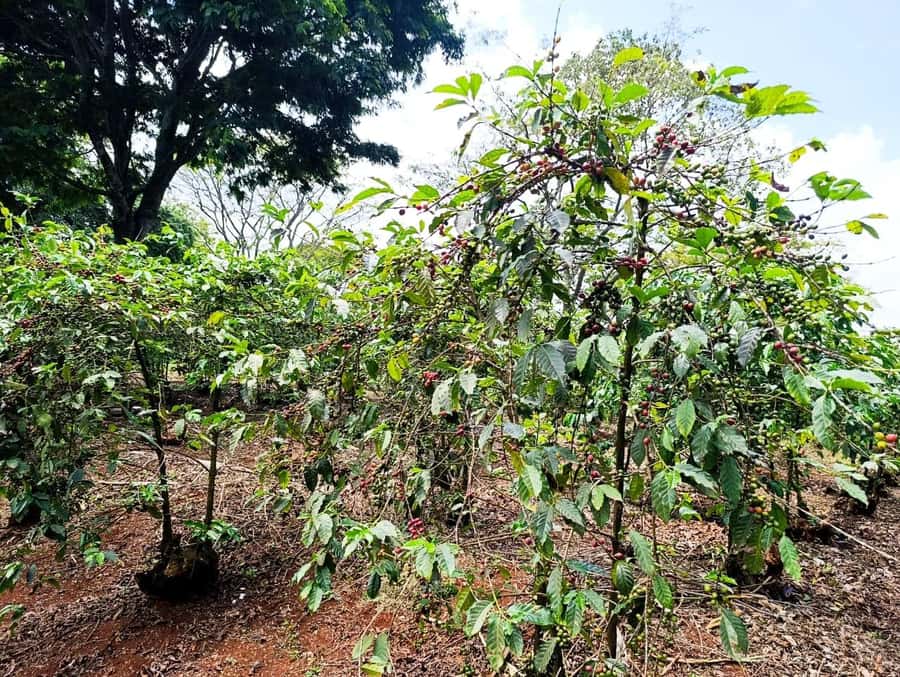
Reviewed · COFFEE & TEA FARM TOURS
Nairobi: Fairview Coffee Estate Tour with Pickup
Coffee tells a better story when you see where it begins. Fairview Coffee Estate gives you a close look at Kenyan coffee, from SL28 and Ruiru 11 plants to roasting your own beans over a wood fire. You walk through the farm, visit the wet and dry mills, taste several roast levels, and finish with local snacks on a scenic terrace.
I like the hands-on roasting most, since you do more than watch a guide explain the process. I also like the setting: Kiambu’s green highlands feel far removed from Nairobi’s traffic, yet the estate is close enough for a half-day outing. The main drawback is cost clarity. The advertised price is $38 per person, but the $30 entry fee is listed separately, so you should budget about $68 before personal purchases.
A second concern is the pickup service. One booking had a 90-minute delay, which caused the visitor to miss the scheduled group tour and face a choice between waiting three hours or paying $20 extra for a private visit. That is not a small inconvenience, so confirm your pickup time and keep the provider’s contact details handy.
In This Review
- Key things to know before you go
- Leaving Nairobi for the Kiambu highlands
- A Kenyan welcome with coffee and local snacks
- Walking among SL28 and Ruiru 11 coffee plants
- From coffee cherry to green bean at the mills
- Roasting beans over a traditional jiko
- Tasting roast levels with a cupping host
- Terrace views, fruit, pastries, and fresh juice
- Is $38 a fair price for this coffee tour?
- Who will enjoy Fairview most?
- Practical advice for a smooth visit
- Should you book the Fairview Coffee Estate tour?
- FAQ
- How long does the Fairview Coffee Estate tour last?
- How much does the tour cost?
- What does the tour include?
- Is the entry fee included?
- Can I roast my own coffee?
- Which coffee varieties can I see?
- When is the best time to visit?
- What should I bring?
- Is the experience wheelchair accessible?
Key things to know before you go
- You roast your own beans: The traditional firewood jiko makes this more physical and memorable than a standard coffee tasting.
- The farm grows SL28 and Ruiru 11: These are specific Kenyan coffee varieties, and the guide explains how they fit into local production.
- The tour covers both mills: You see the wet mill, where fresh cherries are processed, and the dry mill, where beans continue toward export and roasting.
- Harvest timing changes the experience: April to June and October to December are the best months for seeing coffee cherries and possibly helping with picking.
- A certified cupping host leads the tasting: You compare roast levels and learn to notice differences in aroma and flavor.
- The $30 entry fee is extra: Add it to the $38 tour price when working out the real cost.
Leaving Nairobi for the Kiambu highlands

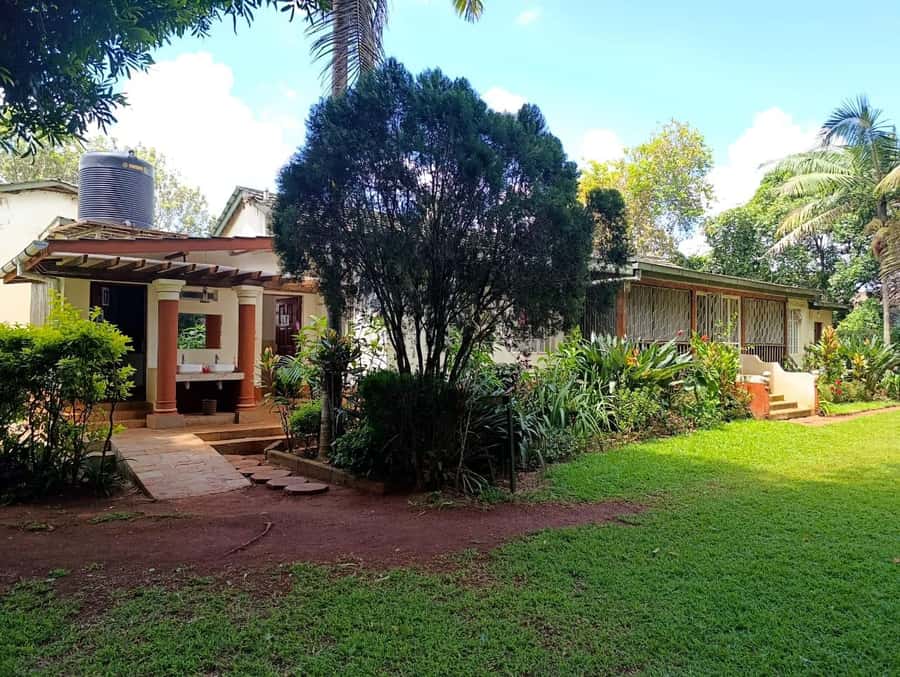
Fairview Coffee Estate makes sense as a break from central Nairobi. Pickup is offered from Kilimani, Kileleshwa, Parklands, Nairobi, Syokimau, Westlands, and Loresho, followed by drop-off in the same general group of areas.
The four-hour schedule includes transport, the farm visit, roasting, tasting, and time for snacks or shopping. The actual estate program is listed as roughly three hours, so the final timing depends on traffic and your pickup point. Nairobi roads can be slow, and a late vehicle can damage a short outing quickly.
That is why I would treat the pickup as part of the experience, not a minor detail. One visitor waited 90 minutes for the driver and missed the planned group session. The alternative was either a long wait for the next group or an additional $20 per person for a private tour. Ask for a firm pickup window before the day begins.
The estate sits at about 1,800 meters above sea level. You may notice the cooler highland air, but the altitude still makes hydration useful. Wear shoes with a firm sole, since the paths are walkable but may be uneven around the fields and processing areas.
More coffee & tea farm tours:
- Nairobi Coffee Farm and Factory Tour
★ 5.0 · 87 reviews - Coffee Farm Tour (Fairview)
★ 4.8 · 71 reviews - Nairobi: Coffee Factory and Farm Tour with Transfer
★ 4.5 · 60 reviews
A Kenyan welcome with coffee and local snacks
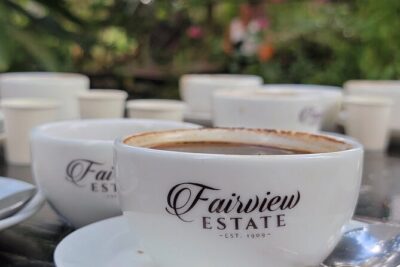
The visit begins with a fresh cup of coffee and small local sweet bites. This opening is simple, but it gives you a useful first taste before the guide starts explaining how the beans are produced.
The welcome also sets up an important point: Kenyan coffee is not one single flavor. Growing conditions, coffee variety, processing, drying, and roasting all affect what reaches your cup. The later tasting makes more sense because you have already seen the stages behind it.
A snack platter comes later, with local fruit, pastries, and fresh juice. It is a pleasant way to close the visit, especially since the tour lasts several hours. Still, this should not replace a proper meal in your daily plan. One visitor reported going most of the day without eating and then accepting the driver’s suggestion of a local restaurant on the return journey. The meal cost more than expected, and the driver reportedly ate without paying.
My practical advice is direct: plan your own meal and ask clearly about prices before accepting an unscheduled food stop. The estate’s included refreshments are part of the tour, but they are not presented as lunch.
Walking among SL28 and Ruiru 11 coffee plants
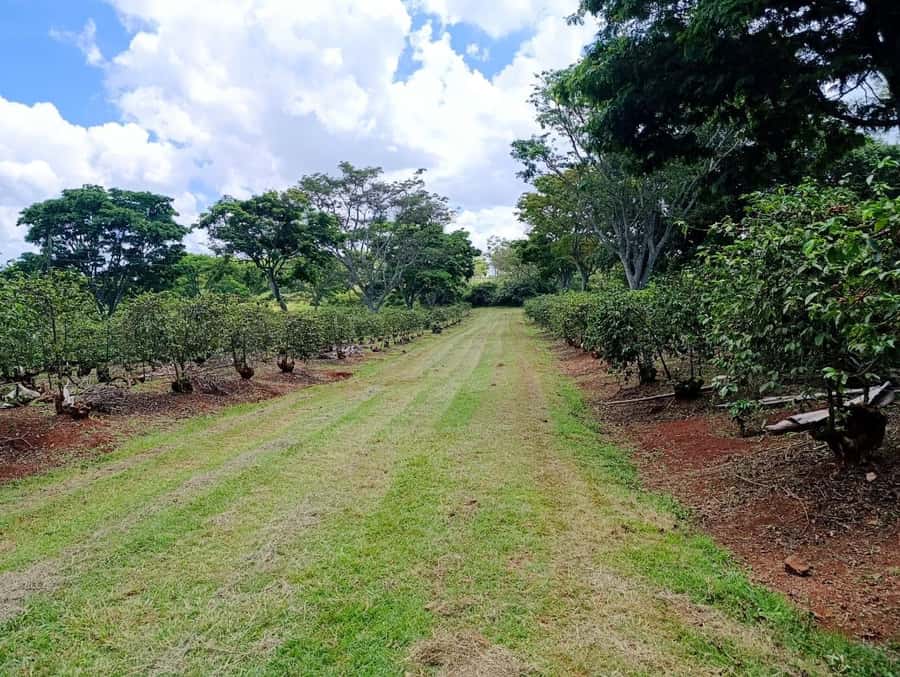
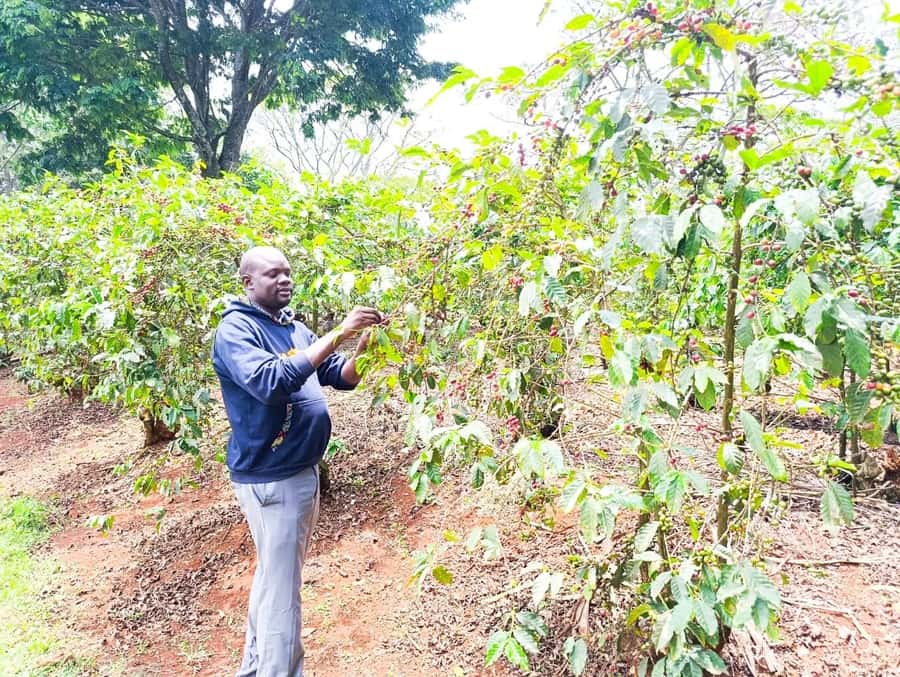
The farm walk is where the visit becomes more than a tasting session. You see rows of coffee plants and learn about seedling propagation, soil care, and cherry selection.
The focus on SL28 and Ruiru 11 gives the tour useful detail. You are not simply told that Kenya produces good coffee. You hear about actual varieties grown on the estate and how the crop begins as a carefully managed plant rather than a product that appears at the mill.
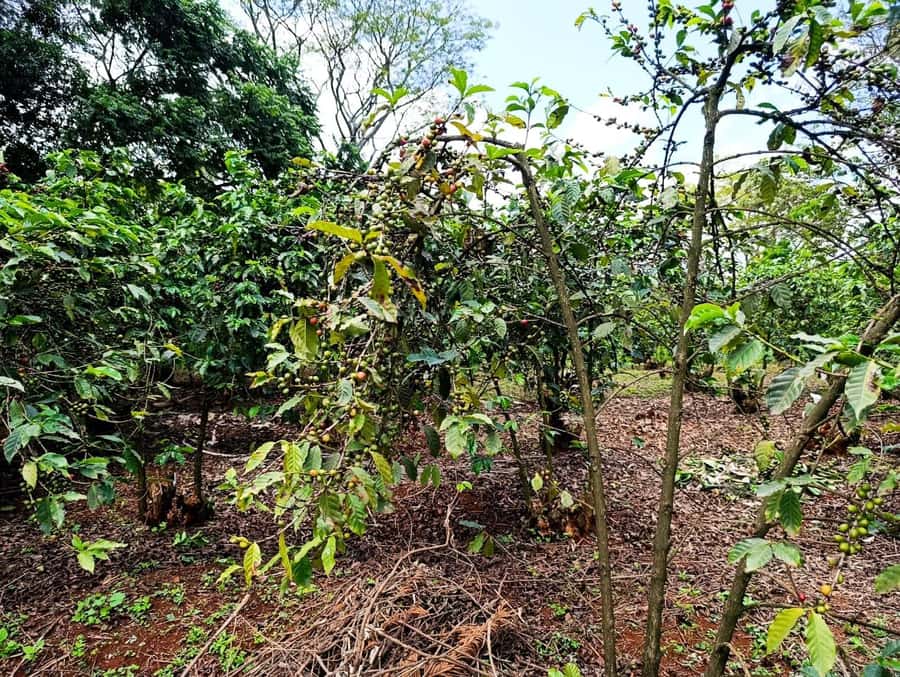
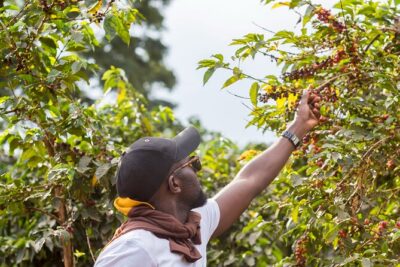
If cherries are in season, you may get a chance to handle the fruit or take part in some picking. The best months for this are April through June and October through December. Outside those periods, the farm walk still covers cultivation, but you should not expect rows full of ripe red cherries.
The guide also explains what makes a coffee cherry suitable for processing. This matters because selection affects the final cup. The walk is not strenuous in the sense of a hike, but you will spend time on your feet, so comfortable shoes and water are sensible.
James received particular praise for explaining how the plantation works. His approach included jokes and games, which helped keep the agricultural details from becoming a lecture. That sort of guide matters here because coffee production includes several technical steps that can blur together without clear explanations.
From coffee cherry to green bean at the mills
The wet and dry mills give the tour its strongest educational section. At the wet mill, you learn what happens shortly after cherries are picked. The fruit is pulped, then fermented and prepared for drying.
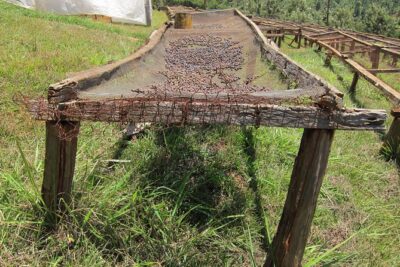
The raised drying beds are especially useful to see. They show that coffee processing continues long after picking. Beans must be handled and dried properly before they can move on to later stages.
The dry mill represents another part of the chain. Here, the processed coffee is prepared as a more stable green bean for storage, grading, and later roasting. Seeing both mills helps you understand why coffee production is not just picking fruit and putting it in a machine.
The estate experience does not promise that every machine will be running during your visit. Activity can depend on the crop calendar and the day’s work. Still, the guide uses the facilities to explain the process from cherry to bean.
This part is valuable for anyone who buys Kenyan coffee but has never considered the work behind its clean flavor. You begin to see how farming, fermentation, drying, milling, and roasting each leave a mark on the final drink.
A few more trips worth weighing up
- Coffee Farm Village & Factory Half Day Tour with Pick-Up
★ 5.0 · 33 reviews - Nairobi: Guided Coffee Farm Tour with Tastings
★ 5.0 · 24 reviews - Coffee farm tour, coffee roasting and tasting experience
★ 5.0 · 20 reviews - Private Half-Day Tour in Fairview Coffee Farm from Nairobi
★ 5.0 · 13 reviews
Roasting beans over a traditional jiko
The roasting workshop is the most memorable feature for many people because you take part instead of only watching. In a rustic roasting hut, you use a traditional jiko over firewood to roast the beans with help from a local guide.
You also grind and bag the coffee you have prepared. That makes the activity feel personal, and the small package gives you a tangible reminder of the estate visit. It is also a good lesson in how much color, aroma, and texture change during roasting.
The process can be smoky and hands-on. Do not expect the polished feel of a modern coffee laboratory. The traditional setup is the point, but it may be less comfortable for someone who prefers a quiet, highly controlled tasting room.
The guide helps you judge the roasting stage. A lighter roast can preserve more of the bean’s original character, while a darker roast brings more toasted notes. The later tasting lets you compare those differences rather than relying only on explanation.
I like this stage because it connects farm work with ordinary coffee habits. You can buy a packet of beans in Nairobi, but roasting them yourself gives you a better sense of the transformation that happens before brewing.
Tasting roast levels with a cupping host
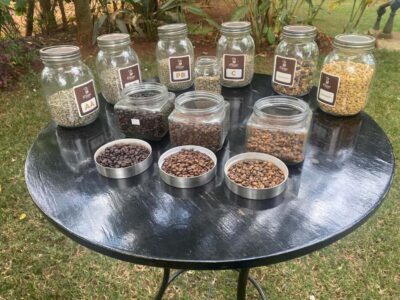
The cupping session is led by a certified host and focuses on comparing different roast levels. You sample the coffee, pay attention to its smell and taste, and learn how to notice changes between cups.
You do not need a trained palate to enjoy this. The point is not to identify every flavor with fancy language. It is to notice the basics: how strong the aroma feels, how the roast changes the body, and which cup you prefer.
The session also gives context to the earlier farm walk and workshop. You have seen the plants, learned about processing, and roasted beans over firewood. Now you get to connect those steps with the drink itself.
The coffee received strong praise for its flavor, and one visitor described the setting as calm, with an excellent guide and pleasant coffee. That combination is important. Fairview is not only a factory stop. It offers a slower, quieter setting where you can enjoy the cup without Nairobi’s noise around you.
Terrace views, fruit, pastries, and fresh juice
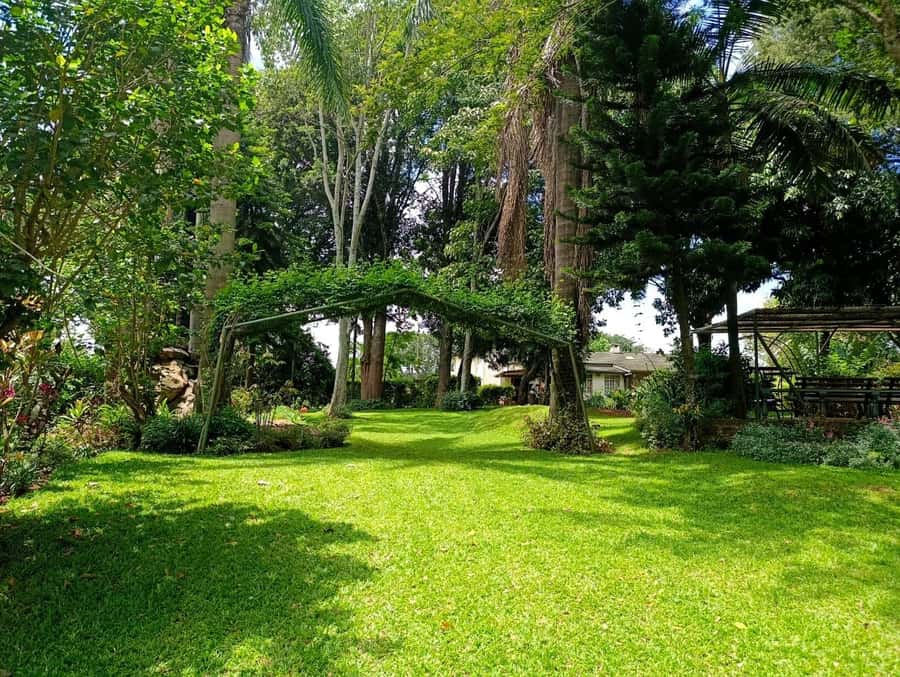
After the coffee work, you can relax on a scenic terrace with a snack platter. The spread includes local fruits, pastries, and fresh juice.
This final pause keeps the tour from feeling rushed. Coffee production involves a lot of information, and sitting down afterward gives you time to enjoy the setting and decide what beans or other products you may want to buy.
Shopping is included as an activity, but personal purchases are not part of the price. If you want coffee to take home, treat that as an extra expense. The estate is a natural place to buy beans, but you should ask about prices and payment before choosing anything.
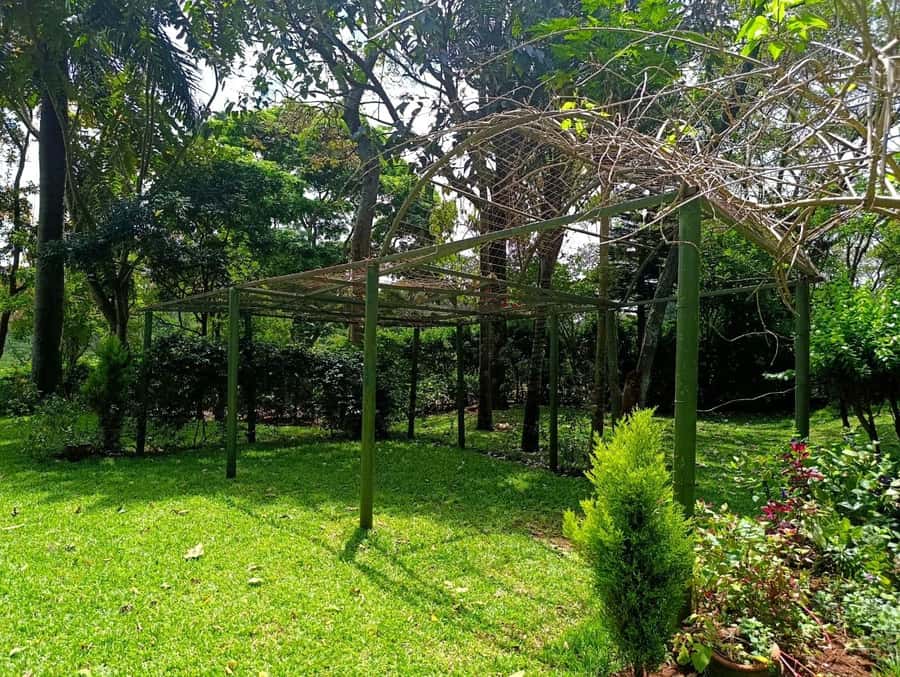
The terrace is also useful for people who are more interested in the social side of the visit than in every technical detail. You can enjoy the highland setting, drink fresh coffee, and share snacks while the guide answers questions.
Is $38 a fair price for this coffee tour?
At $38 per person, the tour looks reasonably priced for a four-hour experience with Nairobi pickup and drop-off. It includes the farm and factory tour, roasting workshop, cupping session, snacks, and refreshments.
The important catch is the separate $30 entry fee. That brings the basic cost to about $68 per person before shopping or any other personal spending. At that total, the experience is no longer a cheap half-day activity, but it can still offer fair value if you care about coffee, local agriculture, and hands-on activities.
The value also depends on transport reliability. A smooth pickup makes this an easy Nairobi side trip. A major delay can cost you time and may create extra charges if you are offered a private replacement tour.
I would compare the price with what you want from the day. If you only want to drink Kenyan coffee, you can do that for much less in Nairobi. If you want to see coffee plants, learn the processing stages, roast beans yourself, and taste the results, the higher total is easier to justify.
Who will enjoy Fairview most?
I recommend this experience to coffee drinkers who want to understand production rather than simply visit a café. The roasting activity is a strong fit for curious adults, couples, families with older children, and anyone who enjoys practical demonstrations.
It also suits visitors who want a green highland setting without committing to a full-day trip outside Nairobi. The estate offers several different activities in one place, so you are not relying on a single photo stop to fill the morning.
You may enjoy it less if you dislike walking, smoke, or structured tasting sessions. The paths are walkable, and the farm is wheelchair accessible, but sturdy shoes are still sensible. Because the tour takes place at moderate altitude, bring water and use sunscreen.
English is the tour language, and the experience has a live guide. James was specifically praised for clear explanations, humor, and games, so the quality of the guiding can make a real difference to how much you take from the visit.
Practical advice for a smooth visit
Bring comfortable shoes, sunscreen, and water. The farm paths and mill areas call for practical clothing rather than city footwear.
Try to visit during April to June or October to December if seeing coffee cherries is important to you. The farm remains worth visiting outside harvest periods, but seasonal work may be less visible.
Keep the four-hour schedule realistic. Pickup points include several Nairobi neighborhoods, but traffic can affect the day. Confirm your pickup location and time, and do not make a tight appointment immediately afterward.
The activity allows free cancellation up to 24 hours before departure, and you can reserve now and pay later. Those policies help if your Nairobi schedule is still shifting. The tour is also listed as wheelchair accessible, though you may want to confirm how the specific farm paths and mill areas will work for your needs.
Should you book the Fairview Coffee Estate tour?
Book it if you want a practical, well-rounded introduction to Kenyan coffee. The combination of farm rows, wet and dry mills, wood-fire roasting, cupping, and local snacks gives you much more than a simple tasting.
I would book with two conditions. First, add the $30 entry fee to the advertised $38 price. Second, confirm the pickup carefully and avoid accepting an unplanned restaurant stop unless you agree on the price first.
For coffee lovers, the hands-on roasting and expert-led tasting justify the outing. For visitors with only a casual interest in coffee, the total cost may feel high. Fairview is best when you want to understand the whole process and enjoy a quiet highland setting close to Nairobi.
FAQ
How long does the Fairview Coffee Estate tour last?
The activity lasts four hours, including the Nairobi pickup and drop-off. The estate program itself is listed as about three hours.
How much does the tour cost?
The listed tour price is $38 per person. A separate $30 entry fee is not included, so plan for a basic total of about $68 per person.
What does the tour include?
It includes Nairobi pickup and drop-off, a guided farm and factory tour, a hands-on roasting workshop, a cupping and tasting session, a snack platter, and refreshments.
Is the entry fee included?
No. The $30 entry fee is listed separately from the $38 tour price.
Can I roast my own coffee?
Yes. You roast beans over firewood using a traditional jiko, then grind and bag the coffee with guidance from the local team.
Which coffee varieties can I see?
The farm includes SL28 and Ruiru 11 coffee varieties.
When is the best time to visit?
The best time to see harvest activity is April through June and October through December. Cherries may be available for hands-on participation during these periods.
What should I bring?
Bring comfortable shoes, sunscreen, and water. Sturdy shoes are useful because the farm paths are walkable.
Is the experience wheelchair accessible?
Yes, the activity is listed as wheelchair accessible. The tour takes place on farm paths and around processing areas, so you may wish to confirm the practical details for your specific needs before booking.
Just added around Kenya
- Nairobi: Giraffe Center, Elephant Orphanage and Bomas Tour★ 5.0 · 3 reviews
- Nairobi: Airport and Hotel Private Transfers.★ 4.0 · 3 reviews
- Kitengela Anselm Hot Glass tour★ 4.5 · 3 reviews
- 11-Days Best of Kenya & Tanzania Big 5 Safari on a 4×4 Jeep★ 5.0 · 3 reviews
- NAIROBI NATIONAL PARK AFTERNOON GAME DRIVE.★ 5.0 · 3 reviews
- 12-Day Tsavo west Amboseli lake Nakuru Maasai Mara safari★ 5.0 · 3 reviews
- Nairobi Down Town & Walking City Tour★ 4.8 · 3 reviews
- Private 3 Day Tsavo East Safari from Mombasa★ 5.0 · 3 reviews
Coffee & Tea Farm Tours, compared.
Coffee Farm Village & Factory Half Day Tour with Pick-Up
Read our review →
Private Day Trip to Kiambethu Tea Farm in Limuru from Nairobi
Read our review →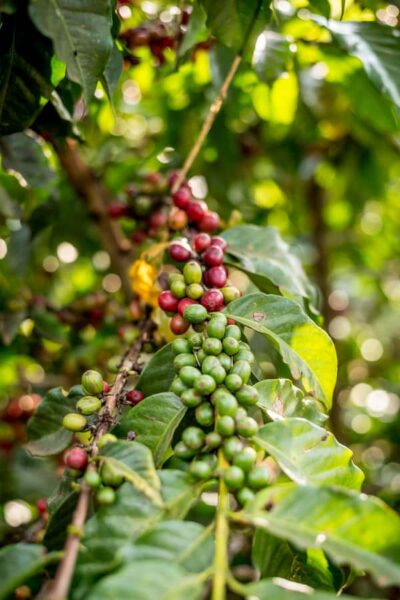
Browse the lists this tour appears in