
Reviewed · MOMBASA TOURS
MOMBASA:FortJesus,OldCity,GiraffeOstrich,Oryx,Eland,WildTour
Mombasa comes alive between stone walls and giraffes. This full-day tour combines Fort Jesus and Old Town with a wildlife visit at Nguuni Nature Sanctuary, giving you two very different views of coastal Kenya in one outing. You move from Portuguese military history and Swahili streets to giraffes, ostriches, antelopes, and other animals in a restored former quarry.
I like the mix of culture and wildlife, and I like the personal guiding from John David Mwangi Irungu, who can explain the history and help with photos. The main drawback is that the $40 price does not include entry to Fort Jesus or Nguuni, and transportation back to your hotel is also excluded. Set aside extra money and confirm your return plan before you leave.
The full-day option is the better choice if you want time for both parts of Mombasa. A half-day schedule may feel rushed, especially if you want to walk the old streets, visit the spice market, and spend proper time near the animals.
In This Review
- Key points to know before booking
- Why this Mombasa combination works
- Fort Jesus and the struggle for Mombasa’s harbor
- Walking through Old Town’s narrow streets
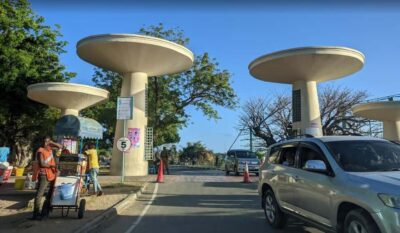
- Moi Avenue and the Elephant Tusks
- From city streets to Nguuni Nature Sanctuary
- Conservation lessons beyond the animal sightings
- What the guide adds to the day
- The $40 price and what you really pay for
- Who should choose the full-day tour
- Should you book this Mombasa tour?
- FAQ
- What is included in the Mombasa tour?
- Are Fort Jesus and Nguuni Nature Sanctuary entry fees included?
- Is transportation back to the hotel included?
- What animals can I see at Nguuni?
- Can I ride the animals?
- What should I bring?
- What language is the tour offered in?
Key points to know before booking
- Two very different Mombasa experiences: Explore Fort Jesus and the old city before visiting Nguuni Nature Sanctuary.
- Close wildlife encounters: Walk near giraffes, ostriches, antelopes, and other animals, but riding the animals is not allowed.
- A strong local guide matters: John David Mwangi Irungu provides historical explanations and can assist with photos and videos.
- Extra entrance costs apply: The $40 tour price does not cover Fort Jesus or Nguuni entry fees.
- Afternoon tea is included only at certain times: Swahili coffee or Swahili chai is offered on afternoon tours.
- Plan for walking and sun: Comfortable shoes, a hat, sunscreen, and water will make the day much easier.
Why this Mombasa combination works
Mombasa can be hard to understand if you only see its beaches and modern streets. This tour gives you a useful first look at the city’s past, its Swahili character, and its nearby conservation work.
The morning or earlier part of the day focuses on the old city. You visit Fort Jesus, walk through narrow streets, see old mosques and residential buildings, and pass markets selling spices, fruit, and colorful fabrics. Later, you head to Nguuni, where former limestone quarries have been turned into a wildlife sanctuary.
I like this pairing because neither stop feels like a repeat of the other. Fort Jesus gives you walls, conflict, and coastal history. Nguuni gives you open space and living animals. The day also works well for a first visit because your guide introduces both Mombasa’s cultural center and one of its conservation areas.
The schedule is not designed for people who want a slow, highly specialized museum visit. It is a broad introduction. You get many sights in one day, but the pace and time at each location depend on the day’s arrangements.
A few more trips worth weighing up
- Walking Tour Through Old Town Mombasa and Fort Jesus
★ 5.0 · 393 reviews - Mombasa: Kisite Park Private Cruise with Breakfast and Lunch
★ 4.7 · 181 reviews - Mombasa City Tour
★ 5.0 · 170 reviews
Fort Jesus and the struggle for Mombasa’s harbor
Fort Jesus is the historical anchor of the tour. The Portuguese built it in the 16th century on a coral ridge at the entrance to Mombasa’s harbor. Its purpose was practical and strategic: protect Portuguese residents and control access to the coast.
The fort’s story is not simple. Omani Arabs attacked it during a long siege from 1696 to 1698. Later, from 1837 to 1895, it served as barracks for soldiers. After the British protectorate was proclaimed on July 1, 1895, the fort became a prison.
That succession of uses helps you see why Fort Jesus matters. It is not just an old building with thick walls. It reflects the competing Portuguese, Omani, and British interests that shaped Mombasa and the East African coast.
Your guide adds value here. John David Mwangi Irungu is praised for taking time with explanations rather than rushing from one point to the next. That is important at a site where the bare walls do not explain themselves. Ask questions as you go, especially if you want help connecting the fort’s military role with Mombasa’s wider coastal past.
The entrance fee is not included in the tour price. Check the current cost when booking or before the visit, since the supplied tour details do not state the amount. Keep this separate from your $40 budget.
Walking through Old Town’s narrow streets
After Fort Jesus, the tour takes you through Mombasa’s old city. This is the part where you should expect to walk rather than simply look out of a vehicle window.
The streets are narrow and often cobbled. Ancient mosques, older residential houses, overhanging balconies, and shadowy doorways give the area a very different feel from modern Mombasa. The architecture carries traces of the city’s long connection with the Indian Ocean world.
You also visit a spice market. This adds color and scent to the historical walk, but it is still a working market rather than a polished attraction. You may see fruit, spices, and fabrics for sale. Keep your belongings secure and follow your guide’s lead through the market.
The tour includes the old town, spice market, Shiva Temple, city center, and the Elephant Tusks monuments. These stops broaden the story beyond Fort Jesus. The Shiva Temple points to the city’s varied religious and cultural communities, while the Elephant Tusks on Moi Avenue are among Mombasa’s best-known city landmarks.
I would give yourself room to look around rather than treating each place as a quick photo stop. The old city is most rewarding when you notice small details: balconies above the street, doors set into old walls, and the change from quiet residential lanes to market activity.
Comfortable shoes are essential. High heels are specifically not allowed, and loose clothing is discouraged. A hat, sunscreen, and water also matter because the day combines outdoor walking with time in the sun.
Moi Avenue and the Elephant Tusks
The Elephant Tusks monuments on Moi Avenue are a short but useful city stop. They mark one of Mombasa’s most recognizable central points and provide a clear contrast with Fort Jesus and Old Town.
This part of the tour helps you see the modern city around the historic core. Depending on the timing, it may be a brief call rather than a long visit, so do not expect an extended monument tour. It is still worth including because it connects the old city with present-day Mombasa.
Your guide can help place the monument within the wider city route. If you are taking photographs, have your camera ready, but do not let the photo stop replace the walking portions of the tour. The strongest part of the cultural section is the combination of the fort, streets, market, and city landmarks.
A completely different kind of day out from Mombasa:
- Mombasa: Tusks, Fort Jesus, Old Town, Beach and City Tour
★ 4.7 · 137 reviews - Half-Day Scenic Bike Tour
★ 5.0 · 75 reviews - 2 Days Tsavo East National Park Tour From Mombasa/Diani (1 Night)
★ 5.0 · 50 reviews - Mombasa: Guided Nature Walk Amongst Giraffes
★ 4.8 · 48 reviews
From city streets to Nguuni Nature Sanctuary
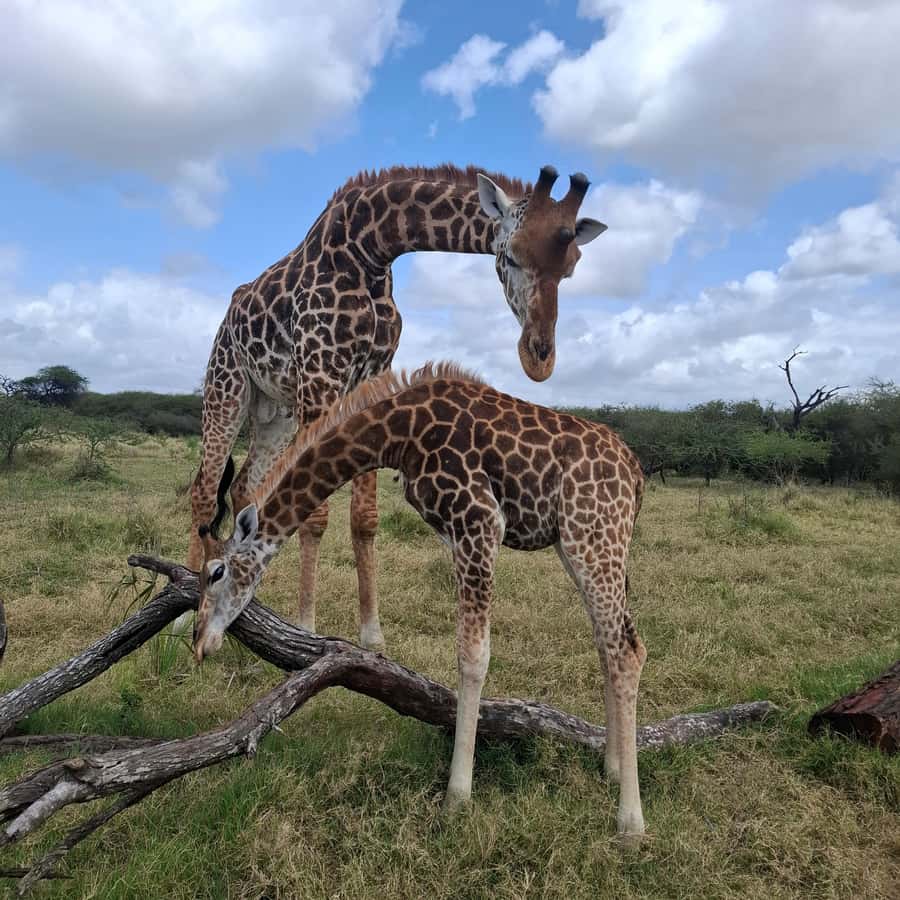
The change from Old Town to Nguuni is the day’s biggest shift. Nguuni occupies former quarries that were once a limestone desert. Restoring this damaged ground required finding plants that could survive the fierce tropical sun.
The first planting effort involved 26 plants, but only three survived: the damas, coconut palm, and casuarina. Later, plants spread by wind and animals began to establish themselves. Over time, more carefully selected trees and bushes were added.
Today, more than 180 species of indigenous trees and bushes have been planted in the sanctuary. That makes the visit more than a simple animal viewing stop. You also see an example of how a difficult quarry site can be brought back into use as a living habitat.
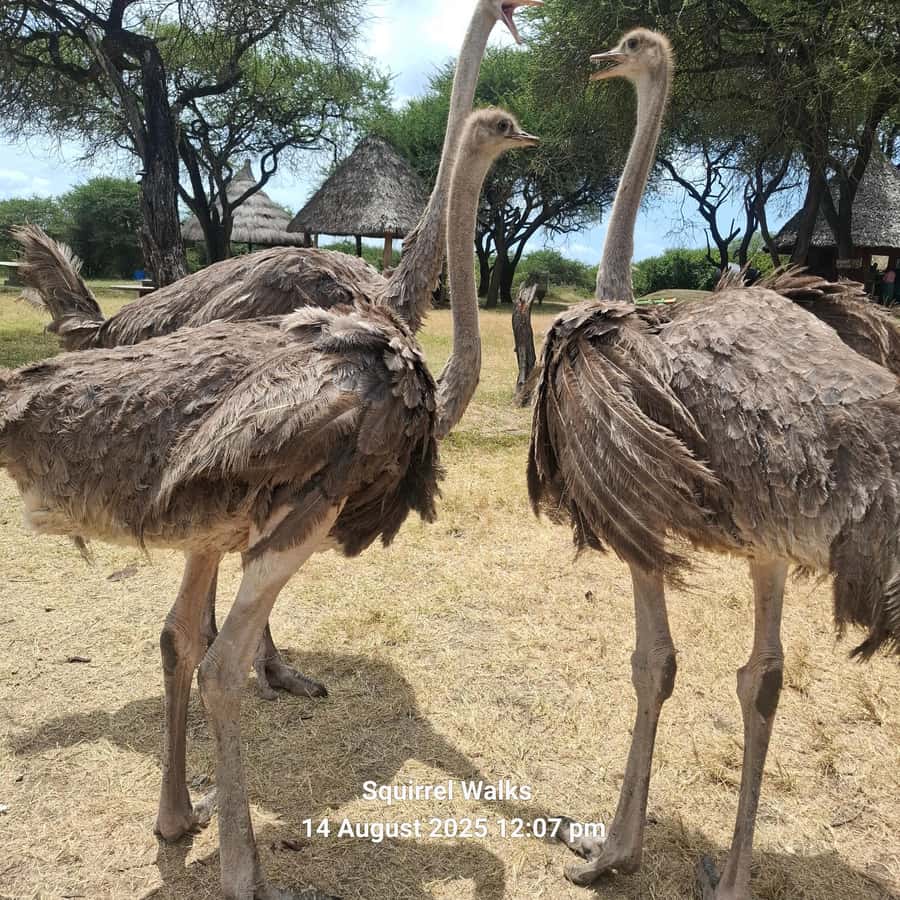
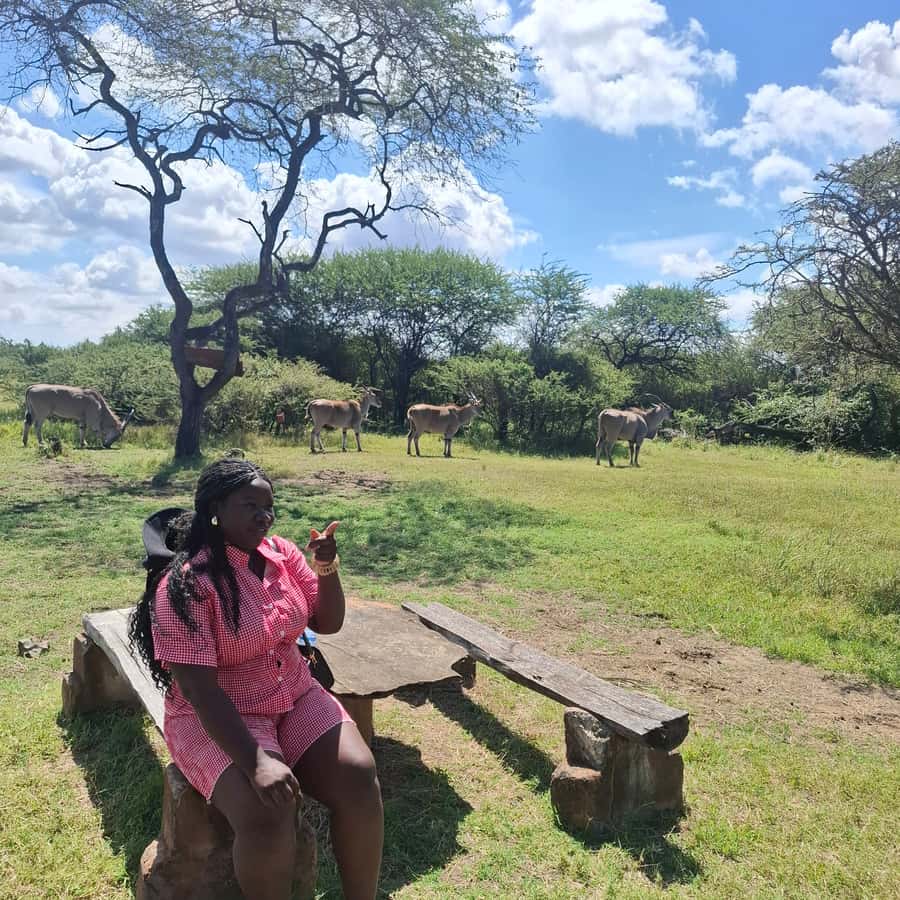
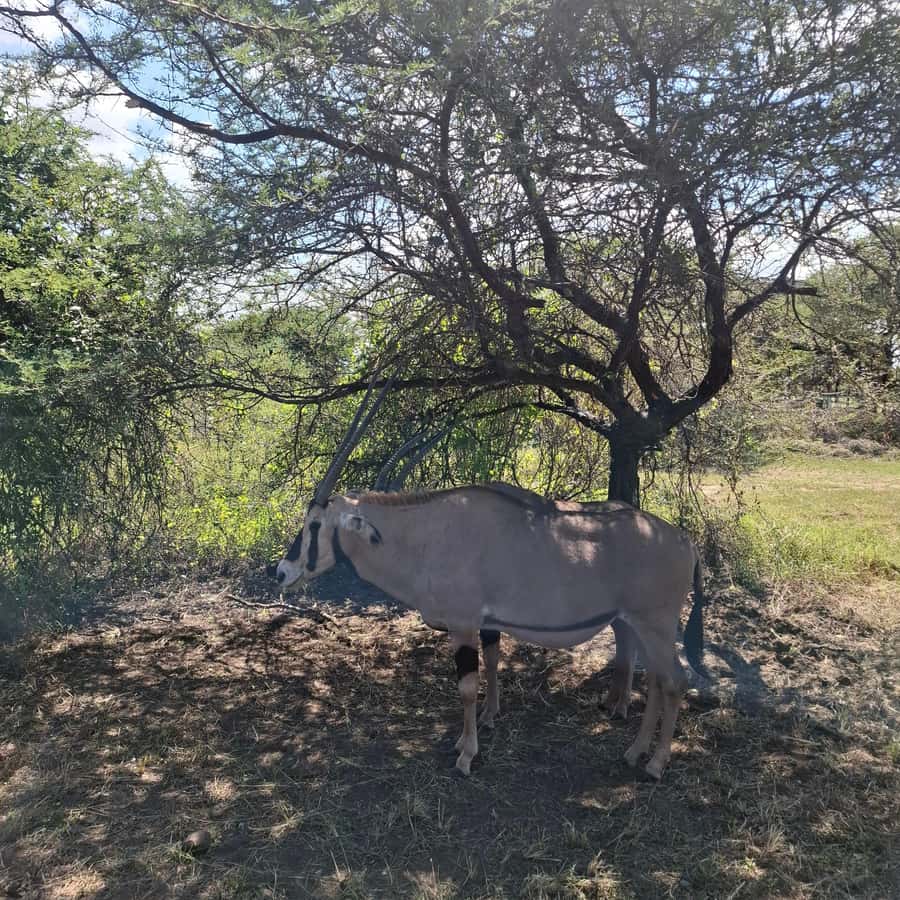
Nguuni is home to giraffes, ostriches, antelopes, buffalos, crocodiles, smaller mammals, and birds. The description also refers to oryx and eland in the wildlife experience title, but the main details specifically highlight giraffes, ostriches, antelopes, buffalos, and crocodiles.
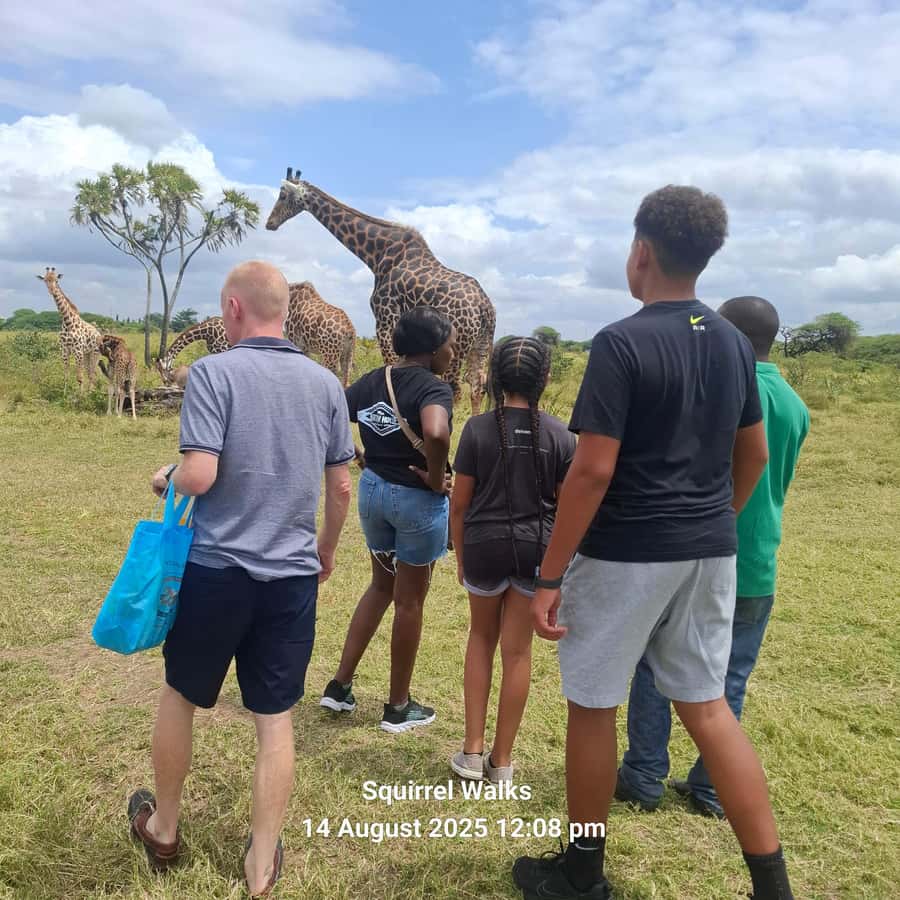
The tour focuses on a nature walk. You can walk near the giraffes and other animals, sometimes from very close range or while seated, according to the experience description. That close setting is a major reason to choose this tour. It offers a more personal encounter than simply viewing animals from a distant lookout.
Still, remember that wildlife is unpredictable. The tour promises access to the sanctuary and a chance to walk near animals, not a guarantee that every species will appear on a particular day. Do not feed, touch, or ride the animals, and follow instructions about distance and behavior.
Conservation lessons beyond the animal sightings
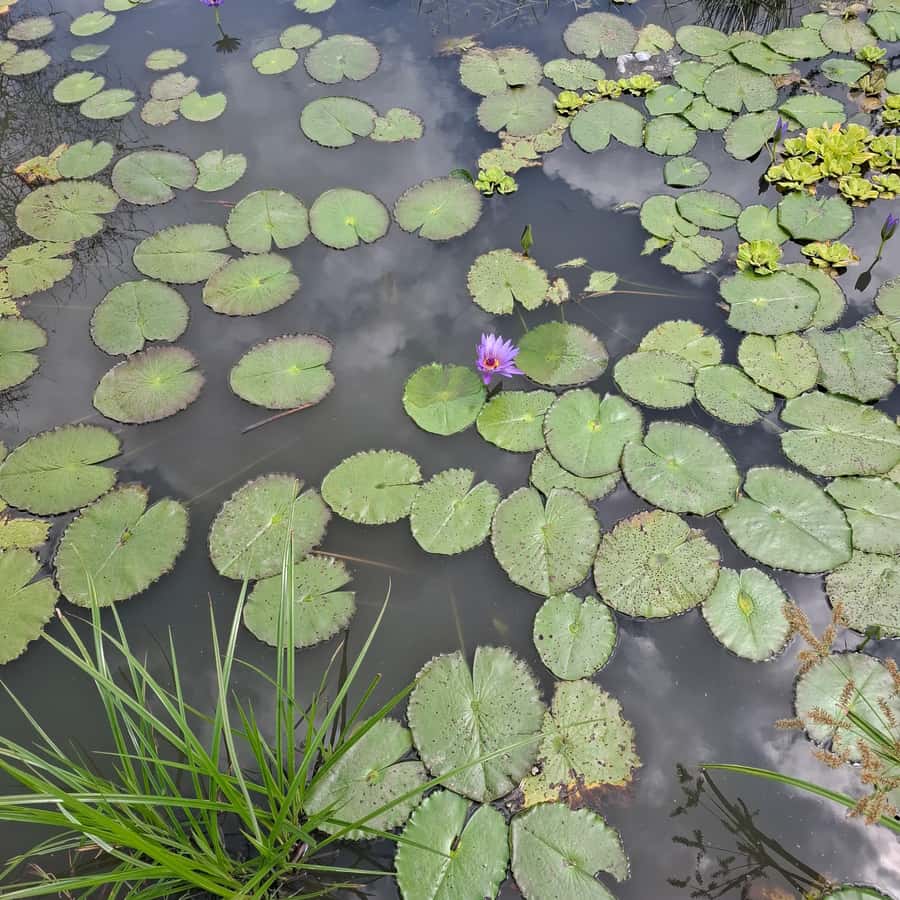
Nguuni’s plant story gives the wildlife stop real substance. The sanctuary’s growth depends partly on natural succession, with animals helping spread seeds through the ecosystem.
Vervet monkeys, insects, and some bird species feed on fruit from ficus trees. The seeds pass through the animals’ digestive systems, which helps break their dormancy. The animals then disperse the seeds in their droppings, and some germinate in fertile ground.
This is a useful detail to hear while walking through the sanctuary. Conservation is not only about protecting large animals. It also involves plants, insects, birds, soil, and the movement of seeds. Nguuni’s former quarries now support a more varied environment because those parts work together.
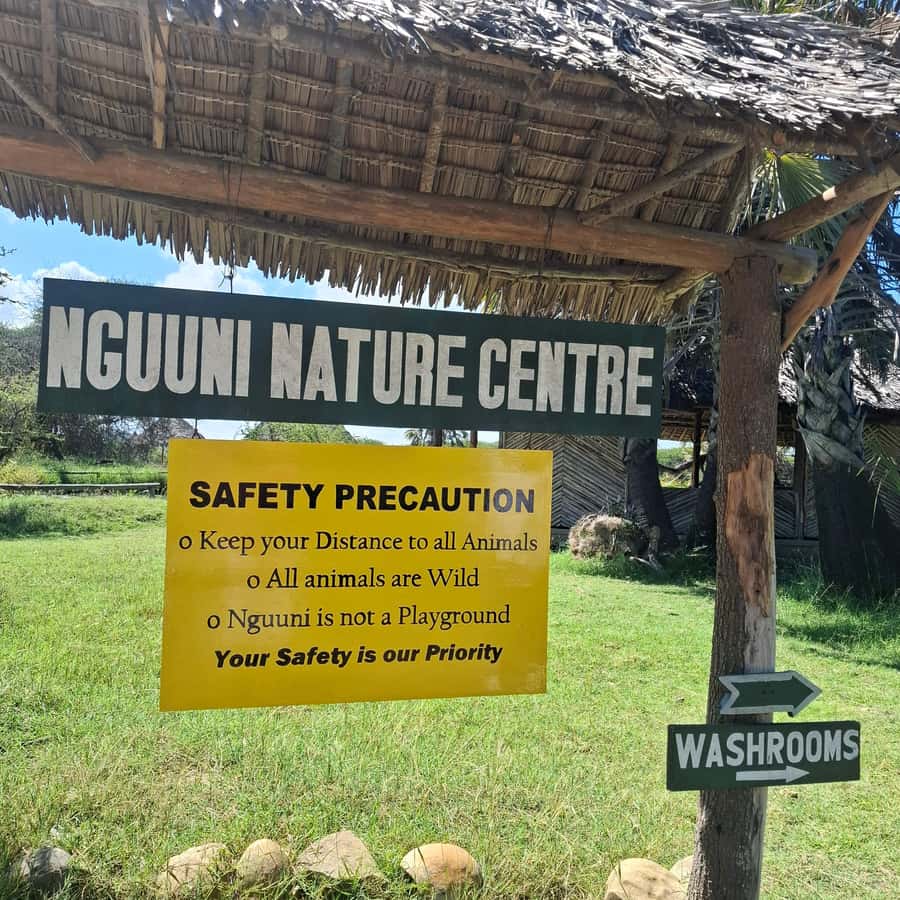
The entry fee for Nguuni is not included. This is the second extra cost to plan for after Fort Jesus. The tour includes information about wildlife and the sanctuary’s conservation work, but admission itself remains separate.
What the guide adds to the day
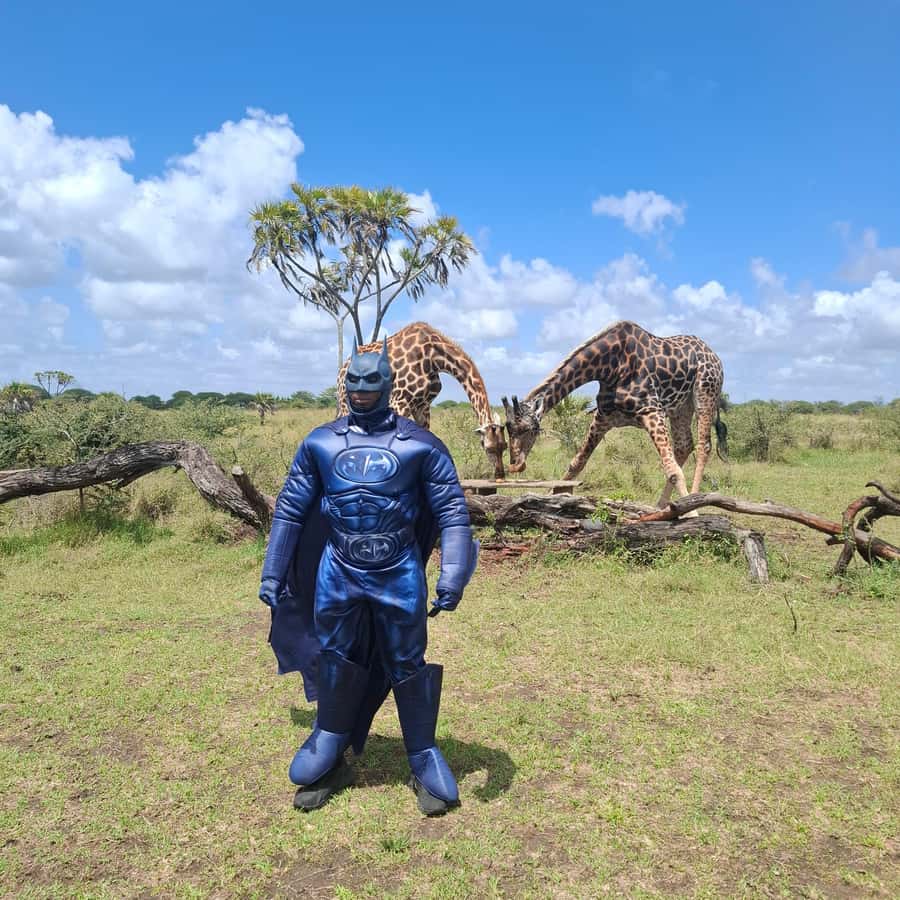
A good guide is especially important on this tour because the experience moves between history, city life, and nature. John David Mwangi Irungu is praised for clear explanations, patience, and practical help with photographs and videos.
That personal attention can matter even more if you are the only person in the group or part of a small group. One account describes a very personal outing with time to explain the history of Old Town and Fort Jesus. Another emphasizes that the guide did not hurry the visit.
You should use that flexibility well. Ask about the fort’s changing roles, the old city’s buildings, the spice market, and how Nguuni was restored. If you want photos at specific places, say so early. The guide may be able to help, but you should not assume every stop will include a long photo session.
The listed language is English. The overall tone of the experience is educational but informal, with the guide connecting the stops rather than simply pointing them out.
The $40 price and what you really pay for
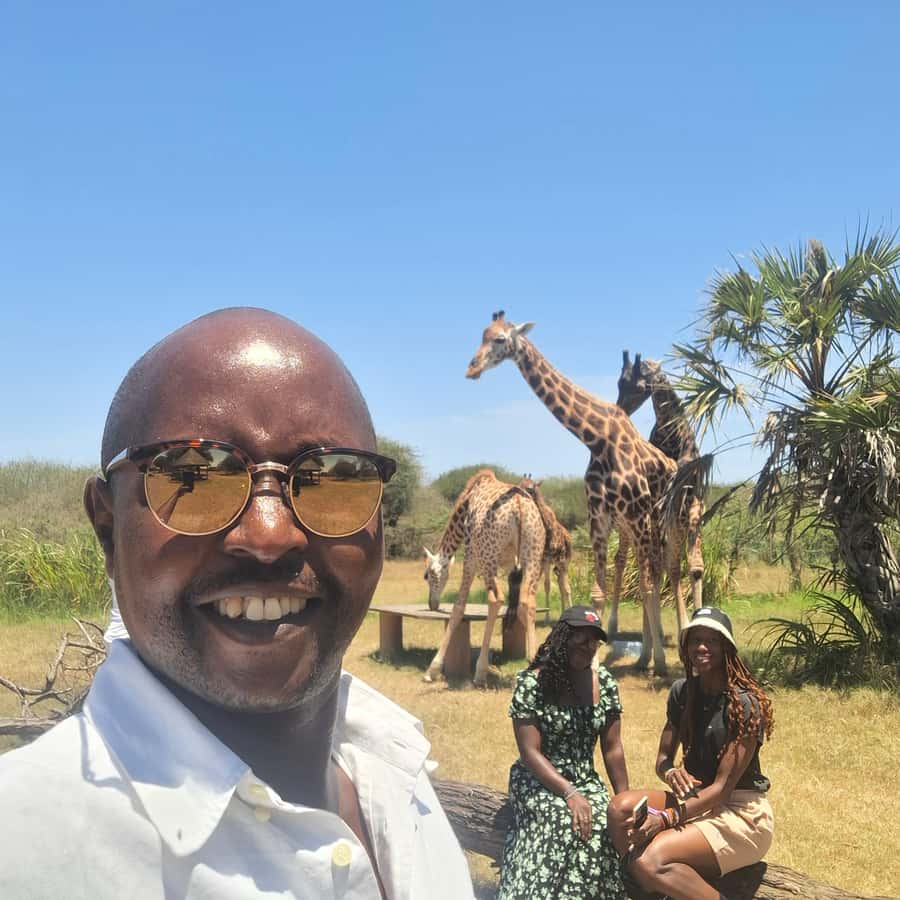
At $40 per person, the tour offers good value if you want transport between several Mombasa sights and a guide to connect them. You are not paying only for a walk around Fort Jesus. The price covers pickup transportation to the tour sites, the Old Town route, the city landmarks, the nature visit, and information about conservation.
The value is strongest for a first-time visitor who would otherwise need to arrange separate transport and research each stop. A guide also makes the old city easier to understand, since the streets and buildings do not come with constant written explanations.
The price is less attractive if you assume it covers every cost. It does not include Fort Jesus admission, Nguuni admission, or transportation back to your hotel. Ask about the return arrangement before setting out. The tour provides pickup transportation to the sites, but the information specifically excludes the ride back.
Afternoon tours include Swahili coffee or Swahili chai. If that small cultural break matters to you, confirm that your chosen departure qualifies. It is not listed as an all-day inclusion.
The flexible booking option lets you reserve and pay later, and cancellation is available up to 24 hours in advance for a full refund. Those terms are useful if your coastal Kenya plans may change.
Who should choose the full-day tour
I would choose the full-day option if you want a proper introduction to Mombasa rather than a quick collection of photographs. One direct recommendation is to avoid the half-day schedule when time is tight, since Fort Jesus, Old Town, the market, city landmarks, and Nguuni need room to breathe.
This tour suits you if you enjoy:
- A mix of cultural sights and wildlife
- Guided walking through historic streets
- Close views of giraffes and other animals
- Local history explained in English
- A busy day with several different stops
- Conservation information alongside animal viewing
It may not suit you if you are over 70, since the tour is listed as unsuitable for people above that age. The walking, sun, and full-day schedule may also be tiring for anyone who prefers a slow pace.
Wear walking shoes and modest, comfortable clothing. Do not bring alcohol or drugs, and do not smoke indoors. Littering, loud behavior, fires, nudity, ripped clothing, and riding animals are prohibited. These rules are sensible in both a historic site and a conservation area.
Should you book this Mombasa tour?
Book it if you want Mombasa in two parts: a city shaped by forts, mosques, markets, and trade, followed by a sanctuary where conservation has brought life back to former quarries. The close giraffe encounters and patient guiding are the strongest reasons to go.
Before paying, budget for both entrance fees and arrange your return transportation. If you only have a few hours, choose your priorities carefully, but if you can spare the day, the full schedule gives you a much better sense of Mombasa. At $40, it is a fair deal when you value a local guide and transport between sites, provided you understand what the price leaves out.
FAQ
What is included in the Mombasa tour?
The tour includes pickup transportation to the tour sites, the Old Town walk, the spice market, Shiva Temple, the city center, the Elephant Tusks monuments, and information about wildlife conservation at Nguuni. Swahili coffee or Swahili chai is included on afternoon tours only.
Are Fort Jesus and Nguuni Nature Sanctuary entry fees included?
No. Entry to Fort Jesus and Nguuni Nature Sanctuary is not included in the $40 price per person.
Is transportation back to the hotel included?
No. Pickup transportation to the tour sites is available, but transportation back to the hotel is listed as an additional cost.
What animals can I see at Nguuni?
Nguuni is home to giraffes, ostriches, antelopes, buffalos, crocodiles, smaller mammals, and birds. The tour title also refers to oryx and eland.
Can I ride the animals?
No. Riding the animals is not allowed during the experience.
What should I bring?
Bring comfortable walking shoes, a hat, sunscreen, water, and a camera. Flash photography may be restricted at some sites.
What language is the tour offered in?
The tour is offered in English.
Just added around Mombasa
- 3 Days Private Tour of Mombasa★ 4.5 · 3 reviews
- Mombasa: Wasini Dolphin Tour★ 3.2 · 3 reviews
- 1-Day Tsavo East Safari From Mombasa★ 5.0 · 3 reviews
- 2 Days Salt Lick Safari Tour★ 4.5 · 3 reviews
- Mombasa: Discovery Day Tour and Haller Park★ 4.1 · 3 reviews
- Private Tour of Tsavo East National Park from Mombasa★ 5.0 · 3 reviews
- Mombasa: Historical Guided city tour. Old town, Fort Jesus★ 4.2 · 3 reviews
- Airport Transfers to Watamu and Malindi★ 3.5 · 3 reviews
Mombasa Tours, compared.
Walking Tour Through Old Town Mombasa and Fort Jesus
Read our review →
Kisite Park Private Cruise with Breakfast and Lunch
Read our review →
Tusks, Fort Jesus, Old Town, Beach and City Tour
Read our review →
2 Days Tsavo East National Park Tour From Mombasa/Diani (1 Night)
Read our review →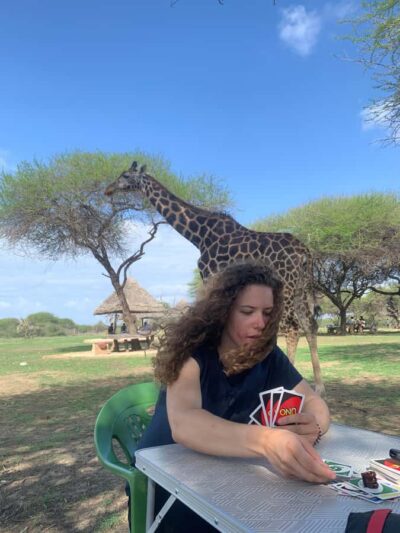
Browse the lists this tour appears in