
Reviewed · COFFEE & TEA FARM TOURS
Day Tour to Fairview Coffee Farm
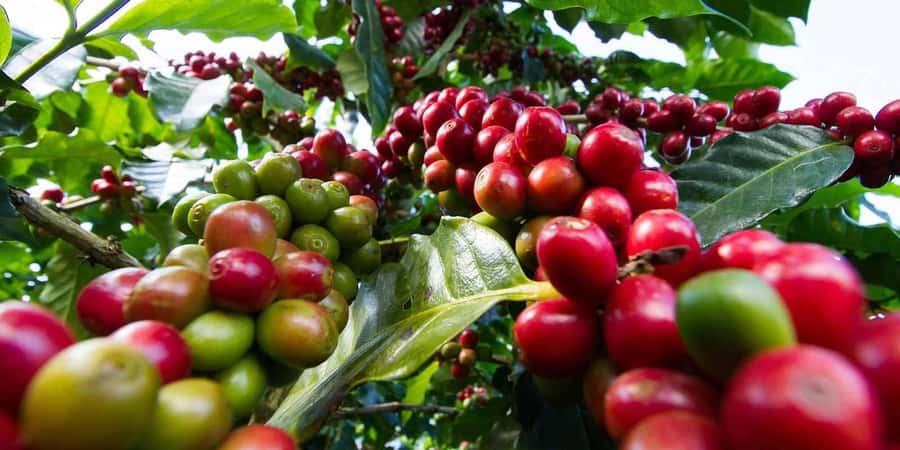
Coffee tells Kenya’s story one cup at a time. This four-hour visit to Fairview Coffee Estate gives you a close look at how Kenyan coffee moves from flowering plant to roasted bean, then lets you taste the result. I like the private transport from Nairobi and the clear, hands-on route through the farm, factory, lab, and garden. I also like that the coffee tasting is part of the visit, not an afterthought.
The main catch is the real cost. The tour is advertised at $50 per person, but the $30 farm entrance fee is extra, and lunch is not included. I would budget $80 per person before any meal or coffee purchases. A reported one-hour delay also shows why I would keep the rest of my day flexible.
In This Review
- Key points at a glance
- Why a coffee farm makes a good Nairobi outing
- The 30-minute ride from Nairobi
- Starting with the farm’s story
- Inside the coffee factory
- The roasting lab and the first taste
- Coffee, cookies, and country air in the garden
- What the $50 price really covers
- The guides and drivers shape the day
- Who will enjoy Fairview most
- Timing, delays, and useful planning tips
- My verdict on this four-hour coffee experience
- FAQ
- How long is the Fairview Coffee Farm tour?
- What is included in the tour price?
- Is the coffee farm entrance fee included?
- What will I see at Fairview Coffee Estate?
- Is the tour private?
- Is the experience wheelchair accessible?
- Can I cancel or pay later?
Key points at a glance
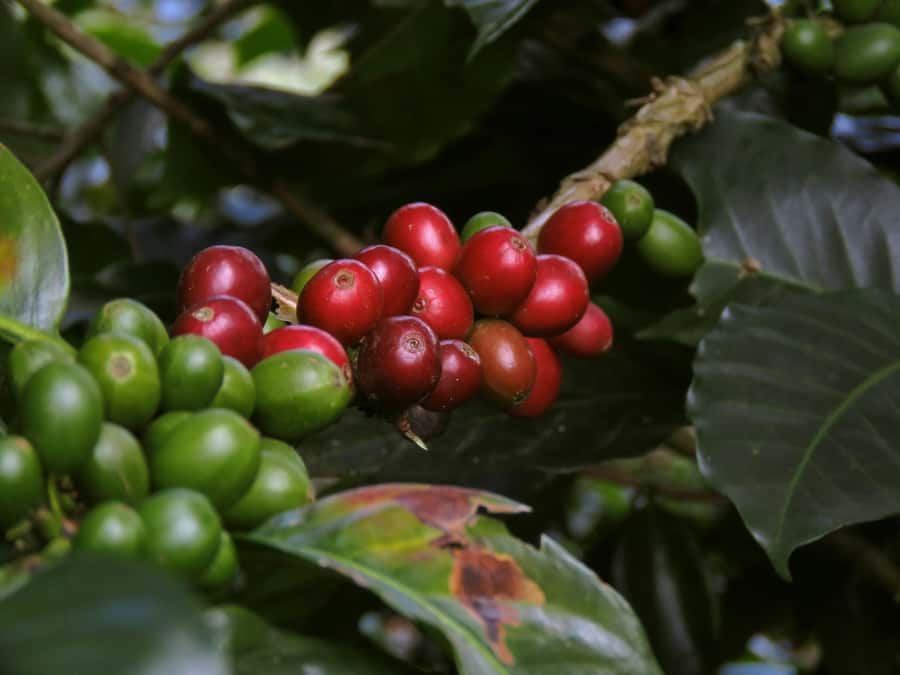
- Fairview is only about 20 minutes from central Nairobi: The advertised drive takes 30 minutes each way, making this an easy half-day outing rather than a full-day commitment.
- The visit follows coffee from plant to cup: You hear the farm story, tour the processing factory, visit the roasting lab, and finish with coffee, cookies, and optional milk.
- Your group can have private transport: Pickup and drop-off at your Nairobi hotel are included in a well-maintained car.
- The coffee tasting is the payoff: You can sample the finished coffee and buy some to take home.
- English guidance is provided: The farm staff and professional guide explain the process in English.
- Budget for the extra entrance charge: The $50 tour price does not include the $30-per-person coffee farm entrance fee.
Why a coffee farm makes a good Nairobi outing
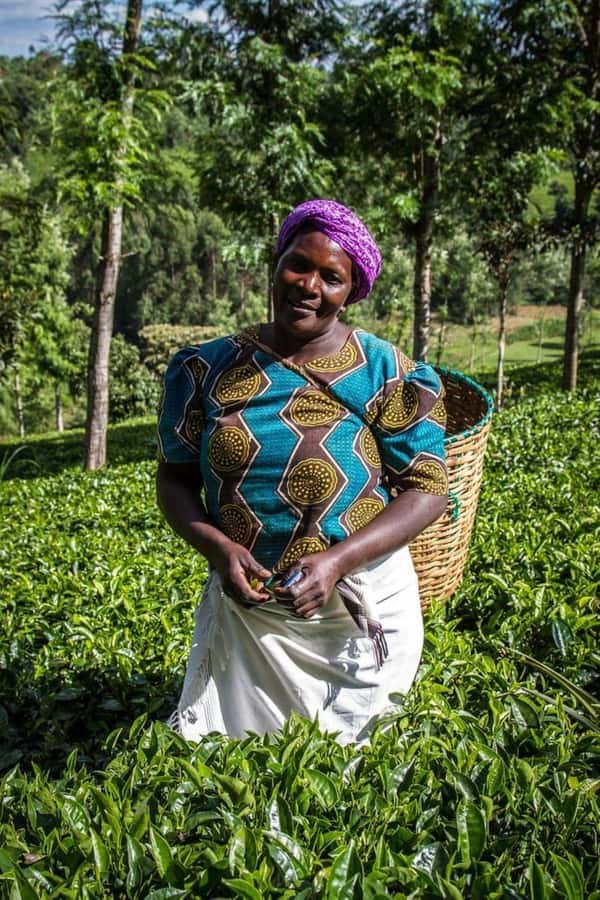
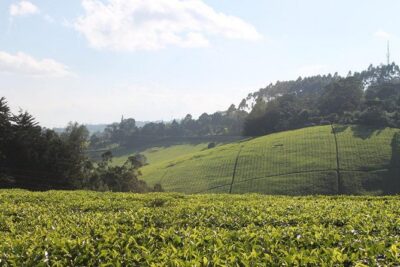
Nairobi is more than office towers, traffic, and safari gateways. A short trip north brings you to Kiambu County, where Fairview Coffee Estate offers a quieter setting with green grounds, country air, and views along the road from the city.
I like this trip because it gives you a piece of Kenyan life that is easy to miss. Coffee is an important export and a familiar part of daily life, yet many visitors only encounter it as a drink in a hotel or café. Here, you see the work behind that cup.
The tour is also manageable. Four hours is enough time to get out of the city, learn the basic process, and return without using an entire day. If you have a free morning or afternoon in Nairobi, this fits neatly into a wider plan.
The setting is not presented as a remote agricultural adventure. You are visiting an established estate with staff, a factory, a coffee laboratory, and a garden area for refreshments. That makes the experience accessible, but it also means you should not expect a rugged farm expedition.
More coffee & tea farm tours:
- Nairobi Coffee Farm and Factory Tour
★ 5.0 · 87 reviews - Coffee Farm Tour (Fairview)
★ 4.8 · 71 reviews - Nairobi: Coffee Factory and Farm Tour with Transfer
★ 4.5 · 60 reviews
The 30-minute ride from Nairobi
Pickup begins in Nairobi, with hotel collection and return included. The stated drive is about 30 minutes each way, although the estate is described as roughly 20 minutes from the city center. Actual timing can depend on traffic and your pickup point.
I would treat the transfer as part of the practical value of the tour. You do not need to arrange a taxi, negotiate a fare, or work out how to reach Kiambu on your own. Transport is provided in a maintained car, and bottled water is included.
The private setup is useful if you want a calmer outing or are traveling with family. Only your group participates, and a private group option is available. That gives you more control than a large coach tour, though the quality of the day still depends partly on traffic and pickup timing.
One reported visit had an hour-long delay, even though the drivers were friendly and helpful. That is a useful warning. I would avoid booking a tight airport connection, important business meeting, or another fixed appointment immediately afterward.
Starting with the farm’s story
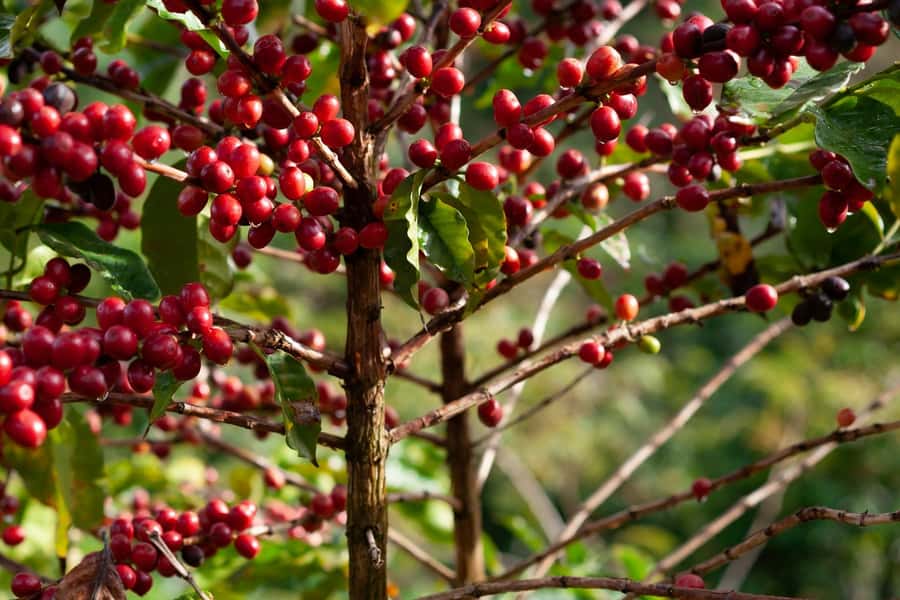
At Fairview, professional staff first explain the history of the farm. This opening gives the rest of the visit a frame. Instead of seeing coffee as a packaged product, you begin with the estate and the crop itself.
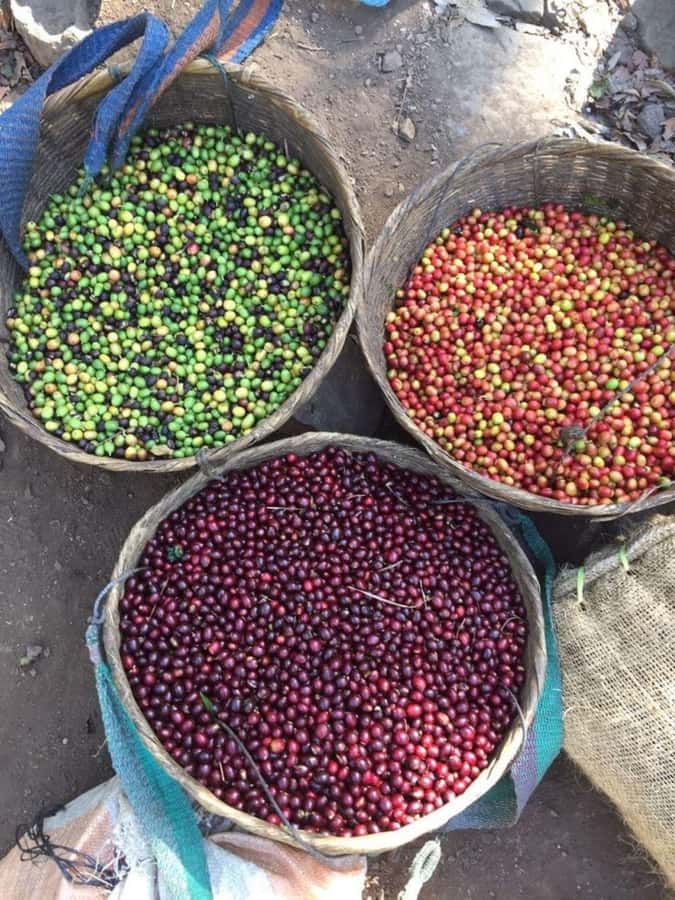
The tour is intended to follow the coffee process from the first stages of growth. The description specifically points to the budding of the flowers, so you should expect an explanation of how the plant begins its cycle before the beans are processed.
The supplied information does not promise a particular harvest season or a chance to pick coffee cherries. I would not assume that you will see every stage of growth on the day of your visit. The value is in understanding the full chain, even if the farm activity varies with the season.
This first section should suit curious visitors who want context rather than just a tasting. If you already work in coffee, you may want to ask more technical questions, but the tour is designed for a general audience and English-speaking visitors.
Inside the coffee factory
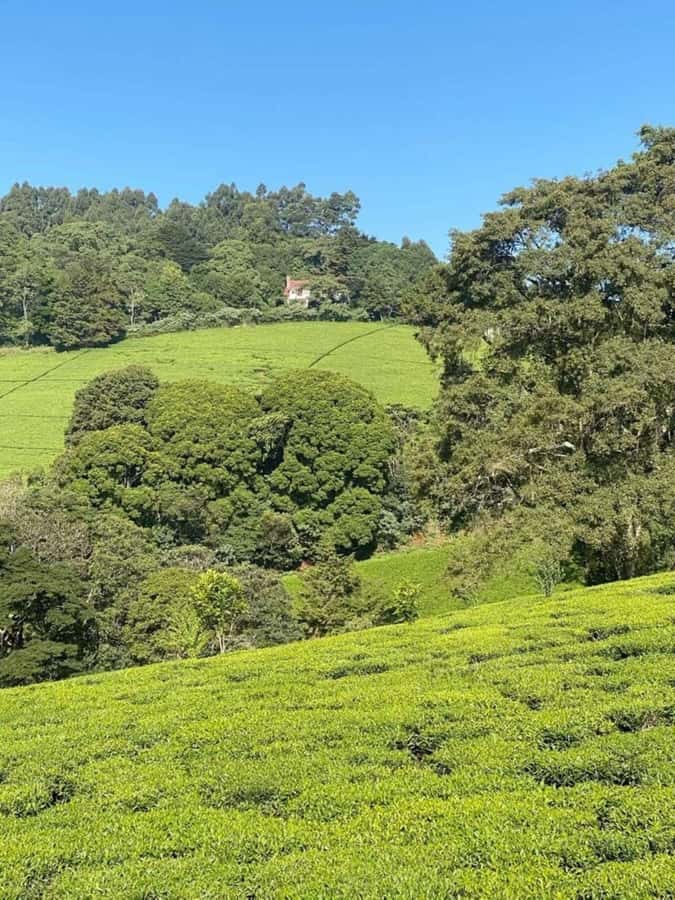
The second stage takes you to the coffee factory. This is where the visit becomes more practical. You learn about coffee processing and the stages that prepare the crop for roasting.
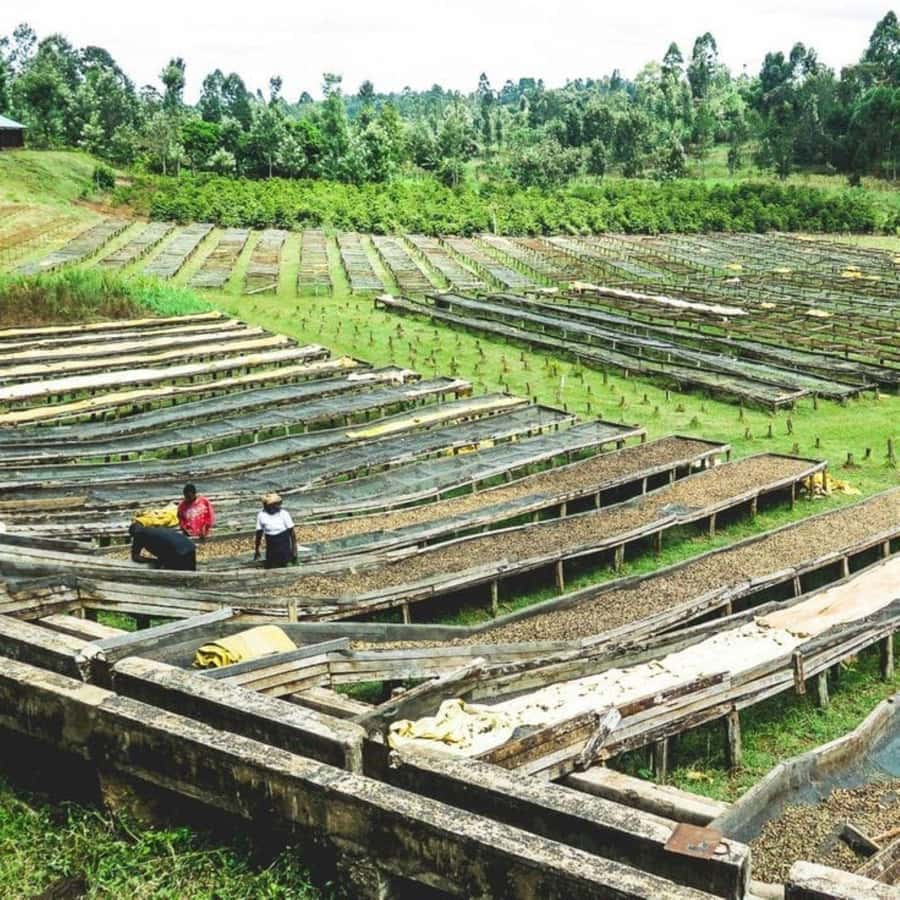
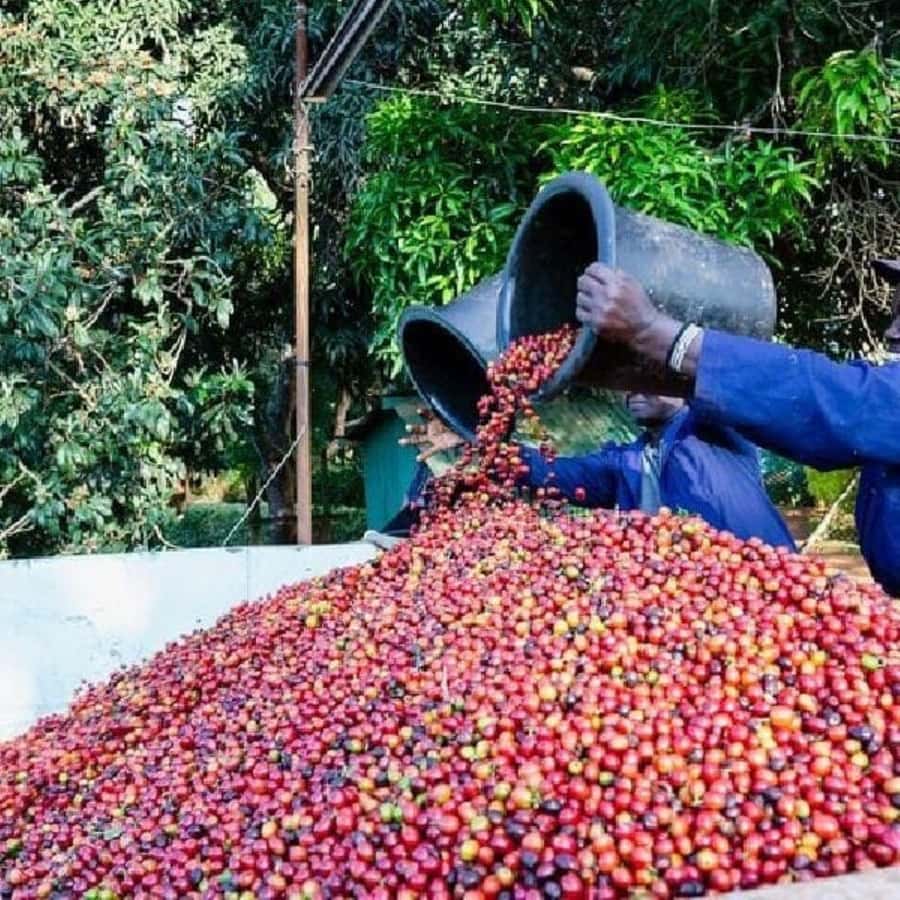
I find factory visits useful because they reveal how much happens before a bean reaches a grinder. A cup can seem simple at the table, but processing determines what eventually reaches the roaster. The guide explains that path in sequence, helping you connect the farm, machinery, and final drink.
The factory section is likely the most informative part for visitors who have never seen coffee production. You get to move beyond the plant and learn what happens after the crop leaves the growing area.
The available information does not list every machine or processing method, so I would not expect a specialist demonstration of each piece of equipment. Think of this as a guided introduction to the stages of production, not a technical training course.
A few more trips worth weighing up
- Coffee Farm Village & Factory Half Day Tour with Pick-Up
★ 5.0 · 33 reviews - Nairobi: Guided Coffee Farm Tour with Tastings
★ 5.0 · 24 reviews - Coffee farm tour, coffee roasting and tasting experience
★ 5.0 · 20 reviews - Private Half-Day Tour in Fairview Coffee Farm from Nairobi
★ 5.0 · 13 reviews
The roasting lab and the first taste
After the factory, you visit the coffee lab, where roasting takes place. This is the point where the farm story turns into the drink you know.
You can test the coffee here, and you also have the chance to buy coffee to take home. That small shopping option matters. A bag from the estate gives you a useful souvenir, and it is more connected to the visit than a generic airport purchase.
The tasting is one of the strongest reasons to choose this experience. One visitor specifically praised the coffee tasting at the end, and that final cup provides a clear finish after the earlier explanations. I would pay attention to how the flavor changes from what you may usually drink at home. The information does not specify the number of samples or the tasting format, so do not expect a formal professional cupping unless the staff offers one on the day.
If you are not a serious coffee drinker, the visit still works because the tour is not built around tasting alone. You see the plant, the factory, and the lab before sitting down with a cup.
Coffee, cookies, and country air in the garden
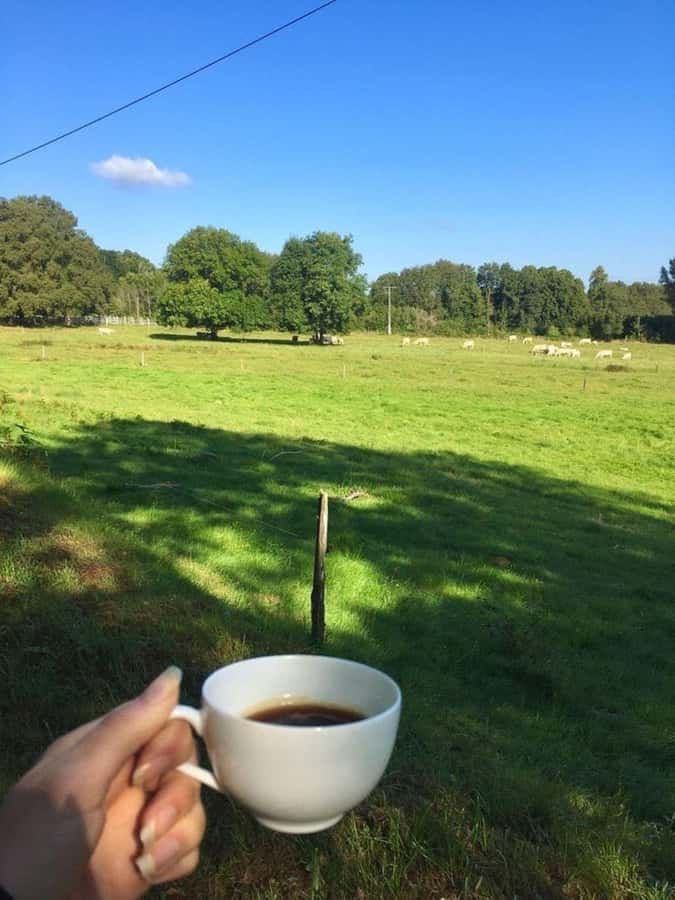
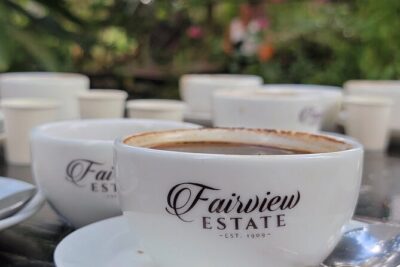
The final part takes place in the garden. You are served coffee and cookies, with milk available if you prefer to soften the drink.
This is a pleasant way to end the tour. After learning about farming, processing, and roasting, you can sit with the finished product in a green country setting. The fresh air and scenic surroundings add a sense of place without requiring a long walk or demanding physical activity.
I would think of this as a simple refreshment stop rather than lunch. Lunch is not included, and the supplied details do not promise a full meal. If you expect to be hungry, plan another meal in Nairobi or ask the operator about your wider schedule.
The garden also gives you a chance to slow down. The factory explains the work, while the coffee service lets you enjoy the result. That balance helps keep the tour from feeling like a rapid sequence of information stops.
What the $50 price really covers
The listed price is $50 per person. That includes transport, hotel pickup and drop-off, bottled water, and a professional English-speaking guide.
The important extra is the $30 entrance fee to the coffee farm. Add that to the advertised price and your basic cost becomes $80 per person, before lunch and any coffee you buy. I would use that $80 figure when comparing this with other Nairobi activities.
For a private half-day experience, the transport and small group format give the price some strength. You are not only paying for access to the estate. You are also paying for a driver, hotel transfers, and a guide who helps connect the stops.
The value depends on your interests. If you enjoy food production, Kenyan agriculture, or coffee, the cost is easier to justify. If you only want a scenic drive outside Nairobi, the additional entrance fee may make it feel less attractive.
The lack of lunch keeps the base package straightforward, but it also means you need to plan around the four-hour schedule. Bottled water is included, which is helpful, but I would still confirm the total price before booking so the added entrance charge does not surprise you.
The guides and drivers shape the day
The experience uses both a tour guide and drivers for the Nairobi transfer. The English-speaking guide is important because the coffee process has several steps, and a rushed explanation would make the factory and lab less useful.
One particularly positive account praised the Fairview guide for giving engaging information and offering a real look at coffee growing and preparation for roasting. That is the kind of guidance you want here: clear enough for a first-time visitor, but connected to what you are seeing.
The transport team also earns credit. Tasha and her colleagues were described as friendly, and the drivers helped organize plans after the visit. Another account noted that two drivers were kind and willing to assist with onward arrangements.
That is useful if your day in Nairobi is still taking shape. Still, I would not depend on the tour staff for an unlisted service. Let them know your plans early, and confirm any post-visit help directly.
Who will enjoy Fairview most
I would recommend this outing to:
- Coffee drinkers who want to understand production beyond the café counter.
- First-time visitors to Nairobi looking for a short trip outside the city.
- Couples, families, and small groups who prefer private transport.
- Visitors interested in Kenyan exports and agricultural work.
- Anyone with a half-day free and no desire to spend the whole day on the road.
- People who like food tastings with a clear connection to the place they visit.
It is also suitable for most fitness levels. The activity is listed as wheelchair accessible, and the experience centers on guided visits, transport, tasting, and sightseeing rather than strenuous activity.
I would be more cautious if you want a long farm walk, detailed botany, or a full meal. The supplied details focus on the coffee process and tasting, not hiking or a restaurant program.
Timing, delays, and useful planning tips
The total duration is four hours, including about 30 minutes each way in the van and roughly three hours at Fairview Coffee Estate. Starting times depend on availability, so check the schedule before you commit to other plans.
I would keep the afternoon or evening open after the visit. A reported one-hour delay did not ruin the day, thanks to helpful drivers, but it could matter if you are heading to the airport or a timed attraction.
Wear something comfortable for a guided estate visit, although the information does not set out a special dress code. Bring your interest in coffee, your questions, and room in your luggage for a bag from the coffee lab.
You can cancel up to 24 hours in advance for a full refund, and the reserve-now, pay-later option gives you some flexibility. These terms are useful when Nairobi plans are still shifting, but I would still check the exact conditions at booking.
My verdict on this four-hour coffee experience
I like Fairview Coffee Estate because it connects a Kenyan product to the place where it begins. You see the farm story, learn about processing in the factory, visit the roasting lab, and finish with coffee and cookies in the garden. The private pickup makes the outing easy, while the short duration leaves room for other Nairobi plans.
The weak point is price clarity. The $50 headline cost does not include the $30 entrance fee, and lunch is extra. I would book it if coffee, food production, and a quiet country setting appeal to you, and if you can budget the full $80 before extras.
I would skip it if you want a major full-day attraction, a formal coffee-training course, or a guaranteed schedule with no risk of delay. For most visitors with a free half-day in Nairobi, though, this is a thoughtful and practical way to see another side of Kenya.
FAQ
How long is the Fairview Coffee Farm tour?
The experience lasts four hours. The planned route includes about 30 minutes by van from Nairobi to Fairview Coffee Estate, around three hours at the estate, and another 30 minutes back to Nairobi.
What is included in the tour price?
The price includes transport in a well-maintained car, hotel pickup and drop-off, bottled drinking water, and a professional English-speaking guide.
Is the coffee farm entrance fee included?
No. The coffee farm entrance fee is listed separately at $30 per person. Lunch is also not included.
What will I see at Fairview Coffee Estate?
You will hear the farm’s history, visit the coffee factory to learn about processing, visit the coffee lab where roasting is done, taste coffee, and spend time in the garden with coffee, cookies, and optional milk.
Is the tour private?
Yes. This is a private activity, and only your group participates. A private group option is available.
Is the experience wheelchair accessible?
Yes. The activity is listed as wheelchair accessible.
Can I cancel or pay later?
You can cancel up to 24 hours in advance for a full refund. A reserve-now, pay-later option is also available, subject to the booking terms.
More Farms
- Nairobi to Kiambethu Tea Farm Tour
★ 5.0 · 51 reviews - Private Day Trip to Kiambethu Tea Farm in Limuru from Nairobi
★ 5.0 · 31 reviews - Day Tour To Kiambethu Tea Farm in Limuru
★ 5.0 · 22 reviews - Nairobi: Tea Farm Day Trip with Lunch at kiambethu
★ 4.0 · 21 reviews
Just added around Kenya
- Nairobi: Giraffe Center, Elephant Orphanage and Bomas Tour★ 5.0 · 3 reviews
- Nairobi: Airport and Hotel Private Transfers.★ 4.0 · 3 reviews
- 11-Days Best of Kenya & Tanzania Big 5 Safari on a 4×4 Jeep★ 5.0 · 3 reviews
- Kitengela Anselm Hot Glass tour★ 4.5 · 3 reviews
- NAIROBI NATIONAL PARK AFTERNOON GAME DRIVE.★ 5.0 · 3 reviews
- 12-Day Tsavo west Amboseli lake Nakuru Maasai Mara safari★ 5.0 · 3 reviews
- Nairobi Down Town & Walking City Tour★ 4.8 · 3 reviews
- Private 3 Day Tsavo East Safari from Mombasa★ 5.0 · 3 reviews
Coffee & Tea Farm Tours, compared.
Coffee Farm Village & Factory Half Day Tour with Pick-Up
Read our review →
Private Day Trip to Kiambethu Tea Farm in Limuru from Nairobi
Read our review →
Browse the lists this tour appears in