
Reviewed · BOMAS OF KENYA SHOWS
Bomas Of Kenya Cultural Experience
Culture comes alive on stage. Bomas of Kenya gives you a clear introduction to Kenya’s many communities through traditional dance, music, song, and folklore. I especially like the mix of live performance and open-air homesteads, which turns a general cultural lesson into something you can see and hear.
I also like the easy afternoon format, with pickup and drop-off from your Nairobi accommodation and an English-speaking guide included. The main caution is important: the site has reportedly closed temporarily for renovation at times, with some bookings redirected to a small tent show. Confirm that Bomas itself is operating before you pay.
In This Review
- Key points to know before you go
- What Bomas of Kenya is trying to show you
- The 1 p.m. pickup from your Nairobi hotel
- Walking among mud huts and family compounds
- The arena show: dance, music, folklore, and acrobatics
- Why the 42-community format is useful, and where it falls short
- The guide and the value of included transport
- Food, shopping, and family time on the grounds
- The renovation warning you should take seriously
- Is $62 per person good value?
- Who will enjoy this afternoon most?
- Should you book Bomas of Kenya?
- FAQ
- Where is Bomas of Kenya located?
- What is included in the $62 price?
- What time does the experience start?
- What will I see at Bomas of Kenya?
- Are food and drinks included?
- Can I cancel the booking?
Key points to know before you go
- The main attraction is the live arena show: Expect traditional dances, songs, storytelling, and acrobatics rather than a quiet museum visit.
- The homesteads show daily life: Mud huts are arranged by regional groups, including separate homes for wives, granaries, livestock areas, and other household spaces.
- You get a broad introduction to 42 communities: This is a wide survey of Kenyan culture, not an in-depth study of one group.
- The $62 price includes transport: Hotel pickup, hotel return, admission, and an English-speaking guide are included.
- Check operating status first: A reported renovation closure led to one booking being replaced by a one-hour performance in a small tent.
- Families have extra breathing room: A wooden play area for children and a small craft-shopping village add options before or after the main show.
What Bomas of Kenya is trying to show you
Bomas of Kenya was started in 1971, after Kenya gained independence in 1964. It is run by the Kenyan Government and was created to promote the country’s cultural heritage.
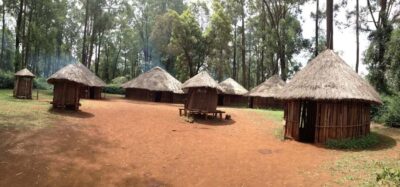
The word boma refers to an enclosed homestead. That makes the name fitting. This is not only a performance venue. It is also an outdoor display of traditional homes, arranged in clusters according to regional customs.
The visit gives you a wide view of Kenya rather than one narrowly focused cultural experience. You may see how homes, granaries, livestock areas, and family spaces differ from one region to another. The layouts are especially useful because they connect architecture to everyday life.
I would treat Bomas as an introduction. You will not become an expert on all 42 ethnic groups in one afternoon, and the show cannot explain every custom in equal detail. But it gives you useful context before visiting other parts of Kenya, especially if your trip includes several regions and communities.
More Bomas of Kenya shows:
- Giraffe Centre, Elephant Orphanage, and Bomas of Kenya Day Tour from Nairobi
★ 4.5 · 96 reviews - Half-Day Cultural Tour to Bomas of Kenya in Nairobi
★ 4.5 · 23 reviews - Half-day tour Bomas of Kenya with Pick-up
★ 5.0 · 19 reviews
The 1 p.m. pickup from your Nairobi hotel
The afternoon starts with pickup from your Nairobi hotel or accommodation at 1 p.m. That makes this a manageable choice if you have a free afternoon rather than a full day to spare.
Hotel pickup is one of the better reasons to consider the organized option. You do not need to work out transport to the venue, and the guide can help frame what you are seeing. Hotel drop-off is also included, which removes one more Nairobi transport decision at the end of the visit.
The transport itself deserves a practical check. One unhappy booking involved a non-air-conditioned cab and a substitute performance at another location. That does not prove every vehicle or departure will be the same, but it gives you a sensible question to ask before booking: Is the actual Bomas venue open, and what type of vehicle is being used?
If you are comparing costs, a direct taxi or ride-hailing trip may be cheaper. One price report put the local entrance fee at about $20, though admission prices can change. At $62 per person, this experience only makes strong financial sense if you value the included pickup, return transfer, guide, and convenience.
Walking among mud huts and family compounds

The outdoor homesteads are likely to be the quietest and most informative part of the visit. The traditional houses are arranged in groups by region, allowing you to compare building styles instead of seeing one isolated hut with no context.
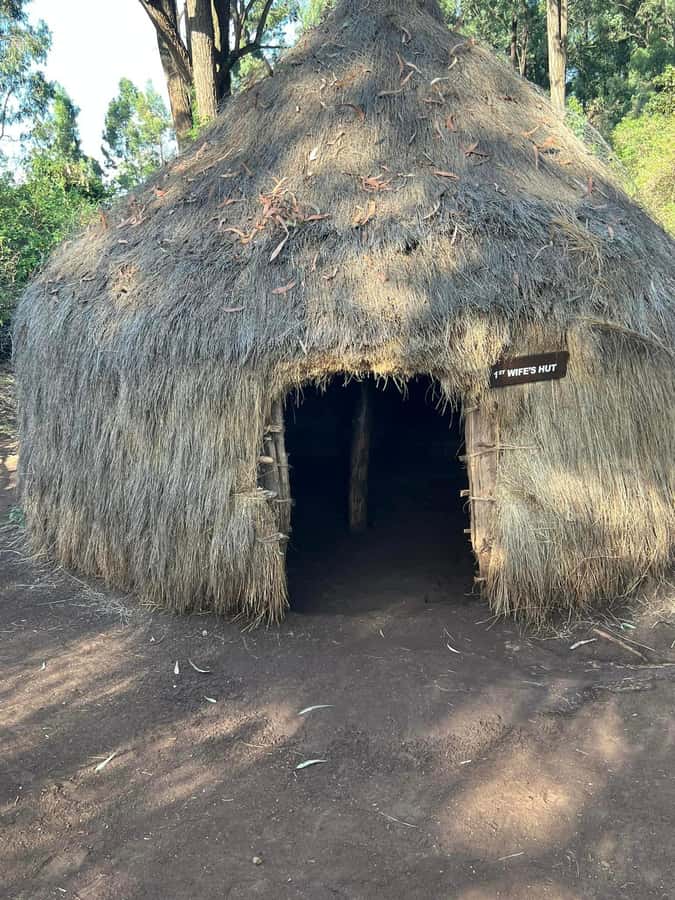
You can look for the way each cluster is organized. The display includes a first wife’s hut, a second wife’s hut, a granary, and areas where livestock are kept. These details show that a homestead is not simply a sleeping place. It is a working family unit, with space assigned to food storage, animals, cooking, and household members.
I like this part because it gives the performances a physical setting. Music and dance can be exciting, but the homes help explain the practical side of community life. You begin to see how family structure, farming, storage, and animals shaped the use of space.
Do not expect every building to be open or explained in the same depth. The information provided describes the arrangement and variety, but it does not promise a long guided lesson at each house. Use the guide for questions, then take your time comparing the clusters.
The homesteads also make this a better choice for people who want more than a stage show. If you only watch the performance, you may leave entertained but with little sense of how people lived. The outdoor displays add the grounding detail.
The arena show: dance, music, folklore, and acrobatics
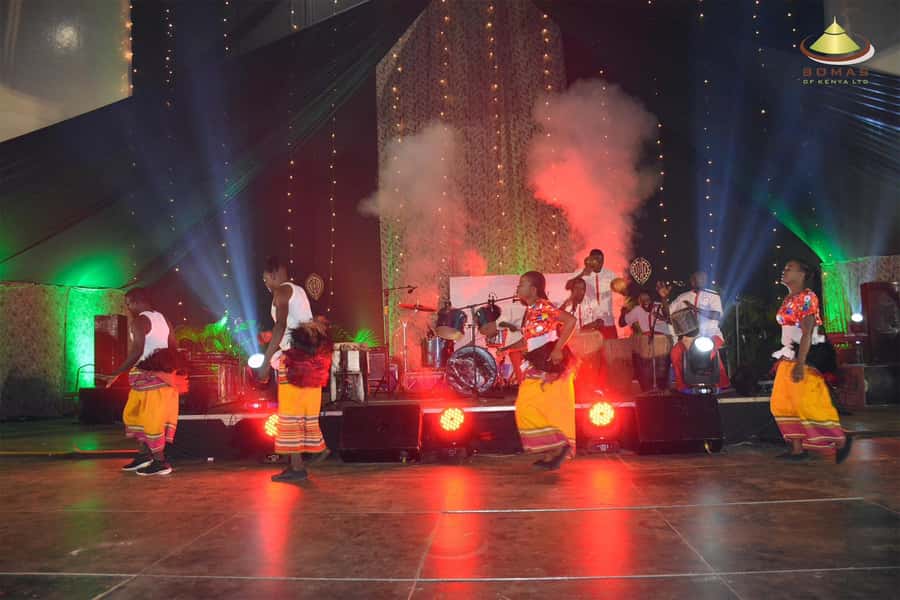
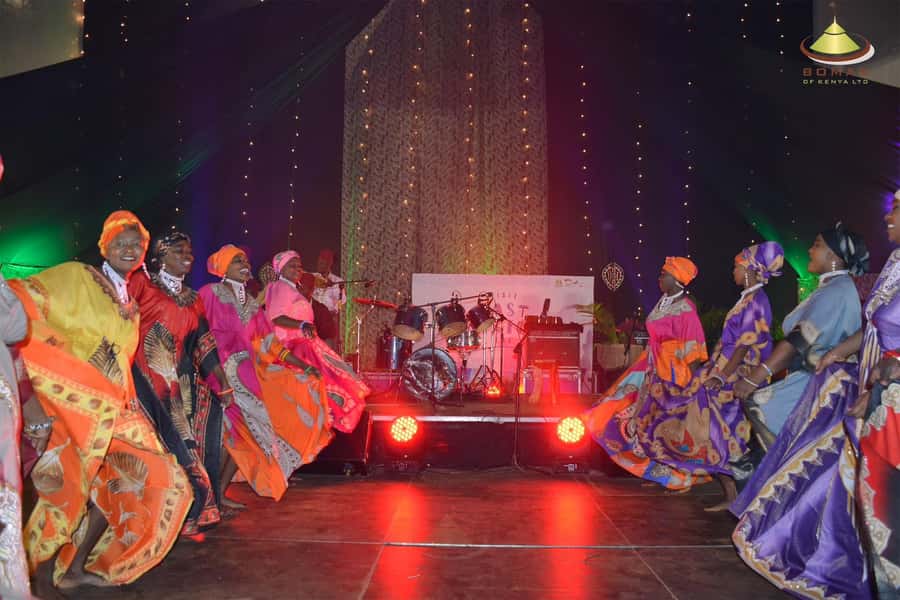
The central performance is held in a splendid arena. Traditional dancers present music, songs, and folklore connected with different Kenyan communities. The format is designed for a broad audience, so you should expect a lively cultural showcase rather than a small, informal village gathering.
The performance is the high point for many people. It gives you a fast-moving display of costume, rhythm, movement, and storytelling. The variety also matters. Instead of focusing on only one tradition, the program introduces several forms of Kenyan expression in a single sitting.
Acrobatics add a separate burst of energy. The arena includes thrilling acrobatic performances, so the show is not limited to songs and dances. If you are visiting with children, this may be the part that holds their attention most easily.
At the same time, a stage presentation has limits. It compresses complex traditions into a scheduled show. You may see an appealing sample of music and dance without learning the full meaning behind every performance. Ask your English-speaking guide for context before or after the show, especially if a dance or song catches your interest.
The best approach is to enjoy the performance for what it is: a polished public presentation of Kenyan cultural forms. It is not a substitute for meeting people in their home communities, but it is a convenient starting point in Nairobi.
A few more trips worth weighing up
- Nairobi National Park Half-Day Tour; Free Wi-Fi connection
★ 5.0 · 878 reviews - Nairobi: National Park & Optional Elephants & Giraffe Center
★ 4.8 · 874 reviews - NAI NAMI: Nairobi Storytelling Tour with Street Children
★ 5.0 · 792 reviews - Nairobi National Park Half-Day Game Drive
★ 4.5 · 738 reviews
Why the 42-community format is useful, and where it falls short
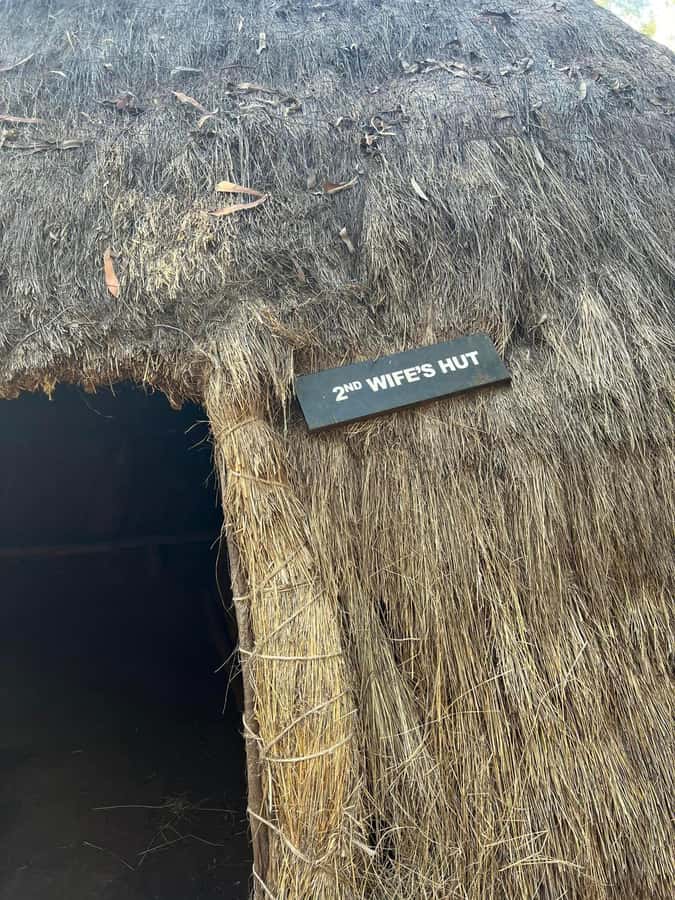
The experience aims to represent Kenya’s 42 ethnic groups. That scope is one of its biggest strengths and one of its main weaknesses.
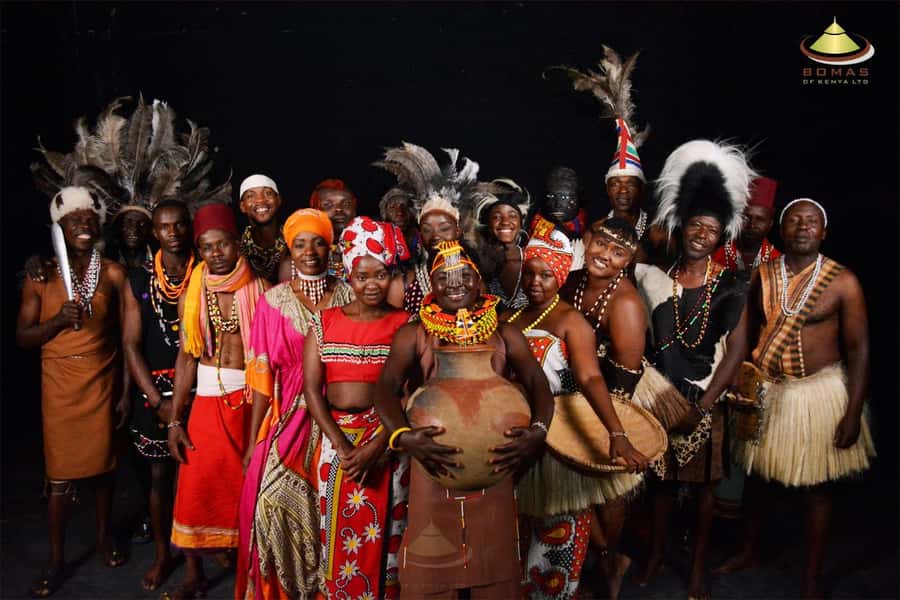
The strength is variety. You can begin to understand that Kenya is not one single cultural block. Differences in music, housing, family arrangements, folklore, and performance styles become easier to notice when presented side by side.
The weakness is time. A single afternoon cannot explain 42 communities in detail. Some groups may receive only a brief mention or a short part in the performance. You should arrive expecting a survey, not a complete cultural course.
I would recommend taking notes mentally on what interests you most. If a particular style of house, story, or dance stands out to you, use it as a starting point for later reading or for questions to your guide. That makes the visit more personal and prevents it from becoming a blur of costumes and drumming.
The experience also has value at the beginning of a Kenya trip. It can give you a basic framework for understanding later encounters. If you visit cultural sites elsewhere, you may recognize how homes, music, or community customs differ from what you saw here.
The guide and the value of included transport
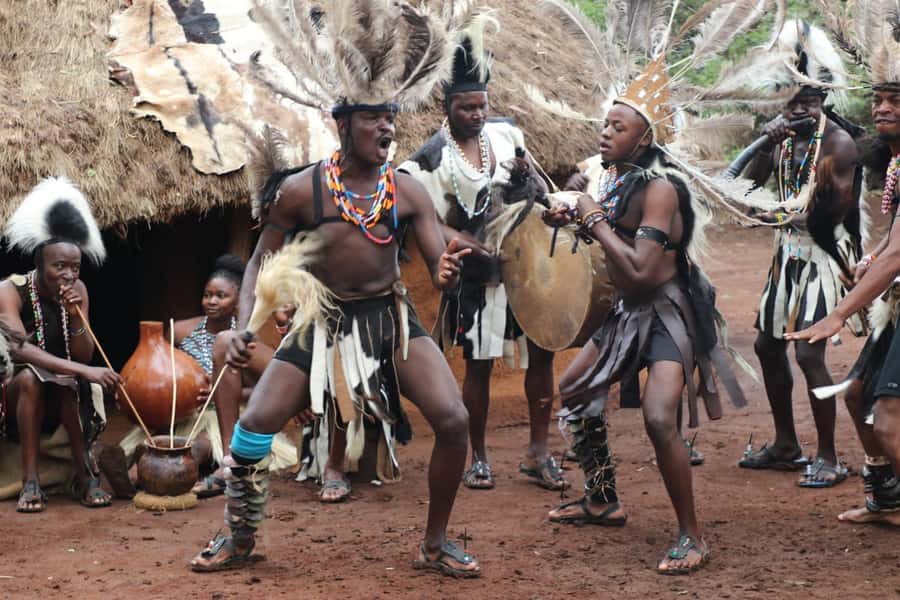
A professional English-speaking guide is included. That matters because the displays need explanation. Without context, a granary is simply a small structure, and a group of huts can look like a collection of similar buildings.
A good guide should help you understand why homes are grouped as they are, what the different household spaces represent, and how the performance relates to Kenyan communities. The available information does not provide a guide’s name, so you should not expect a named specialist when booking.
The guide also makes the organized tour more convenient than arranging your own visit. You have someone to coordinate pickup, admission, and the return journey. For a first visit to Nairobi, that ease may be worth paying extra for.
Still, compare the price honestly. At $62 per person, you are paying for a package, not only for admission. If you already have a car, driver, or reliable ride-hailing app, going directly may cost less. If you would otherwise need to arrange a return trip and find the entrance on your own, the package becomes more appealing.
Food, shopping, and family time on the grounds
Food and drinks are not included, and lunch is not part of the experience. Alcoholic drinks may be purchased separately. Plan accordingly, especially if you are bringing children or expect the visit to run through a normal meal period.
The site includes a small, low-key village of craft shops. This is useful if you want a souvenir, but you should treat shopping as an optional extra rather than the purpose of the visit. Souvenir photos are also available for purchase and are not included in the price.
Families get a practical bonus: there is a large wooden play area for young children. That gives children somewhere to release energy before or after the performance, while adults spend more time with the homestead displays or shops.
The play area does not change the cultural focus of the outing, but it can make the afternoon easier for families. Parents should still expect the main show and outdoor displays to be the central activities.
The renovation warning you should take seriously
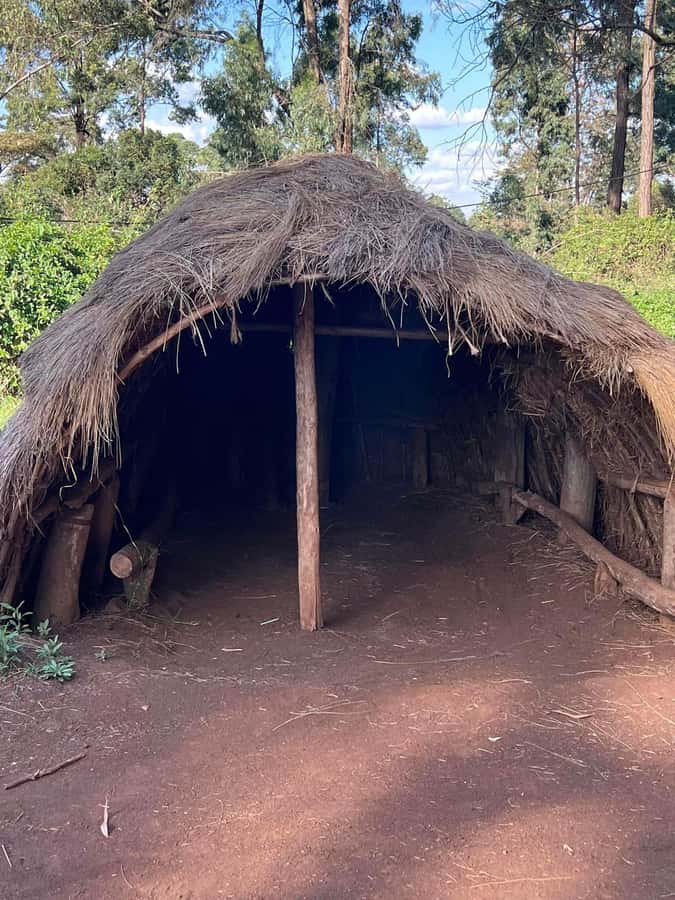
The most important practical issue is confirming that Bomas of Kenya is open on your date. A past booking was affected by a renovation closure, and the visitors were taken to another location for a one-hour show in a small tent instead.
That substitute experience was not considered an acceptable replacement for a visit to Bomas. This is a serious distinction. If you are paying to see the arena and traditional homesteads, another performance elsewhere does not provide the same experience.
Before booking, contact the provider or venue and ask for direct confirmation of three points:
- Bomas of Kenya is open to the public on your date.
- The traditional homesteads can be visited.
- The main arena performance is scheduled as advertised.
Do not rely only on an old calendar entry. Conditions can change, and this single check could prevent the biggest disappointment associated with the tour.
Is $62 per person good value?
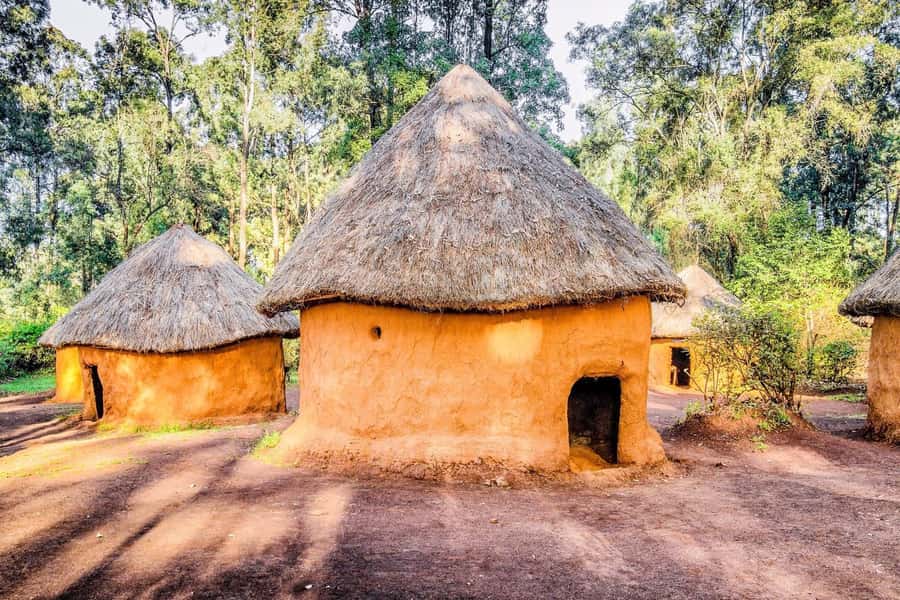
The price sits in the convenient package category. You receive admission, an English-speaking guide, pickup from your Nairobi accommodation, and drop-off afterward. There is no need to arrange separate transport or pay the entrance fee at the gate.
I would call the value fair for a visitor who wants a simple afternoon with transport included. It is less attractive if you are comfortable using a ride-hailing service and can visit independently. The reported entrance price of about $20 is a useful comparison, although you should confirm the current direct admission rate.
The price does not include lunch, other food or drinks, alcohol, or souvenir photos. Those costs are not hidden, but they can make the afternoon more expensive if you buy several extras.
You can reserve now and pay later, which helps if your Nairobi schedule is still changing. Cancellation is allowed up to 24 hours before the experience for a full refund. Even so, I would verify the renovation status before treating the booking as secure.
Who will enjoy this afternoon most?
I would recommend Bomas of Kenya to you if you want a broad, easy introduction to Kenyan culture without leaving Nairobi. It suits first-time visitors, families, and anyone who prefers a planned afternoon with transport handled.
It is also a good fit if you enjoy live performance. The dance, music, storytelling, and acrobatics give the visit a clear centerpiece, while the homesteads provide something to explore at a slower pace.
You may want to skip the organized package if your main goal is the lowest possible price or if you already have a driver. In that case, compare the direct admission fee and arrange your own visit, but confirm the venue is open first.
You should also adjust your expectations. This is a public cultural presentation, not a private visit with one community. You will get variety and convenience, but not a long, detailed study of each of Kenya’s 42 ethnic groups.
Should you book Bomas of Kenya?
Book it if the venue is confirmed open, you want live Kenyan dance and acrobatics, and hotel transport is worth the extra cost. The combination of arena performances and regional homesteads gives you more than a stage show alone.
I would not book it blindly. The reported renovation problem is too important to ignore, and a substitute tent performance may not match what you paid to see. Confirm the actual venue, show, and homestead access first.
For families and first-time visitors to Nairobi, the experience can be a pleasant cultural introduction. For independent, budget-minded visitors, a direct visit may offer better value. The right choice comes down to convenience versus price, with the venue check being essential in either case.
FAQ
Where is Bomas of Kenya located?
Bomas of Kenya is in central Kenya, in the Nairobi area.
What is included in the $62 price?
The price includes admission to Bomas of Kenya, an English-speaking professional guide, pickup from your Nairobi accommodation, and drop-off at your accommodation.
What time does the experience start?
Pickup begins at 1 p.m. from your Nairobi hotel or accommodation.
What will I see at Bomas of Kenya?
You can see traditional dances, music, songs, folklore, acrobatic performances, mud huts, traditional homesteads, granaries, livestock areas, and household layouts arranged by region.
Are food and drinks included?
No. Lunch, food, drinks, alcoholic drinks, and souvenir photos are not included. Alcoholic drinks and souvenir photos may be available to purchase separately.
Can I cancel the booking?
Yes. You can cancel up to 24 hours in advance for a full refund. You can also reserve the experience and pay later.
Just added around Nairobi
- Nairobi: Airport and Hotel Private Transfers.★ 4.0 · 3 reviews
- Nairobi: Giraffe Center, Elephant Orphanage and Bomas Tour★ 5.0 · 3 reviews
- 11-Days Best of Kenya & Tanzania Big 5 Safari on a 4×4 Jeep★ 5.0 · 3 reviews
- Kitengela Anselm Hot Glass tour★ 4.5 · 3 reviews
- NAIROBI NATIONAL PARK AFTERNOON GAME DRIVE.★ 5.0 · 3 reviews
- 12-Day Tsavo west Amboseli lake Nakuru Maasai Mara safari★ 5.0 · 3 reviews
- Nairobi Down Town & Walking City Tour★ 4.8 · 3 reviews
- Carnivore Resturant Dinner Experience★ 4.0 · 3 reviews
Bomas of Kenya Shows, compared.

Giraffe Centre, Elephant Orphanage, and Bomas of Kenya Day Tour from Nairobi
Read our review →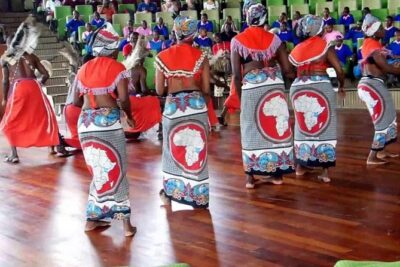
Giraffe Center, Elephant Orphanage, Beads Center & Bomas of Kenya Tour Nairobi
Read our review →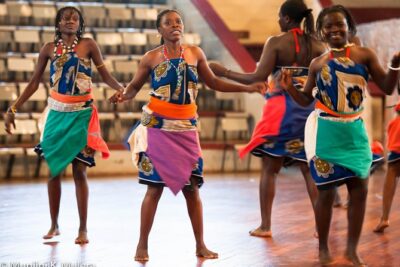
Half-Day Cultural Tour to Bomas of Kenya in Nairobi
Read our review →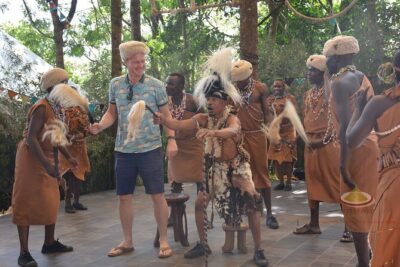

Nairobi city sights, Giraffe Encounters and Bomas Kenya Tour
Read our review →
Nairobi National Park, Elephants, Giraffes & Bomas Day Trip
Read our review →
Browse the lists this tour appears in