
Reviewed · WILDLIFE
Mombasa Cultural & Wildlife Experience
Kenya gets personal here. This four-hour Mombasa outing brings you close to Mijikenda culture, village elders, local schoolchildren, and free-roaming wildlife at Nguuni Nature Sanctuary. I like the genuine human contact, especially the chance to hear stories and join a traditional dance rather than simply watch from a distance.
I also like the tidy mix of culture and nature. You can move from coconut water and village life to giraffes, ostriches, and antelopes in the same half-day. The main catch is cost clarity: the advertised $100 price does not include the $20 village fee or $10 sanctuary fee, and transport from outside Mombasa costs extra.
In This Review
- Key points to know before you go
- Why this four-hour Mombasa outing works
- Start with Mtwapa and a weekday school visit
- Walk through a real Mijikenda village
- Join the Mijikenda dance, do not just watch
- Coconut water, palm wine, and a short local break
- Meet the giraffes at Nguuni Nature Sanctuary
- Romantic picnics and professional photographs
- What the $100 price really buys
- Timing, languages, and practical preparation
- Who should book this experience?
- Should you book the Mombasa Cultural and Wildlife Experience?
- FAQ
- How long does the Mombasa Cultural and Wildlife Experience last?
- How much does the tour cost?
- Are the village and sanctuary entry fees included?
- Is hotel pickup included?
- Is the school visit available every day?
- Which languages can the guide speak?
- Can I request a tuk-tuk?
- What should I bring?
- Can I cancel or pay later?
Key points to know before you go
- A school visit adds real local contact: The weekday stop lets you meet children and see classrooms, but it is not available on weekends.
- Mijikenda culture is participatory: Village elders provide stories, and the dance section invites you to join rather than sit quietly.
- Nguuni offers close wildlife viewing: Giraffes, ostriches, and antelopes move through an open setting, with no fences mentioned around the animals.
- The true starting price is $130: Add the $20 village entry and $10 Nguuni Sanctuary fee, both paid in cash on the day.
- Rico is a guide name worth noting: A past guest praised Rico for being attentive, flexible, and willing to adjust the outing toward wildlife.
- A tuk-tuk can change the feel of the day: Pickup is included within Mombasa in a comfortable vehicle, but a tuk-tuk can be requested for a more local-style ride.
Why this four-hour Mombasa outing works
Many coastal excursions split culture and wildlife into separate days. This one keeps both within a compact schedule, beginning around Mtwapa and ending with time among animals at Nguuni Nature Sanctuary.
That combination matters if you have only a short stay in Mombasa. You get an introduction to the Mijikenda people, a taste of local hospitality, a live cultural performance, and a wildlife stop without committing to a full safari outside the city.
I would think of this as a focused cultural and nature outing, not a full-day safari. The phrase unforgettable day may sound grand for a four-hour program, but the schedule is packed enough to feel useful. You will spend much of the time moving between short visits, walking sections, and the sanctuary.
The experience is also personal in scale and tone. It is built around conversation, meeting people, and taking part. If you prefer a polished stage show with a fixed script, this may feel informal. If you want direct contact and some flexibility, that informality is part of its appeal.
More wildlife trips:
- African Wildlife & Nature – 5 Kenya national parks – 6 day Jeep Safari
★ 5.0 · 60 reviews - Nairobi Park Wildlife Safari
★ 5.0 · 31 reviews - Half day wildlife tour to Nairobi National Park Game Drive with Pickup/Drop off
★ 5.0 · 26 reviews
Start with Mtwapa and a weekday school visit
Pickup is available from Nyali, Bamburi, or Mombasa. Within Mombasa city, the price includes hotel or residence pickup and drop-off. The transport arrangement keeps the morning simple, especially if you are staying in one of those main areas.
The first stop can be a local school, available on weekdays only. You walk through classrooms, meet children and teachers, and hear something about their hopes and daily life. This is a brief visit, not an educational workshop, but it gives the day a human beginning.
I like this stop because it moves beyond the usual coastal sightseeing routine. You are not just looking at buildings or taking photographs. You are meeting people in a place that matters to their everyday lives.
You should bring a respectful attitude. Ask before photographing children, and follow the guide’s direction about where to walk and when to take pictures. The program describes a warm welcome, but a school is a working place, not a theme park.
If you book on a Saturday or Sunday, the school portion will not be available. The rest of the cultural and wildlife program still forms the core of the excursion, but you should not expect the school visit to be substituted automatically.
Walk through a real Mijikenda village
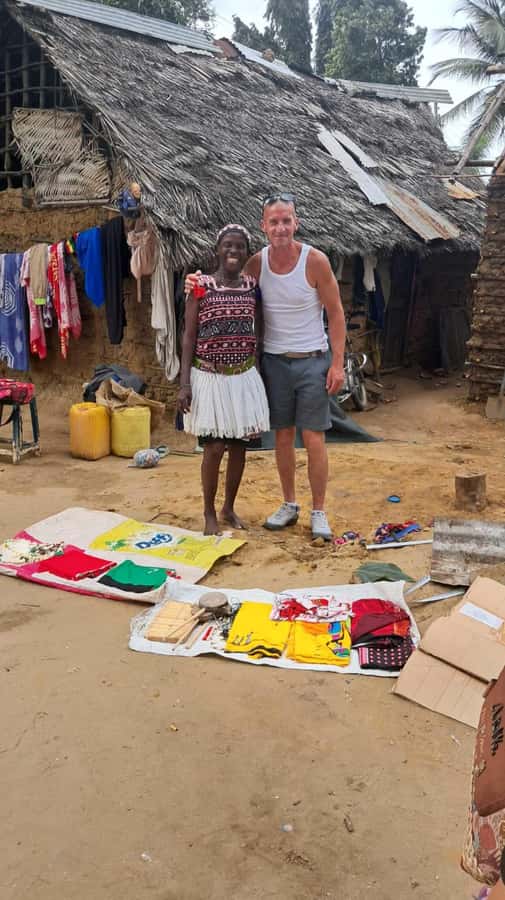
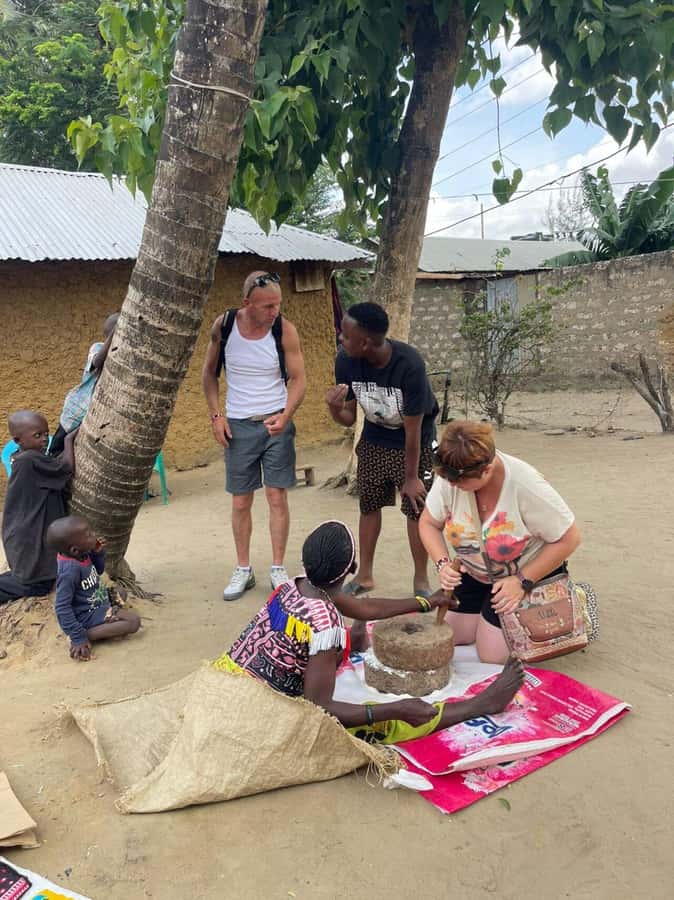
The village portion is the cultural heart of the experience. Village elders guide you through homesteads and explain Mijikenda traditions, survival stories, ancestral tales, and everyday life.
The schedule allows roughly 30 minutes for a guided walk, followed by shorter visits and the dance segment. That is enough for an introduction, but not enough to cover every part of Mijikenda culture. Go in expecting a meaningful snapshot rather than a complete anthropology lesson.
The value comes from the setting and the people leading it. Stories from elders can give context that a museum label cannot. You may learn how traditions connect to family, community, and the surrounding environment. The best approach is to listen closely and let the guide manage the flow.
There is a required $20 village entry fee per person, paid in cash on the tour date. This is separate from the $100 booking price, so two people should budget an additional $40 for this stop alone.
That extra charge does not make the experience poor value, but it does change the calculation. You are paying for direct community-based contact, not just transportation and sightseeing. Still, the fee should be clear in your budget before you book.
Join the Mijikenda dance, do not just watch
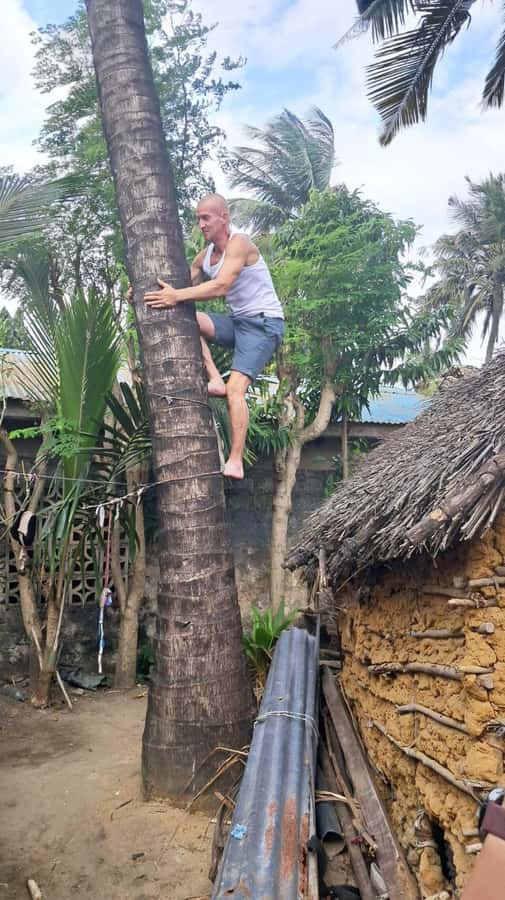
The traditional dance lasts about 25 minutes. Drums set the pace, dancers perform, and you are invited to take part in the movements.
This is one of the most praised parts of the experience because it is friendly and interactive. You do not need dance skills. A willingness to smile, copy a few steps, and accept a little good-natured embarrassment will serve you better than perfect rhythm.
I like that the dance is presented as a social welcome instead of a distant performance. It gives you a physical sense of the music and makes the cultural exchange mutual. You are not simply photographing a group from the edge of the gathering.
Wear comfortable clothes and shoes. You may want to keep your camera ready for the opening and closing moments, but do not spend the whole segment behind a screen. Ask the guide about photography before the dancing begins, especially when photographing individuals.
A short photo stop follows, giving you time to record the setting without rushing through the dance itself. The exact photo opportunities depend on the day and the location, so treat this as a useful pause rather than a guaranteed portrait session.
A few more trips worth weighing up
- Walking Tour Through Old Town Mombasa and Fort Jesus
★ 5.0 · 393 reviews - Mombasa: Kisite Park Private Cruise with Breakfast and Lunch
★ 4.7 · 181 reviews - Mombasa City Tour
★ 5.0 · 170 reviews - Mombasa: Tusks, Fort Jesus, Old Town, Beach and City Tour
★ 4.7 · 137 reviews
Coconut water, palm wine, and a short local break
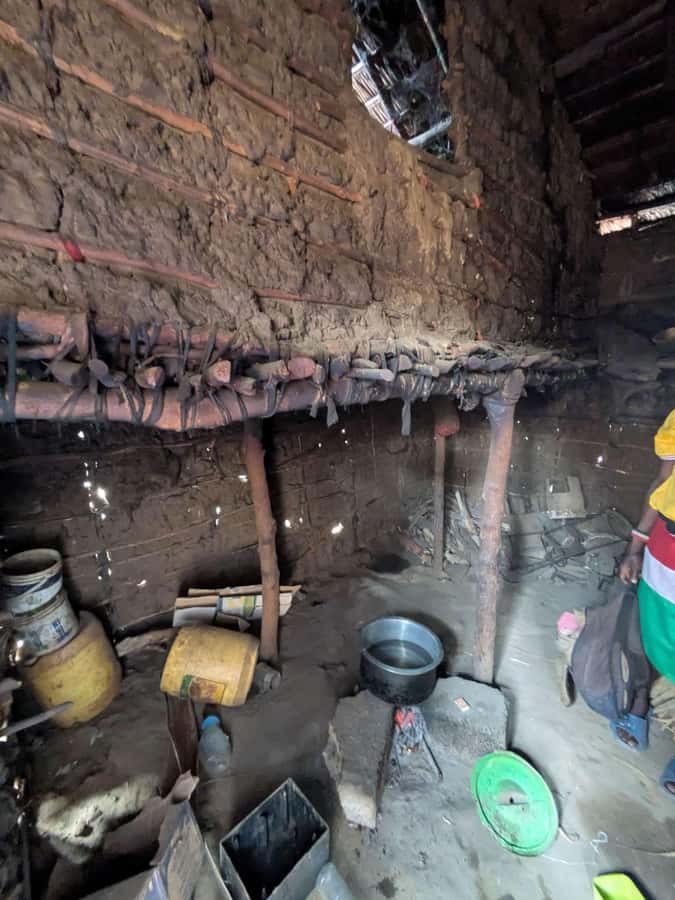
The refreshment break lasts about 20 minutes. You can cool off with fresh coconut water taken from the tree, and adventurous adults can try traditional palm wine in a sweet or dry style.
This small part of the outing adds local flavor without pretending to be a full meal. Bottled water is included, but extra drinks, snacks, and meals outside the planned experience are not.
If you try palm wine, ask what is being served and how much it costs before accepting an additional portion. The supplied information confirms that it is available, but it does not say that every drink beyond the tasting is included.
The timing matters. Mombasa’s heat can make a short walking tour feel longer, so use the break to drink water, rest, and apply sunscreen. Sunglasses, a sun hat, and light, comfortable clothing are sensible choices.
Meet the giraffes at Nguuni Nature Sanctuary
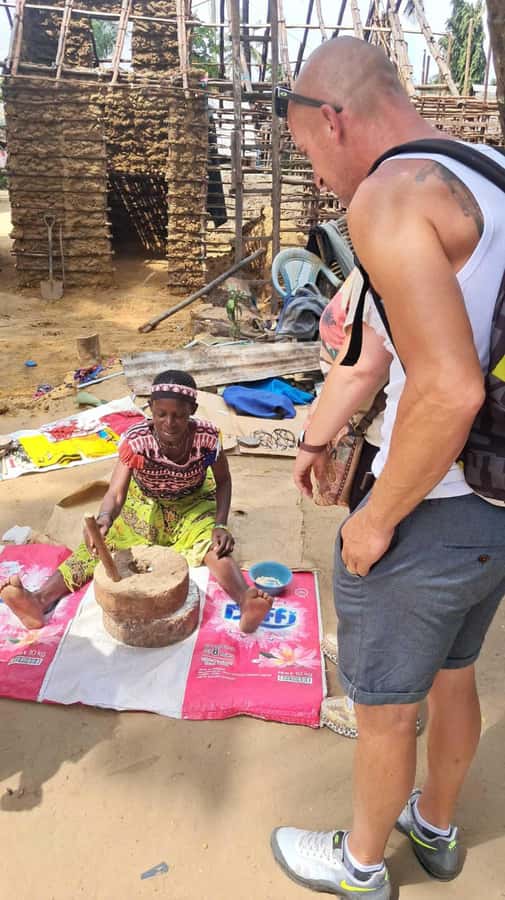
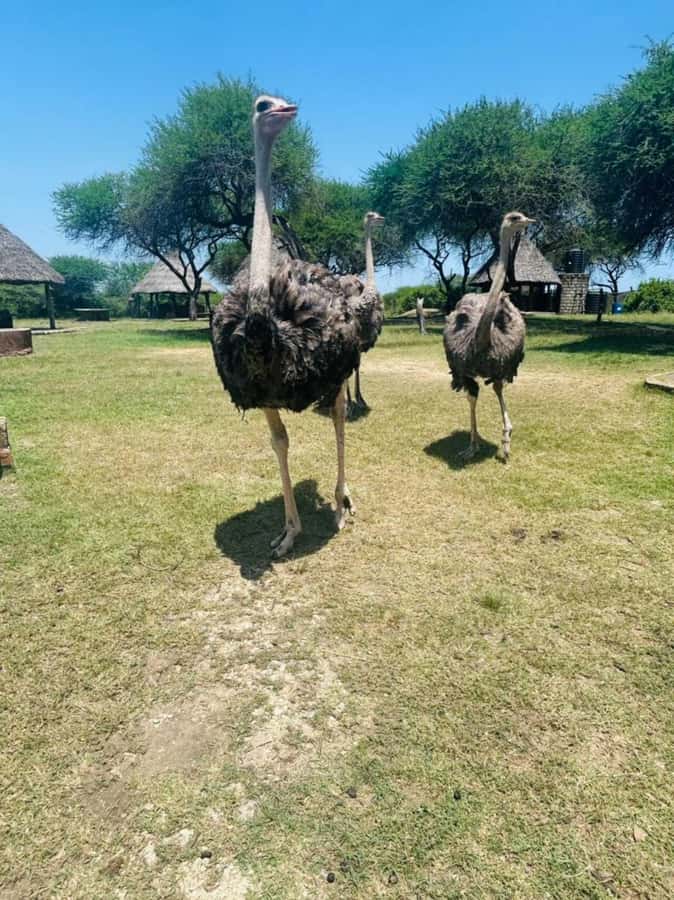
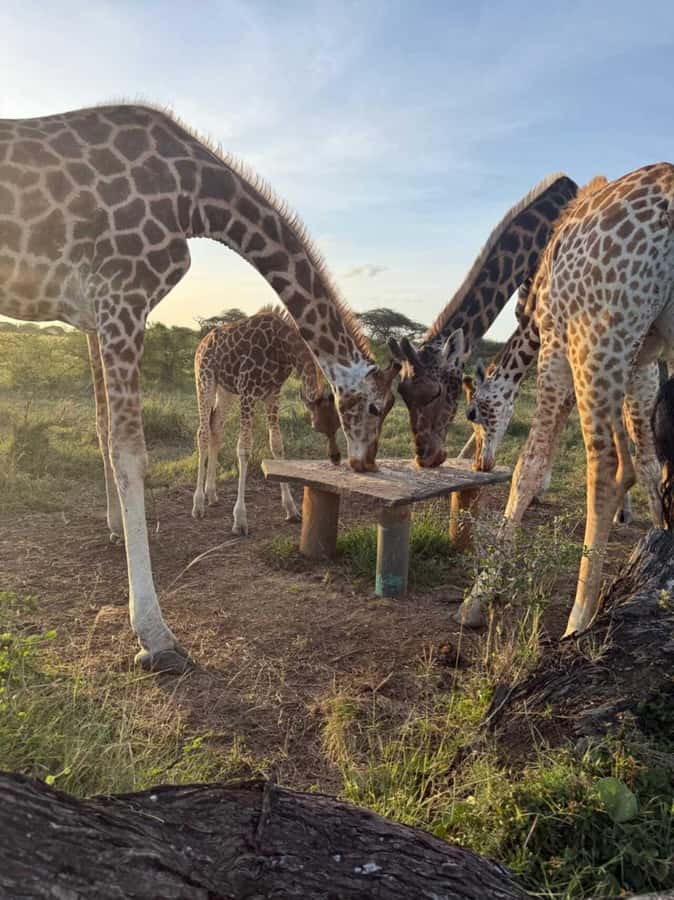
The final major stop is Nguuni Nature Sanctuary, where giraffes walk through open surroundings and ostriches and antelopes graze nearby. The sanctuary offers a calmer change of pace after the drums, conversations, and village walking.
You have about 25 minutes on foot as part of the program. That is not a long wildlife drive, so keep your expectations realistic. This is a chance to see animals in a peaceful natural setting, not a substitute for a multi-day safari in a national park.
The strongest wildlife detail is the closeness. A past German visitor described the animals as impressively near and without fences, which suggests an intimate viewing experience. You should still follow all guide instructions and keep a sensible distance. Close does not mean safe to approach or feed.
The sanctuary is also the better part of the tour for photography. Giraffes make striking subjects, and the open setting gives you room for wider pictures with the surrounding savannah and acacia trees.
There is a separate $10 Nguuni Sanctuary entry fee per person, paid in cash on arrival. Add that to the village fee and the basic $100 price. The total becomes $130 per person before any optional upgrade or outside-Mombasa transport.
One concern deserves attention: a past visitor noted plastic rubbish in the park. That is a fair criticism, especially in a wildlife setting. Bring your own small waste bag, carry out anything you bring in, and pick up litter only if you can do so safely. Do not turn cleanup into contact with wildlife.
Romantic picnics and professional photographs
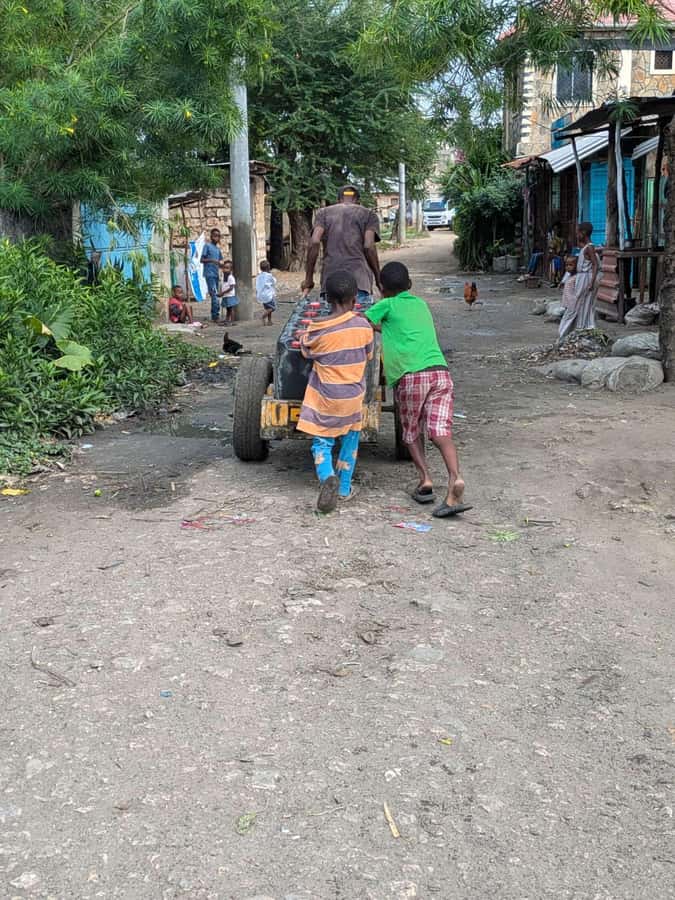
Two optional extras are available at an additional cost.
The romantic picnic places snacks and drinks under acacia trees. It could suit a honeymoon, engagement, anniversary, or simply a quiet pause after the cultural part of the day. Ask for the exact price and setup details before confirming, since those costs are not included.
The private photoshoot is aimed at couples and families who want professional-quality pictures with giraffes or in the savannah setting. This is useful if your phone camera is not enough or if you want formal engagement photographs.
I would not add both upgrades automatically. The basic tour already provides a photo stop and wildlife viewing. Choose the picnic if atmosphere matters most, or the photoshoot if you have a specific celebration or family memory to record.
What the $100 price really buys
The $100 per-person charge includes the guide, local school visit on weekdays, Mijikenda dance, elder storytelling, bottled water, wildlife viewing, and Mombasa pickup and drop-off.
The price is reasonable if you value the cultural portion and want a guide to connect the stops. You are supporting local people directly, including the village community and those involved in the dance and guiding.
The extra fees are important. The village costs $20 per person, and Nguuni costs $10 per person. That makes the known total $130 per person. Personal purchases, extra food, and optional romantic or photography services come on top.
For pickup outside Mombasa, transport is charged separately according to distance. This caused confusion for at least one person who did not realize the transport charge was excluded. If you are staying beyond Mombasa city, contact the provider after booking and confirm the amount before the tour date.
A tuk-tuk pickup is available on request. It may be less spacious than a standard vehicle, but it offers a more local way to see the city and was praised for being punctual in one account. Ask about the vehicle before choosing it, particularly if you carry camera equipment or need extra space.
Timing, languages, and practical preparation
The outing lasts four hours, but the start time depends on availability. Check the calendar carefully and allow a little flexibility around pickup.
Guiding is offered in English, German, French, and Italian. Rico has received especially warm praise for his flexibility and attentive manner. One German-speaking guest wanted to focus mainly on the animals, and the guide adjusted the plan accordingly. That suggests it is worth explaining your priorities before departure.
You should carry cash for the $20 village fee and $10 sanctuary fee. Also pack:
- Comfortable walking shoes
- Sunglasses and a sun hat
- Sunscreen
- A camera
- Comfortable clothes
- Bottled water or use the included bottle
The program includes pickup and drop-off in Mombasa, including Nyali and Bamburi. Outside the city, confirm the additional transport cost. Cancellation is free up to 24 hours before departure, and you can reserve now and pay later, which helps if your coastal schedule is still changing.
Who should book this experience?
I would recommend it to first-time visitors who want more than beaches, families looking for a short outing, couples interested in the optional picnic or photoshoot, and anyone who enjoys meeting local people.
It suits you especially well if you like a flexible guide, simple walking, music, photography, and a mix of planned stops. The program is also a good fit if you have only four hours available and do not want to spend a whole day in transit.
I would think twice if your priority is a long wildlife safari. Nguuni gives you a short sanctuary visit, not hours of animal tracking. I would also reconsider if you dislike participatory cultural activities or prefer fully private, polished sightseeing.
Should you book the Mombasa Cultural and Wildlife Experience?
Book it if you want a compact, people-focused introduction to Kenya’s coast. The strongest reasons are the elder-led village visit, the chance to join the Mijikenda dance, and the close wildlife viewing at Nguuni.
Before paying, calculate the full cost as $130 per person, then add any outside-Mombasa transport or optional extras. Choose a weekday if the school visit matters to you, carry cash, and tell the guide whether culture or wildlife is your main interest.
For a short Mombasa stay, this is a worthwhile choice. It gives you conversation, rhythm, local food and drink, and animals in one well-filled morning or afternoon. Just book it for what it is: an authentic half-day introduction, not a full safari.
FAQ
How long does the Mombasa Cultural and Wildlife Experience last?
The experience lasts four hours. Starting times depend on availability, so check the available schedule when booking.
How much does the tour cost?
The listed price is $100 per person. You must also pay a $20 village entry fee and a $10 Nguuni Sanctuary entry fee in cash on the tour date, making the known total $130 per person before optional extras.
Are the village and sanctuary entry fees included?
No. The Mijikenda village fee is $20 per person, and the Nguuni Sanctuary fee is $10 per person. Both are paid in cash on arrival.
Is hotel pickup included?
Pickup and drop-off are included from hotels or residences within Mombasa city, including Nyali, Bamburi, and Mombasa. Transport from outside Mombasa costs extra based on distance.
Is the school visit available every day?
No. The local school visit is available on weekdays only.
Which languages can the guide speak?
Live guiding is available in English, German, French, and Italian.
Can I request a tuk-tuk?
Yes. A tuk-tuk can be arranged upon request as an alternative local transport experience.
What should I bring?
Bring comfortable shoes, sunglasses, a sun hat, sunscreen, comfortable clothing, a camera, and cash for the separate entry fees.
Can I cancel or pay later?
You can cancel up to 24 hours in advance for a full refund. You can also reserve now and pay later, so no payment is required immediately at booking.
Just added around Mombasa
- 3 Days Private Tour of Mombasa★ 4.5 · 3 reviews
- Mombasa: Wasini Dolphin Tour★ 3.2 · 3 reviews
- 1-Day Tsavo East Safari From Mombasa★ 5.0 · 3 reviews
- 2 Days Salt Lick Safari Tour★ 4.5 · 3 reviews
- Mombasa: Discovery Day Tour and Haller Park★ 4.1 · 3 reviews
- Private Tour of Tsavo East National Park from Mombasa★ 5.0 · 3 reviews
- Mombasa: Historical Guided city tour. Old town, Fort Jesus★ 4.2 · 3 reviews
- Airport Transfers to Watamu and Malindi★ 3.5 · 3 reviews
Wildlife, compared.
African Wildlife & Nature – 5 Kenya national parks – 6 day Jeep Safari
Read our review →
Half day wildlife tour to Nairobi National Park Game Drive with Pickup/Drop off
Read our review →
3 Days Best of MasaiMara Wildlife Private Safari, Mid-Range offer
Read our review →
6 Days Kenya Masai Mara,Lake Nakuru & Amboseli Wildlife Safari
Read our review →
David Sheldrick Wildlife Trust & Giraffe Center with Lunch
Read our review →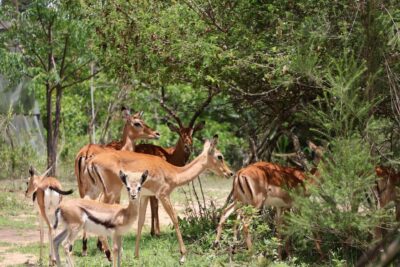
ATV/Quad Bike Wildlife Safari with Transfers & meal
Read our review →Browse the lists this tour appears in