
Reviewed · MASAI MARA SAFARIS
Great Wildebeest Migration Safari in Masai Mara
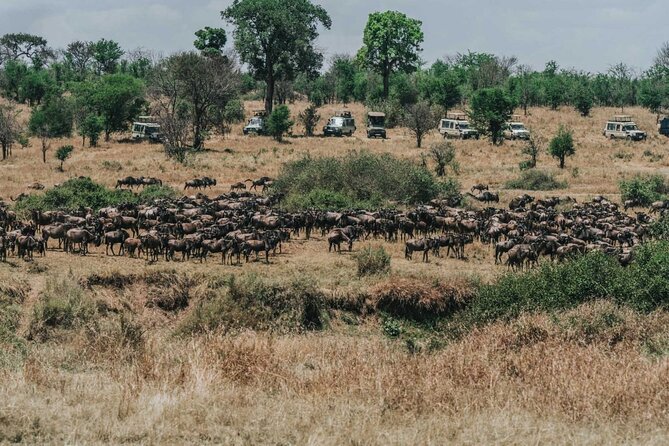
The Mara comes alive once a year. This four-day safari gives you a strong chance to see the wildebeest migration, big cats, elephants, crocodiles, and the wide open plains of Kenya’s Masai Mara. I especially like the full-day game drives on Days 2 and 3, since they give you time to search for wildlife instead of rushing from one sighting to the next. I also like the private format, onboard binoculars, custom 4×4 vehicles, and direct support from Divulge Adventures.
The main caution is cost and timing. At $1,430 per person, this is a serious investment, and the $80 daily park and conservation fee is extra. The migration is also a natural event, not a scheduled show. You may see huge herds near the Mara River, but no operator can promise a crossing on a particular day.
In This Review
- Key points to know before booking
- Why this four-day safari has real appeal
- Day 1: Rift Valley views and your first Masai Mara game drive
- Day 2: A full day searching for cats and migrating herds
- Day 3: Sunrise, the Mara River, and another long wildlife search
- Day 4: Maasai culture before the return to Nairobi
- What the $1,430 price really covers
- Who will enjoy this safari most
- Should you book the Great Wildebeest Migration Safari?
- FAQ
- When does the wildebeest migration take place?
- How long is the safari?
- Is transportation included?
- Are park entry and conservation fees included?
- What meals are included?
- Is the hot-air balloon safari included?
- Is this a private tour?
Key points to know before booking
- Migration season runs from July through September, when wildebeest, zebra, and antelopes move from Tanzania’s Serengeti toward Kenya’s Masai Mara.
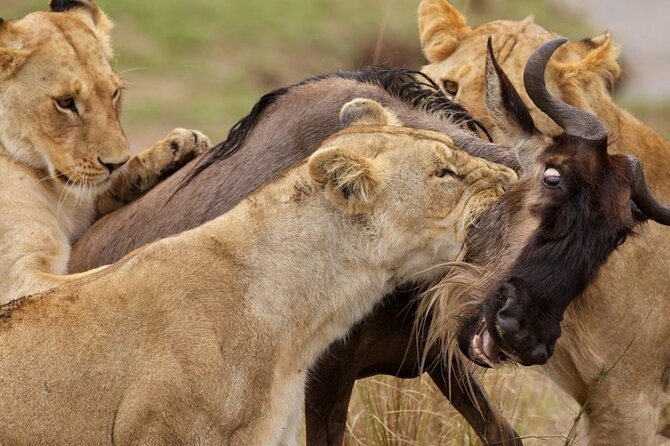
- Two full days in the reserve give you the best chance to find lions, leopards, cheetahs, serval cats, elephants, giraffes, buffaloes, and other wildlife.
- The Mara River is a major highlight, with a riverside visit and the possibility of seeing crocodiles near migration routes.
- A private safari vehicle keeps the schedule flexible, with only your group taking part.
- The tour includes meals, WiFi, binoculars, and private transport, but park and conservation fees cost an additional $80 per person per day.
- Day 4 adds a Maasai village visit, including dancing, fire-making, manyatta houses, and a look at how people live alongside wildlife.
Why this four-day safari has real appeal
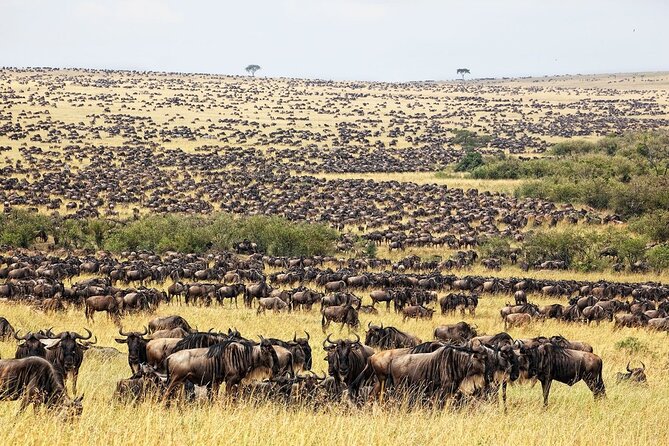
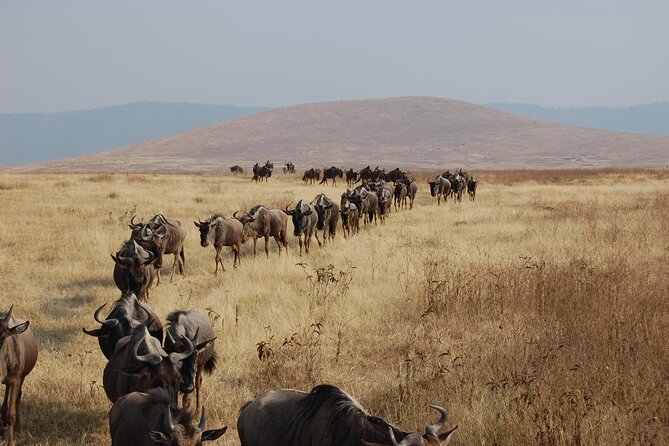
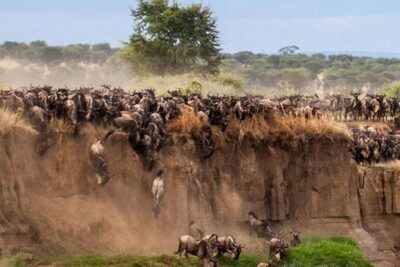
The wildebeest migration is the headline, and for good reason. Millions of animals move between the Serengeti and Masai Mara in search of fresh grazing. The Mara River crossing can bring together nervous wildebeest, waiting crocodiles, zebra, antelopes, and watching predators. It is one of nature’s great spectacles, but it is also unpredictable.
That unpredictability matters. You might see a crossing, or you might spend time watching herds gather and hesitate. A good guide can help you understand what is happening, but even the best guide cannot order the animals into the water. I would book this safari for the chance to witness the migration, not for a guaranteed river crossing.
The tour’s other strength is time. A quick safari often gives you a few hours in the reserve and little room for patience. Here, Days 2 and 3 are planned as full days in the bush, with packed breakfasts and lunches. That lets you stay out during the most useful wildlife hours and spend longer looking for cats, herds, and river activity.
You also travel privately. That means the vehicle is for your group rather than a shared party. Private transport is useful when one person wants to watch a cheetah for another ten minutes, or when your guide needs to adjust the search based on recent animal activity.
The operator, Divulge Adventures, describes an owner-managed service with custom safari-built 4×4 vehicles and 24-hour backup support. The available feedback gives particular praise to guides Eric and Erick, with strong comments about wildlife explanations, comfort, planning, and service. One account also credits James and the wider team for arranging a well-run migration safari.
More Masai Mara safaris we have reviewed:
- 3 Days Masai Mara Flight Safari
★ 5.0 · 7 reviews - 3 Days Masai Mara Group Joining
★ 5.0 · 486 reviews - From Nairobi: 3 Days, 2 Nights Maasai Mara Group Safari
★ 4.5 · 394 reviews
Day 1: Rift Valley views and your first Masai Mara game drive
The first day includes a stop at the Rift Valley View and a visit to what is described as Kenya’s first and smallest Catholic church. These stops break up the journey and add a little local interest before the main event.
The Rift Valley viewpoint is especially useful as an introduction to Kenya’s scale. You get a broad sense of the country’s dramatic terrain before moving toward the open plains of the reserve. The church stop is much smaller in scale, but that is part of its appeal. It offers a brief cultural and historical pause rather than another wildlife stop.
The journey into the Masai Mara takes much of the day. After arrival, you check in at your camp or lodge, have lunch, and take an afternoon rest. That pause is welcome because the evening drive follows soon afterward.
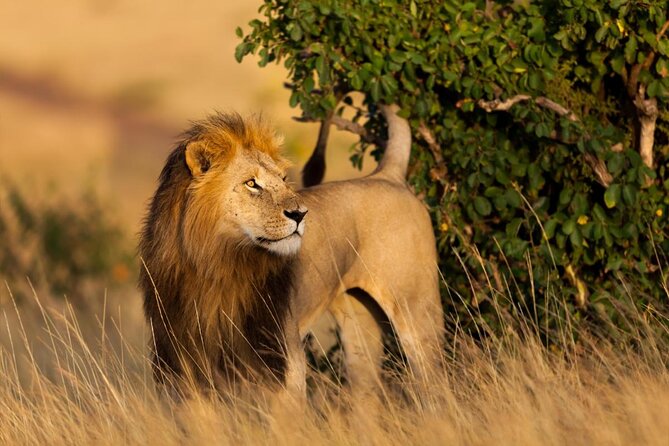
The first game drive lasts about two hours. It is a short introduction, but the timing is good. Late afternoon often brings changing light and increased animal movement. The plan specifically highlights large numbers of wildebeest, so you may begin to understand the scale of the migration before the longer drives begin.
The drawback is simple: Day 1 involves a lot of travel and only a limited amount of time inside the reserve. Think of it as a transfer day with an evening wildlife bonus, not a full safari day.
Day 2: A full day searching for cats and migrating herds
Day 2 is the first major wildlife day. After an early breakfast, you leave for a full-day drive with a packed lunch. The schedule allows around ten hours in the reserve, which gives your guide time to search across different areas rather than stopping at the first animal you see.
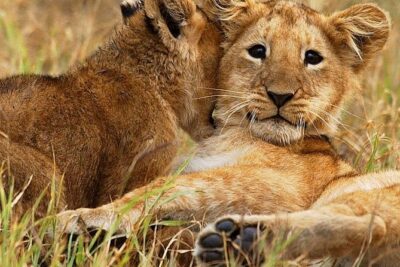
The focus includes lions, leopards, cheetahs, and serval cats. These animals behave differently, so variety matters. Lions may be easier to locate in open country, while leopards can be far harder to spot. Cheetahs often require patience and careful scanning, and serval cats are less predictable still.
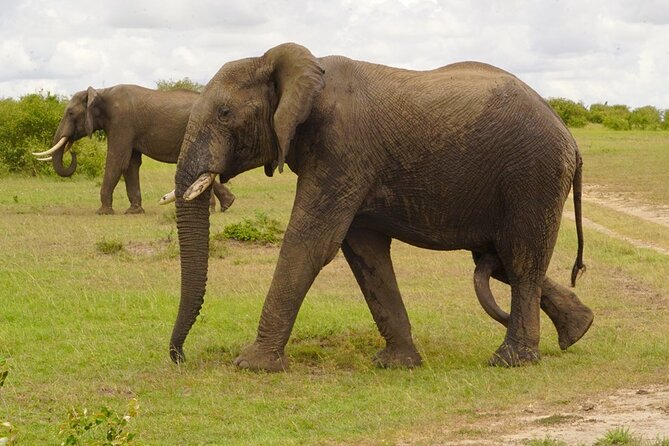
The tour also lists elephants, buffaloes, wildebeest, zebra, elands, topi, giraffes, impalas, and hippos among the possible sightings. You should treat that list as a guide to the reserve’s wildlife, not a promise. Wildlife sightings depend on weather, animal movement, time, and plain luck.
The packed lunch is more important than it sounds. Returning to camp for every meal would cut into your game-drive hours. Eating in the bush lets you keep moving and gives the day a better rhythm. You will spend a long stretch outdoors, so practical comfort matters more than a formal midday meal.
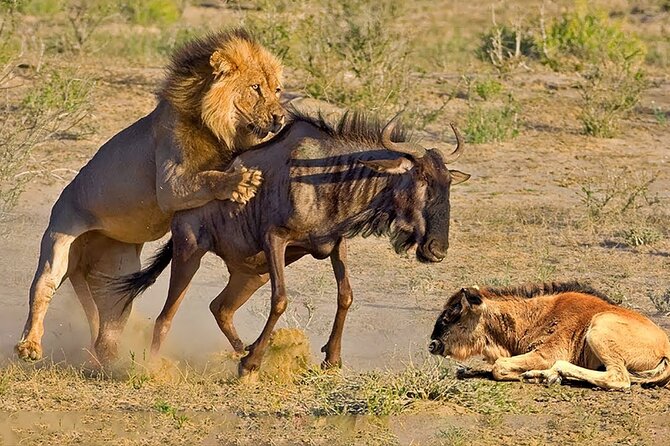
The strongest part of Day 2 is the chance to watch behavior, not just collect animal names. If conditions line up, you might see predators hunting or bringing down prey. That is never guaranteed, but the full-day format gives you a better chance than a short morning outing.
The private vehicle should also help here. You can ask questions and request more time at a sighting without needing to match the pace of another group. The guides are praised for explaining the Big Five and helping guests understand what they are seeing. That personal attention can turn a distant animal into a meaningful encounter.
Day 3: Sunrise, the Mara River, and another long wildlife search
Day 3 repeats the full-day safari format, but with an earlier start. You leave with a packed breakfast and lunch, and the breakfast may be eaten outdoors while watching the sunrise if weather allows.
A picnic breakfast adds atmosphere, but it also means a very early morning. That is worth considering if you prefer slow starts. For wildlife fans, the tradeoff is good: you gain more time in the reserve and reach the plains while the day is beginning.
The day’s central feature is the Mara River, sometimes called the river of death because of its dangerous crossings and crocodile-filled waters. The plan includes a walk by the riverbank. This is a different experience from watching animals from the vehicle, though you should follow the guide’s instructions closely near any wildlife area.
The river is tied closely to migration stories. Wildebeest and zebra may gather at the banks before attempting a crossing. Crocodiles wait in the water, and the animals face steep banks, strong currents, and confusion once the first creatures enter. You may see a crossing, herds waiting, or simply the river environment that makes this part of the migration so dramatic.
Day 3 is also another chance to look for hunting cats. Two long days improve your odds because animal activity changes from morning to afternoon, and one quiet stretch can be followed by a remarkable sighting. The extra time also helps you slow down. Safari is not a checklist, and the best moments may involve watching one animal’s behavior for a while.
An optional hot-air balloon safari is available very early in the morning. It lasts about two hours and offers a completely different view of the reserve. Since it is optional and no price is provided here, confirm the extra cost and exact arrangements before booking. It is best suited to someone willing to trade some sleep and pay more for a special aerial perspective.
More safaris:
- 3 days safari Tsavo East and Taita hills (Saltlick lodge)
★ 5.0 · 45 reviews - 2-Day Safari in Taita Hills from Mombasa
★ 5.0 · 45 reviews - Mombasa: Tsavo East Ngutuni Sanctuary Overnight Safari
★ 4.6 · 40 reviews - 2 Days Safari Tsavo East
★ 4.5 · 32 reviews
Day 4: Maasai culture before the return to Nairobi
After breakfast, you have time to relax and check out around midmorning. Then the tour visits a Maasai village before leaving the Mara.
The village visit includes dancing with Maasai warriors, learning how to make fire by traditional methods, seeing manyatta houses, and discussing how Maasai communities coexist with wildlife. This is a valuable counterpoint to the game drives. The safari is not only about animals. It is also about the people whose lives, land, and traditions are connected to the region.
You should approach this visit with respect and curiosity. Participate when invited, ask questions, and remember that cultural visits work best when they are treated as an exchange rather than a staged photo stop. The information provided does not specify the village fee or whether additional purchases are expected, so ask about those details before departure.
The drive to Nairobi takes about five hours, with arrival in the evening. Drop-off is provided at a Nairobi hotel or airport. That makes Day 4 a long travel day, so do not plan a tight onward connection unless you have confirmed the timing directly.
There is one planning point I would settle before paying. The tour information lists Mombasa as the location, while the route begins in Kenya and ends with a Nairobi hotel or airport drop-off. It also gives a start time of 12:00 a.m. Ask the operator exactly where pickup occurs, how the Mombasa connection works, and whether any transfer between Mombasa and the safari route is included.
What the $1,430 price really covers
The listed price is $1,430 per person. That is not a budget safari, but it includes several costly and useful elements: private transportation, onboard WiFi, binoculars, three breakfasts, four lunches, and three dinners.
The private format is the biggest value point. You are paying for a four-day program with two full days in the reserve, rather than a short wildlife outing. A custom 4×4 vehicle is also suited to safari roads and long game drives, though the information does not specify the exact vehicle model or seating layout.
The park and conservation fee is extra at $80 per person per day. Because this is charged daily, it is a major addition to the final bill. Ask whether the quoted fee applies to all four days or only the days spent inside the reserve, and confirm the total amount for your booking.
The included meals make the package easier to budget. Days 2 and 3 include packed lunches, and Day 3 includes both a picnic breakfast and picnic lunch. WiFi may be useful between drives, while binoculars are a practical touch for distant animals and birds.
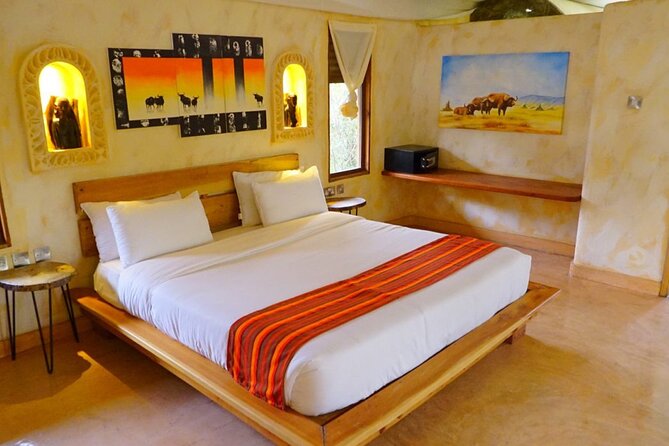
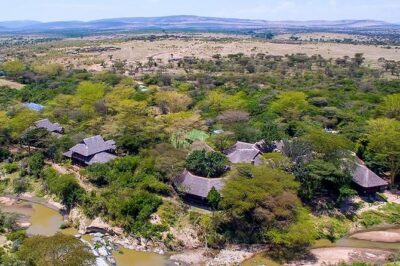
The package does not give a specific camp or lodge name. That means accommodation quality, room type, location, and amenities need to be confirmed before booking. These details can affect how early you leave, how long you spend on the road, and how comfortable your evenings feel.
Who will enjoy this safari most
I would recommend this trip to someone who wants migration season as the main purpose of a Kenya visit. It suits people who are happy with early starts, long drives, packed meals, and uncertain wildlife outcomes in exchange for more time in the reserve.
It is also a good fit if you value a private group. You can ask questions freely, set a slower pace at an exciting sighting, and receive direct attention from the guide. The strong praise for Eric and Erick’s wildlife explanations makes this especially appealing if you want to learn about the Big Five rather than simply photograph them.
Families and mixed-age groups may appreciate the private arrangement, since the schedule can be easier to manage than a shared vehicle. The activity information says most people can participate and service animals are allowed, but specific mobility details are not provided. Ask about vehicle access and the riverside walk if anyone in your group has mobility concerns.
This is less suitable if you want a relaxed luxury holiday with little road time. Day 1 and Day 4 are long travel days, and the main wildlife days begin early and run for around ten hours.
Should you book the Great Wildebeest Migration Safari?
Book it if you want a private, wildlife-focused Masai Mara trip with two full days for serious game viewing and a real chance at migration activity. The strongest reasons are the time in the reserve, private transport, useful included equipment, and the chance to add a balloon flight and Maasai village visit.
Before booking, confirm the pickup point, accommodation, exact park-fee calculation, hot-air balloon price, and the route between Mombasa and Nairobi. If those details fit your plans, $1,430 can make sense for a focused four-day safari. If your top priority is a guaranteed Mara River crossing, no safari can promise that, so book for the whole experience rather than one dramatic moment.
Free cancellation is available if you cancel at least 24 hours before the start time. Changes or cancellations made later are not accepted for a refund.
FAQ
When does the wildebeest migration take place?
The migration featured on this safari takes place between July and September, when wildebeest, zebra, and antelopes move from Tanzania’s Serengeti toward Kenya’s Masai Mara.
How long is the safari?
The experience lasts approximately four days.
Is transportation included?
Yes. Private transportation is included, and the tour ends with drop-off at a Nairobi hotel or airport. The exact pickup arrangements should be confirmed because the location information lists Mombasa while the route finishes in Nairobi.
Are park entry and conservation fees included?
No. Park entry and conservation fees cost $80 per person per day and are paid separately.
What meals are included?
The package includes three breakfasts, four lunches, and three dinners. Packed and picnic meals are used during the full-day game drives.
Is the hot-air balloon safari included?
No. The hot-air balloon safari is an optional activity offered very early on Day 3. Its price is not provided, so confirm the extra charge before booking.
Is this a private tour?
Yes. Only your group takes part in the activity, and private transportation is included.
Just added around Mombasa
- 3 Days Private Tour of Mombasa★ 4.5 · 3 reviews
- Mombasa: Wasini Dolphin Tour★ 3.2 · 3 reviews
- 1-Day Tsavo East Safari From Mombasa★ 5.0 · 3 reviews
- 2 Days Salt Lick Safari Tour★ 4.5 · 3 reviews
- Mombasa: Discovery Day Tour and Haller Park★ 4.1 · 3 reviews
- Private Tour of Tsavo East National Park from Mombasa★ 5.0 · 3 reviews
- Mombasa: Historical Guided city tour. Old town, Fort Jesus★ 4.2 · 3 reviews
- Airport Transfers to Watamu and Malindi★ 3.5 · 3 reviews
Masai Mara Safaris, compared.
5 Days Masai Mara, Lake Nakuru & Naivasha Budget Joining Safari
Read our review →
3 Days Gamedrive Safari In Masai Mara From Nairobi
Read our review →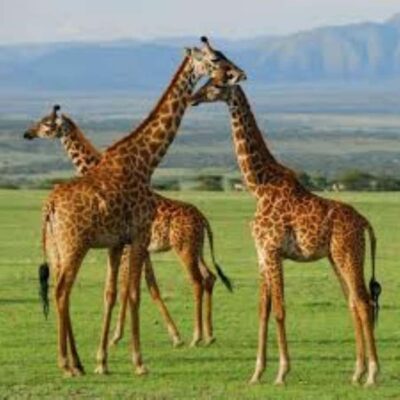
3 days group joining safari to Maasai Mara with a Land Cruiser Jeep
Read our review →Browse the lists this tour appears in