
Reviewed · CAMPING SAFARIS
14-Days Kenya and Tanzania Camping Safari from Nairobi
Two countries, one long wildlife road. This 14-day safari links Kenya’s Maasai Mara and Lake Nakuru with Tanzania’s Serengeti, Ngorongoro Crater, Tarangire, Lake Manyara, and Arusha. I like the way the route combines major wildlife areas without asking you to organize park permits, vehicles, hotels, meals, or border transfers yourself.
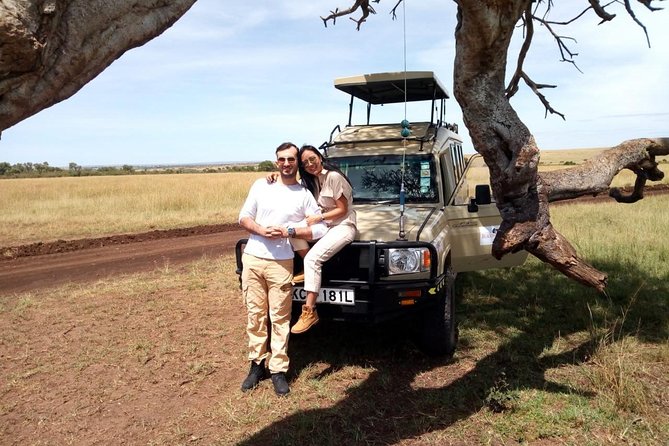
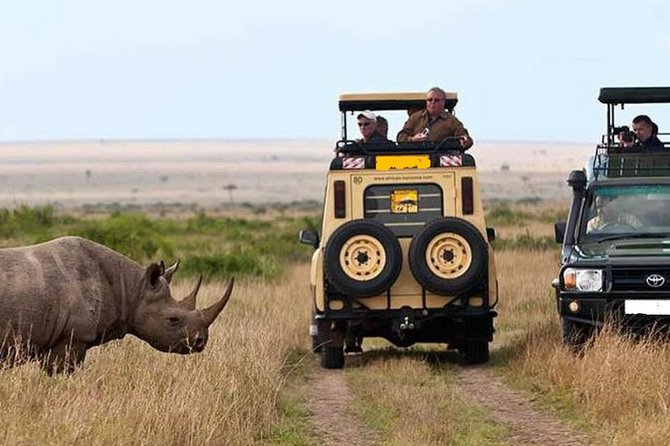
I also like the 4×4 game-drive vehicle, which gives you a practical way to reach the parks and spend long hours looking for animals. Airport pickup and drop-off add useful peace of mind, especially at the beginning and end. The tradeoff is a demanding schedule: several days involve about 10 hours of driving and game viewing, and campsite stays may feel basic after a full day on rough park roads.
The operator, Gracepatt Ecotours Kenya, has earned both warm praise and serious criticism. One family praised Grace’s detailed planning and guide Titus, while another customer described poor communication during problems. That contrast matters. The safari itself offers excellent coverage, but I would confirm every pickup, border crossing, accommodation, and final transfer before departure.
In This Review
- Five things to know before booking
- Why this route works for a first East African safari
- Day 1: A gentle start in Nairobi
- Days 2 and 3: Two full days in Maasai Mara
- Days 4 and 5: Lake Nakuru before returning to Nairobi
- Day 6: The Kenya to Tanzania shuttle
- Day 7: A quieter park day in Arusha
- Day 8: Tarangire’s long game-viewing day
- Days 9 and 10: Two nights in the Serengeti
- Days 11 and 12: Serengeti to the Ngorongoro Crater rim
- Days 12 and 13: Lake Manyara and the final park day
- Day 14: Returning to Nairobi or Kilimanjaro Airport
- What $4,875 per person really covers
- Communication and guide support
- Who should book this safari
- My booking verdict
- FAQ
- How long is the Kenya and Tanzania safari?
- Where does the safari begin?
- Which parks and reserves are included?
- Is airport pickup included?
- How do you travel between Kenya and Tanzania?
- Are meals included?
- Is accommodation included?
- How large can the group be?
- What is the minimum age?
- What is the cancellation policy?
Five things to know before booking
- The route covers five major parks and reserves: Maasai Mara, Lake Nakuru, Arusha National Park, Tarangire, Serengeti, Ngorongoro Crater, and Lake Manyara.
- You cross from Kenya into Tanzania by scheduled shuttle: the Nairobi to Arusha transfer leaves at 7:00am and arrives around 1:00pm.
- The trip mixes lodges and campsites: accommodations, bed and breakfast, full board, and most dinners are included.
- Long safari days are normal: many itinerary days run for about 10 hours, with early starts and picnic lunches.
- The group can reach 15 people: that keeps the price lower than a private safari, but personal space and vehicle seating may be limited.
- The listed price is $4,875 per person: entrance fees, transport, food, accommodation, and airport transfers make this a substantial package, though drinks are extra.
Why this route works for a first East African safari
Planning Kenya and Tanzania separately can become a tangle of park fees, border arrangements, vehicle hire, and changing accommodation. This trip handles the main structure for you, allowing you to focus on the wildlife and the long views from the vehicle.
The route also gives you a useful comparison between different park settings. Maasai Mara is known for its open game-viewing country and its connection to the Serengeti ecosystem. Lake Nakuru adds a smaller park with a lake setting. Tanzania then brings a different rhythm, from Tarangire’s game drives to the vast Serengeti and the enclosed wildlife world of Ngorongoro Crater.
You should not book this expecting a relaxed hotel holiday. The schedule is active, and the route covers a lot of ground. Your reward is variety: several famous parks, two countries, and a strong chance to see a broad mix of African wildlife, though no ethical safari can promise every member of the Big Five.
More camping safaris:
- Nairobi: 4-Day Maasai Mara & Lake Nakuru Camping Safari
★ 4.5 · 77 reviews - Nairobi: 4 Day Masai Mara and Lake Nakuru Camping Safari
★ 4.6 · 46 reviews - 3 Days Masai Mara Camping Safari
★ 5.0 · 27 reviews
Day 1: A gentle start in Nairobi
Your first day begins at Jomo Kenyatta International Airport, with a transfer to your Nairobi hotel. The listed duration is about six hours, which likely allows for airport arrival, transfer, and settling in rather than six hours of sightseeing.
That first night is useful. You are not expected to leave Nairobi immediately after a long international flight. Use the time to rest, organize your bags, and prepare for an early start to Maasai Mara the next morning.
Airport pickup is included, but I would still make sure your arrival details are correct before you fly. The company has arranged airport transfers successfully for some customers, but clear communication is especially important when your flight lands late or changes.
Days 2 and 3: Two full days in Maasai Mara
On Day 2, pickup is scheduled for 8:30am from your hotel, followed by the drive to Maasai Mara National Reserve. The day is listed at roughly 10 hours, so you should expect a substantial road journey before or around your first game viewing.
Maasai Mara is one of the strongest wildlife stops on the route. You get more than a quick afternoon visit, and that matters. Two days give your guide time to cover different areas and adjust the search according to animal activity and road conditions.
Day 3 is the main Mara day. After an early breakfast, you spend the full day in the reserve with a picnic lunch near the Mara River border between Kenya and Tanzania. That border setting gives the day a sense of place, even if the exact wildlife sightings cannot be predicted.
The picnic arrangement saves time. You do not need to leave the reserve for lunch, so more of the day can be spent in the park. The drawback is simple: an early breakfast, a long drive, and a full day in a vehicle can be tiring. Bring patience, water for purchase, sun protection, and clothing that works for cool mornings and warm afternoons.
Days 4 and 5: Lake Nakuru before returning to Nairobi
Day 4 starts with a pre-breakfast game drive in Maasai Mara. You return to camp for a late breakfast, then leave for Lake Nakuru National Park and arrive in the late afternoon.
This is a smart use of time. You get one last Mara drive before moving on, rather than losing the morning to a slow departure. Still, the day combines an early start with another long transfer, so it is one of the more tiring parts of the Kenya section.
On Day 5, you take another early game drive in Lake Nakuru National Park, return for breakfast, and leave after lunch for Nairobi. The itinerary lists about six hours for this part of the day, including the drive back.
Lake Nakuru offers a change from the Mara’s broad game-viewing areas. The park is centered around a lake and provides a different setting for wildlife watching. The available details do not promise particular species or bird sightings, so keep expectations open. The real value here is the extra park rather than treating Nairobi as a simple overnight stop.
More safaris:
- Safari Tour; Nairobi National Park
★ 4.5 · 594 reviews - Half-Day Nairobi National Park Safari from Nairobi with Free Pickup
★ 4.5 · 264 reviews - 5 Days Masai Mara, Lake Nakuru & Naivasha Budget Joining Safari
★ 5.0 · 229 reviews - 3 Days Gamedrive Safari In Masai Mara From Nairobi
★ 5.0 · 207 reviews
Day 6: The Kenya to Tanzania shuttle
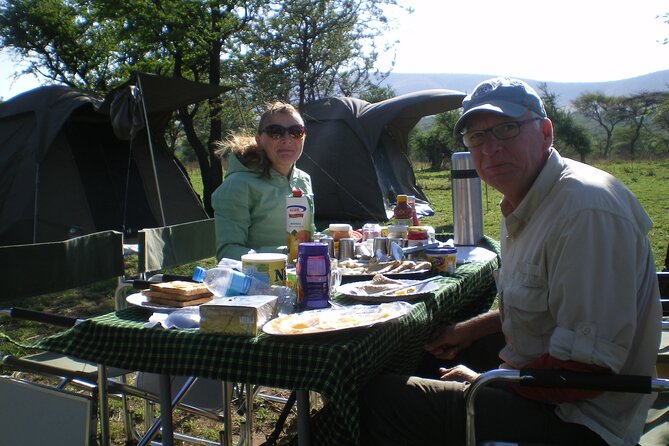
The international portion of the journey begins on Day 6. A shuttle leaves Nairobi or the city center at 7:00am and reaches Arusha around 1:00pm.
This transfer is practical, not glamorous. It breaks up the safari route without requiring a private vehicle to handle the international crossing. You should expect this day to feel more like a transport day than a game-viewing day.
The itinerary gives a six-hour duration, and the transfer from Arusha to Nairobi is also included at the end. I would confirm the exact pickup point, the luggage arrangement, and the procedure for crossing between Kenya and Tanzania before setting out. That is especially wise because the company’s communication record has not been uniformly strong.
Day 7: A quieter park day in Arusha
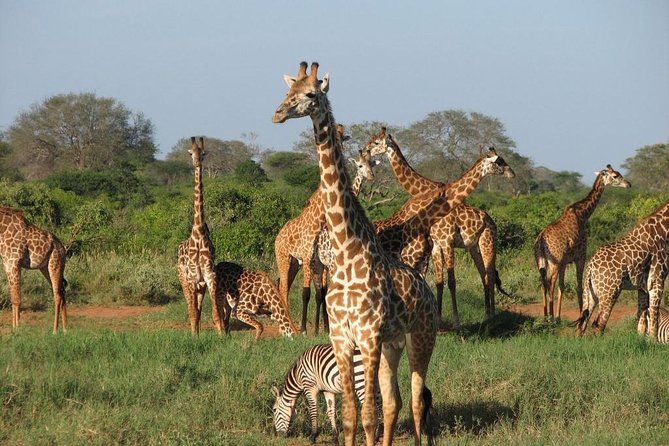
You are picked up from your Arusha hotel at 9:00am and travel to Arusha National Park. The day includes a picnic lunch and a game drive, lasting about 10 hours.
This stop gives you a wildlife day without immediately rushing into the most famous parks in northern Tanzania. It also provides a pause after the Nairobi to Arusha transfer. The park visit is likely to feel different from the Mara and Serengeti because the route includes a broader range of environments rather than one continuous open plain.
The itinerary does not specify particular animals, accommodation details for this night, or a detailed activity schedule beyond the picnic and game drive. Treat Arusha National Park as a scenic and useful part of the route, not as the main reason to book the safari.
Day 8: Tarangire’s long game-viewing day
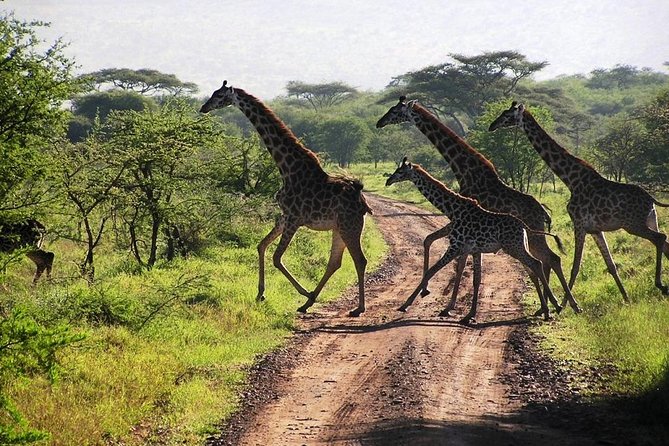
After breakfast, you leave for Tarangire National Park. A picnic lunch and game drive are included, with about 10 hours set aside.
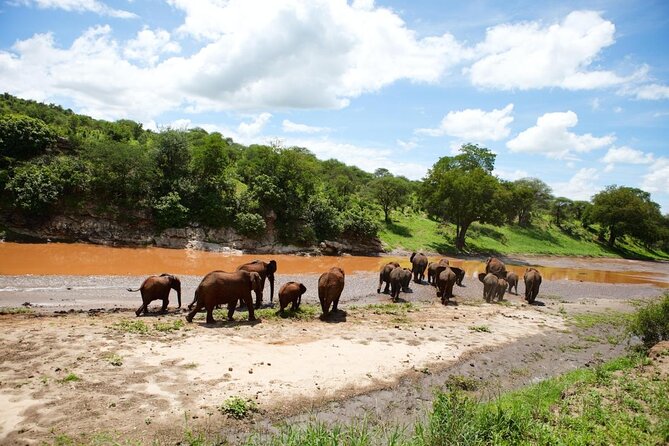
Tarangire adds another distinct park to the journey and gives you a full day rather than a brief stop. The park is often associated with large trees and elephants, but the supplied information does not guarantee any particular sighting, so I would keep that expectation flexible.
A picnic inside the park is a practical choice. It keeps the day moving and avoids spending the best viewing hours traveling out for a meal. As with the other game drives, you should be ready for dust, bumps, and long periods of waiting. Wildlife watching is not a staged show. Some hours may be quiet, and that is part of the experience.
Days 9 and 10: Two nights in the Serengeti
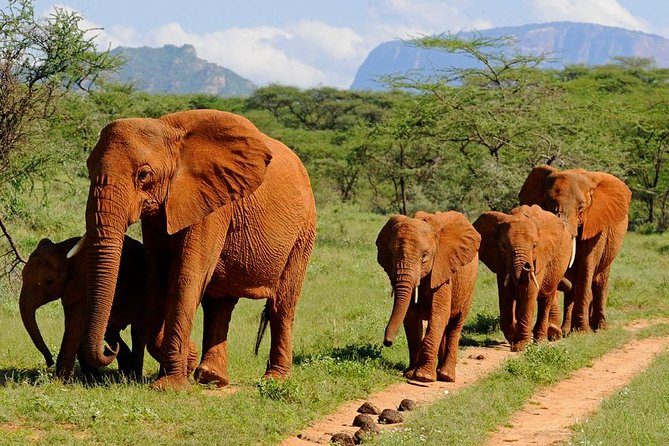
Day 9 takes you from Tarangire to Serengeti National Park after breakfast. The day is listed at around 10 hours, and accommodation is provided in the park area.
The Serengeti is the trip’s major centerpiece. Reaching it by road takes time, but the transfer also becomes part of the safari, with the possibility of game viewing along the way. You should not think of Day 9 as a quick transfer followed by a guaranteed afternoon full of sightings. Road conditions and park timing will shape the day.
Day 10 is a full Serengeti game-viewing day, with another campsite stay. This second day is important because it gives you more than a rushed look at one famous park. Your guide can spend longer in promising areas instead of treating the Serengeti as a photo stop between other destinations.
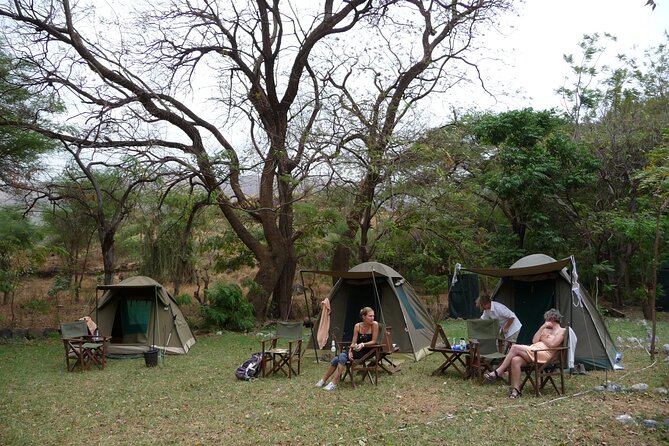
Camping keeps the package closer to a traditional safari style and helps contain the price, but it is not the same as staying in a high-end lodge. The included accommodation is described as a mix of lodge, bed and breakfast, and campsite, so standards may vary from night to night. Ask for the expected camping setup before booking if comfort is a major concern.
Days 11 and 12: Serengeti to the Ngorongoro Crater rim
Day 11 begins with an early Serengeti game drive before lunch. You then travel to the Ngorongoro Crater rim.
That early drive makes sense. Morning is one of the best scheduled opportunities for wildlife viewing, and it lets you use the Serengeti before giving up ground to the next destination. The drive to the crater rim is another long day, so plan for limited downtime.
On Day 12, you descend into the crater floor for a game drive. Lunch is served at the hippo pool picnic site, followed by an ascent to the rim and departure for Lake Manyara.
Ngorongoro is one of the route’s most memorable settings because the crater rim and floor create a clear sense of arrival and enclosure. The schedule gives you a proper crater visit rather than a viewpoint-only stop. The drawback is the pace: descending, game viewing, lunch, climbing back to the rim, and continuing to Lake Manyara makes this a full day.
The hippo pool picnic stop also means you should follow your guide’s instructions closely. You are eating in a wildlife area, not at a normal roadside restaurant. Keep food packed away when you are not eating and stay with the group.
Days 12 and 13: Lake Manyara and the final park day
The itinerary places Lake Manyara on Day 12 after the Ngorongoro visit, with an overnight stop before the main game drive on Day 13. That overnight break is helpful after the crater day.
After breakfast on Day 13, you take a game drive in Lake Manyara National Park, enjoy a picnic lunch, and leave in the middle of the afternoon for Arusha. The day is listed at about eight hours, making it slightly shorter than many earlier safari days.
Lake Manyara gives you one last park setting before the return journey. It is a useful closing stop because the safari does not end immediately after the Serengeti and Ngorongoro. You get another chance to watch wildlife, then return to Arusha with time for the final transfer.
Day 14: Returning to Nairobi or Kilimanjaro Airport
After breakfast, the shuttle leaves Arusha at 7:00am and reaches Nairobi around 1:00pm. You can also transfer to Kilimanjaro International Airport.
This final day needs careful planning around your onward flight. The listed arrival time is approximate, and the package information does not specify how much buffer you should allow at the airport. I would avoid booking a tight same-day connection without confirming the expected transfer timing directly.
The included Arusha to Nairobi transfer is valuable for anyone ending the trip in Kenya. The Kilimanjaro Airport option is useful for those continuing through Tanzania, but confirm exactly how that transfer works before paying for a flight.
What $4,875 per person really covers
At $4,875 per person, this is a major purchase. The value depends on how much planning you want taken off your hands and how much park time you want packed into two weeks.
The price includes:
- Airport pickup and drop-off
- Accommodation in lodges and campsites
- Breakfast and lunch for all 13 listed meal days
- Ten listed dinners
- Full board
- Park entrance fees where specified
- Transport in a 4×4 vehicle
- The Arusha to Nairobi transfer
That is a substantial list. Park fees alone can make a self-planned safari expensive, and the route includes several major parks across two countries. You also avoid arranging separate vehicles and accommodations for Kenya and Tanzania.
Drinks and alcohol are not included and can be purchased separately. The package also does not promise luxury accommodation, private use of the vehicle, or unlimited flexibility. With a maximum group of 15, the cost is easier to manage than a private safari, but your schedule will be shared with other people.
I consider the price reasonable for a two-country, full-board safari if the listed inclusions are delivered as planned. It is less attractive for someone who wants high-end lodges, short transfers, or a relaxed pace.
Communication and guide support
The strongest personal praise centers on organization and staff. Grace received credit for answering detailed questions and tailoring arrangements, while Titus was praised as a safari guide. Another customer, HLungano, described the team as kind and efficient, with pickups and drop-offs handled so the family could focus on taking pictures.
That is the best version of this trip: a well-coordinated route with a capable guide and clear handoffs between Nairobi, Arusha, the parks, and the final airport. But you should also take the communication concern seriously. One customer described the operator as unreliable and unresponsive when problems arose.
My advice is practical. Get written confirmation of your arrival transfer, Nairobi hotel, Arusha shuttle, accommodation type, park sequence, and final airport plan. Save the contact details in more than one place. That does not change the safari route, but it gives you a better way to manage it.
Who should book this safari
I would recommend this trip to you if you want a big wildlife itinerary and prefer one company to handle the major arrangements. It suits adults aged 16 and older who can manage early starts, long drives, picnic meals, and campsite nights.
It also works well for families with older teenagers and for first-time visitors who want Kenya and Tanzania in one trip. The warm account from a father and son suggests the route can work well for a shared milestone journey.
I would hesitate if you want private guiding, luxury lodging, short travel days, or lots of free time. I would also hesitate if camping is uncomfortable for you or if you need highly responsive support before and during the trip.
Cancellation terms are fairly clear: a full refund is available when you cancel at least six full days before the start time. A cancellation two to six days before may receive 50 percent, while cancellations under two days are not refunded. Changes follow the same cutoffs, based on local time.
My booking verdict
Book this safari if your priority is seeing several of East Africa’s best-known parks with meals, entrance fees, accommodation, a 4×4, and cross-border transport bundled together. The route is ambitious and wildlife-focused, and the two Serengeti days plus the Ngorongoro visit give it real substance.
Before you commit $4,875, confirm the camping arrangements, group size, guide assignment, and every transfer in writing. If the operator provides the organized service praised by some customers, this can be a memorable and efficient way to see Kenya and Tanzania. If you need luxury or flawless communication, choose a smaller private arrangement instead.
FAQ
How long is the Kenya and Tanzania safari?
The experience lasts approximately 14 days, beginning in Nairobi and ending with a return to Nairobi or a transfer to Kilimanjaro International Airport.
Where does the safari begin?
It begins in Nairobi, with pickup at Jomo Kenyatta International Airport and transfer to a Nairobi hotel.
Which parks and reserves are included?
The route includes Maasai Mara National Reserve, Lake Nakuru National Park, Arusha National Park, Tarangire National Park, Serengeti National Park, Ngorongoro Crater, and Lake Manyara National Park.
Is airport pickup included?
Yes. Airport pickup and drop-off are included. The final day also offers transfer to Kilimanjaro International Airport.
How do you travel between Kenya and Tanzania?
You take a shuttle from Nairobi or central Nairobi to Arusha. It leaves at 7:00am and is scheduled to arrive around 1:00pm.
Are meals included?
Yes. The package includes full board, 13 breakfasts, 13 lunches, and 10 dinners. Drinks and alcoholic drinks are not included.
Is accommodation included?
Yes. Accommodation is included and consists of lodges, bed and breakfast arrangements, and campsites.
How large can the group be?
The maximum group size is 15 people.
What is the minimum age?
The minimum age is 16 years. Most people can participate in the activity.
What is the cancellation policy?
You can receive a full refund if you cancel at least six full days before the experience starts. Cancellations two to six full days before the start may receive a 50 percent refund. Cancellations less than two full days before the start are not refunded.
Just added around Nairobi
- Nairobi: Airport and Hotel Private Transfers.★ 4.0 · 3 reviews
- Nairobi: Giraffe Center, Elephant Orphanage and Bomas Tour★ 5.0 · 3 reviews
- 11-Days Best of Kenya & Tanzania Big 5 Safari on a 4×4 Jeep★ 5.0 · 3 reviews
- Kitengela Anselm Hot Glass tour★ 4.5 · 3 reviews
- NAIROBI NATIONAL PARK AFTERNOON GAME DRIVE.★ 5.0 · 3 reviews
- 12-Day Tsavo west Amboseli lake Nakuru Maasai Mara safari★ 5.0 · 3 reviews
- Nairobi Down Town & Walking City Tour★ 4.8 · 3 reviews
- Carnivore Resturant Dinner Experience★ 4.0 · 3 reviews
Camping Safaris, compared.
4 Day Masai Mara and Lake Nakuru Camping Safari
Read our review →
4 Day Masai Mara & Lake Nakuru Group Joining Camping Safari – Daily Departures
Read our review →
4 Days Masai Mara & Lake Nakuru 4WD Camping Safari
Read our review →
3 Day Maasai Mara Group Joining Camping Safari – Daily Departures
Read our review →
3-Days Maasai Mara Camping Safari on 4×4 Land Cruiser Jeep
Read our review →Browse the lists this tour appears in